Landscape
Natural and Urban
Juried by Tatum Dooley
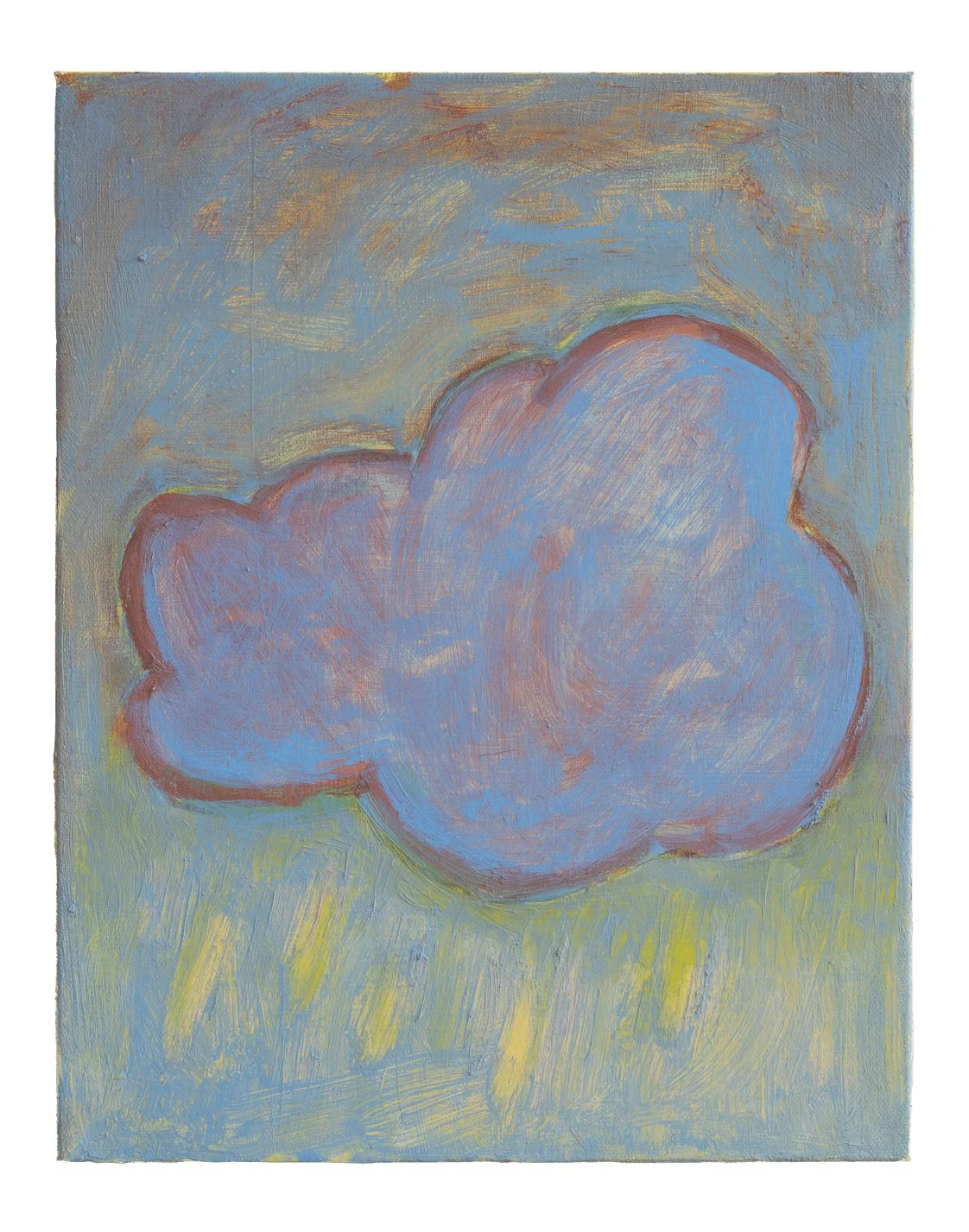
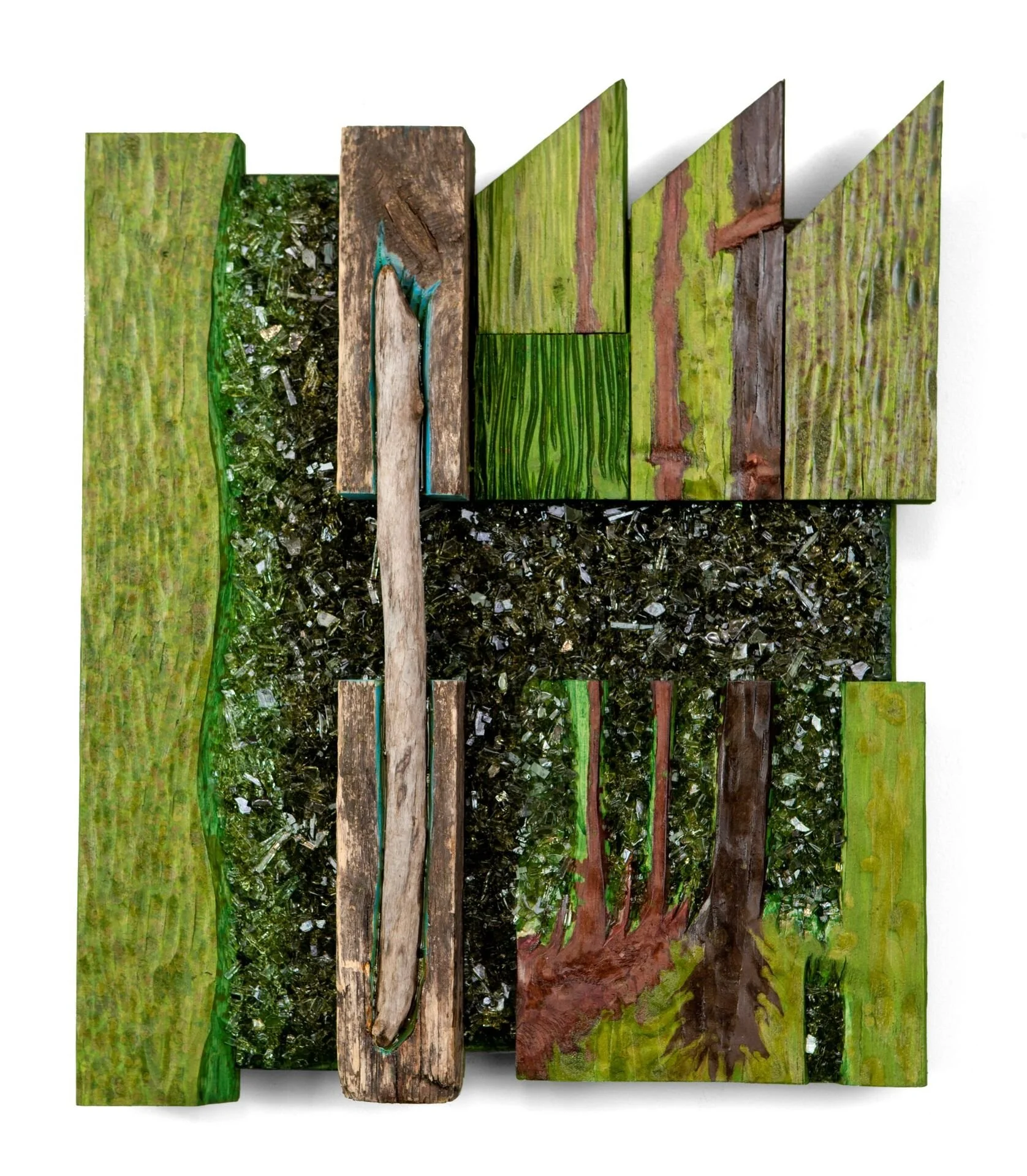
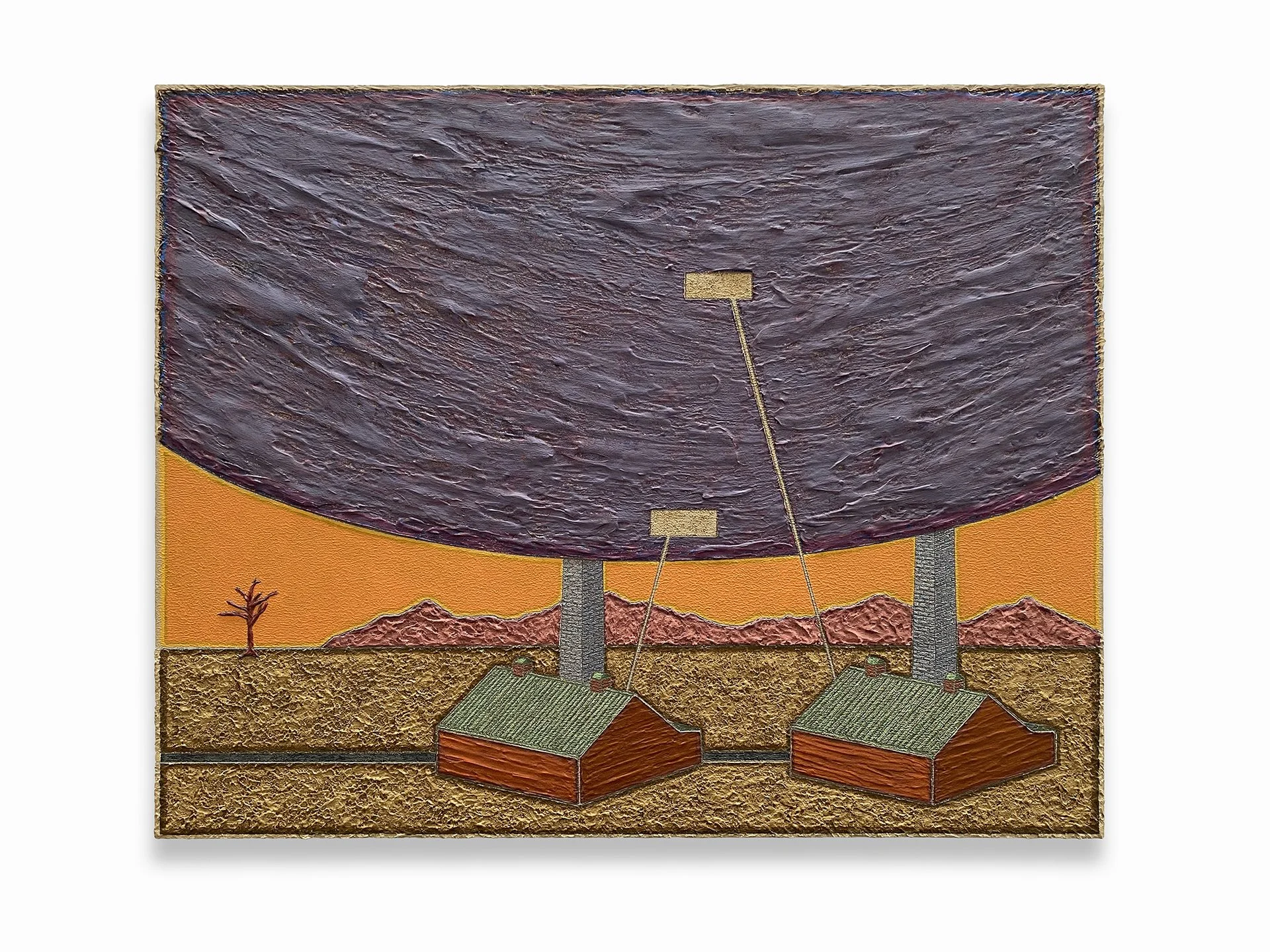
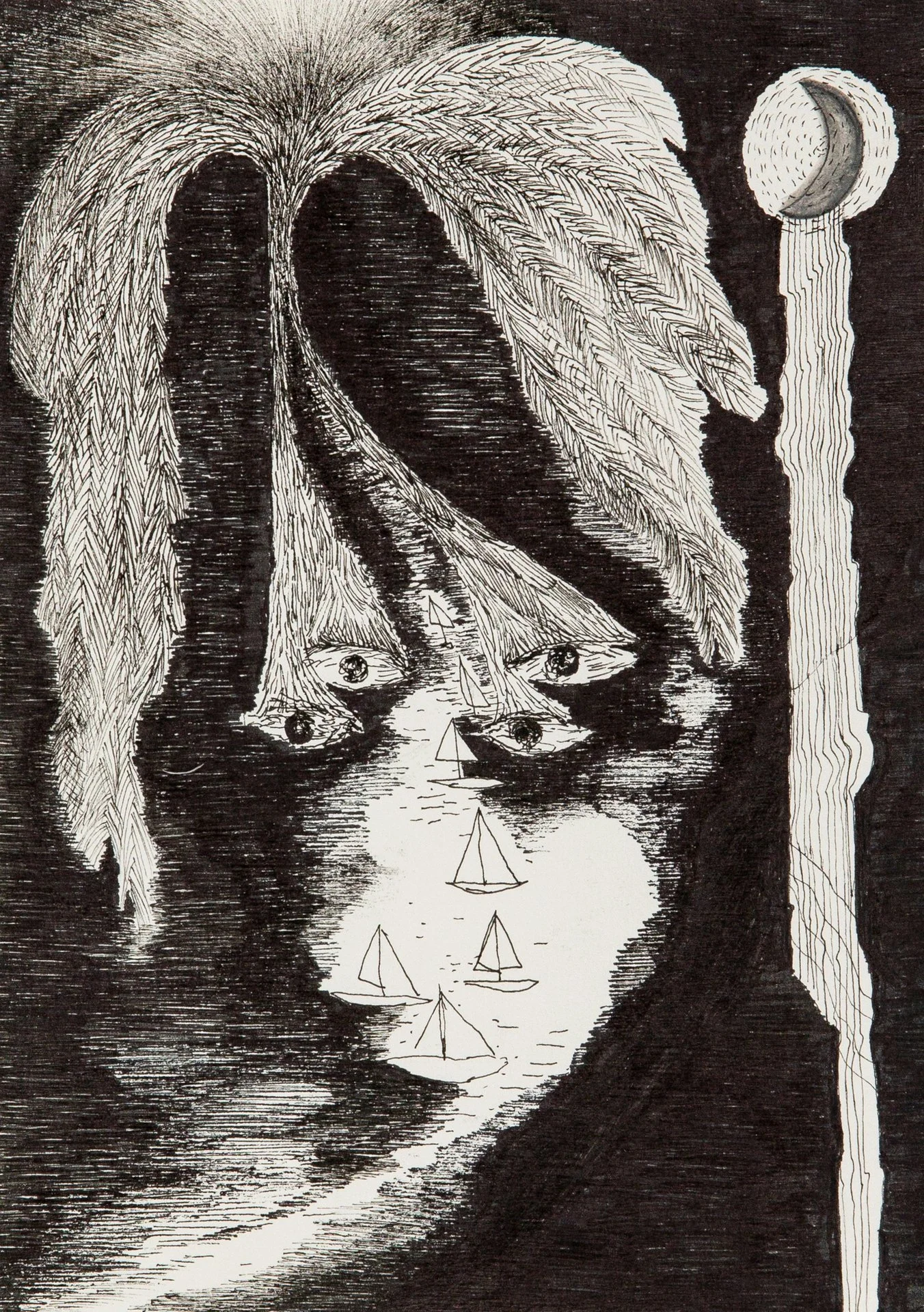
Curatorial Statement
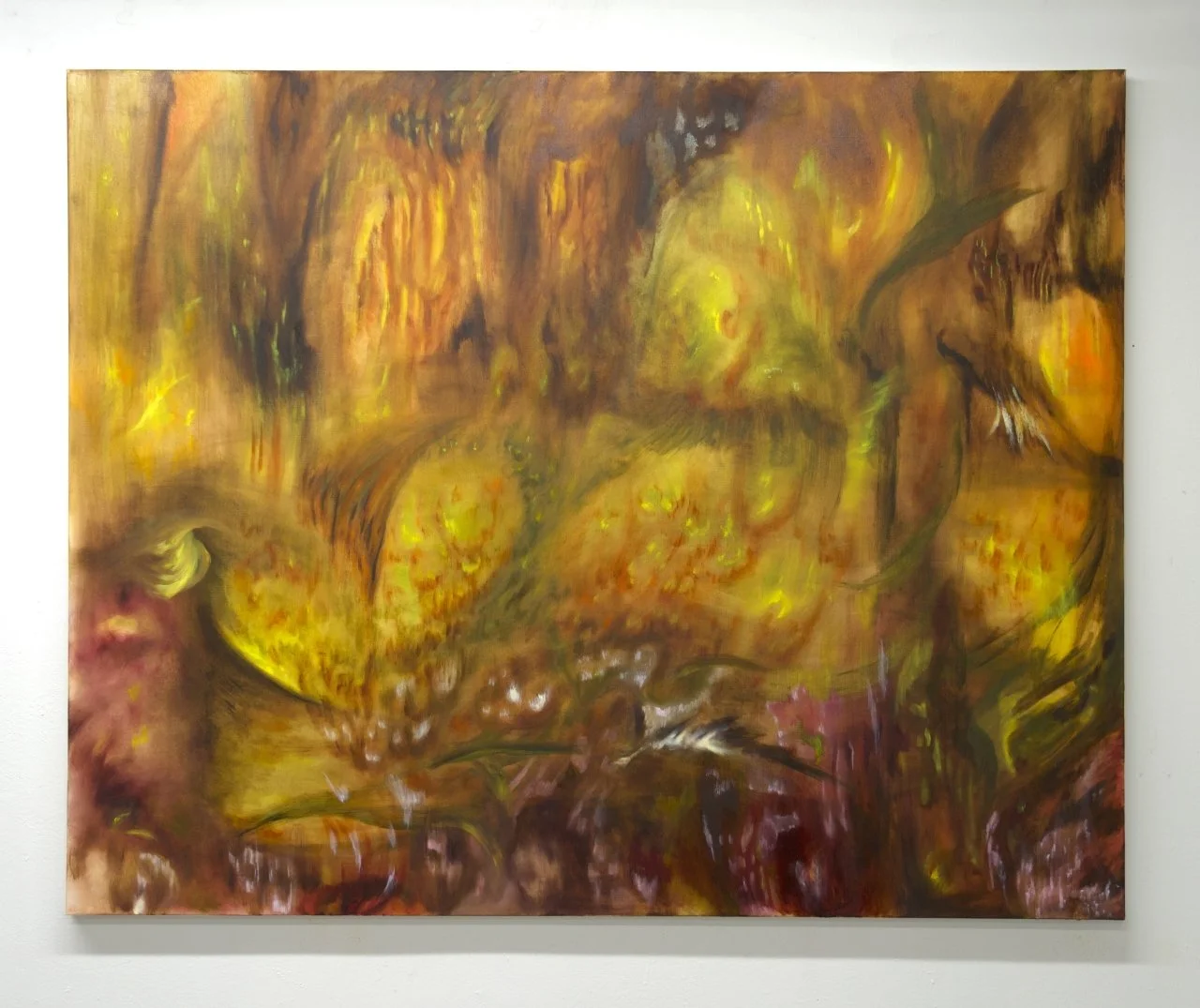
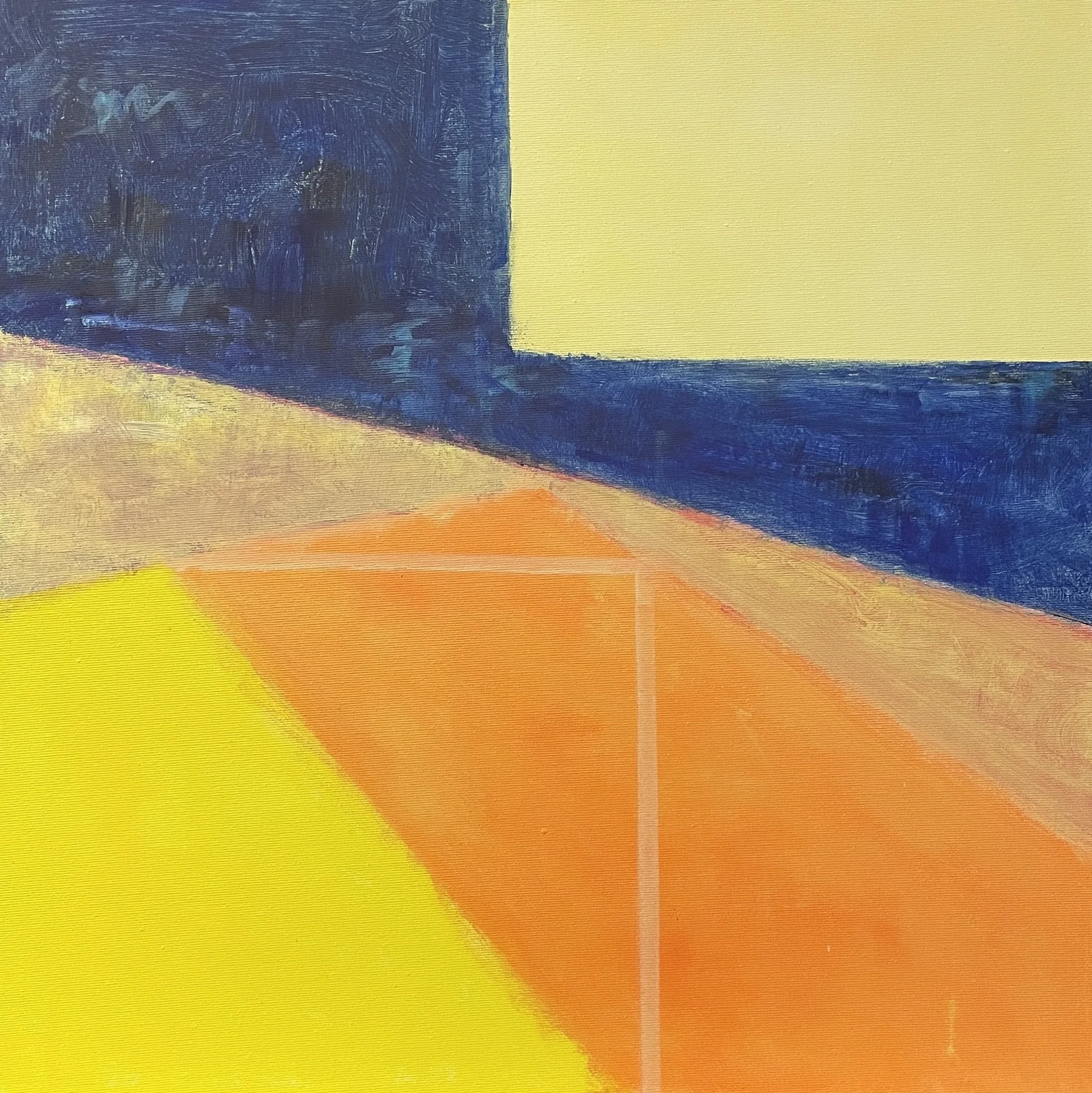
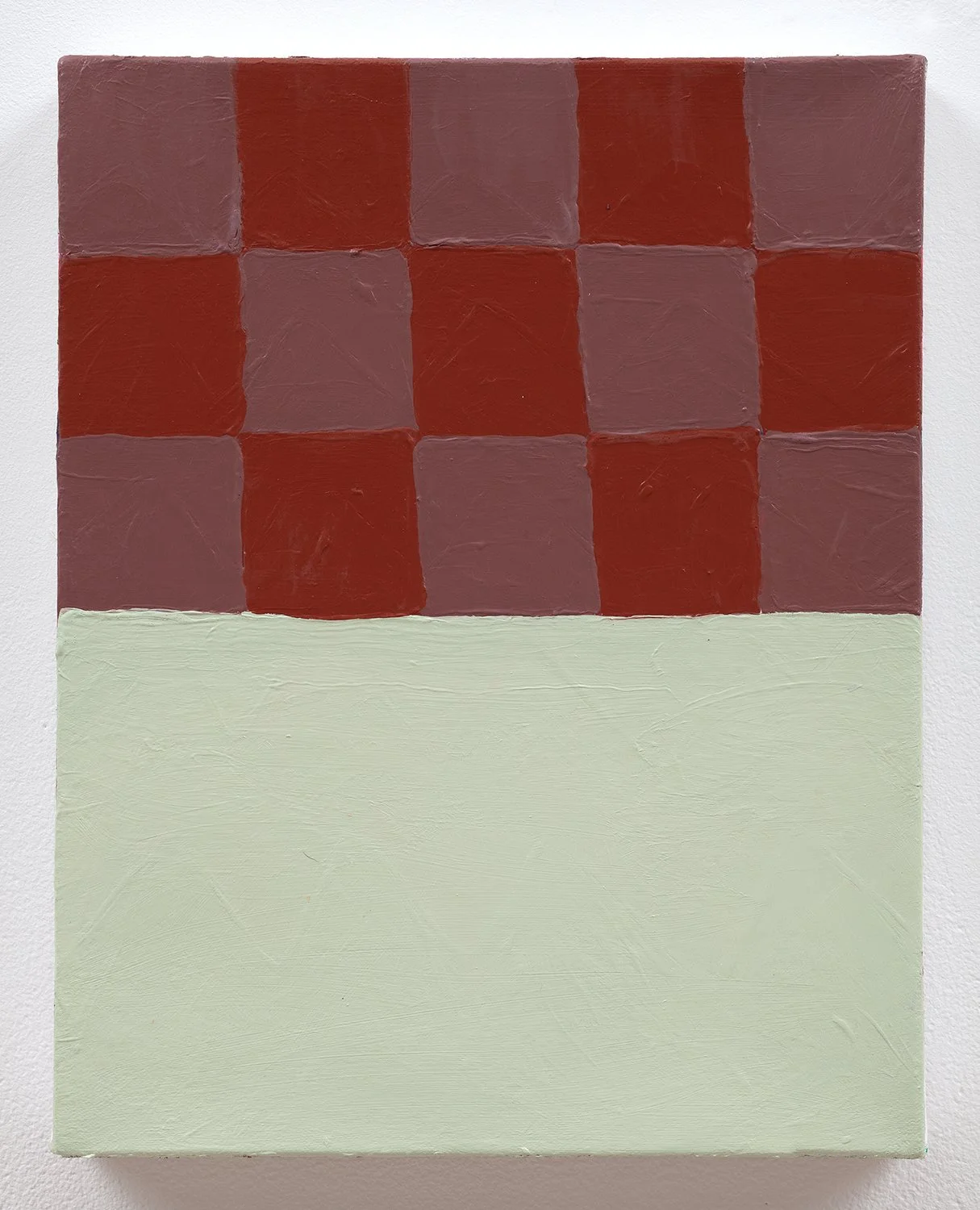
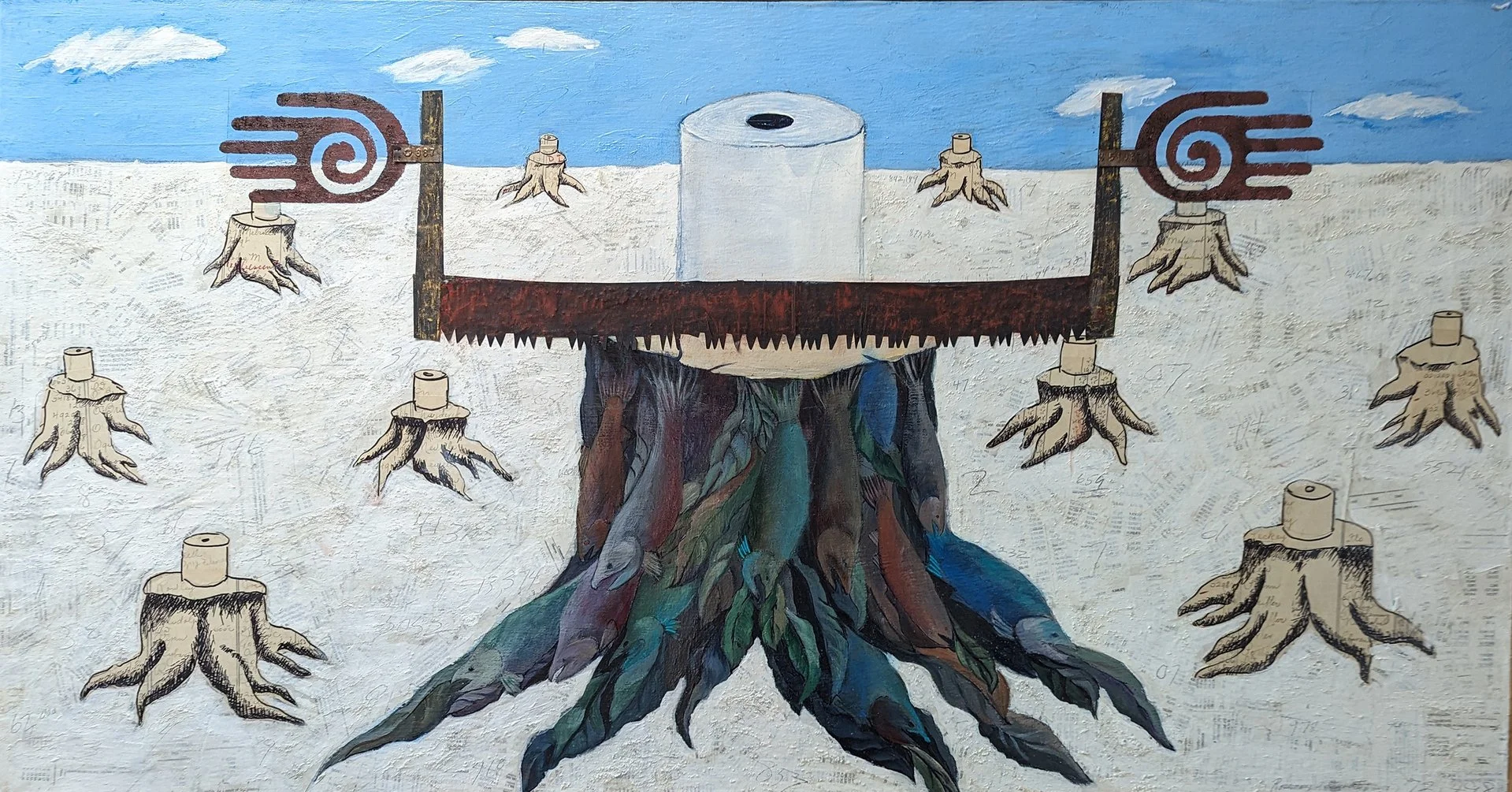
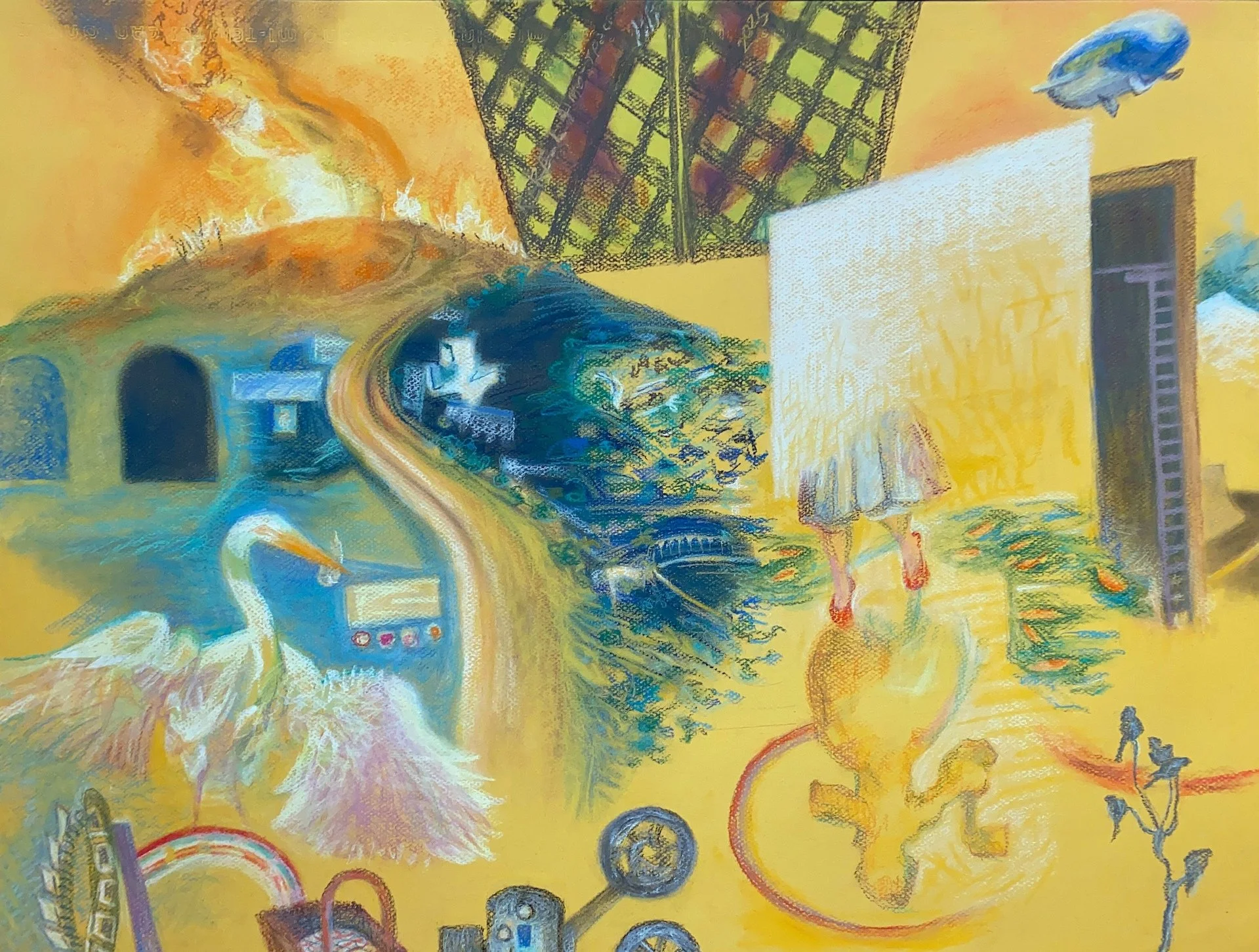
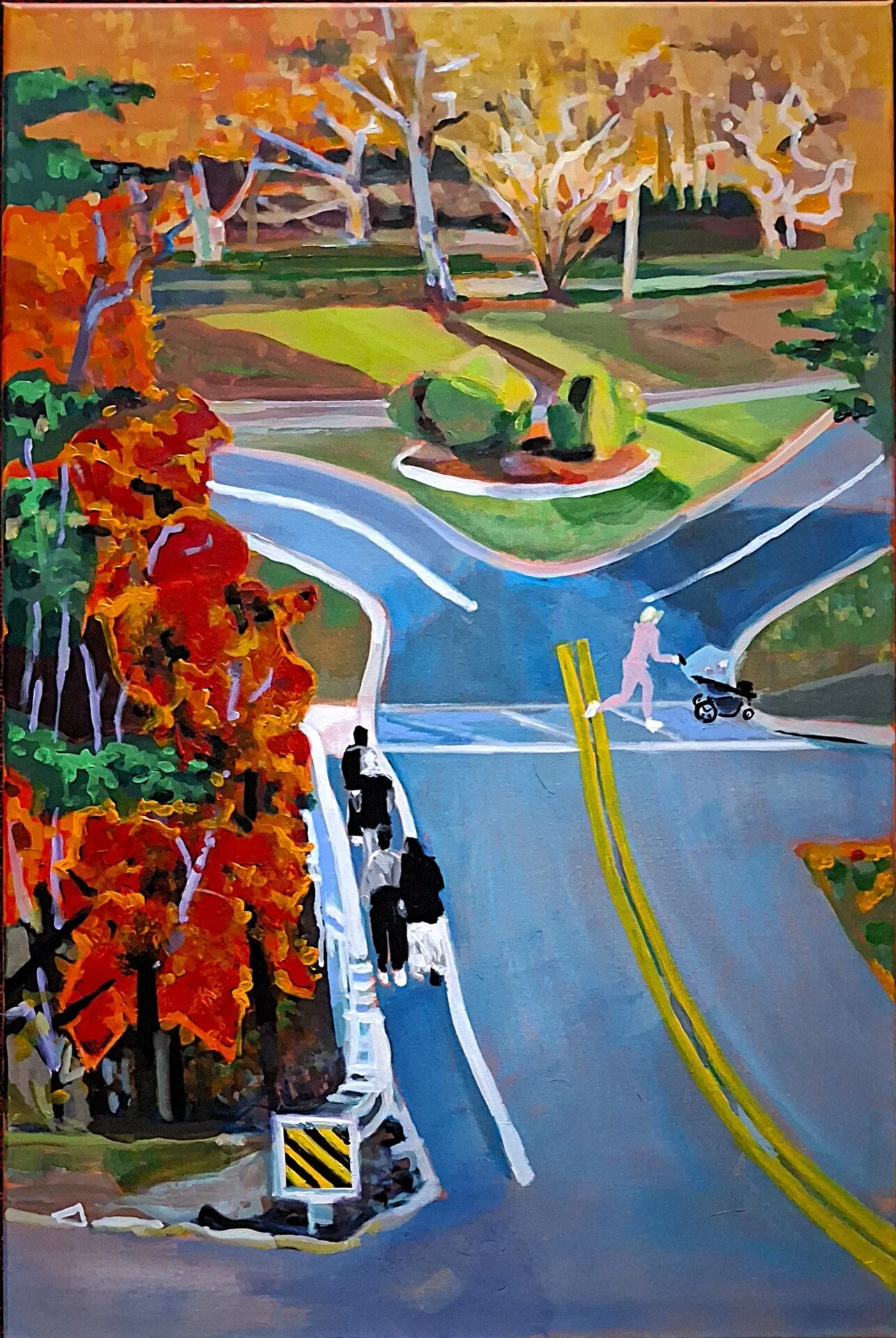
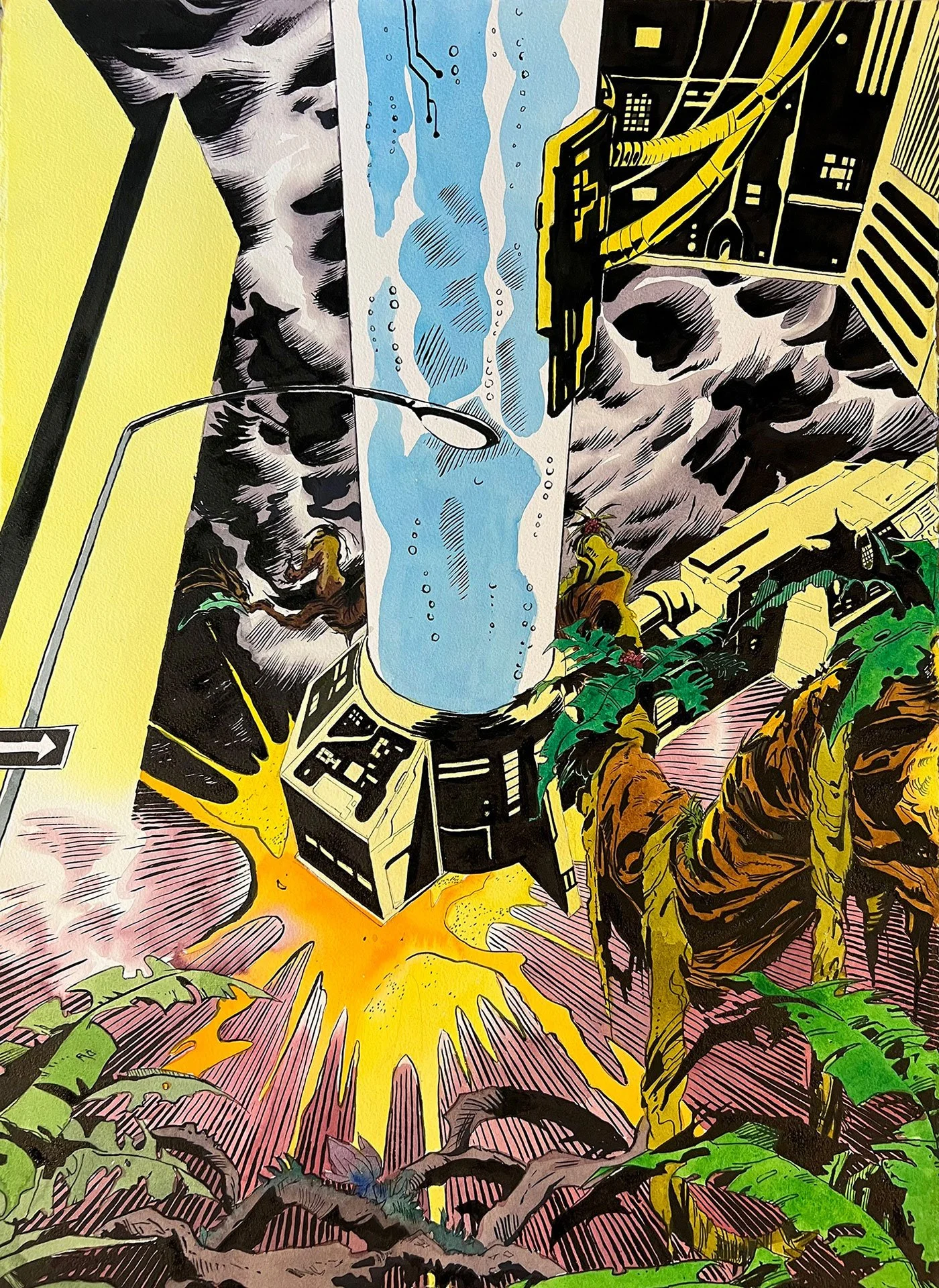
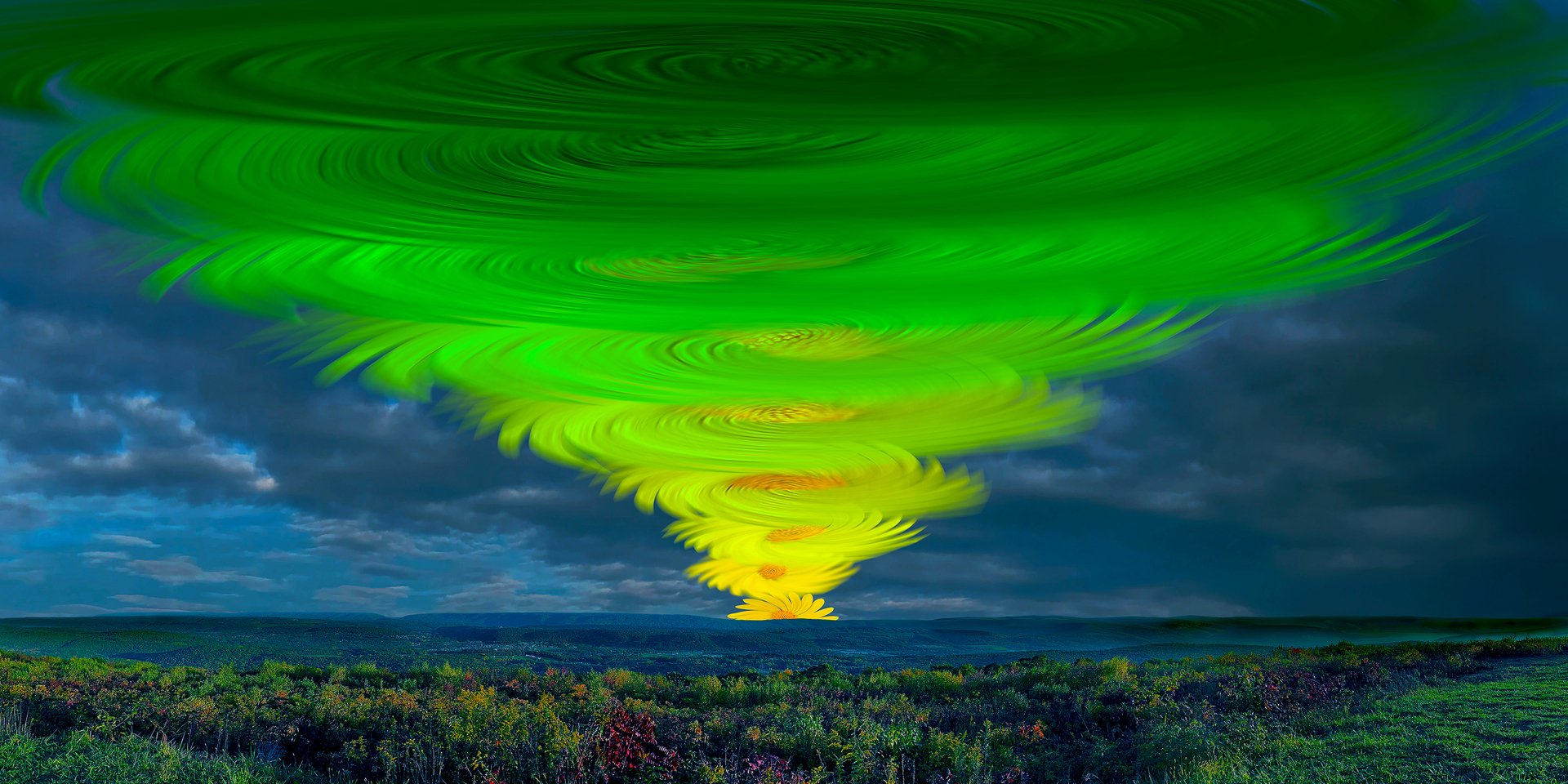
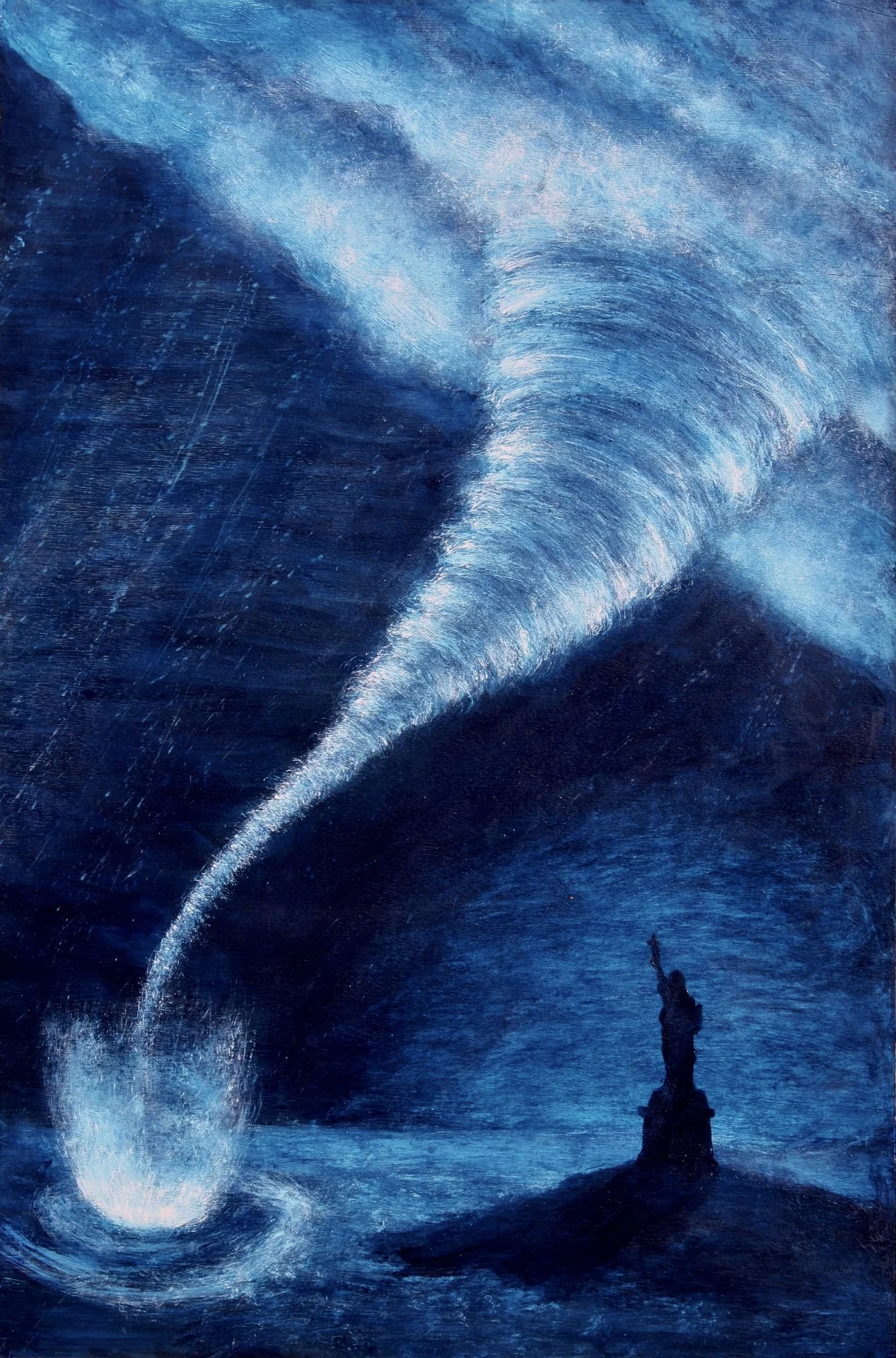
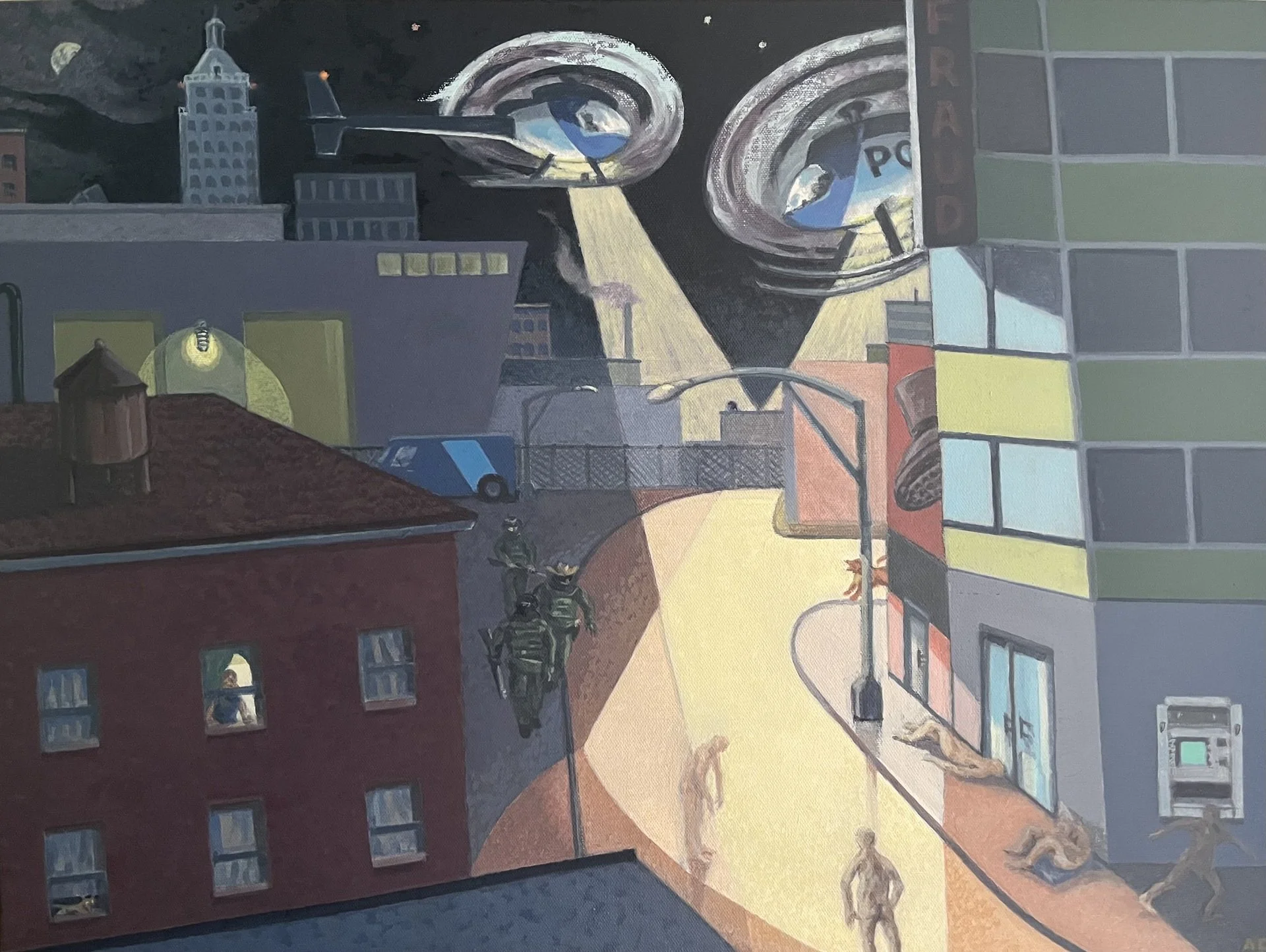
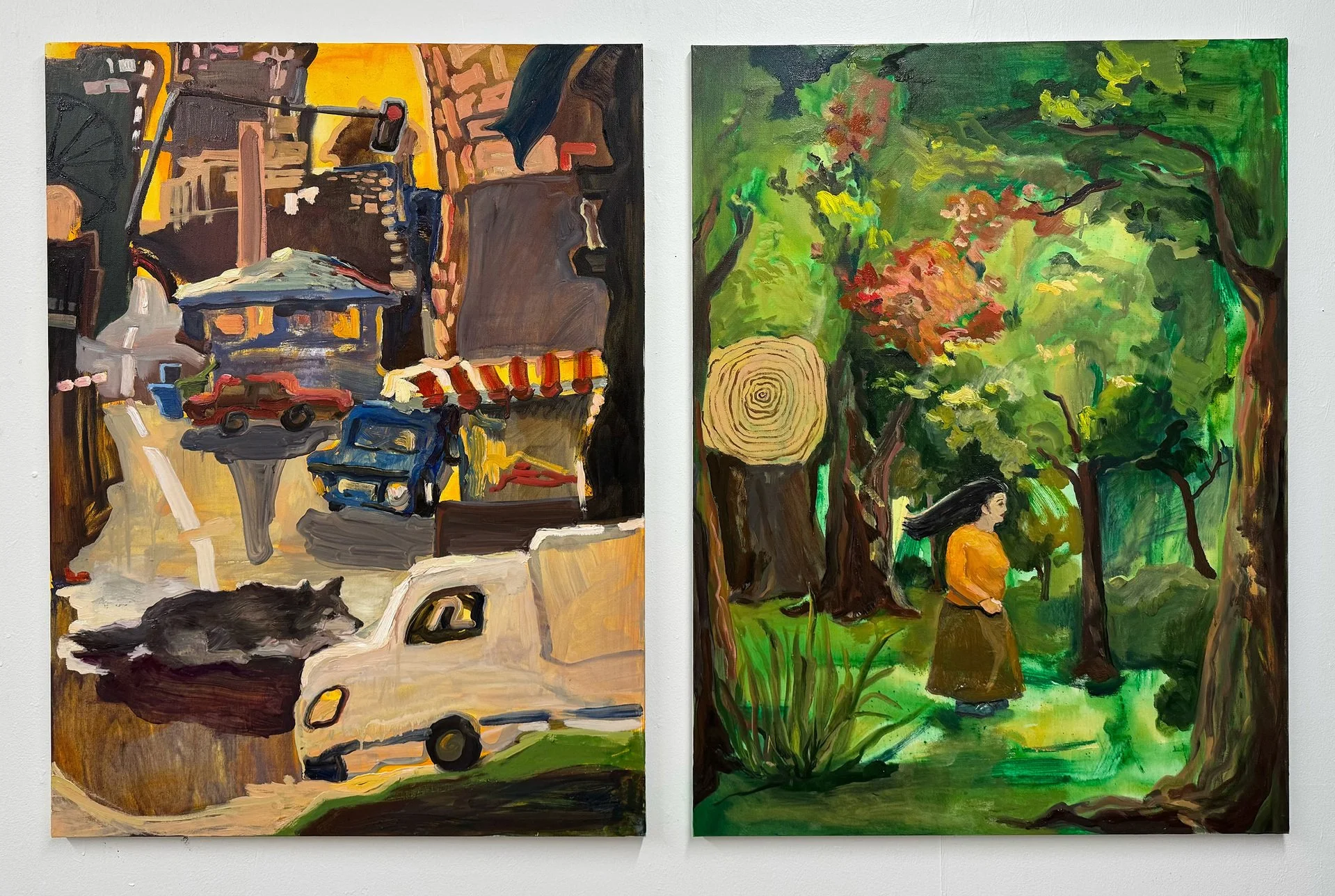
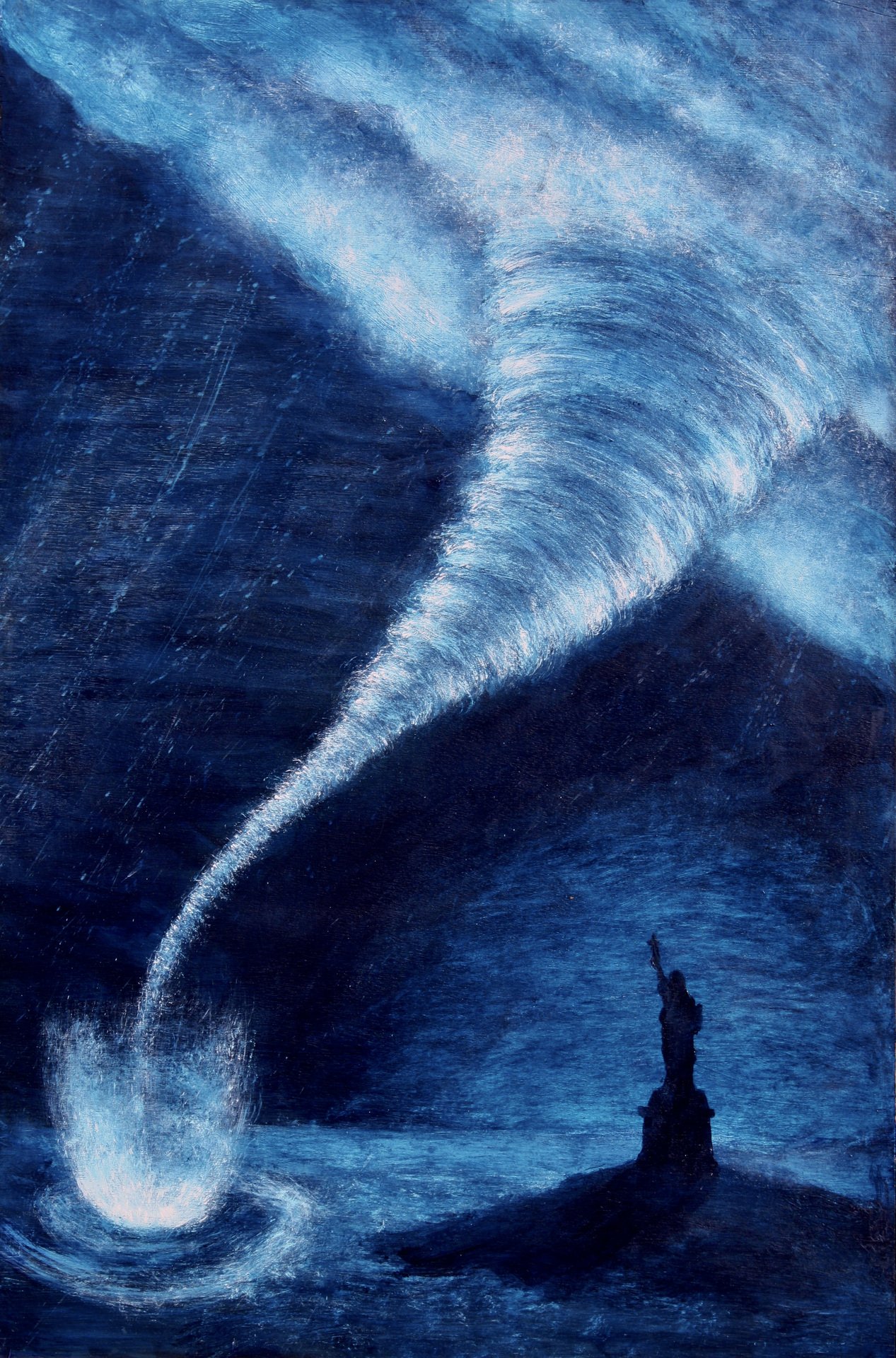
It’s odd—although I’ve spent a considerable amount of time over the last month with these works, I couldn’t with any confidence tell you the landscape from which any were made (save for Deborah Kennedy’s ominous outline of the Statue of Liberty heroically battling a waterspout). Instead, these works float above place. They’re of nameless towns, uncharted forrests, anonymous hills, scenes from an idealized past, or unrealized futures.
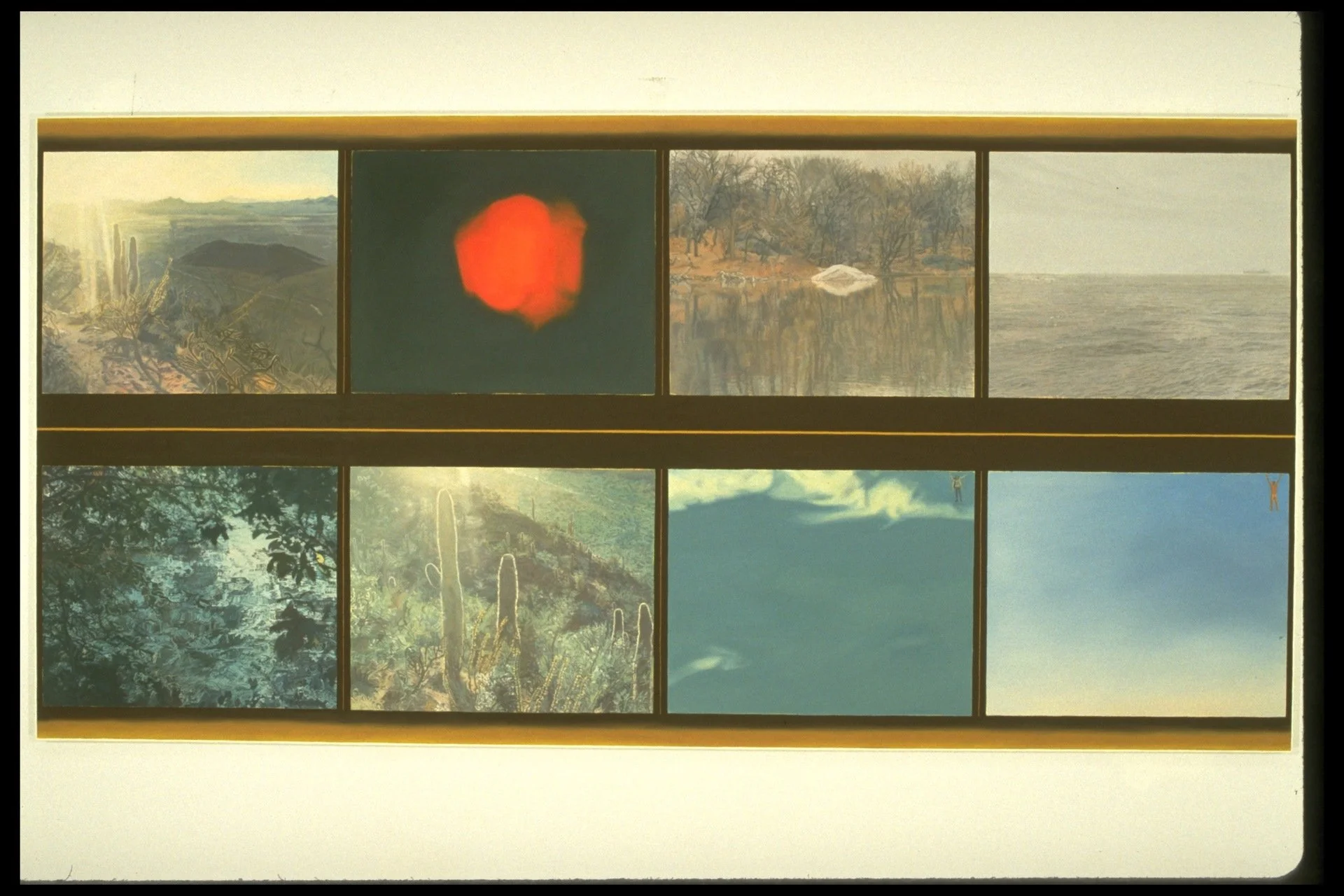
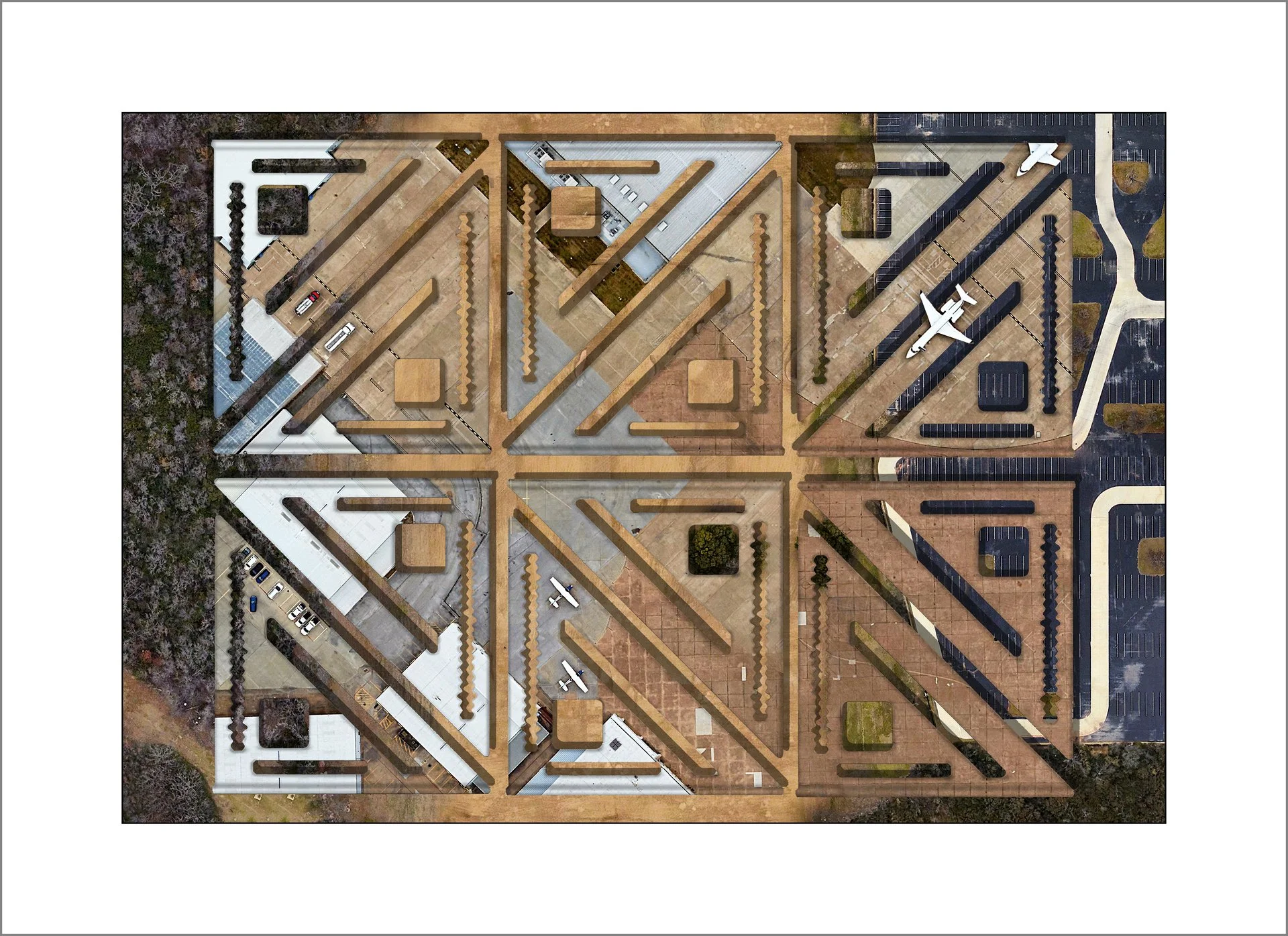
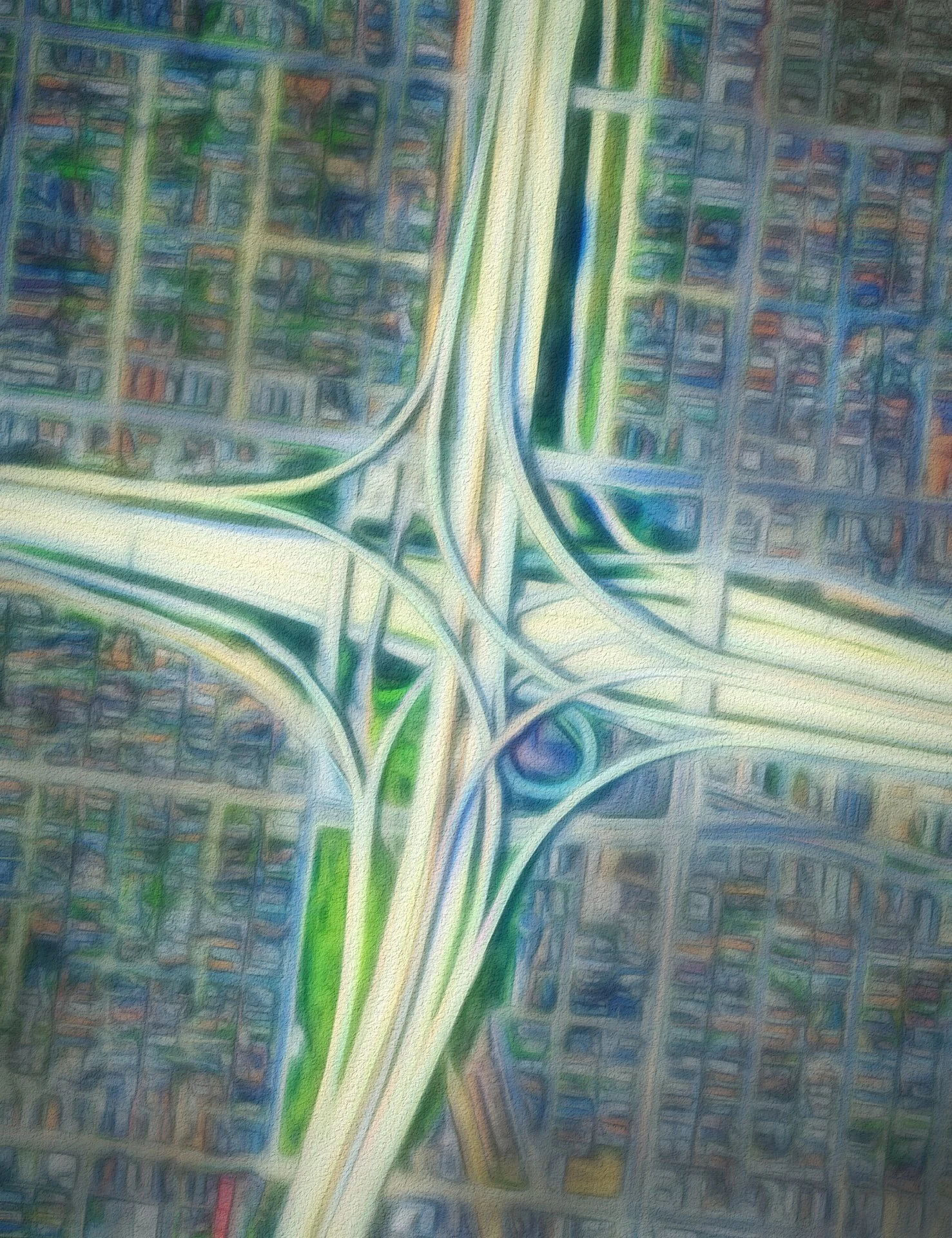
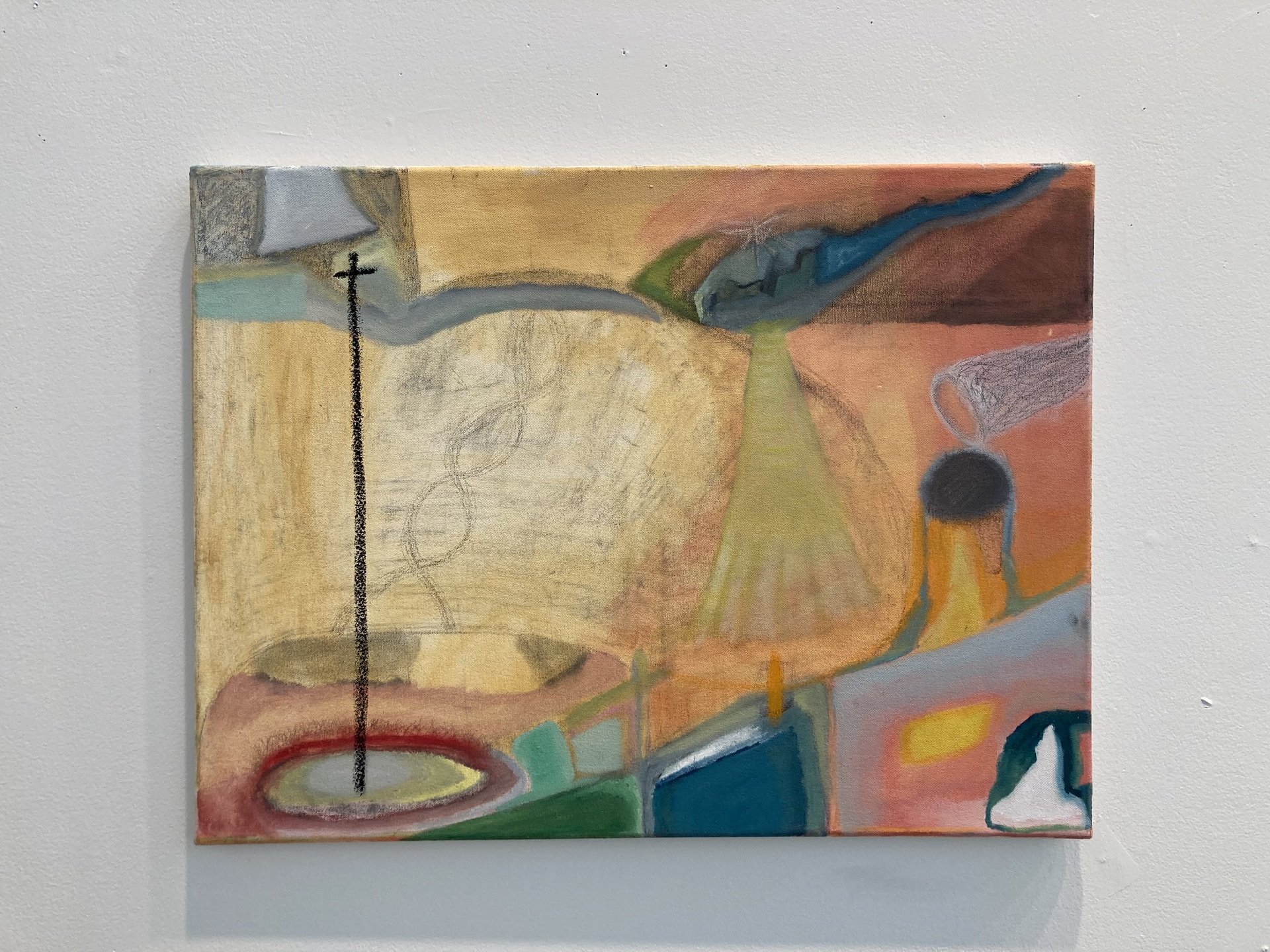
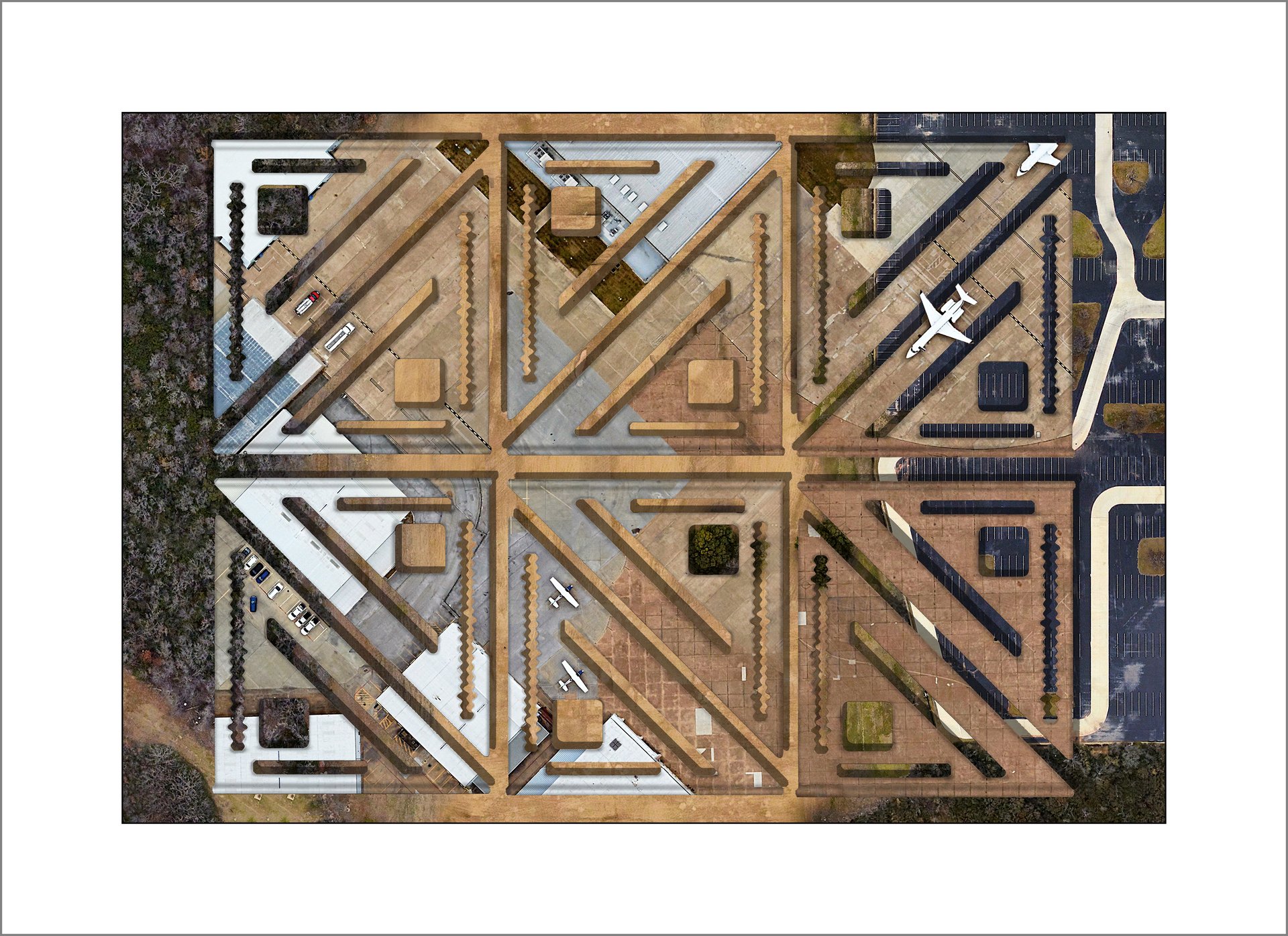
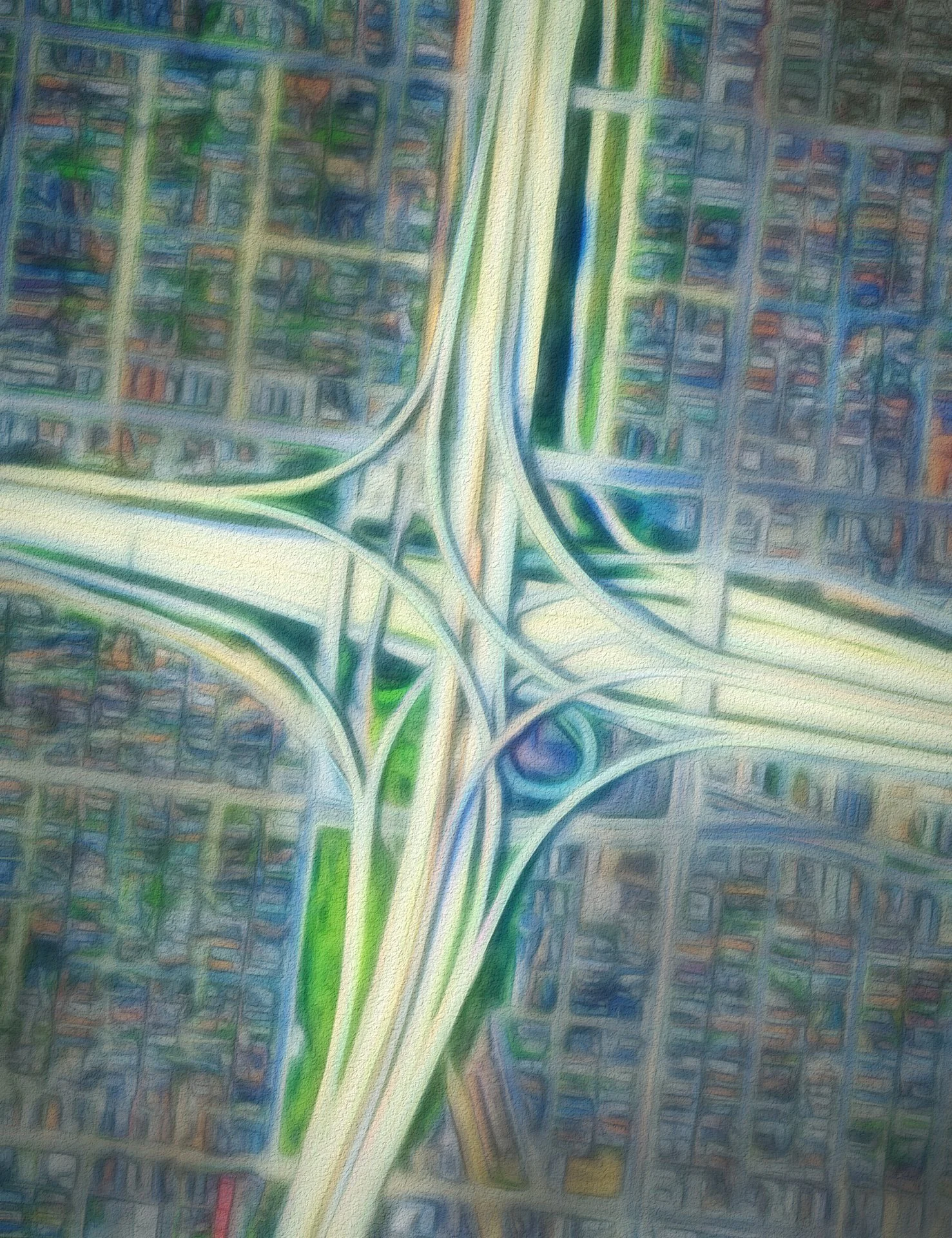
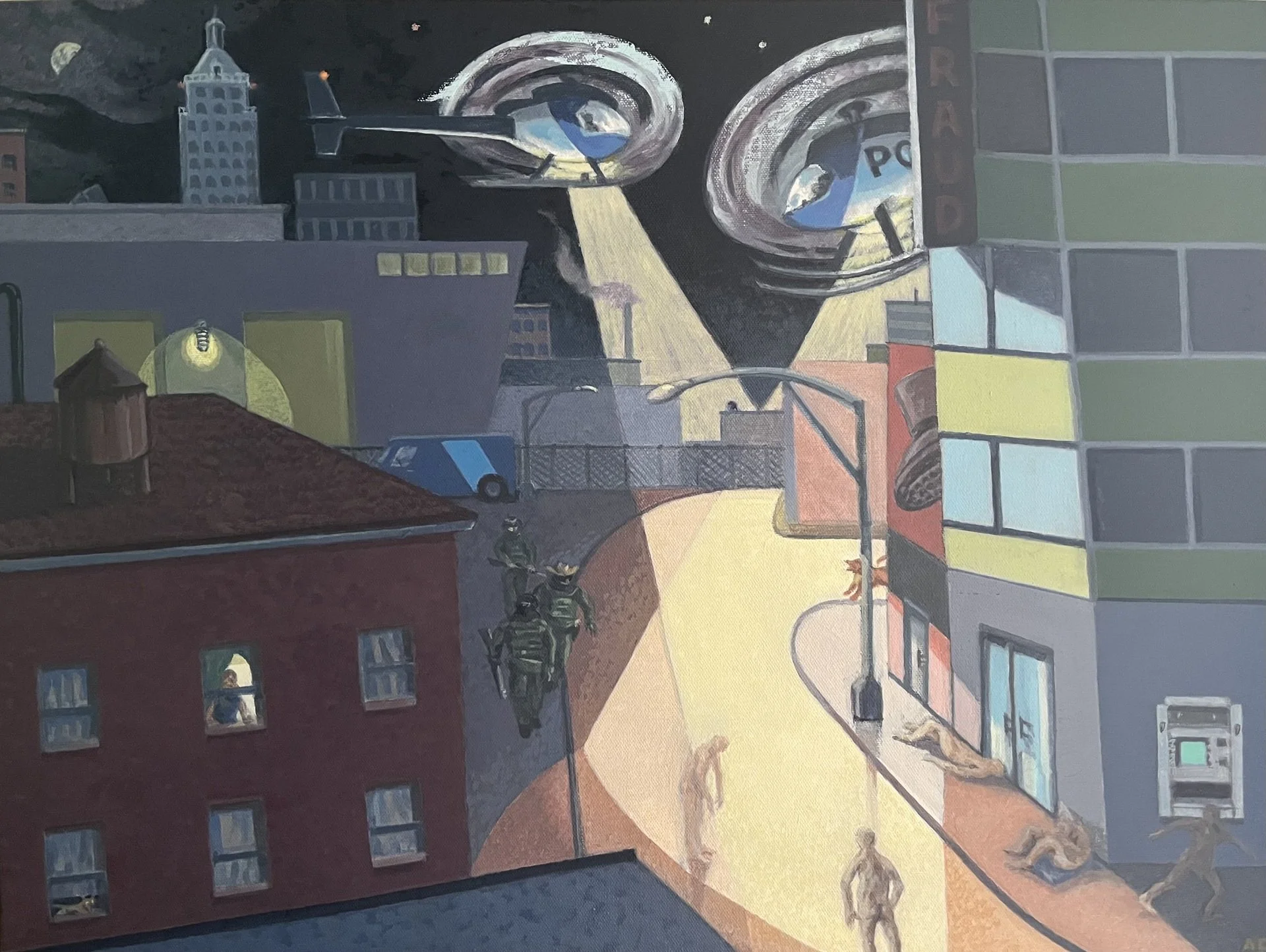
It would make sense to think that landscape art is solely about the place that it depicts. That is what I always assumed. It turns out I was wrong: landscape is about how we relate to the physical world around us. It doesn’t matter where, so much as why or even how. Do I see the world in a series of vignettes, as Janet Stafford does? Or from the impossible angle of a bird like Gerrit Von Ommering and Tom Crawford? How is the landscape of a city impacted by the threatening forces of police presence, as it is in Alex Clark’s painting, which looks like a space invasion, the beams from a police helicopter rendering those below lifeless. Why is it that an abstract painting can sometimes better capture the way a landscape feels than realism? Why depict the world around us at all?
The last question is a bit tongue-in-cheek. Depicting the world around us has been a central obsession of art since its formation on the cave wall. In the many years since, the medium has expanded. Here, we have depictions of the world from every vantage point, medium, imagination, and timeframe. Depictions not of what we see, but what we feel and know of the world outside our door.
About the Juror
Tatum Dooley is a writer, strategist, and the founder of Art Forecast, a communications agency dedicated to raising the visibility of art, design, and culture. Her writing on culture has appeared in Artforum, Architectural Digest, Garage Magazine, The Globe & Mail, The Walrus, Lapham’s Quarterly, The Toronto Star, and Vogue.
Alongside her career as an art writer, Tatum has consulted for leading institutions, galleries, and cultural organizations. She draws on her experience in the art-tech sector, where she developed brand strategies from the ground up, crafting narratives that bridged technology and culture.
She also contributes to her community through board and committee work, including serving on the Curatorial Committee for SNAP in support of the AIDS Committee of Toronto, as Co-Chair of Gallery 44’s annual fundraiser Salon 44 between 2020 and 2022, and as Co-Founder of Canadian Art in Isolation, which has donated more than 300 artworks to residents in long-term care homes.
WALL 1
Rosemary A. Luckett / Dustyn Bork / Gregory Hennen / Elena Loderer / Kristin Malin / James Mullen / Patty Neal / Stan Schnier / Janet Stafford / Loraine Stephanson / Huy Truong / Hanying Xu
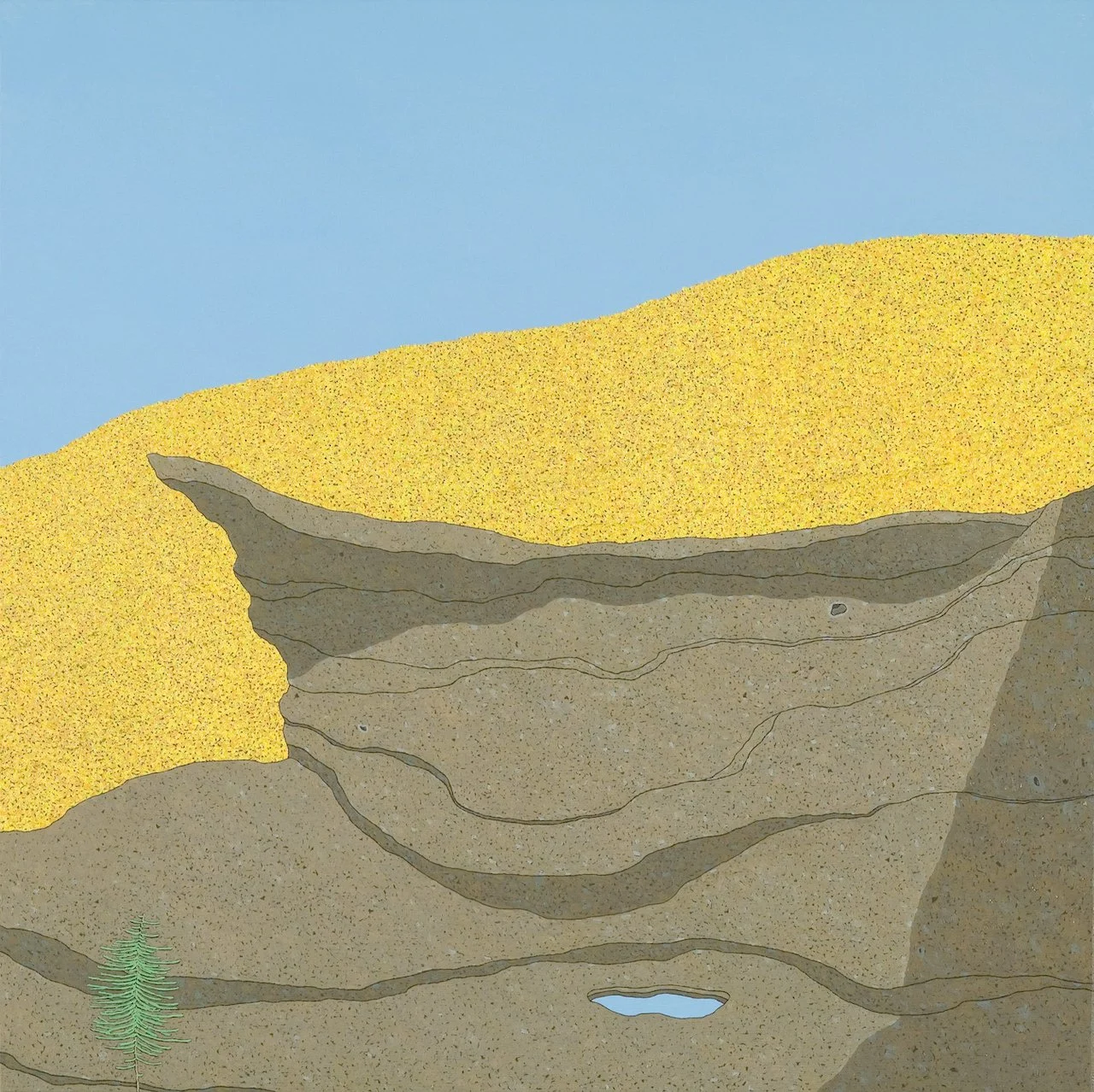
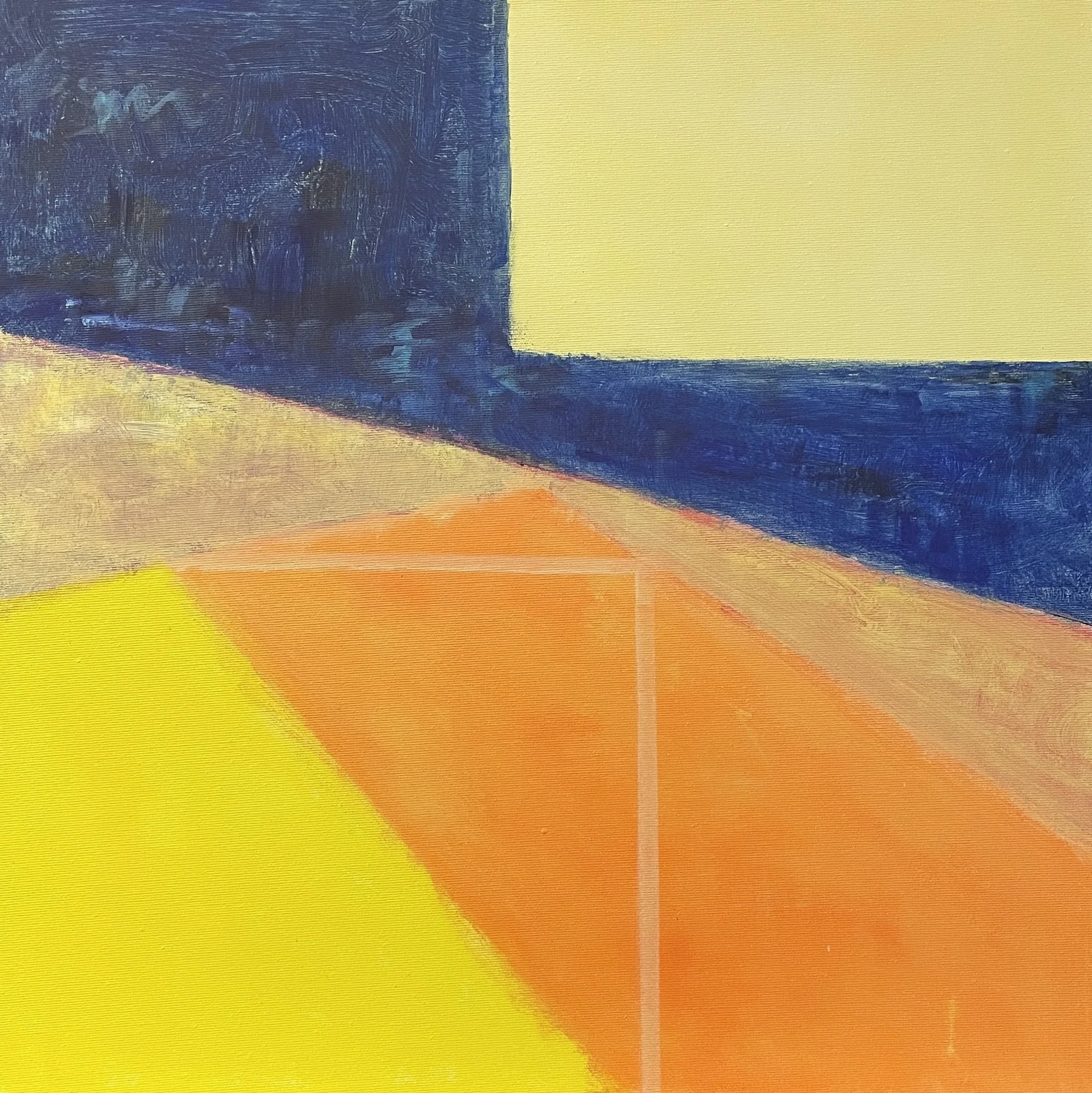
These works encompass all that a landscape can be. A trompe l’oeil, a moment of abstraction, a darkroom photograph. Each work in this series exists with a spectrum: what can be seen and what is unseen; what is known and what remains a mystery. These works transcend physical location, offering insight into a moment in time.
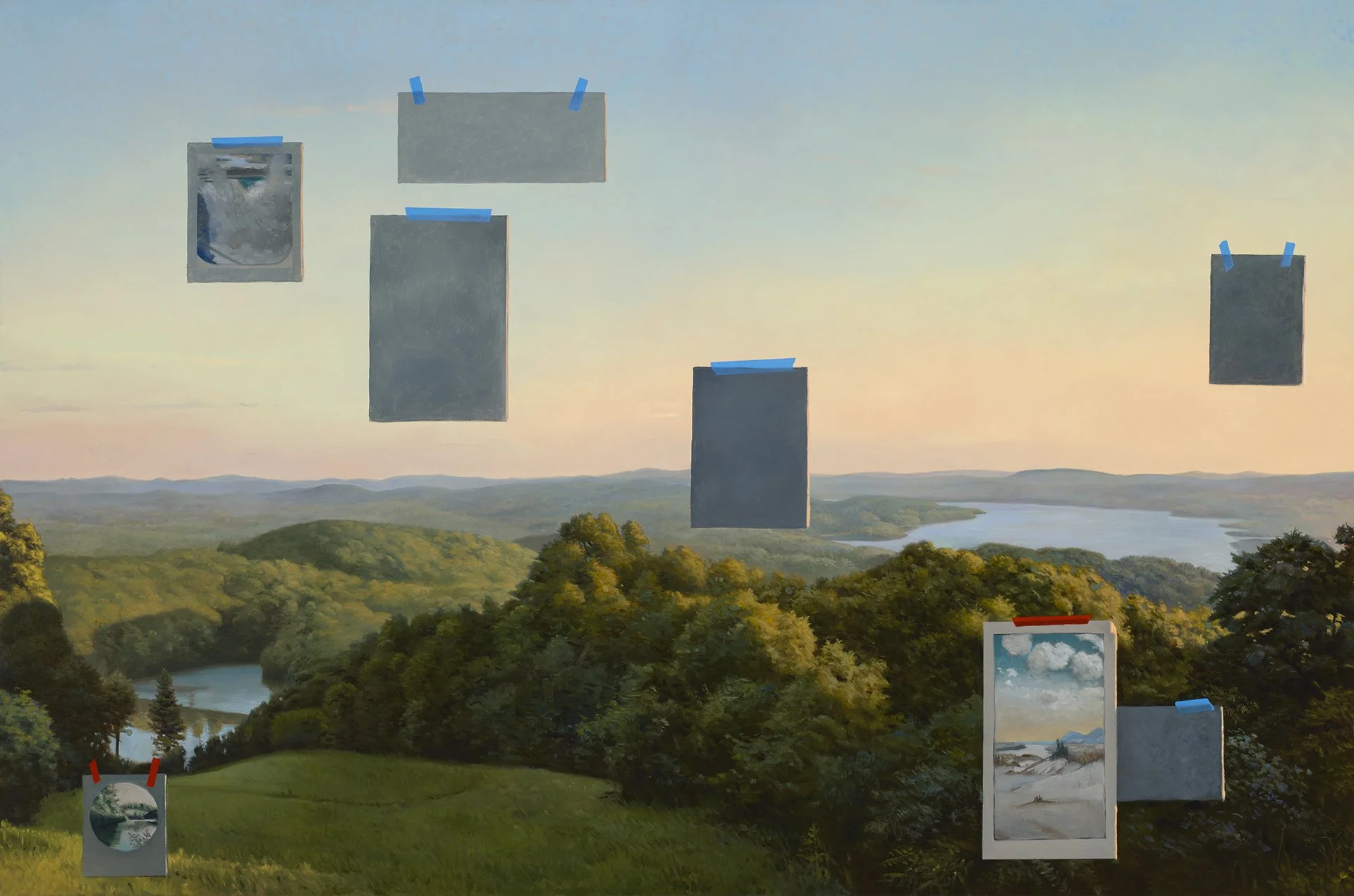
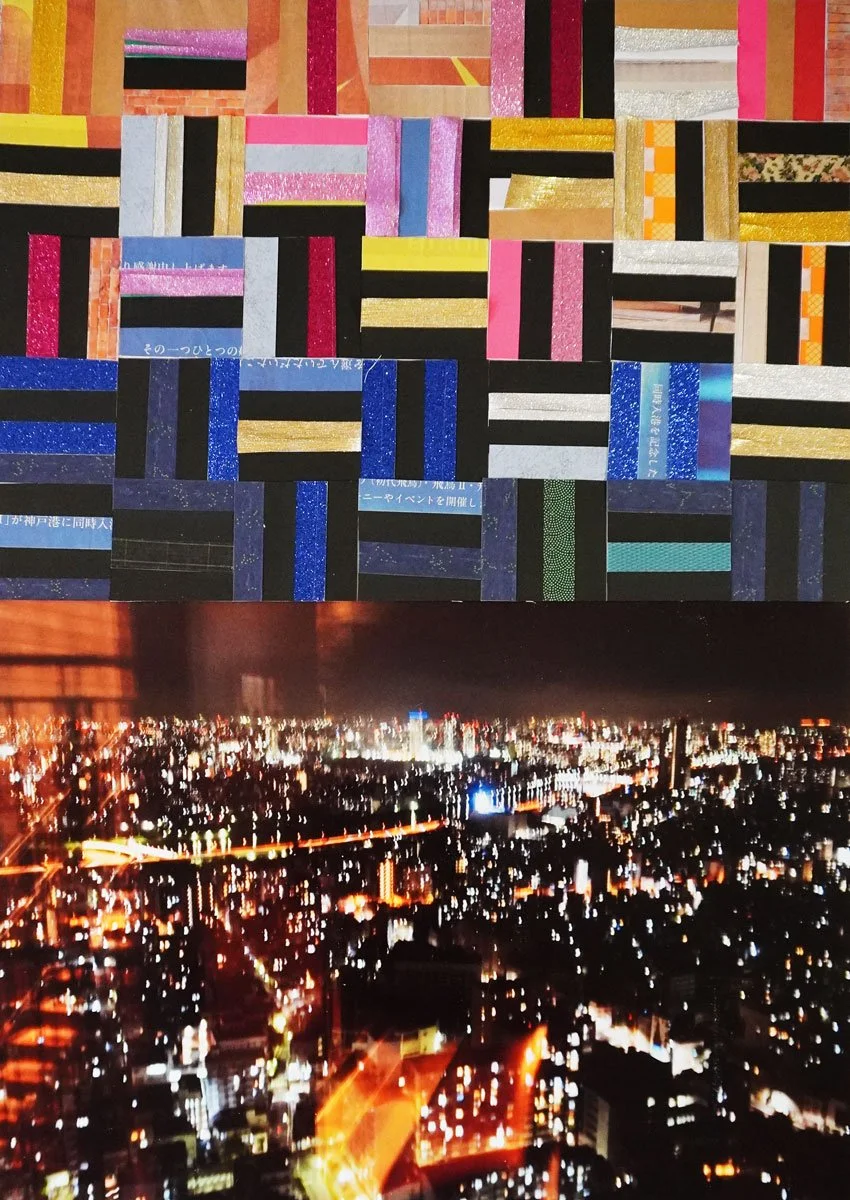
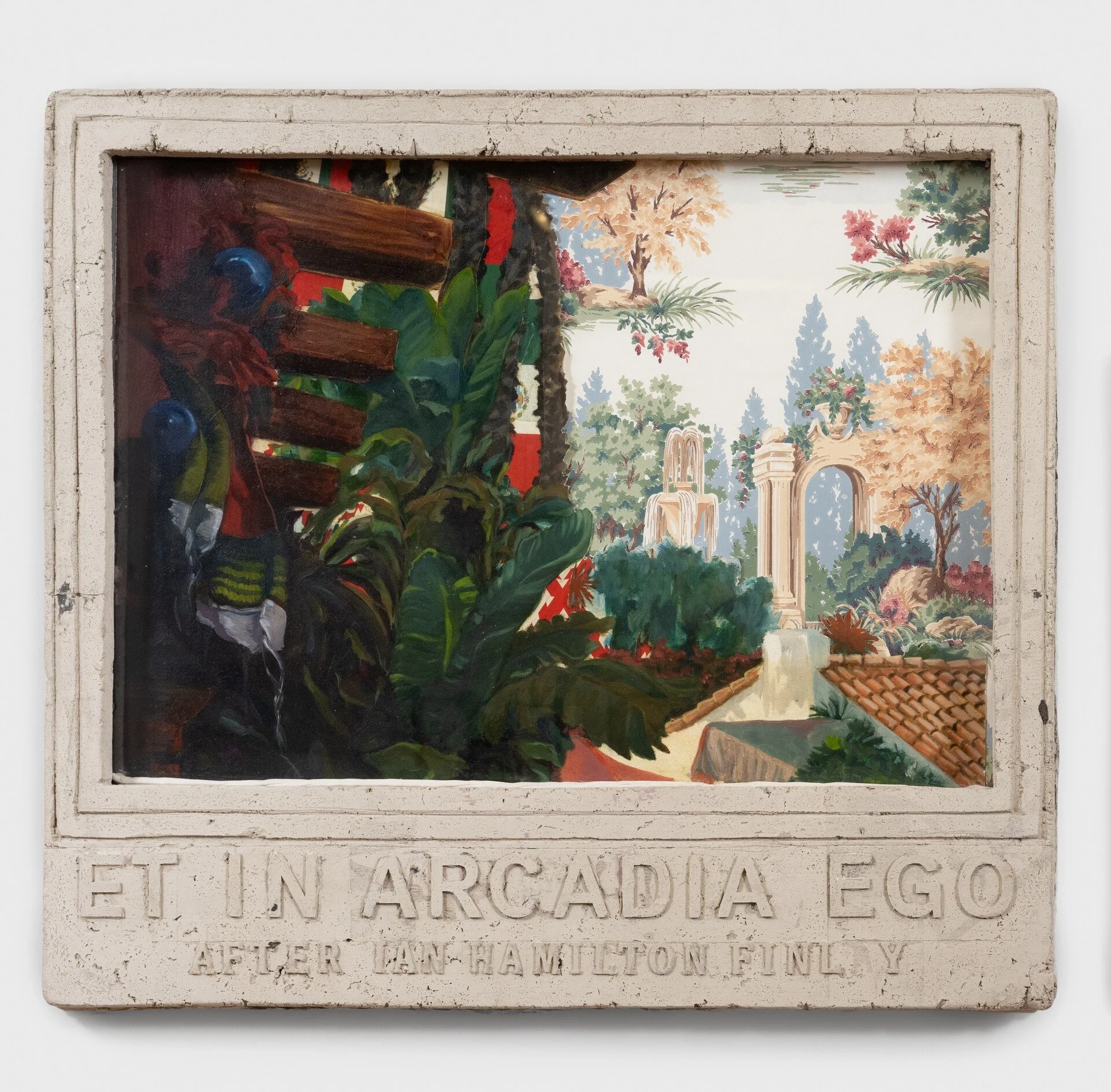
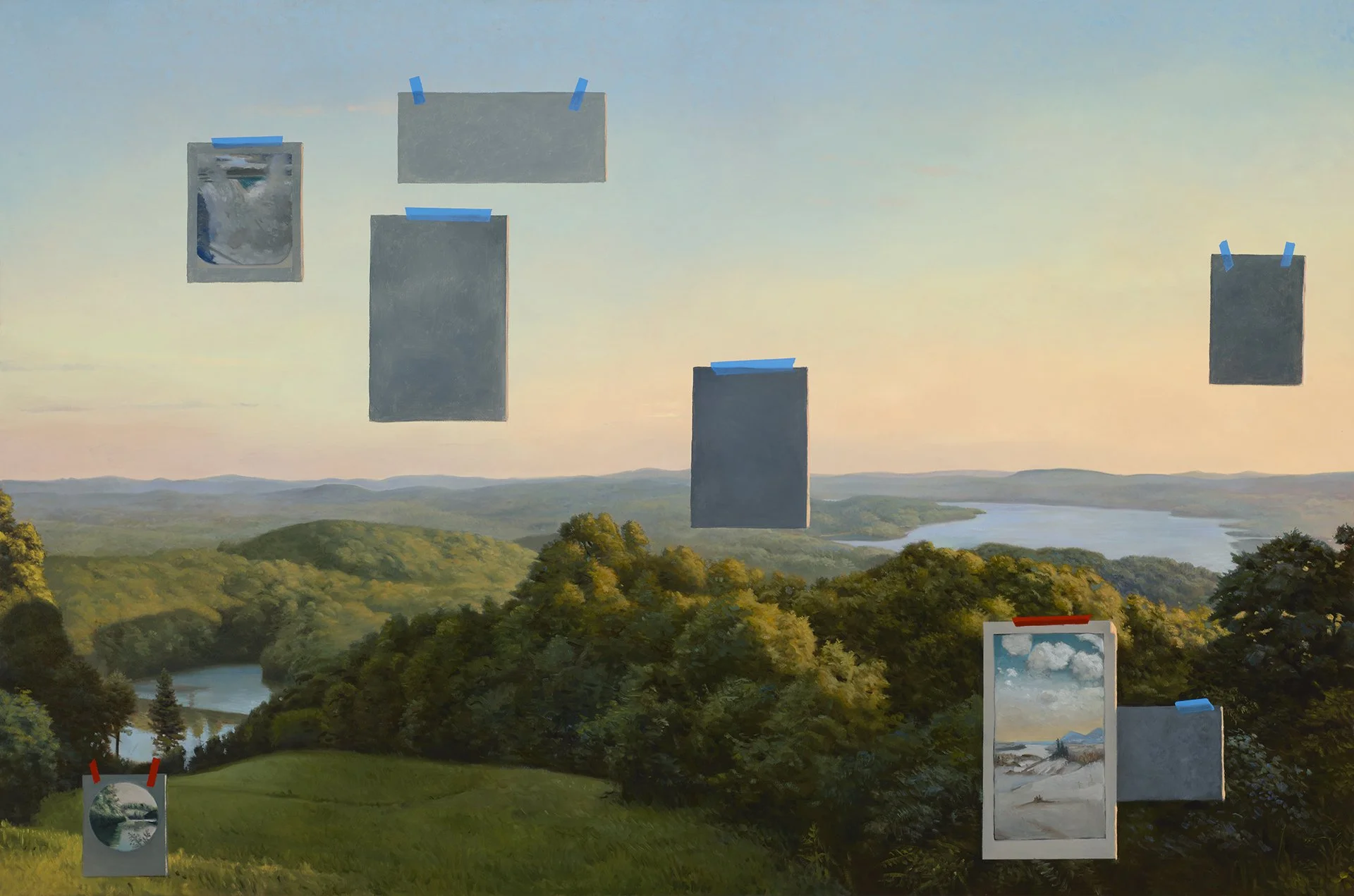
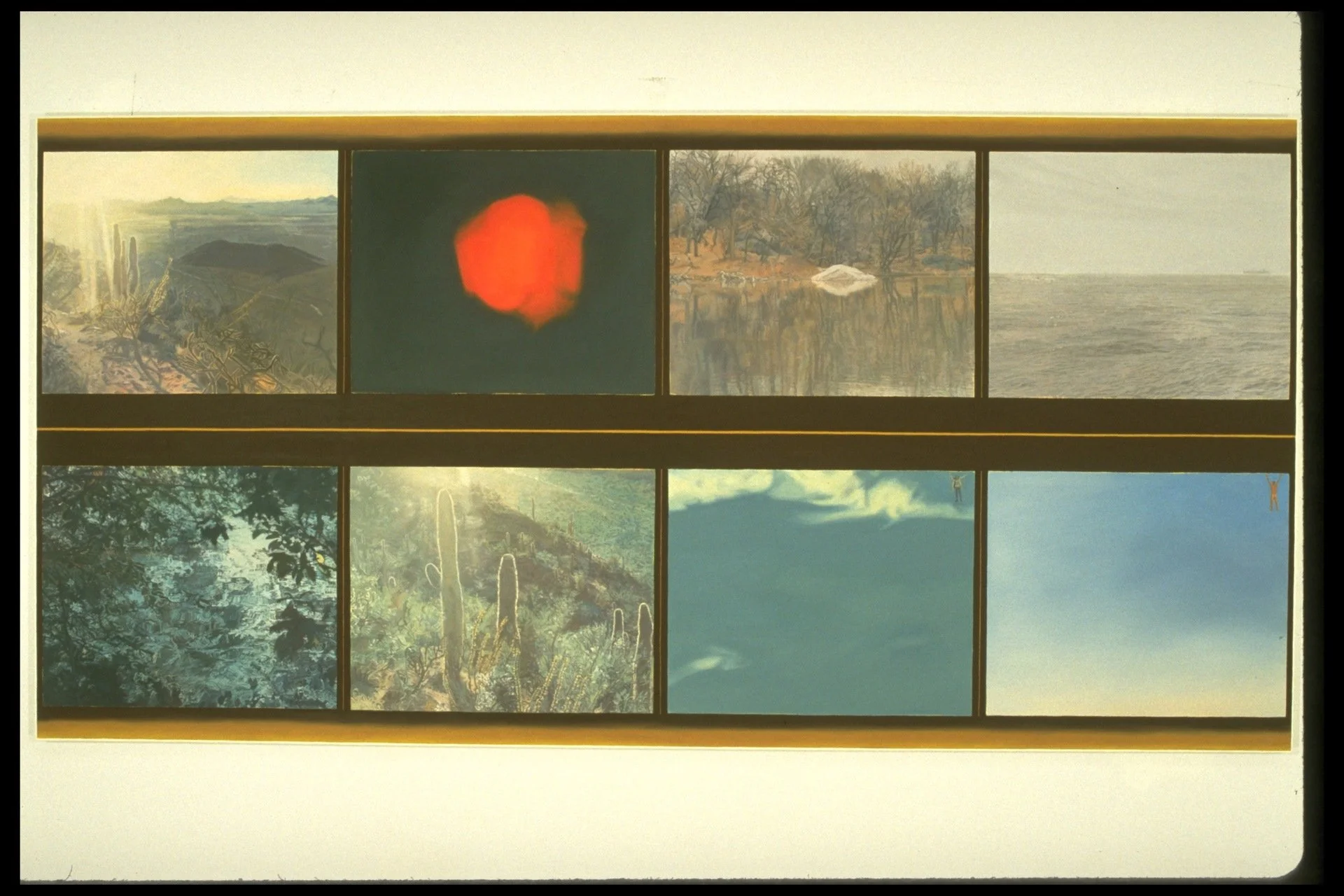
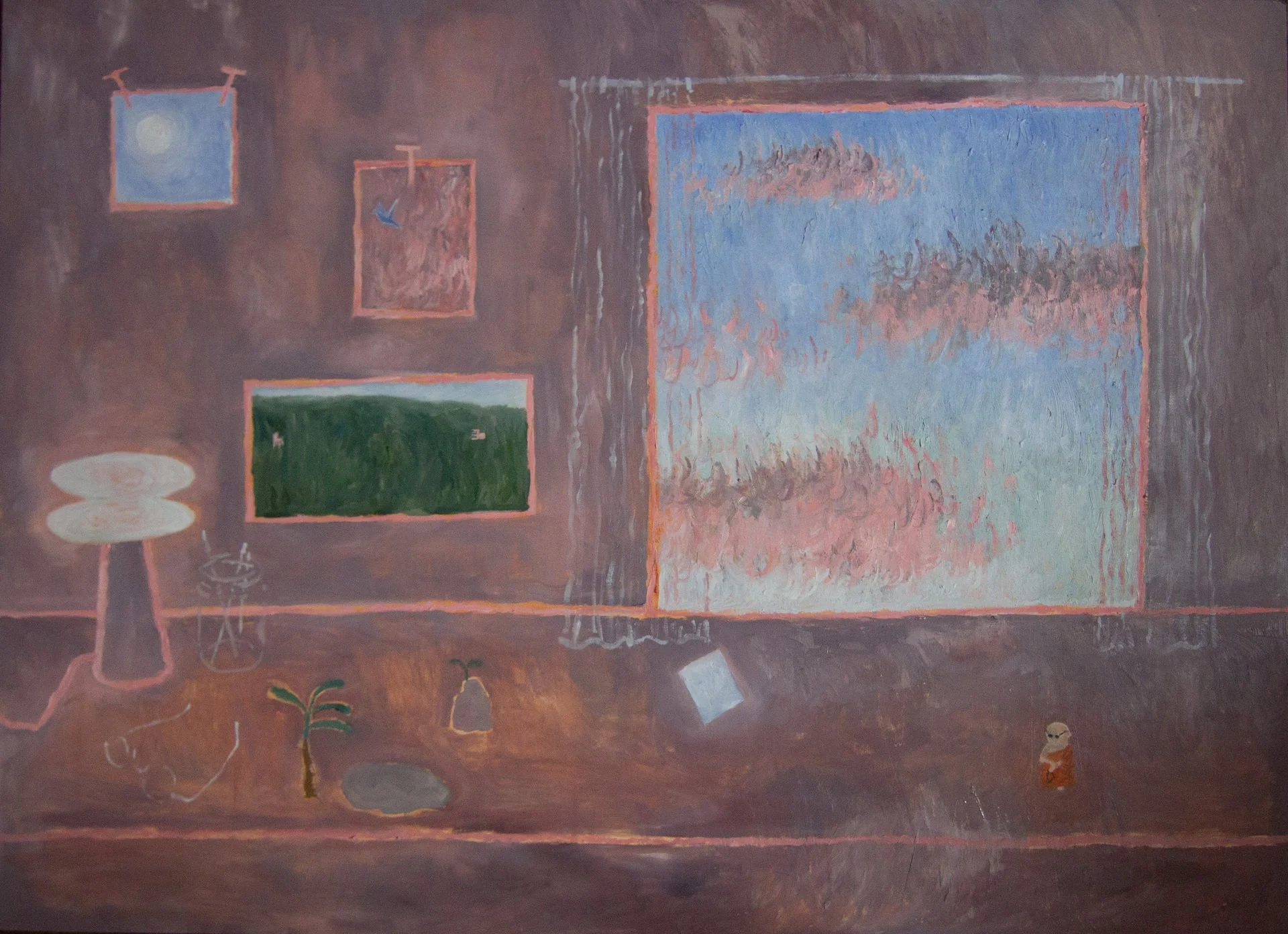
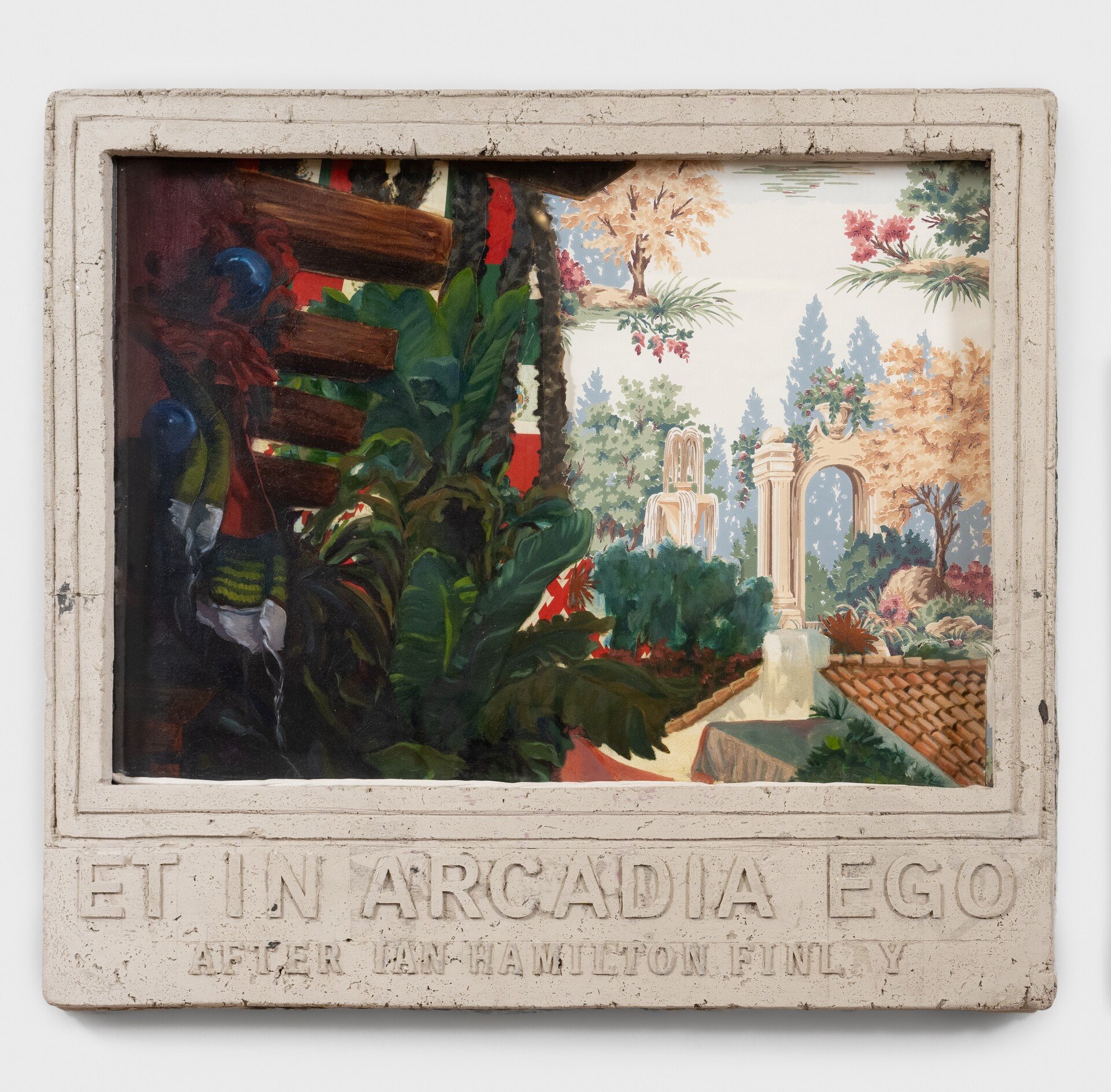
James Mullen creates a trompe-l’œil of photographs and pieces of paper taped over a traditional landscape painting, drawing attention to the painting's various planes. “In this relationship I am compelled by photography's ability to document, witness and construct visual meaning, and painting's ability to reflect an accretion of experiences, time, and the human touch,” writes Mullen. This visual representation shows the way a landscape can be accumulated through layers of making and looking
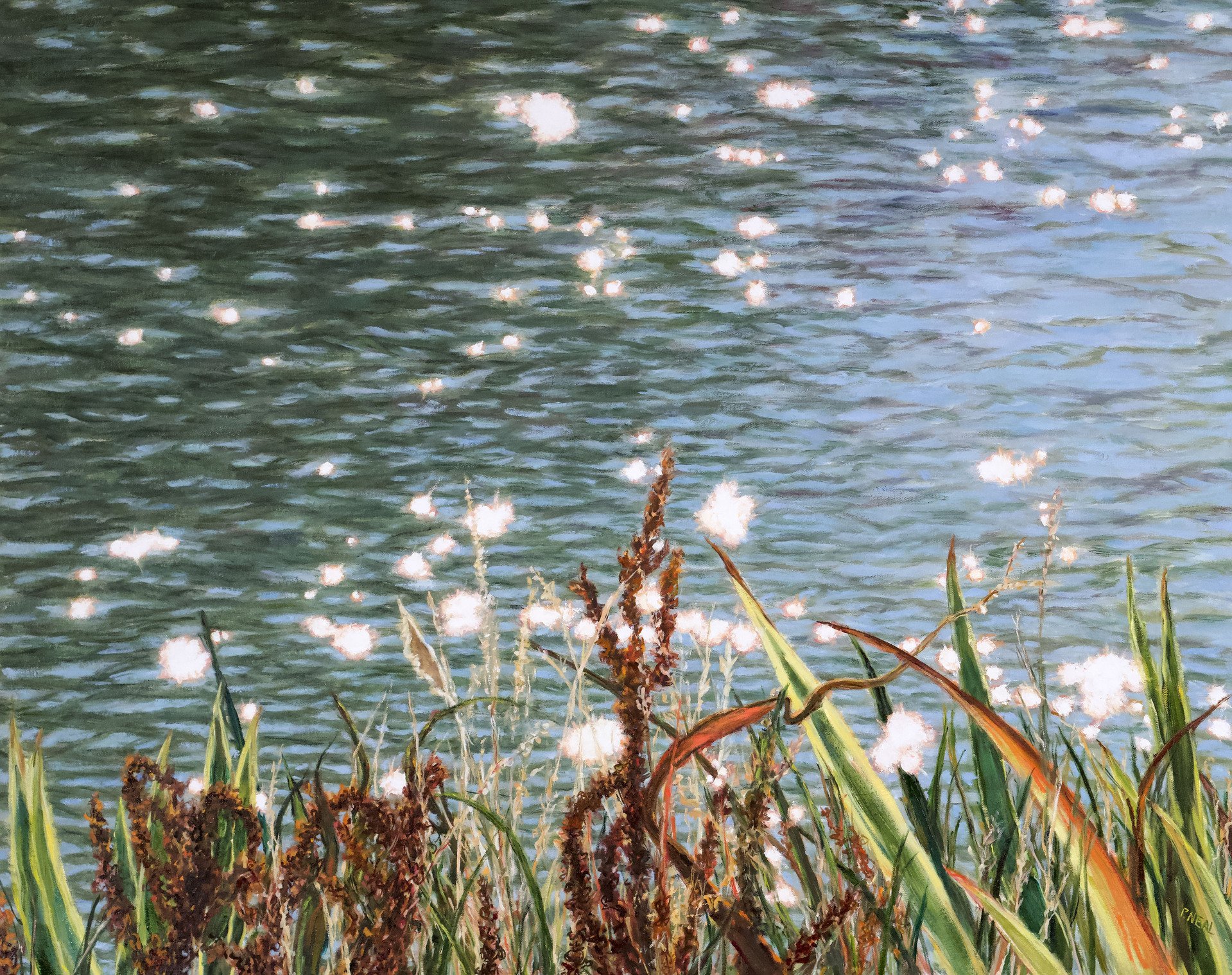
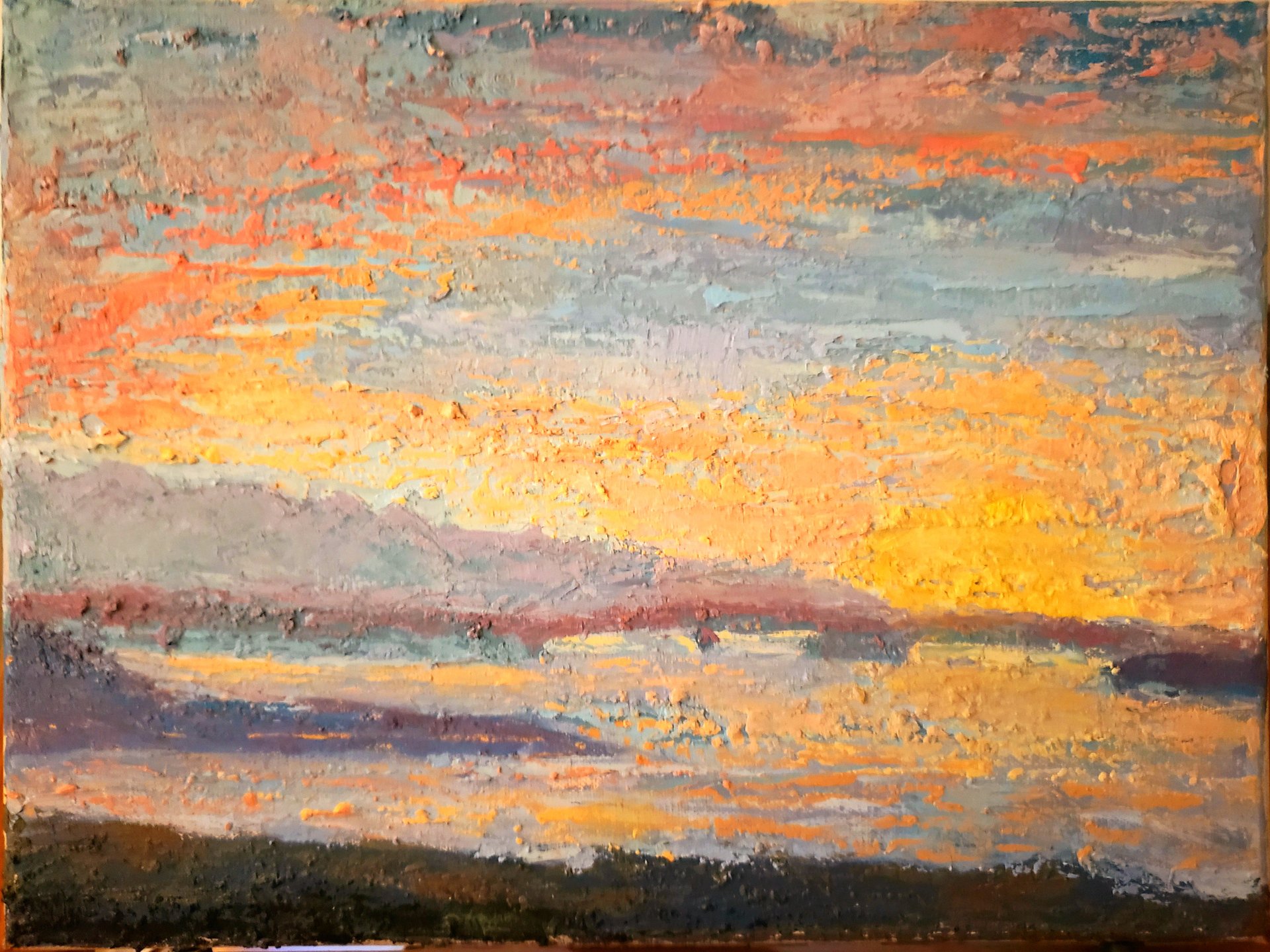
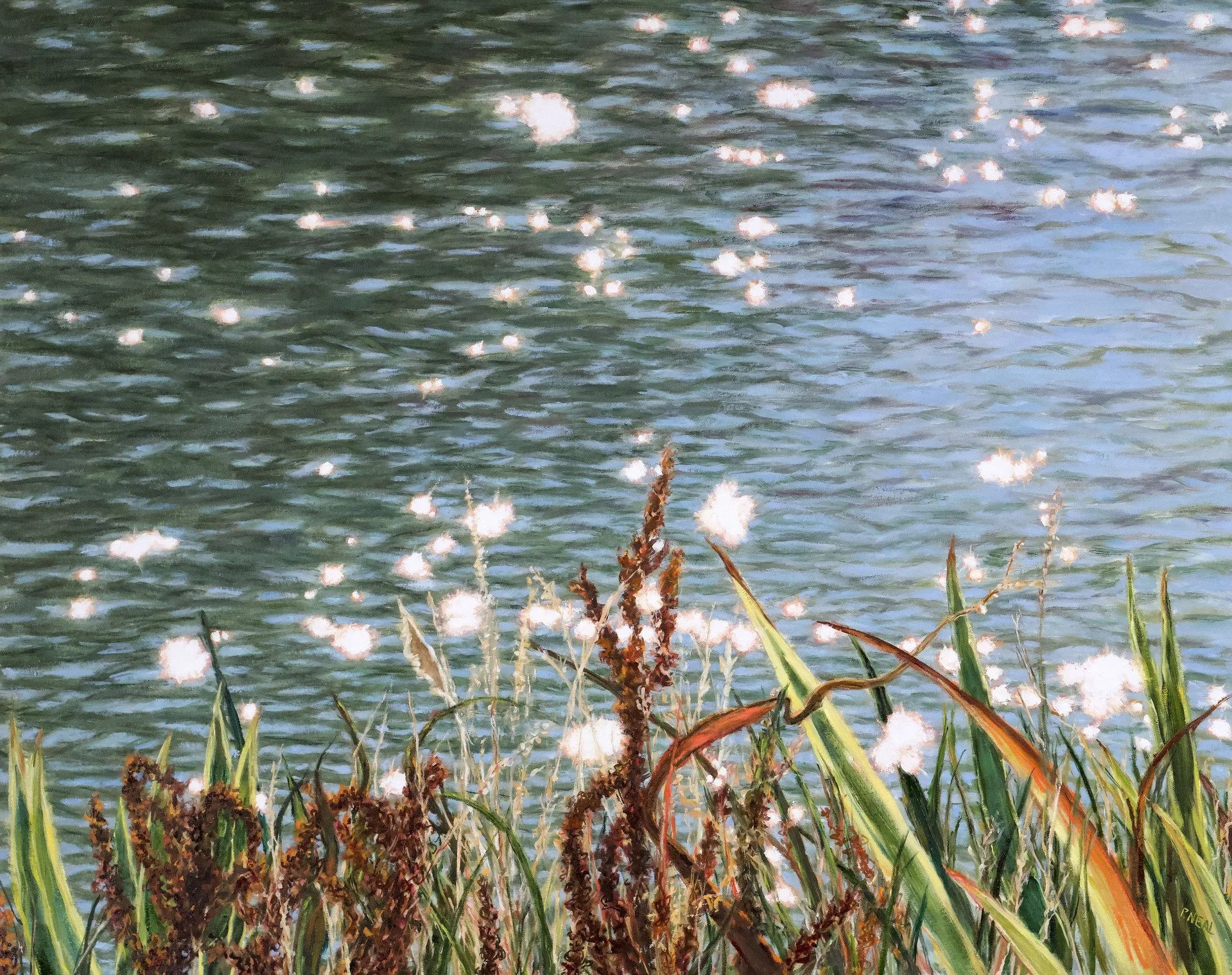
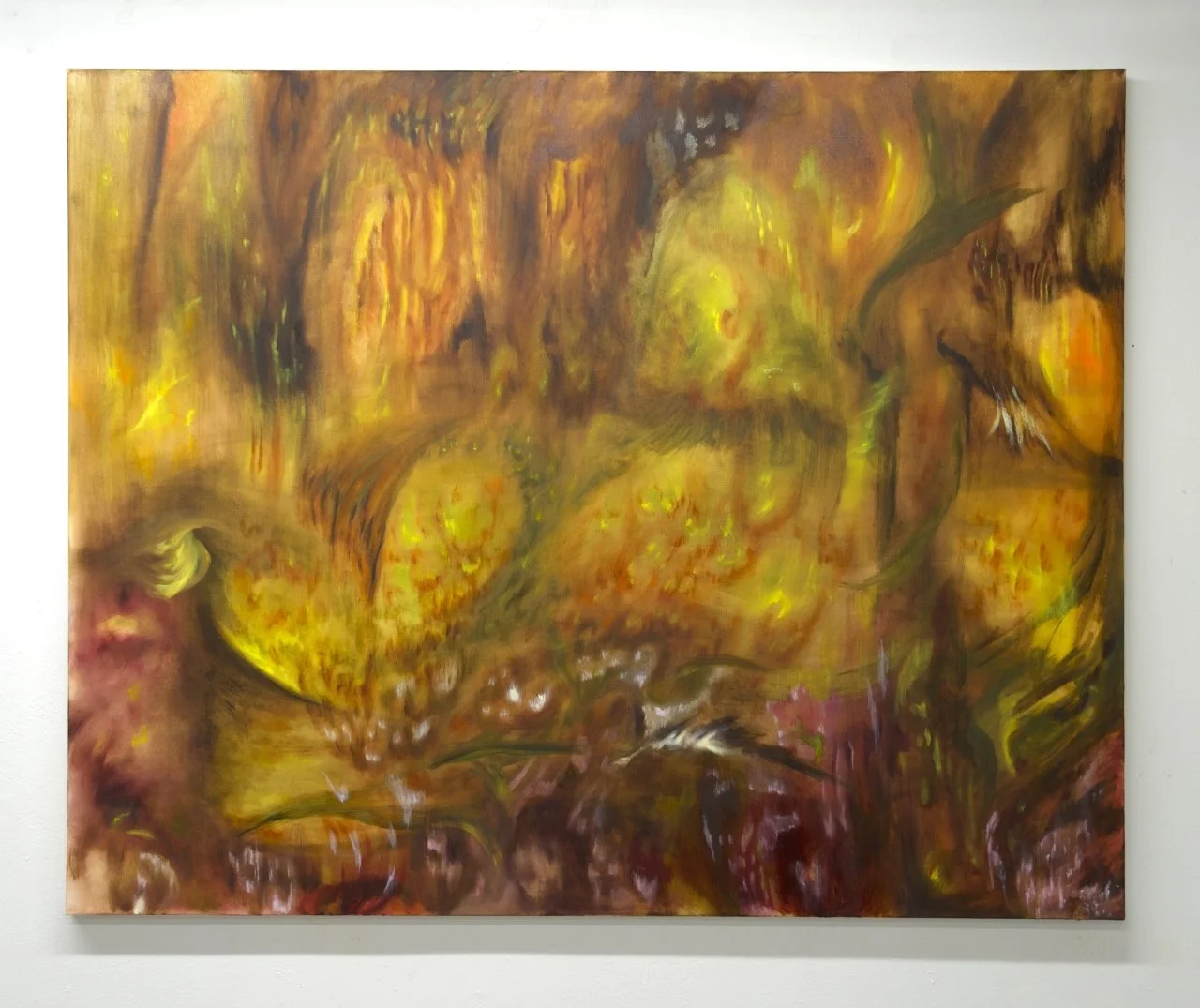
Speaking of photographs: Seen as a small tile on my screen, I was convinced that Patty Neal’s work was one— I kept returning to it because of the quality of the light. It wasn’t until I really looked that I realized my mistake: this is an oil painting. Despite knowing better, my brain kept looking at it as if it were a photograph. This perhaps has something to do with Neal’s source material: her own photography, which she often collages into a final composition.
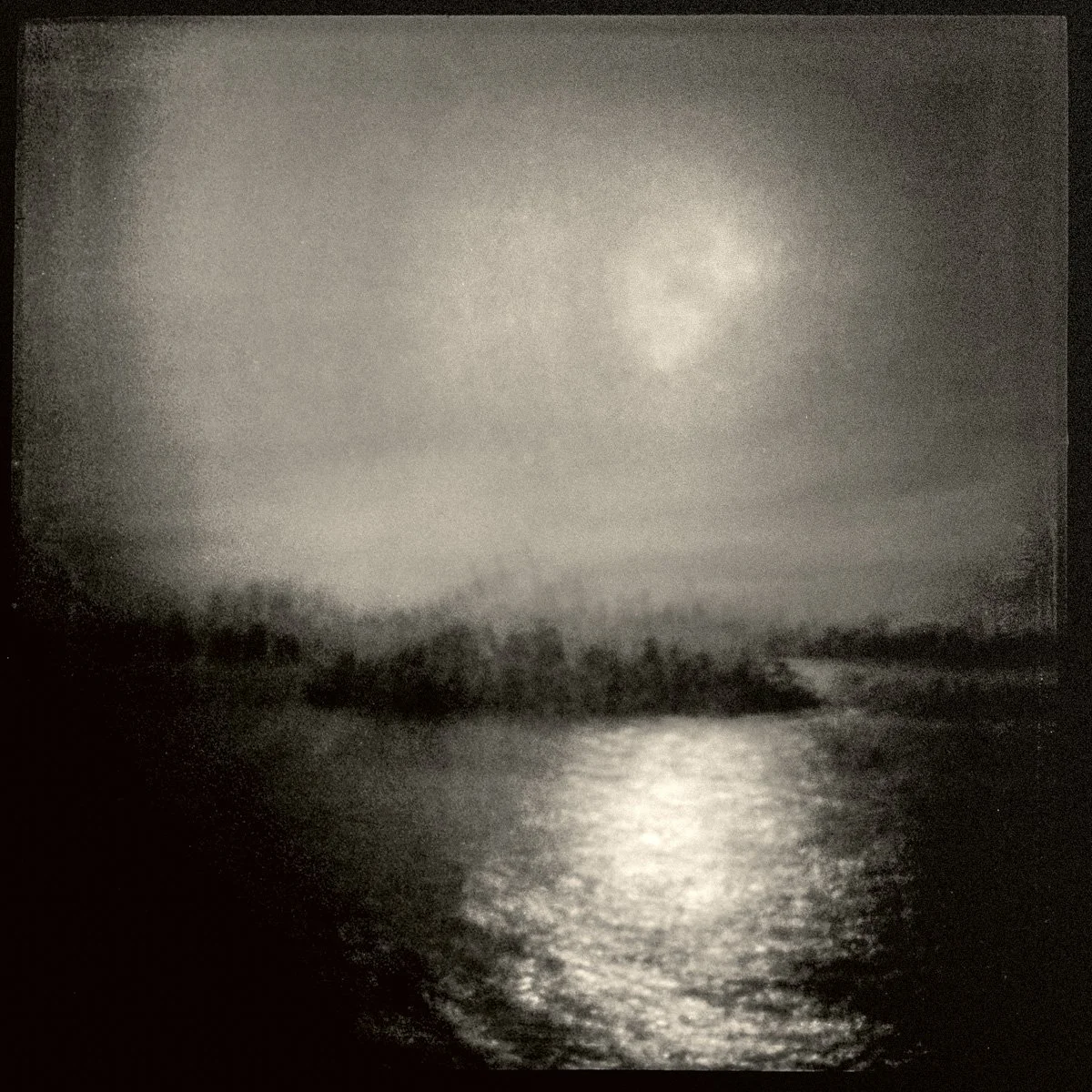
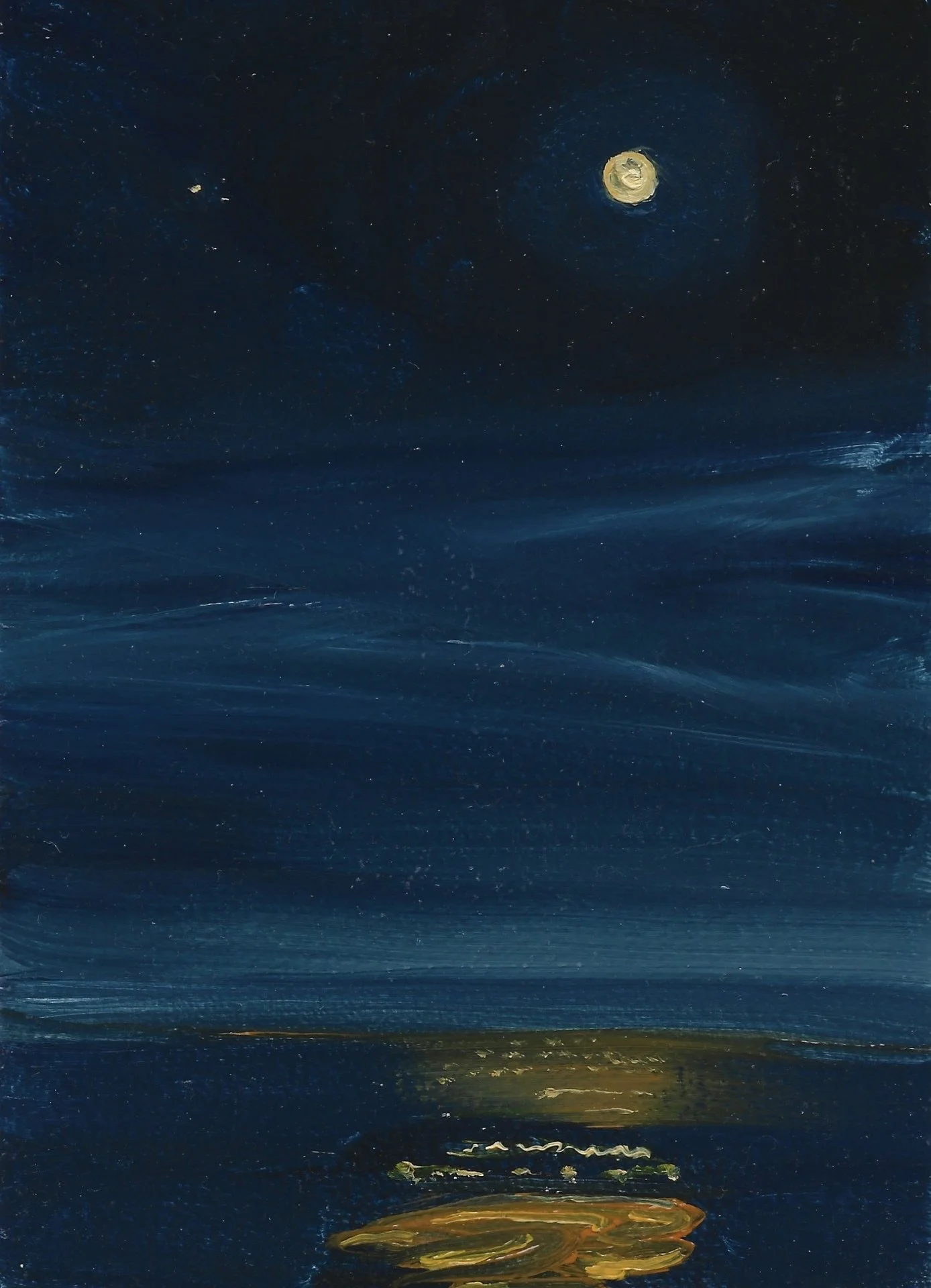
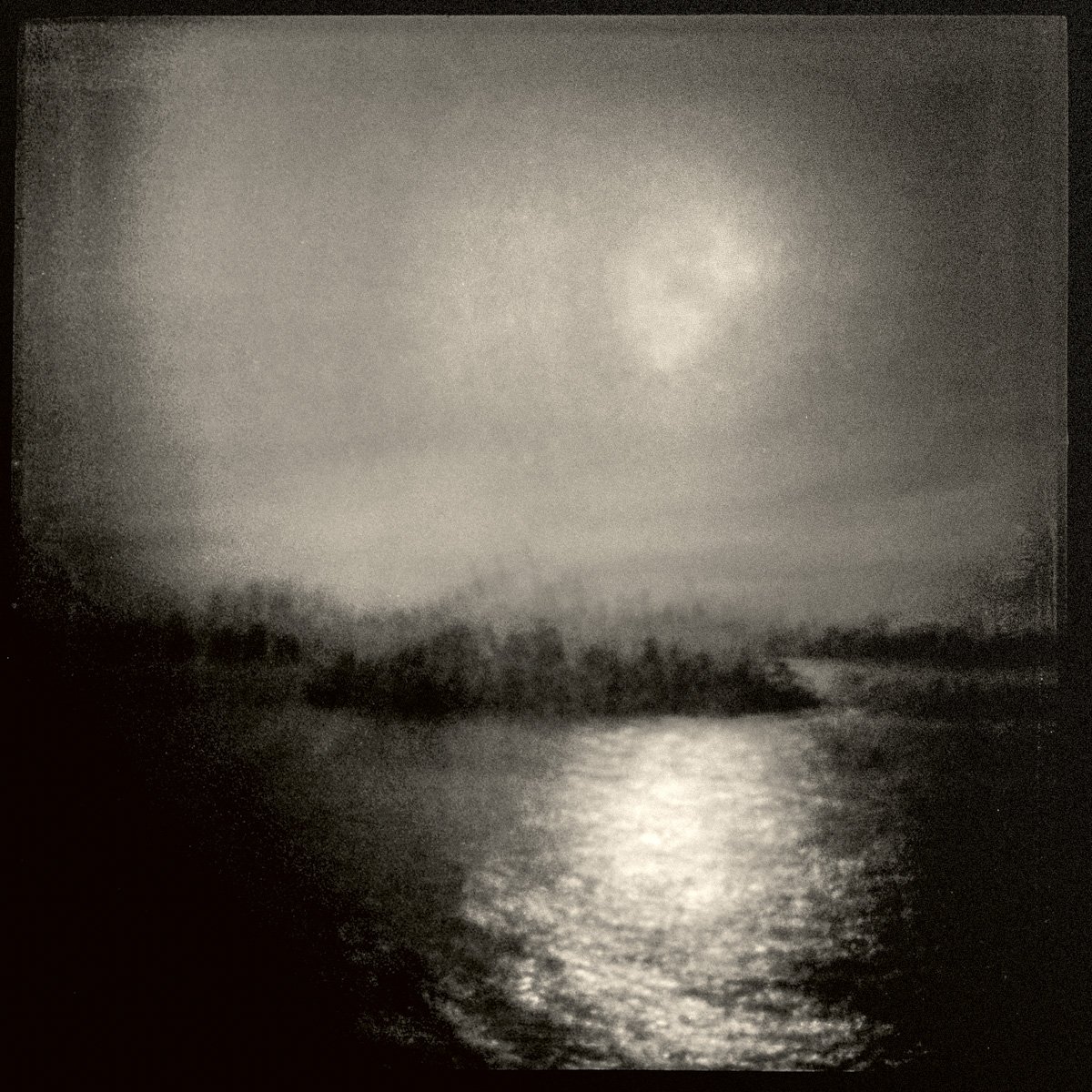
I don’t mean to suggest that a work’s worth is elevated by being a painting rather than a photograph. Photographs have their own merit, as seen in Stan Schnier’s dreamy photograph that reaches back into the past. “I was thinking about what the harbor looked like in the late 1800's when many of my ancestors arrived in the harbor and what it might have looked like, assuming it was not necessarily all bright and sunny and warm like in the movies,” writes Schnier.
WALL 2
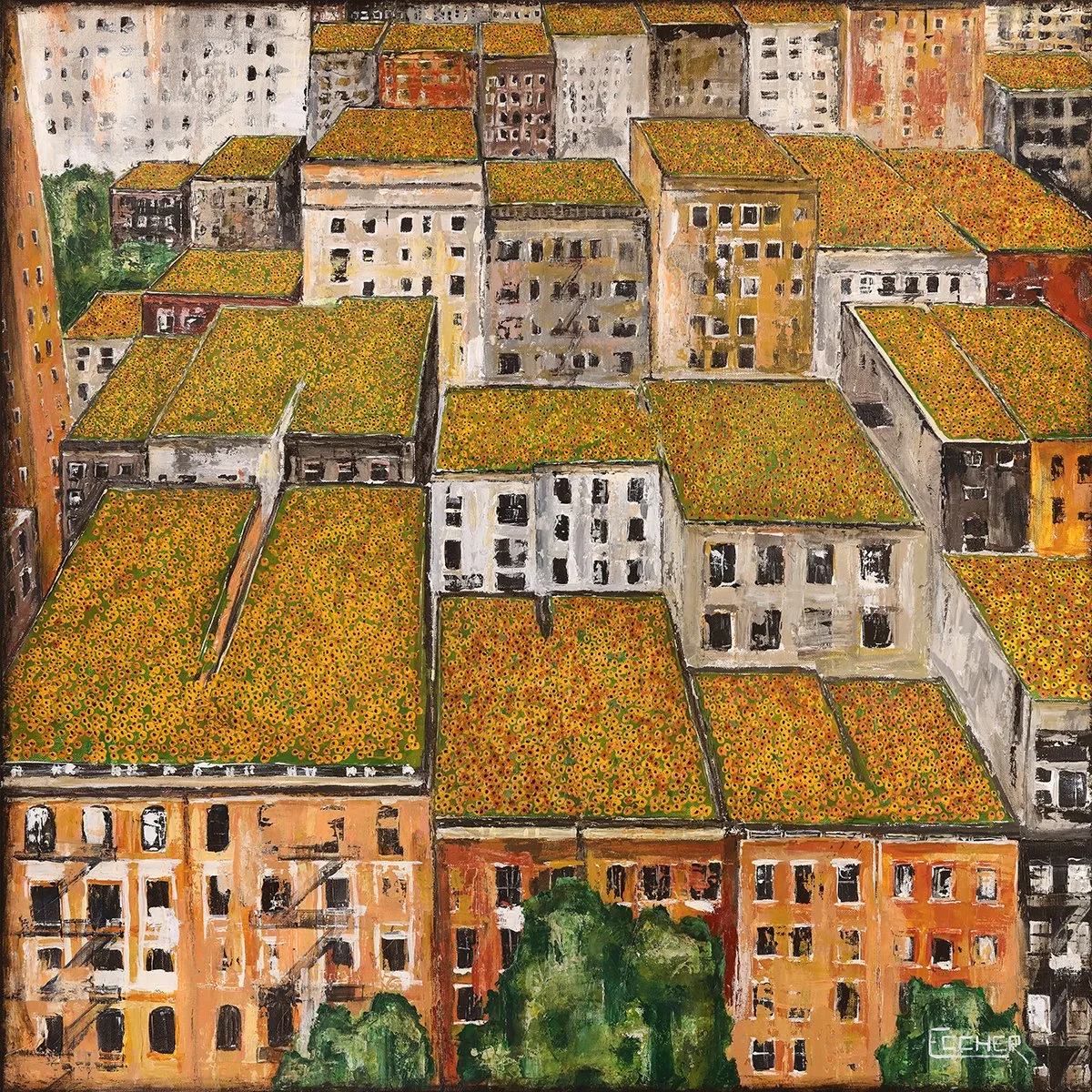
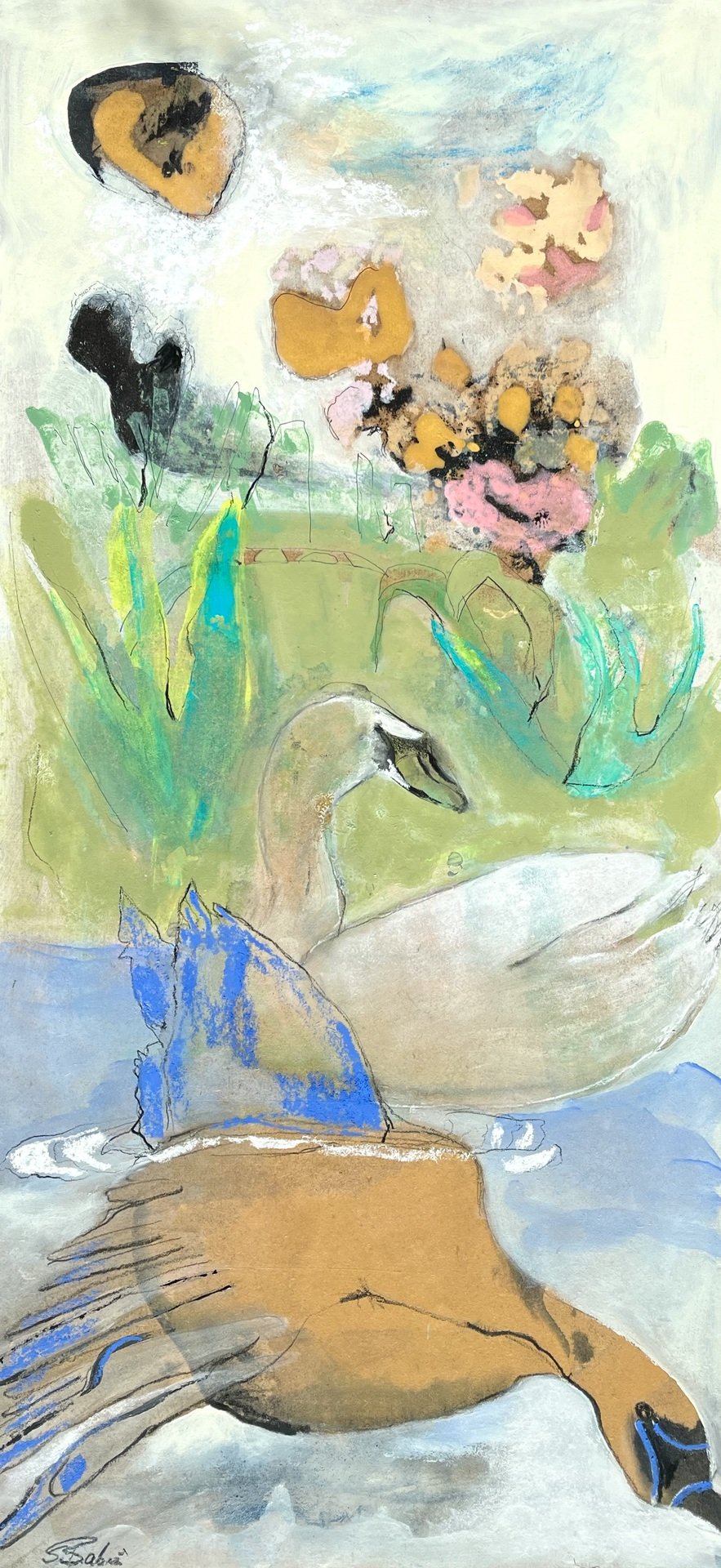
Susanne Babies / Stephen Barton / Julia Berkman / Cassandra Chalfant / Tom Crawford / Gerrit van Ommering / Yidong Ding / Clint Eccher / Steven Epstein / Julie Griffin / Julia Kohane / Alison Kruse / Katherine Nagel / Shane Neufeld / Xinyi Cindy Zhang
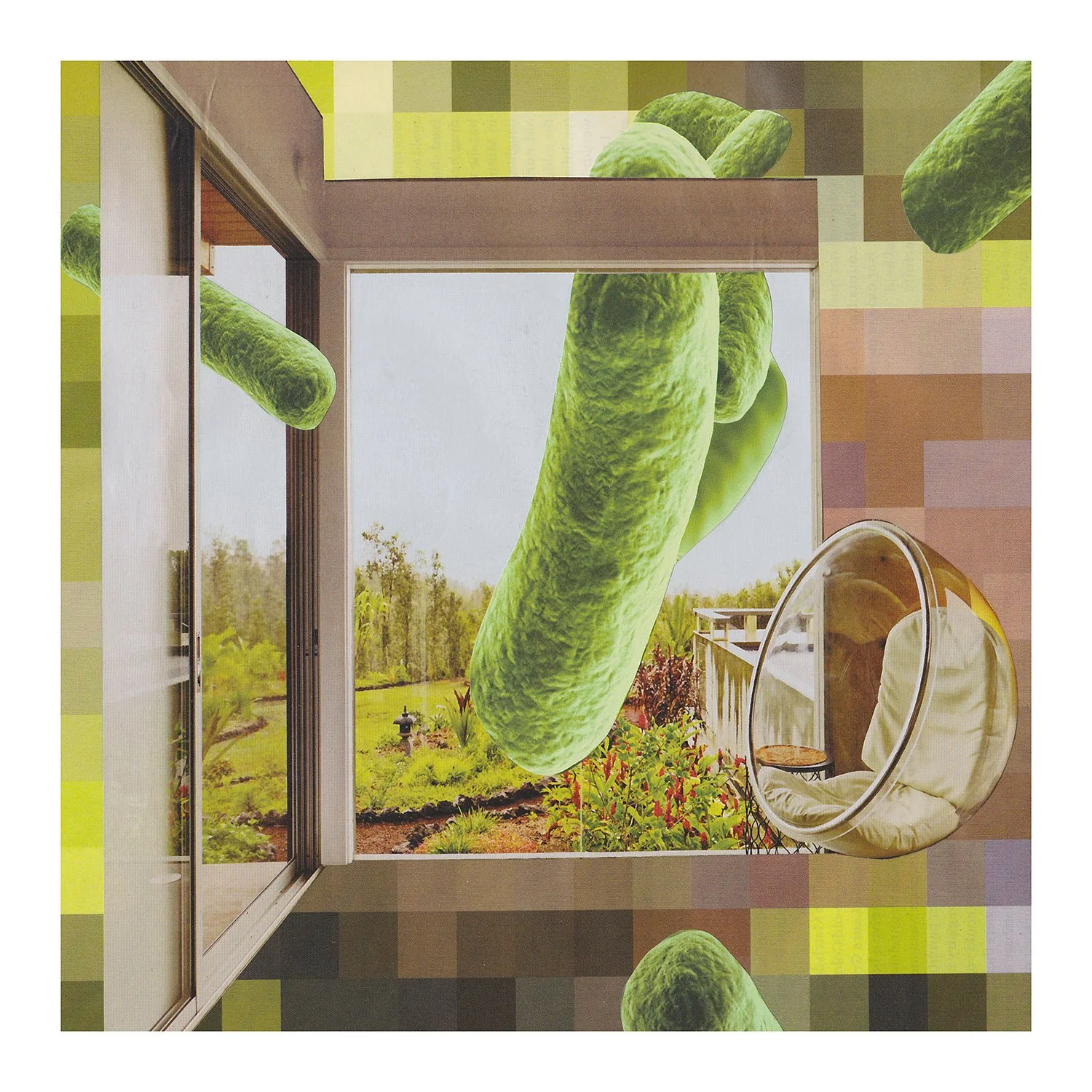
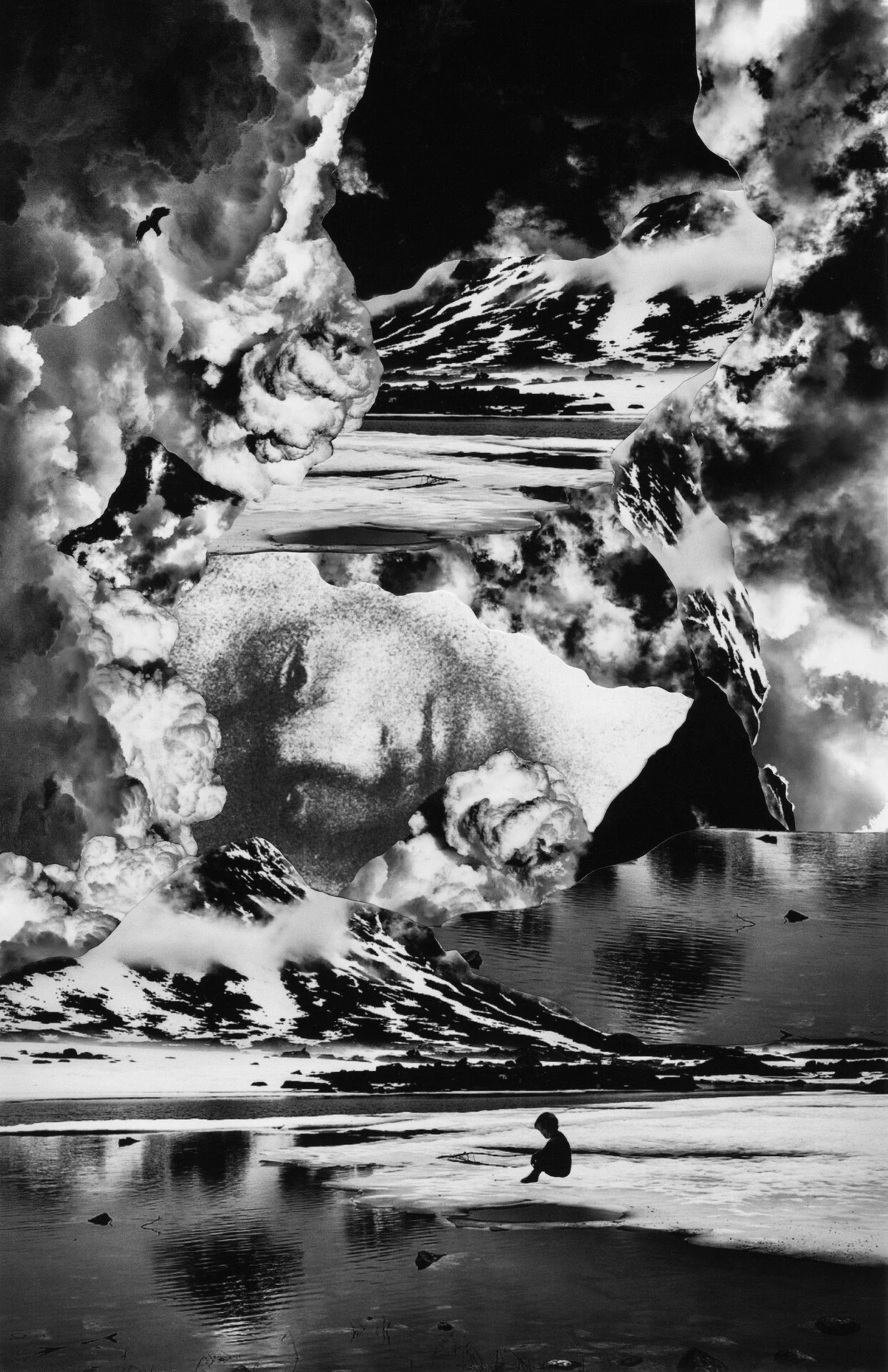
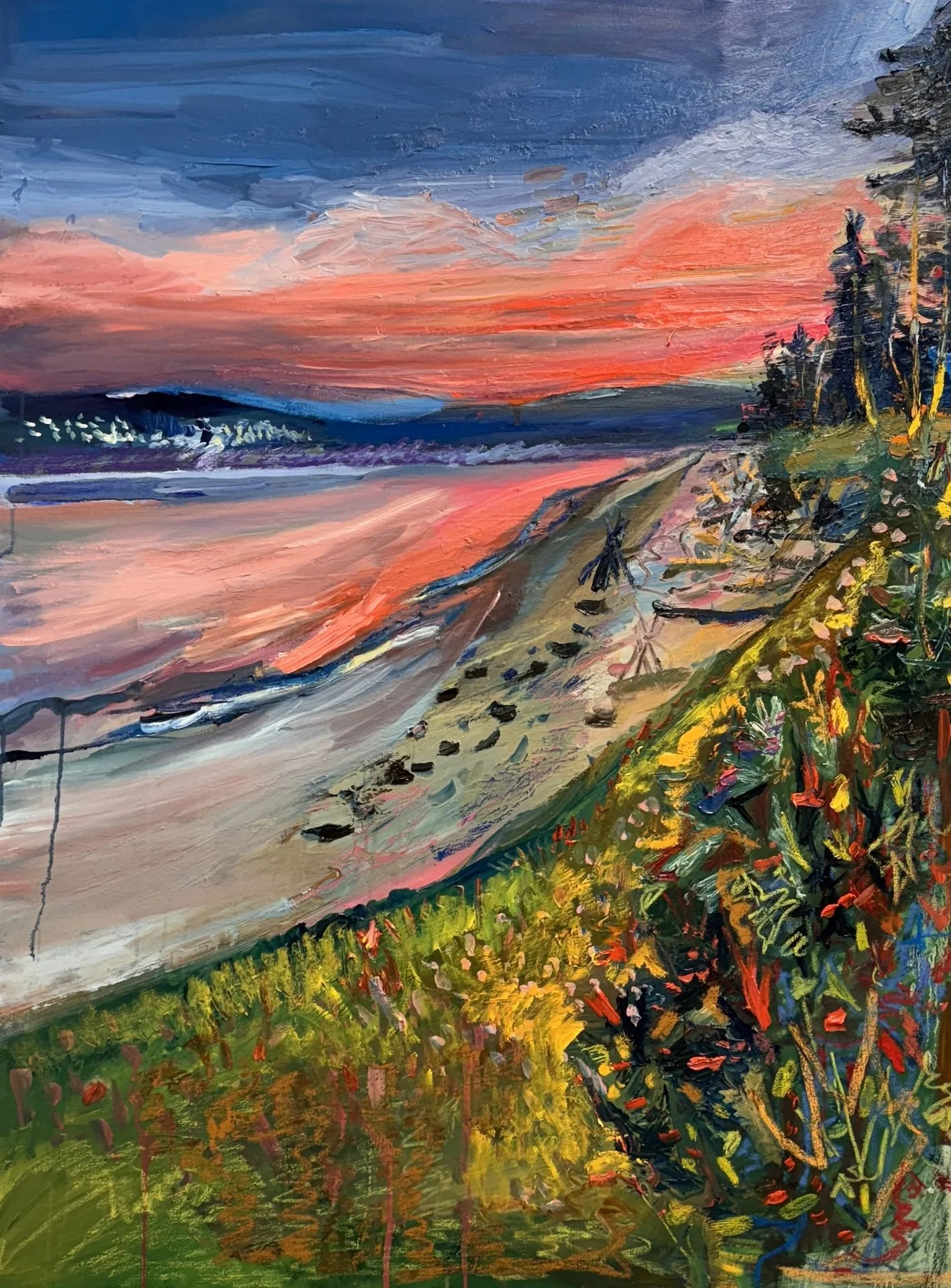
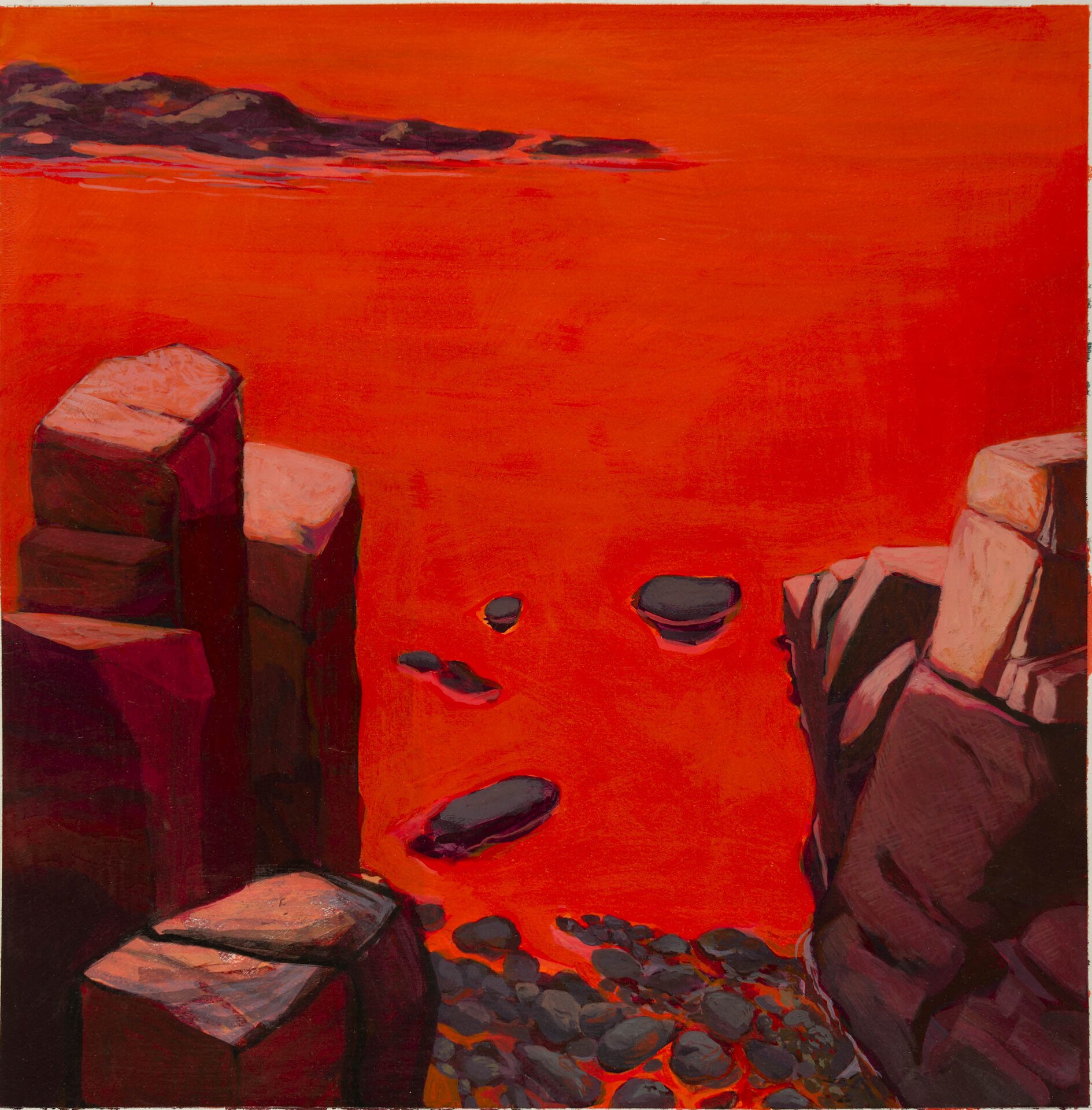
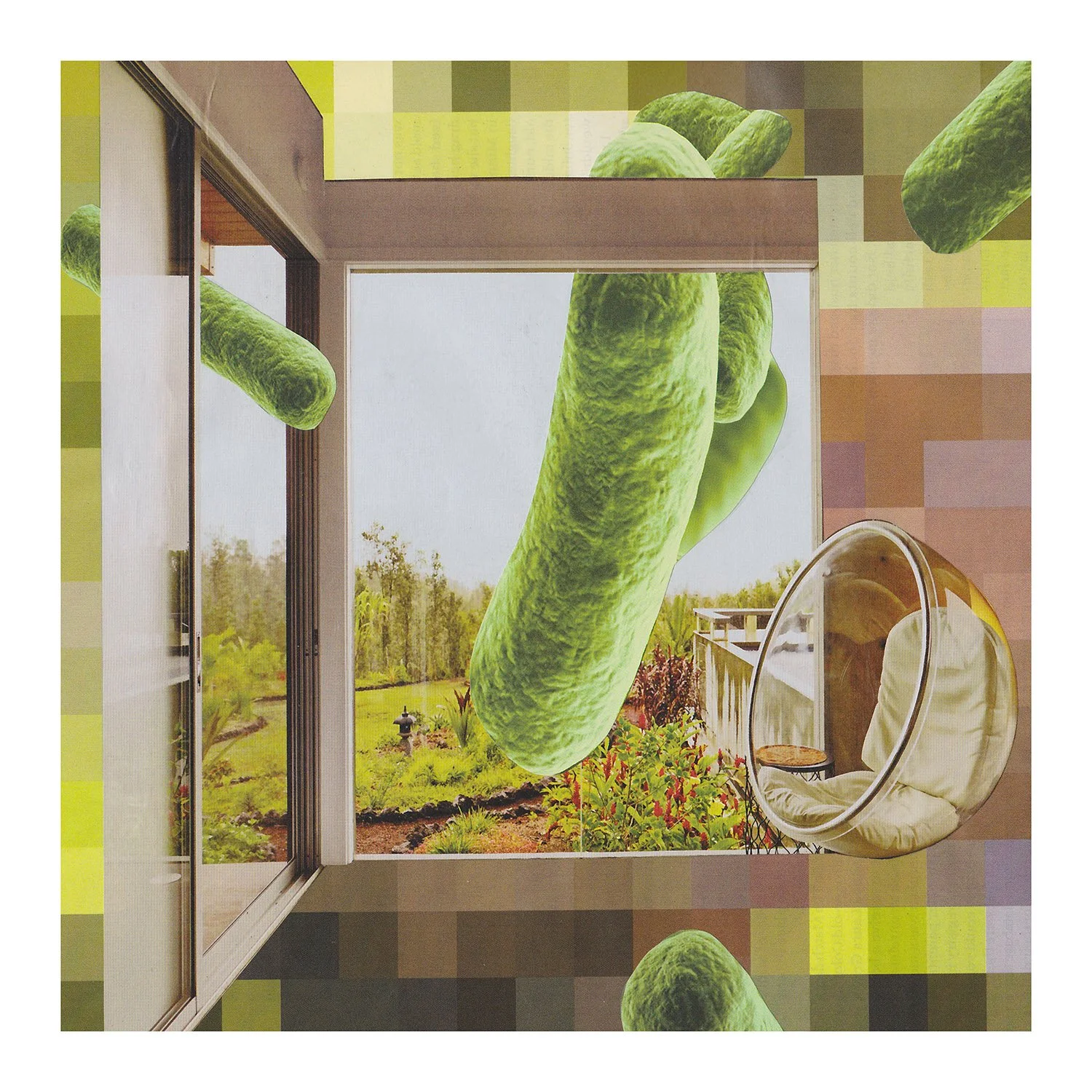
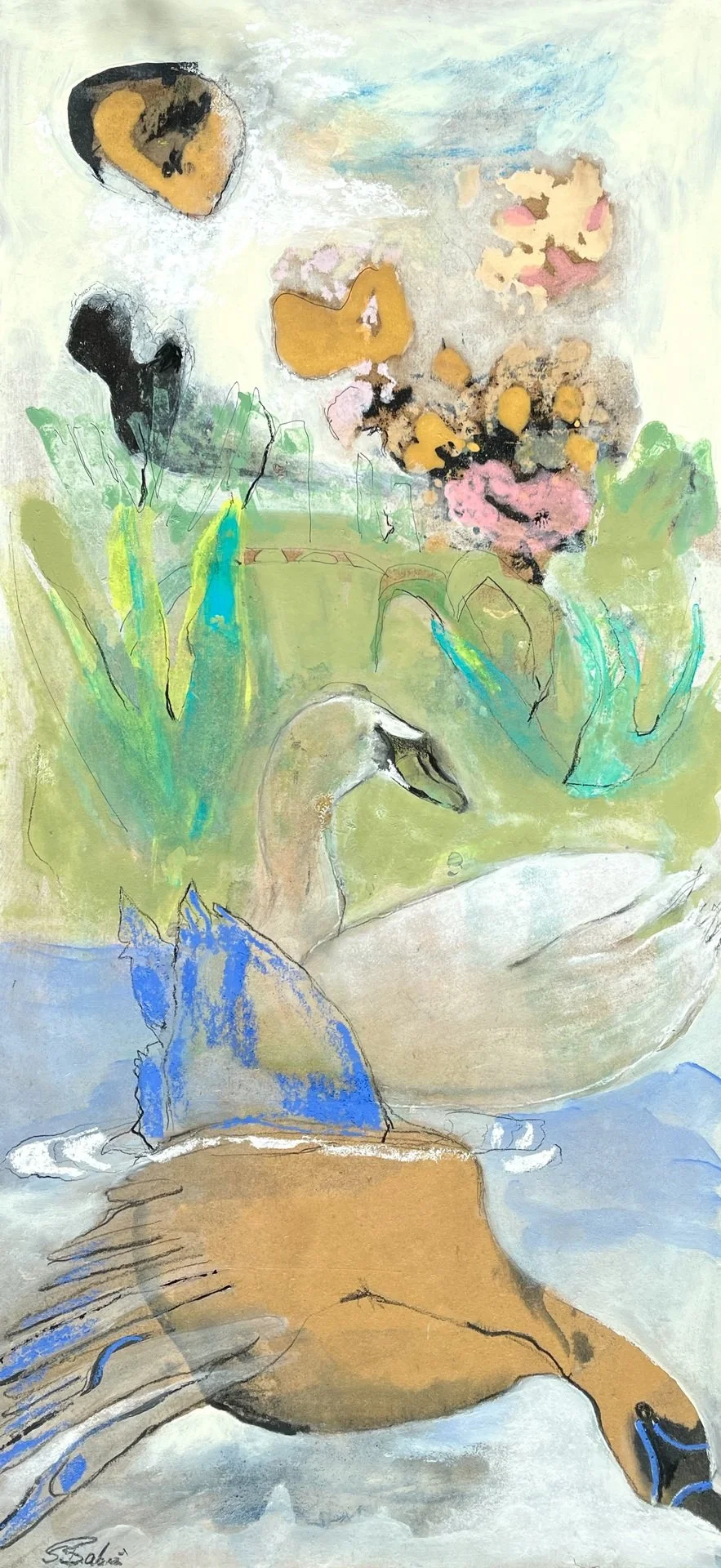
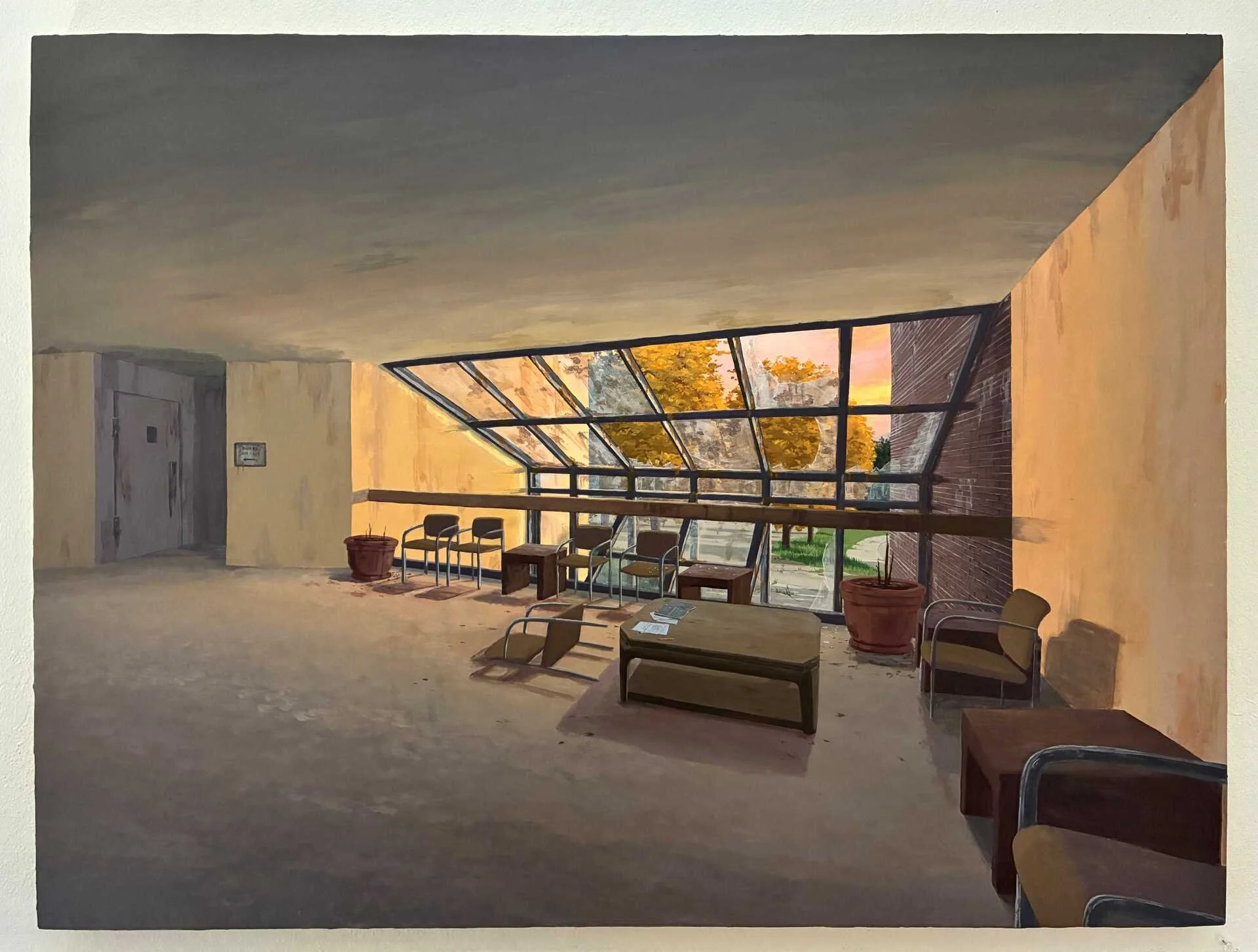
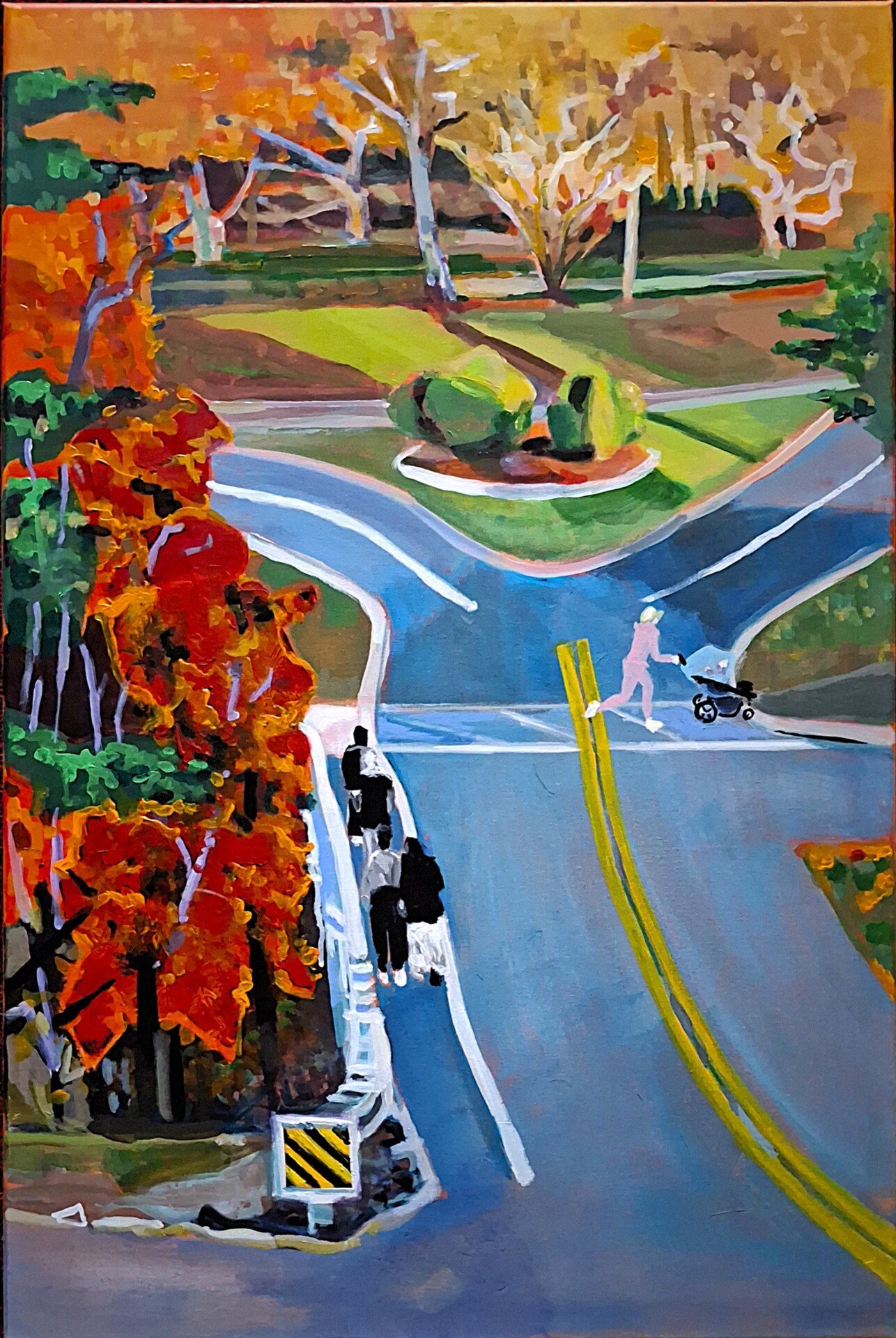
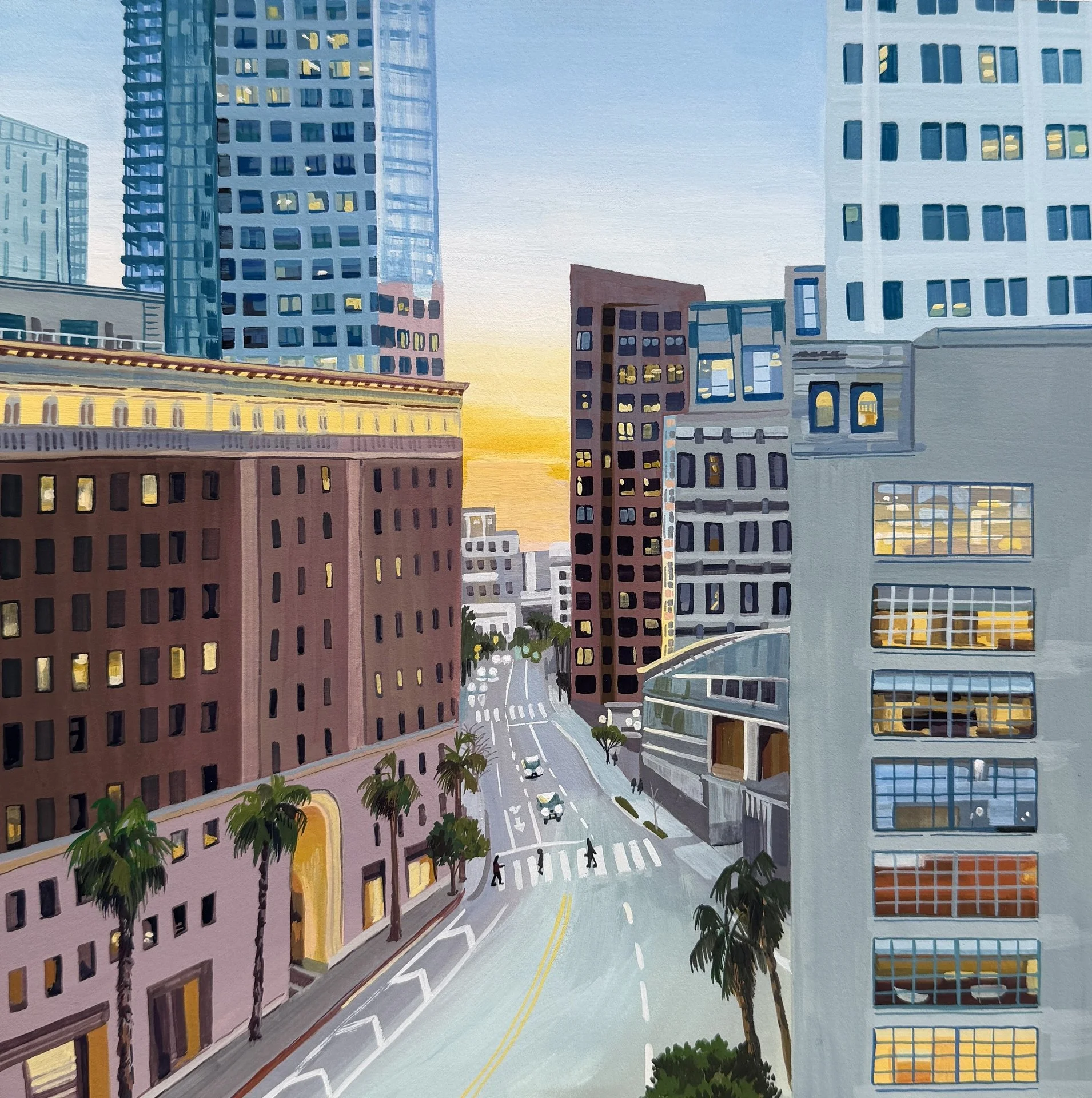
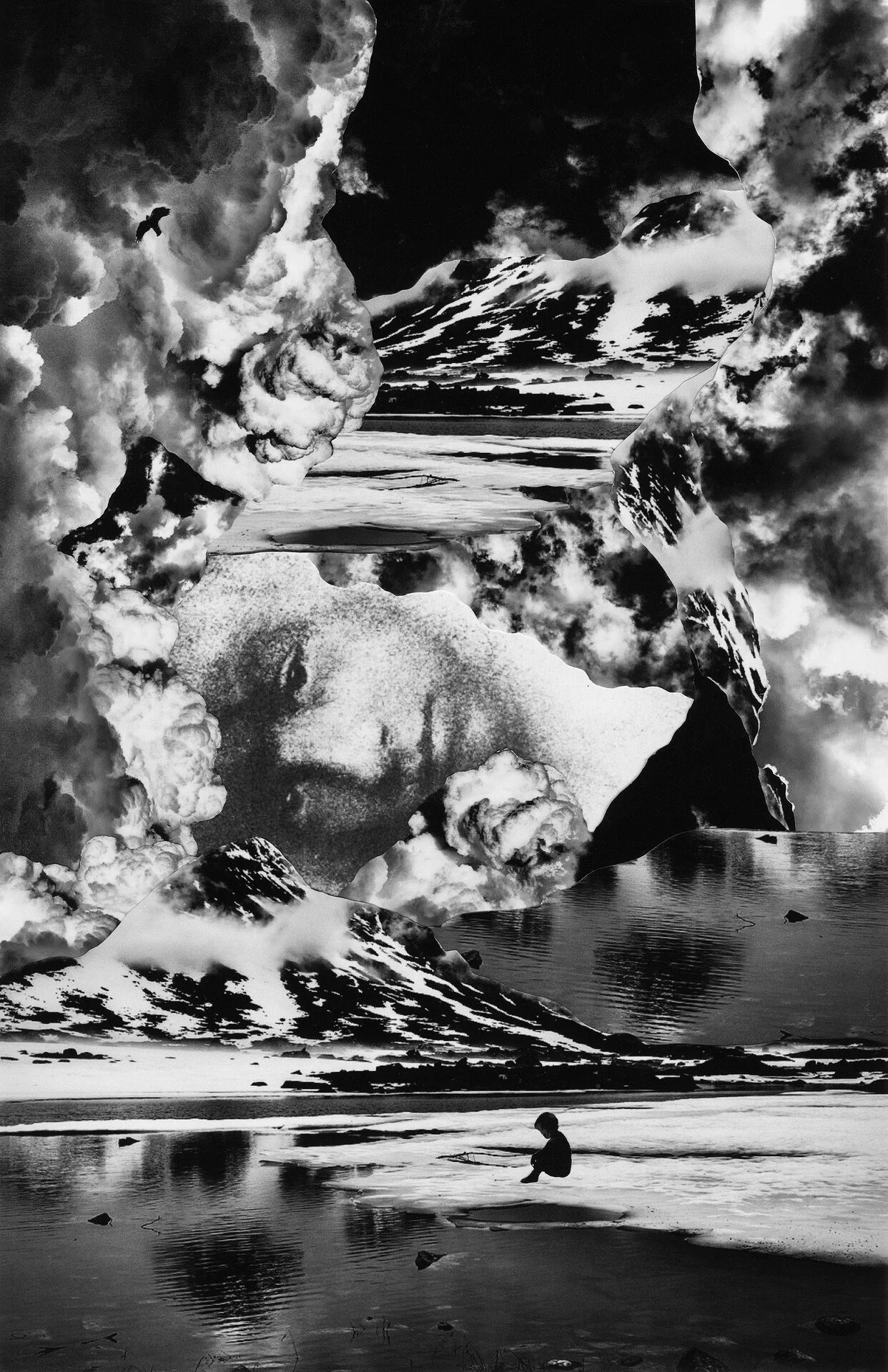
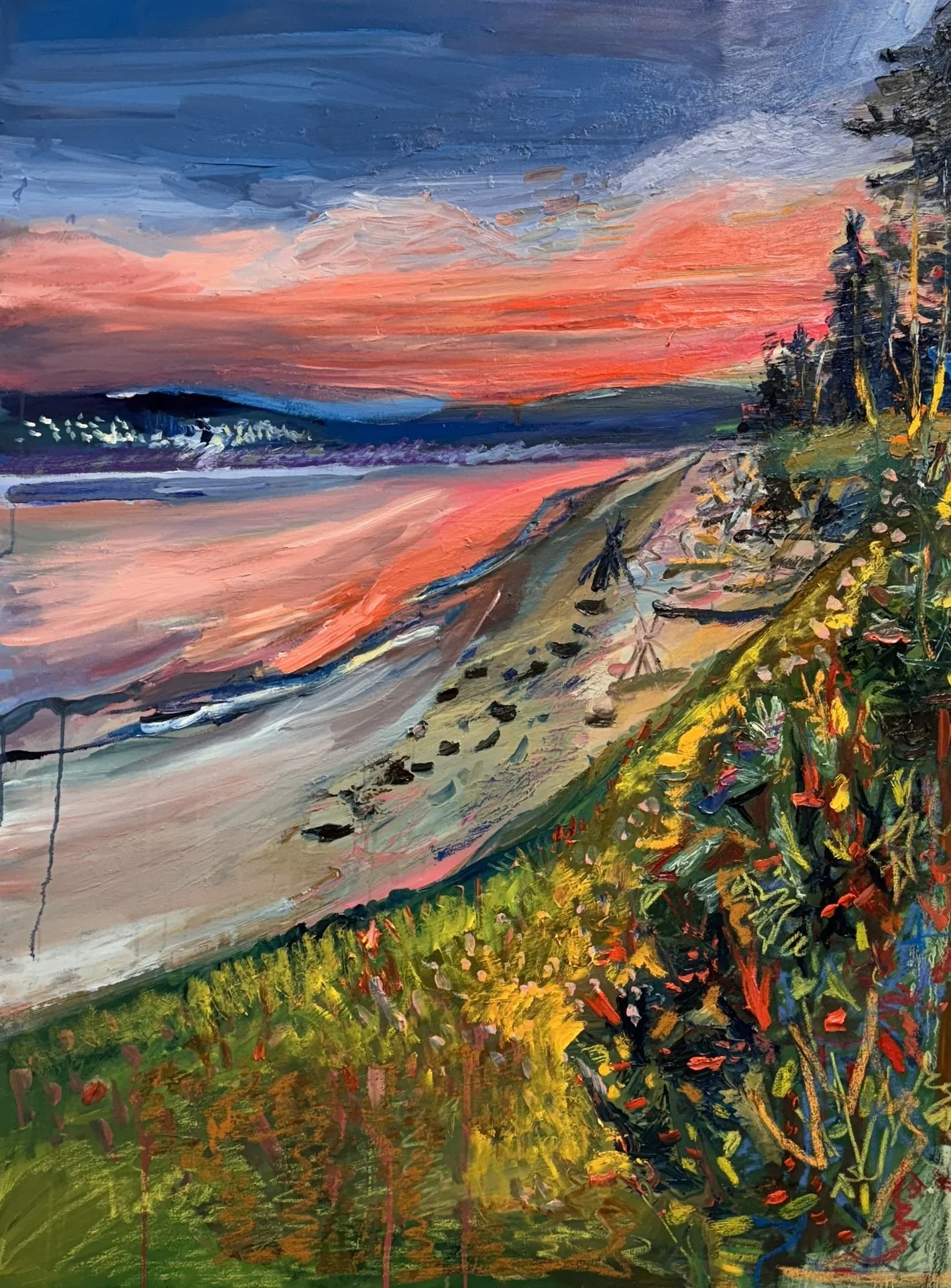
When I took a step back and looked at the curation for this exhibition from afar, I was taken by the twin compositions of some of the work. The painting by Alison Kruse of a shoreline almost perfectly lines up with the surrealist collage by Julia Kohane. Is this the same beach? Two distinct experiences of the same place? In other works, artists depict similar experiences in different places.
By noticing patterns in composition, I began to understand how familiar forms can be used to create a framework for complex themes to be layered.
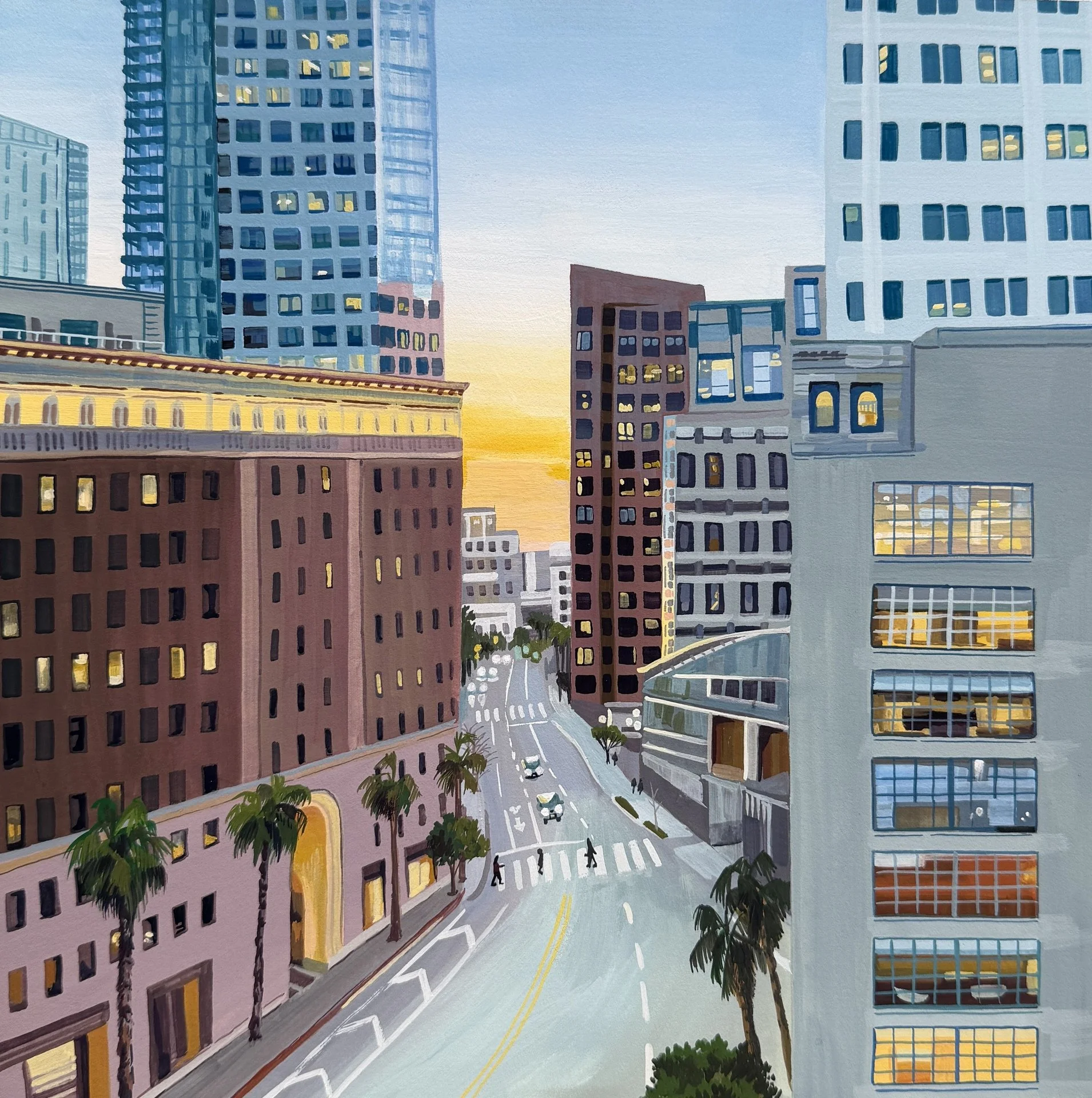
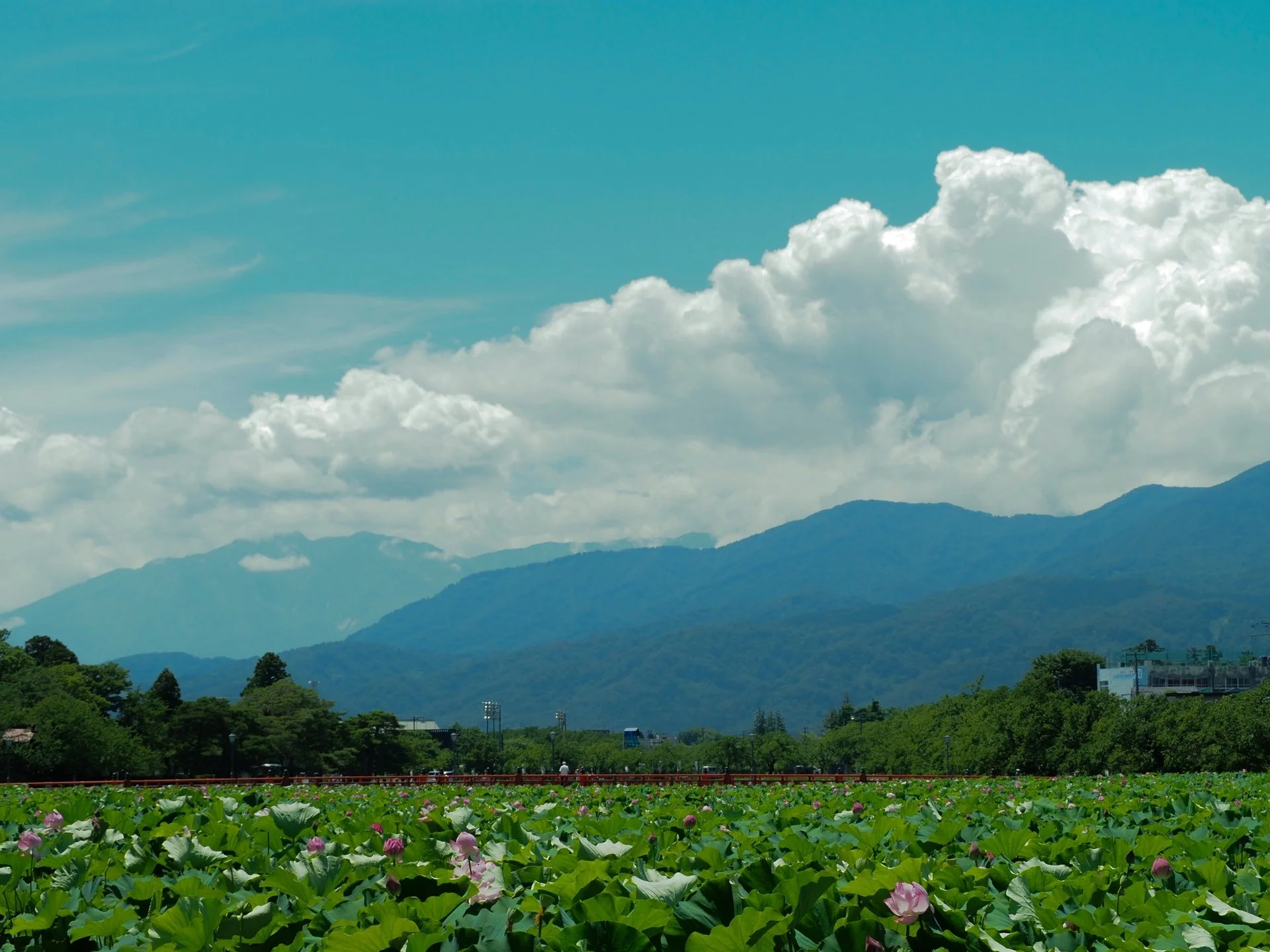
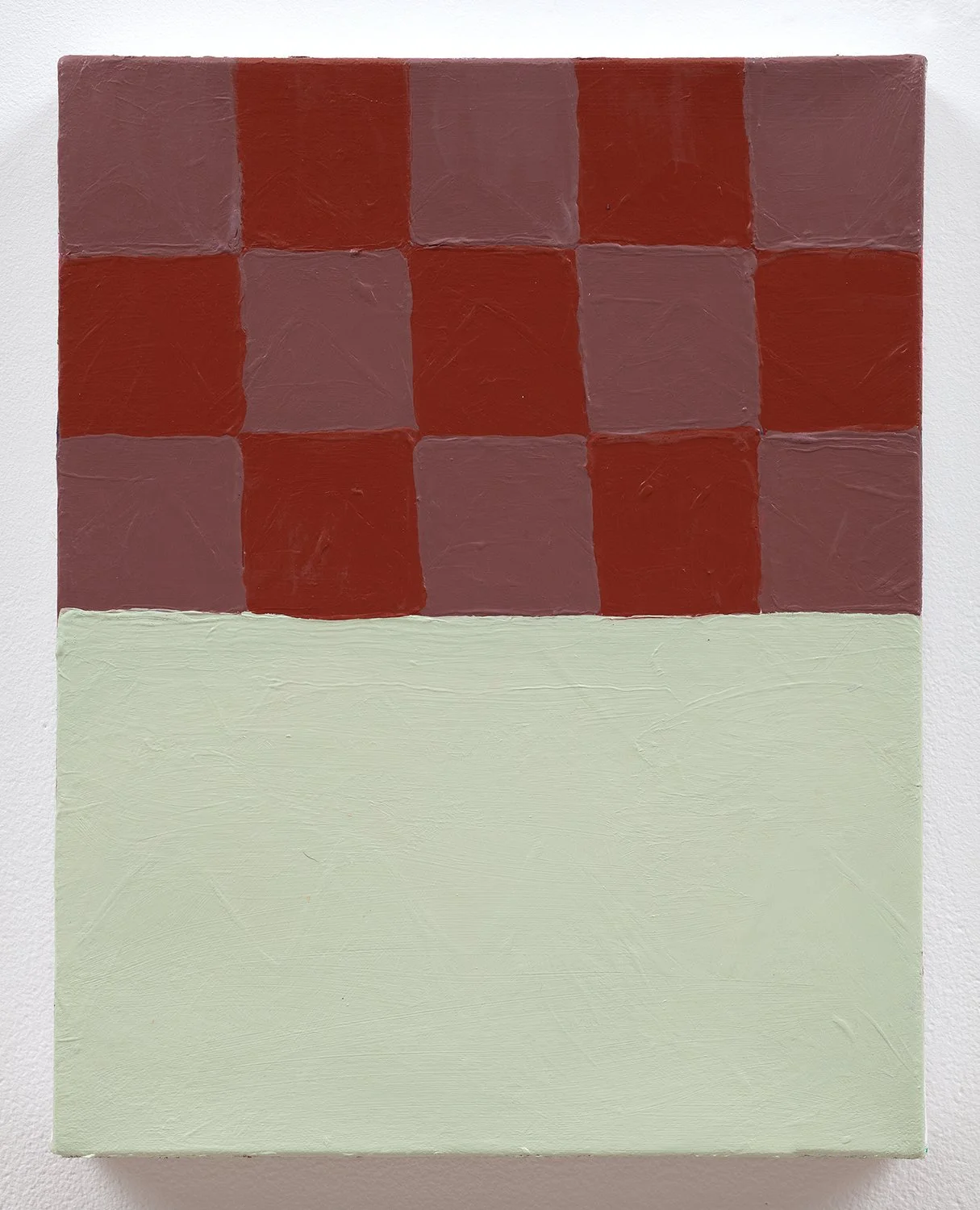
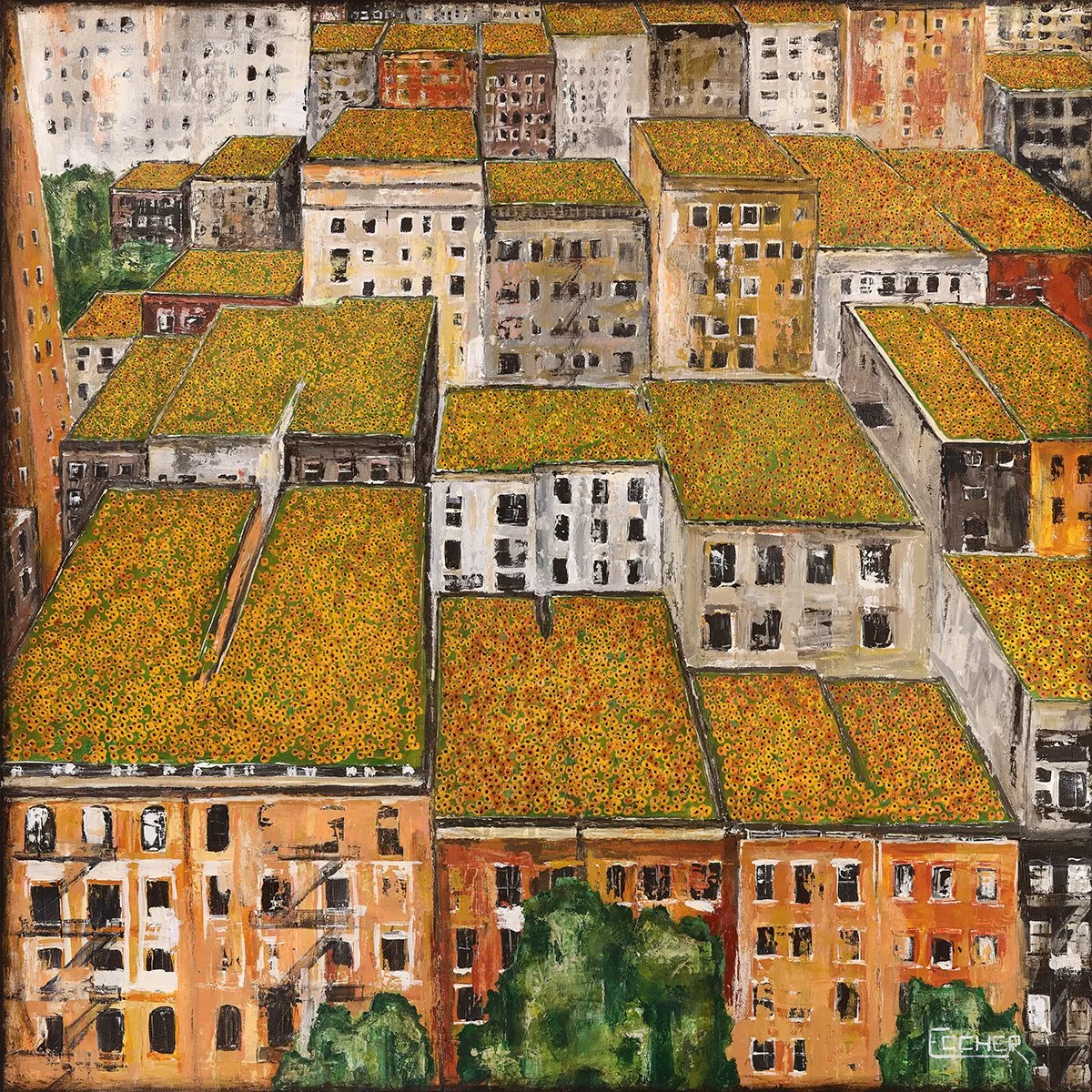
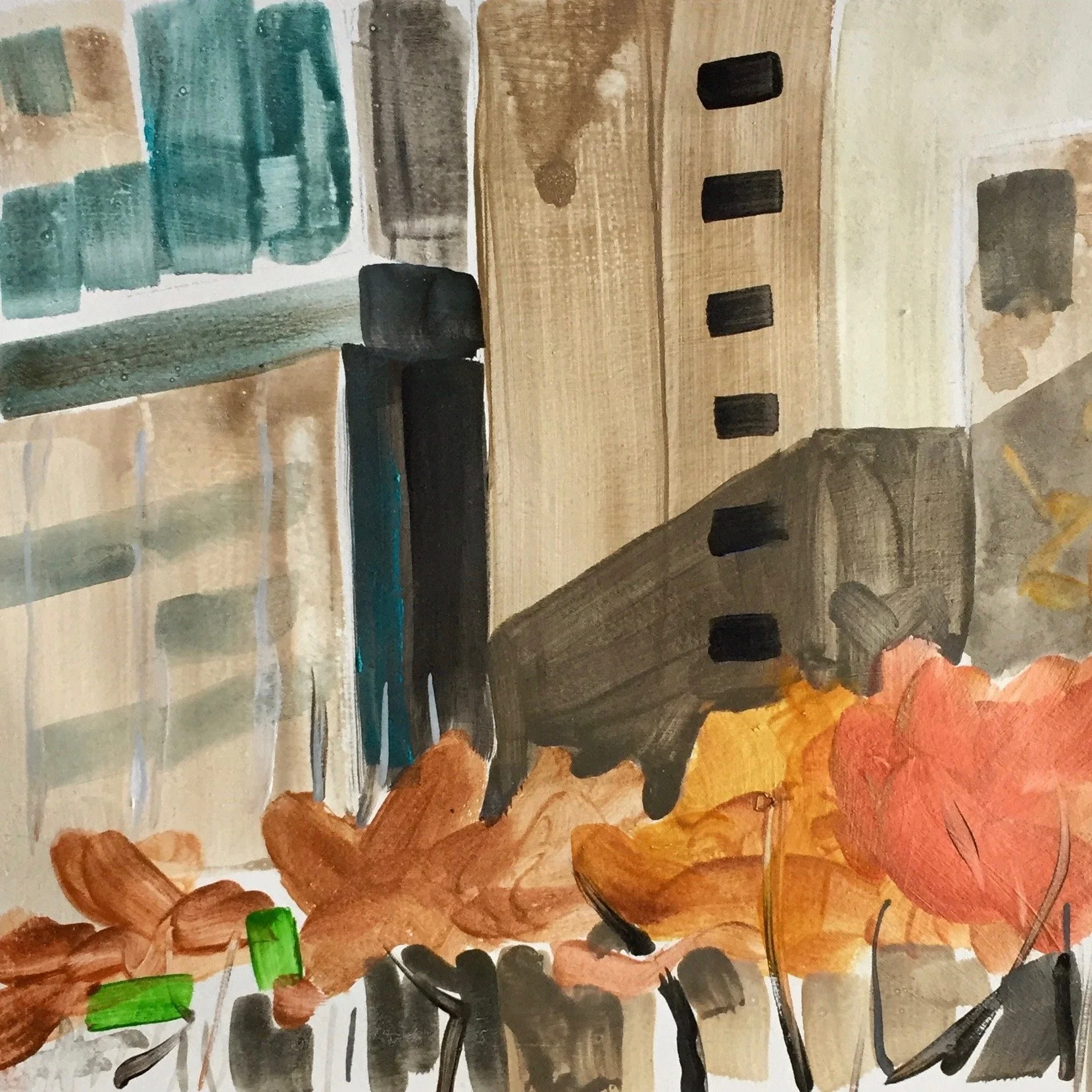
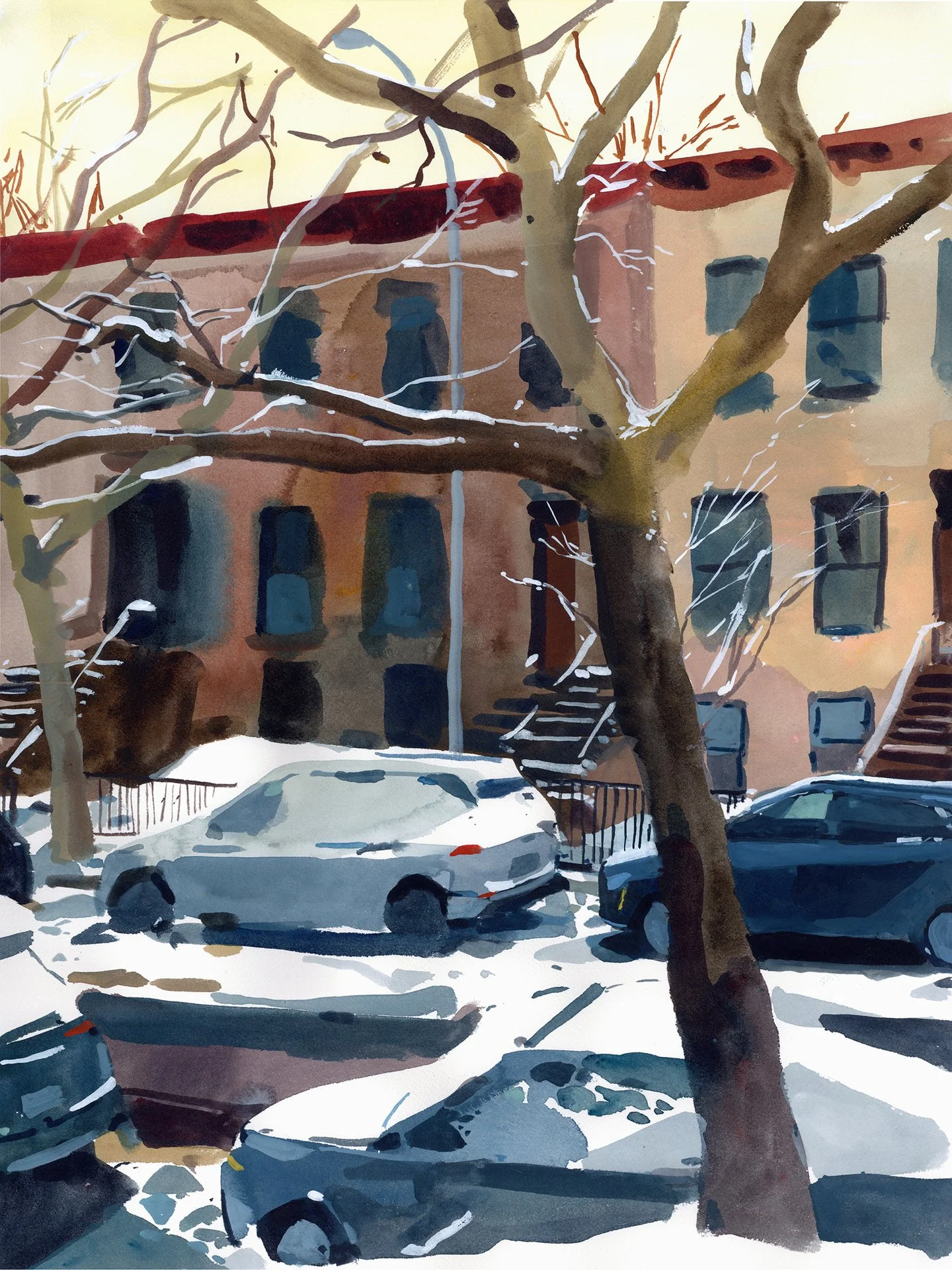
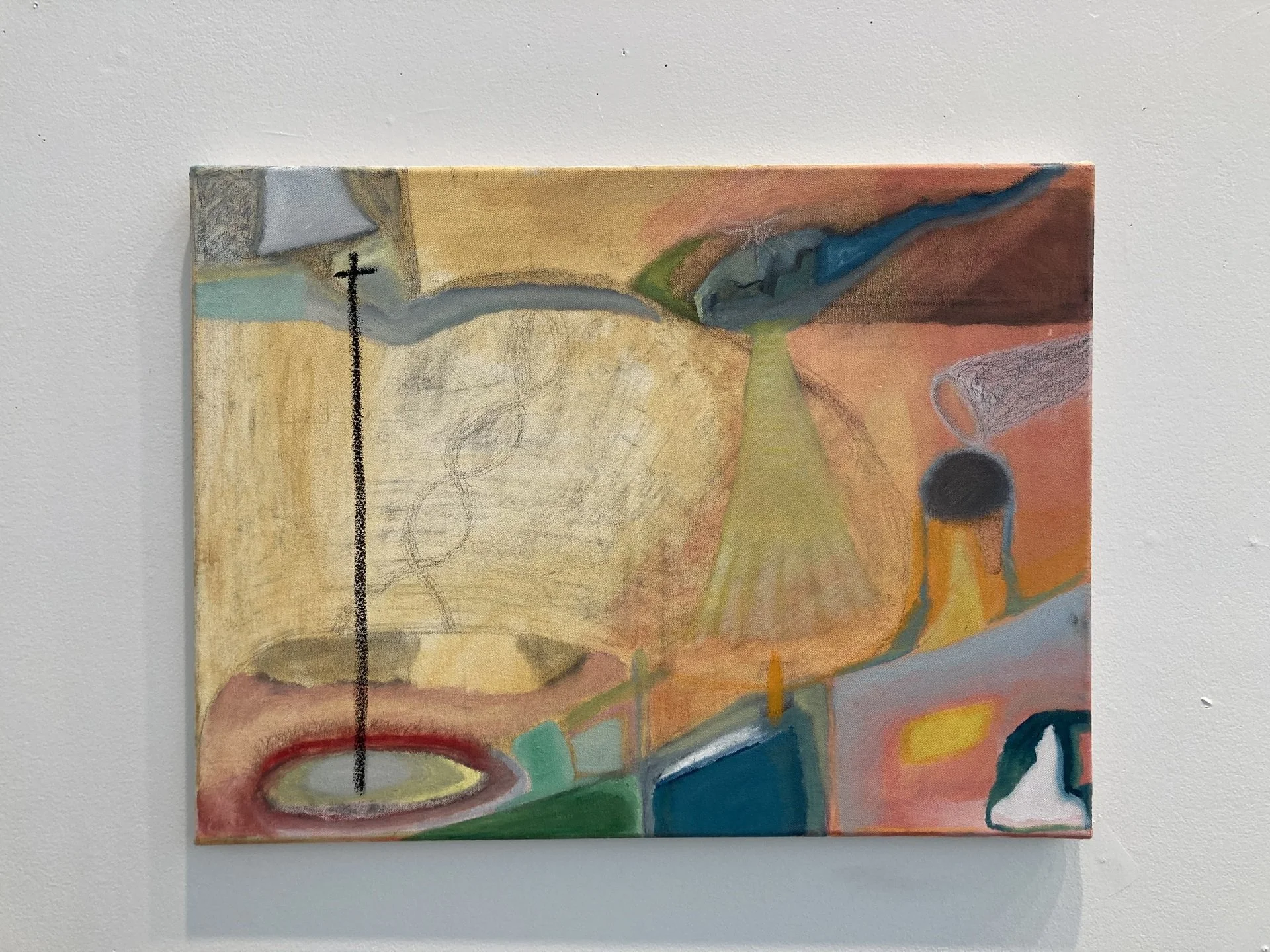
Perspective plays a huge role in depictions of landscape. The famous vanishing point so often found in landscapes is succinctly articulated by Julia Berkman in the form of abstraction. Sky above, land or sea below. I take comfort in this line, unreachable no matter how far one travels, in the stillness of Stephen Barton’s photograph and in the outreaches of the city in Julie Griffin’s painting. The landscape invites the viewer to enter.
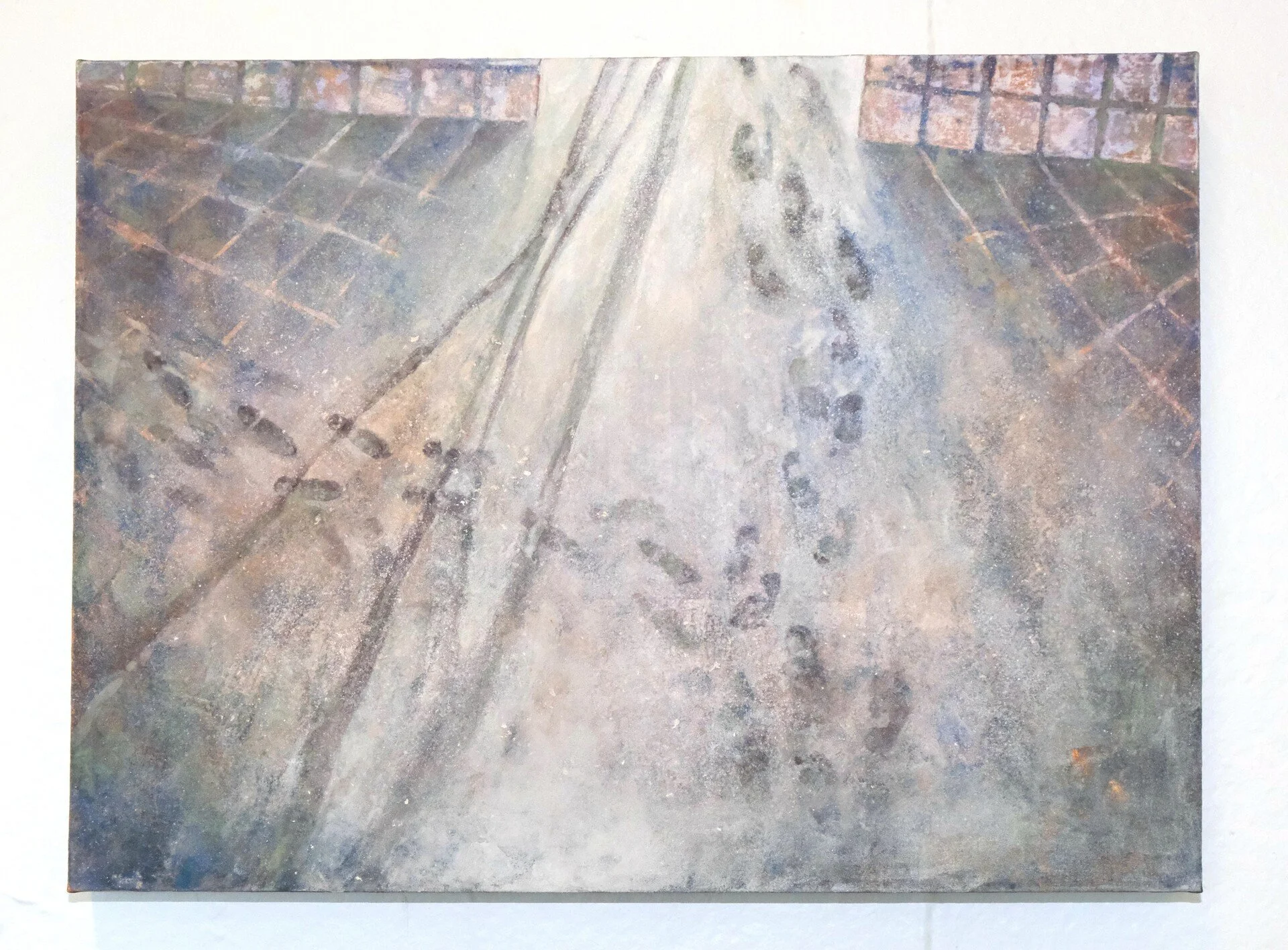
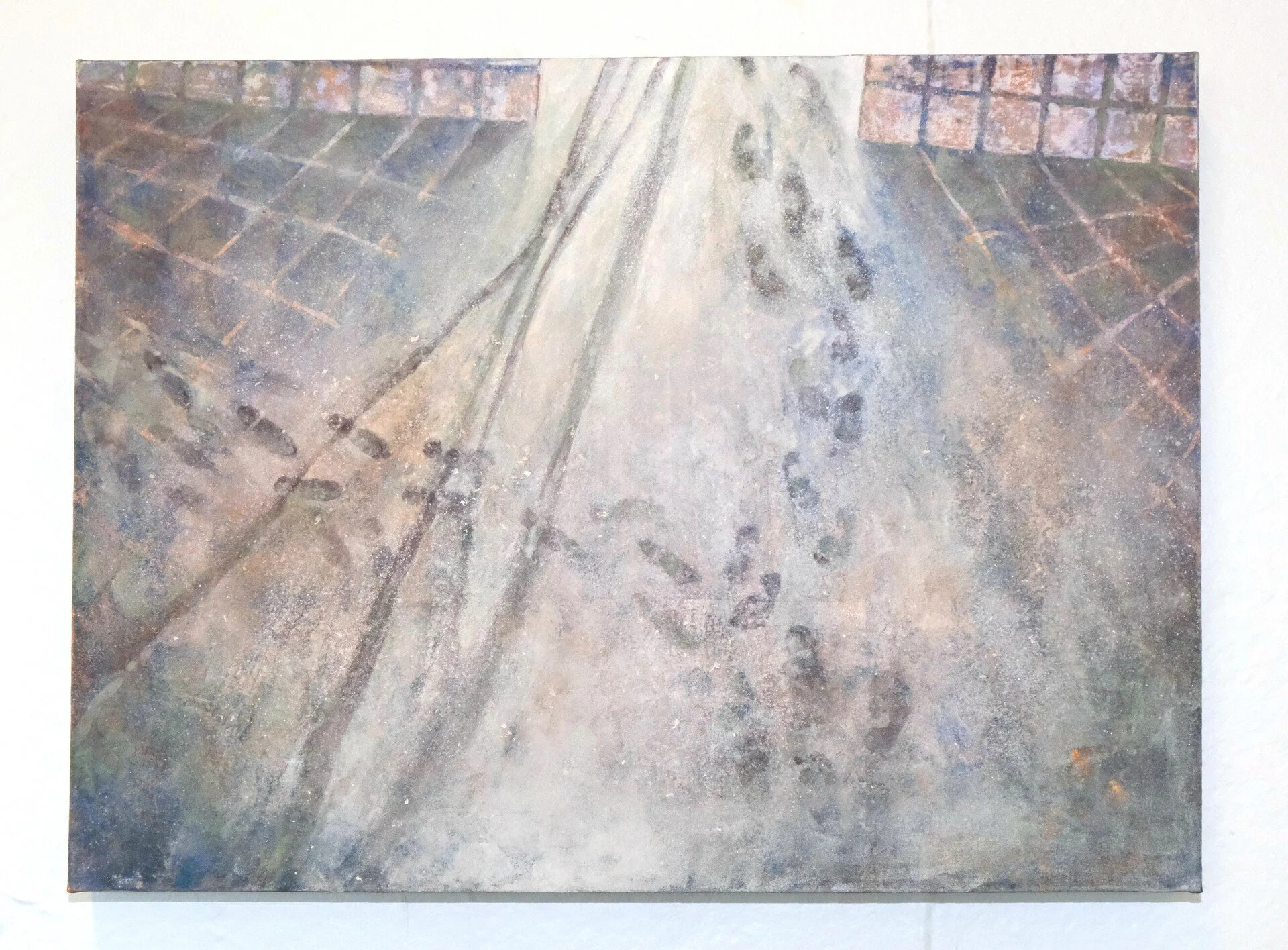
Then, there are the artists who forgo the vanishing point altogether, instead offering an intimate view of the landscape. The footsteps depicted by Yidong Ding, so slight and ghostly, one thinks of the coldest day of the year, of losing something in a dusting of snow and having to re-trace one’s steps. An entire story plays out in between the inches of 12 x 16.
WALL 3
Alex Clark / Elise Dahan / Julie Glass / Casey Inch / Patricia Ingersoll / Deborah Kennedy / Kyle Kogut / Kenneth Millington / Rita Myers / Anya Lin Pertel / Mel Smothers / Lili White
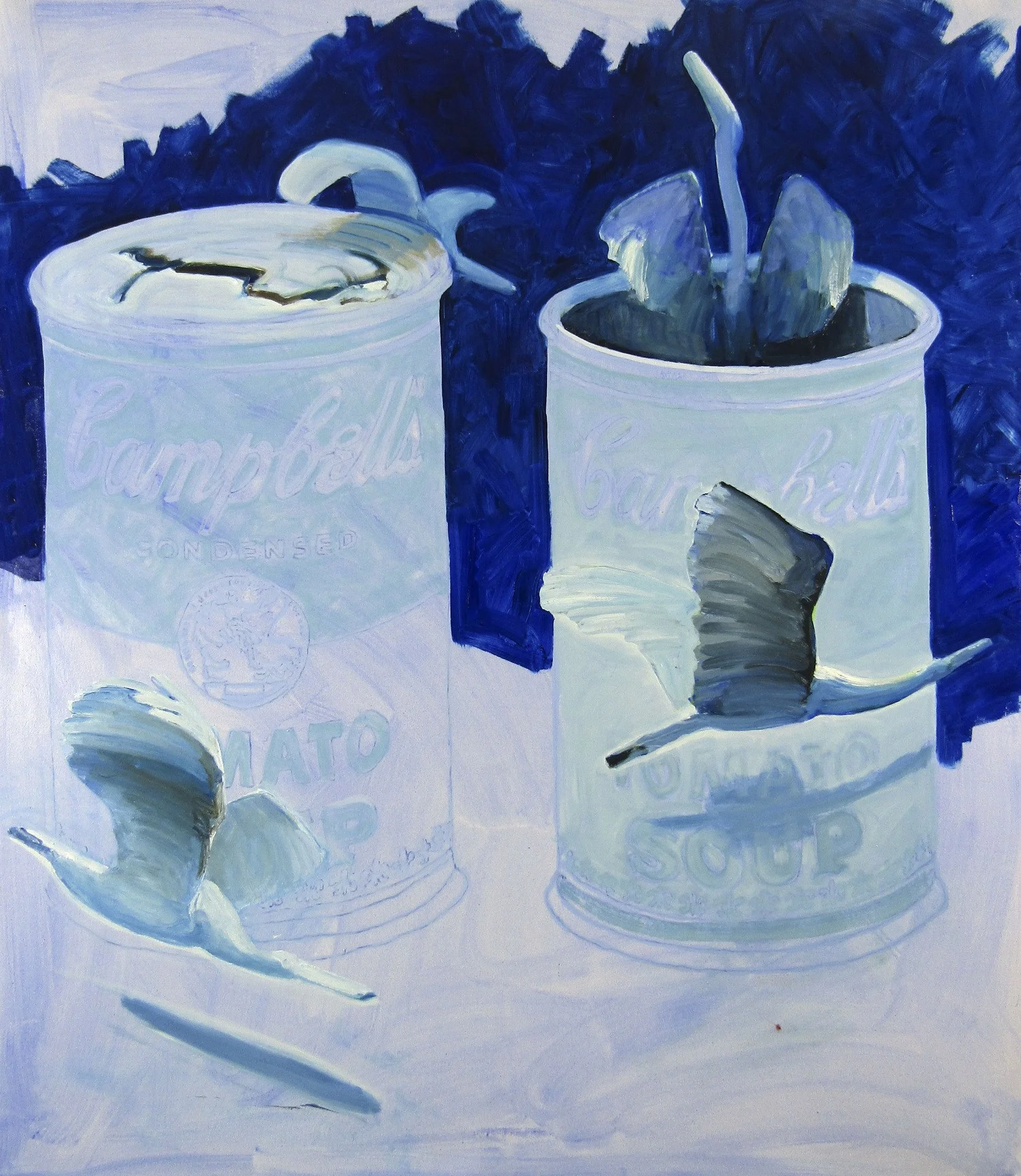
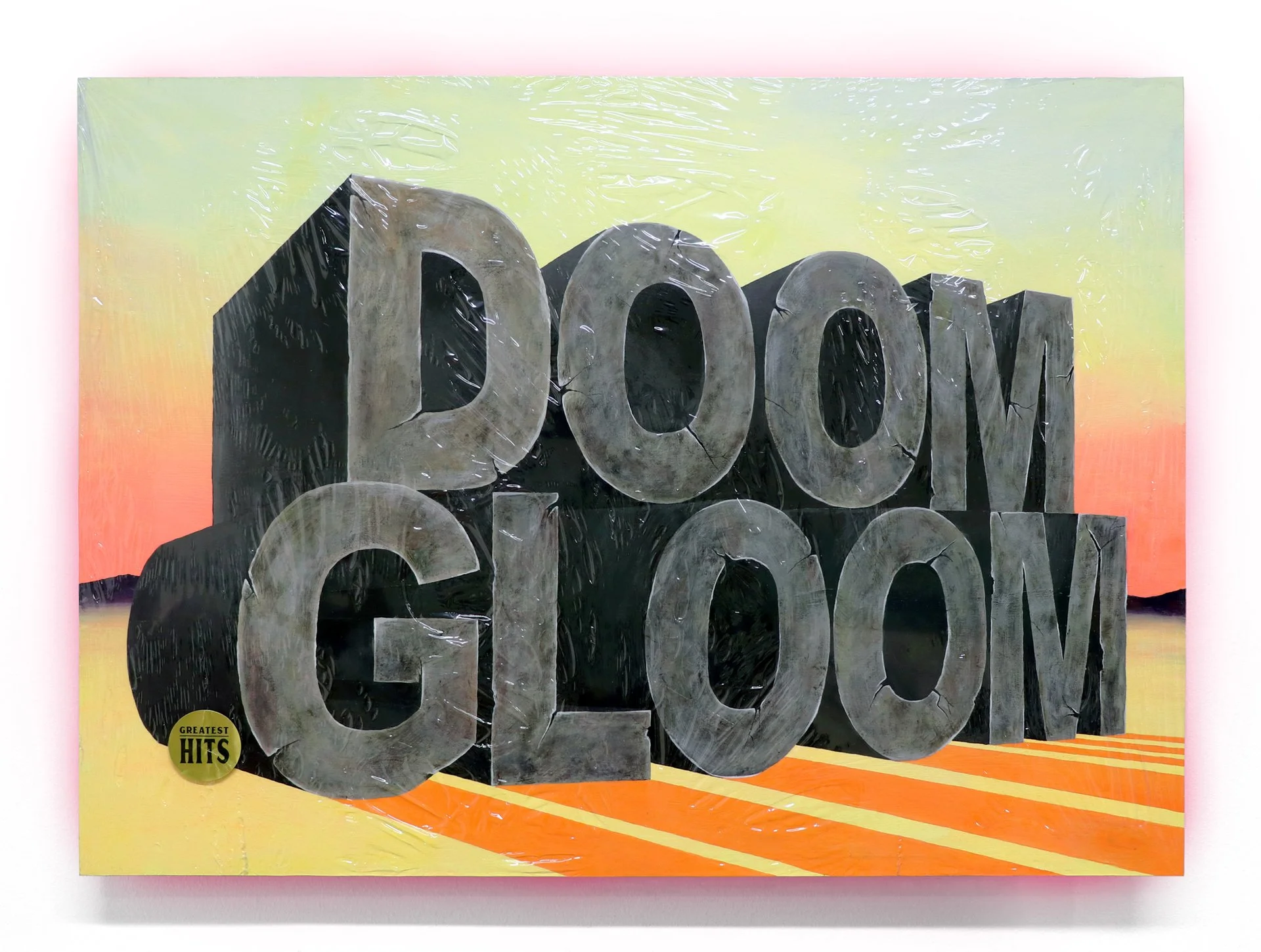
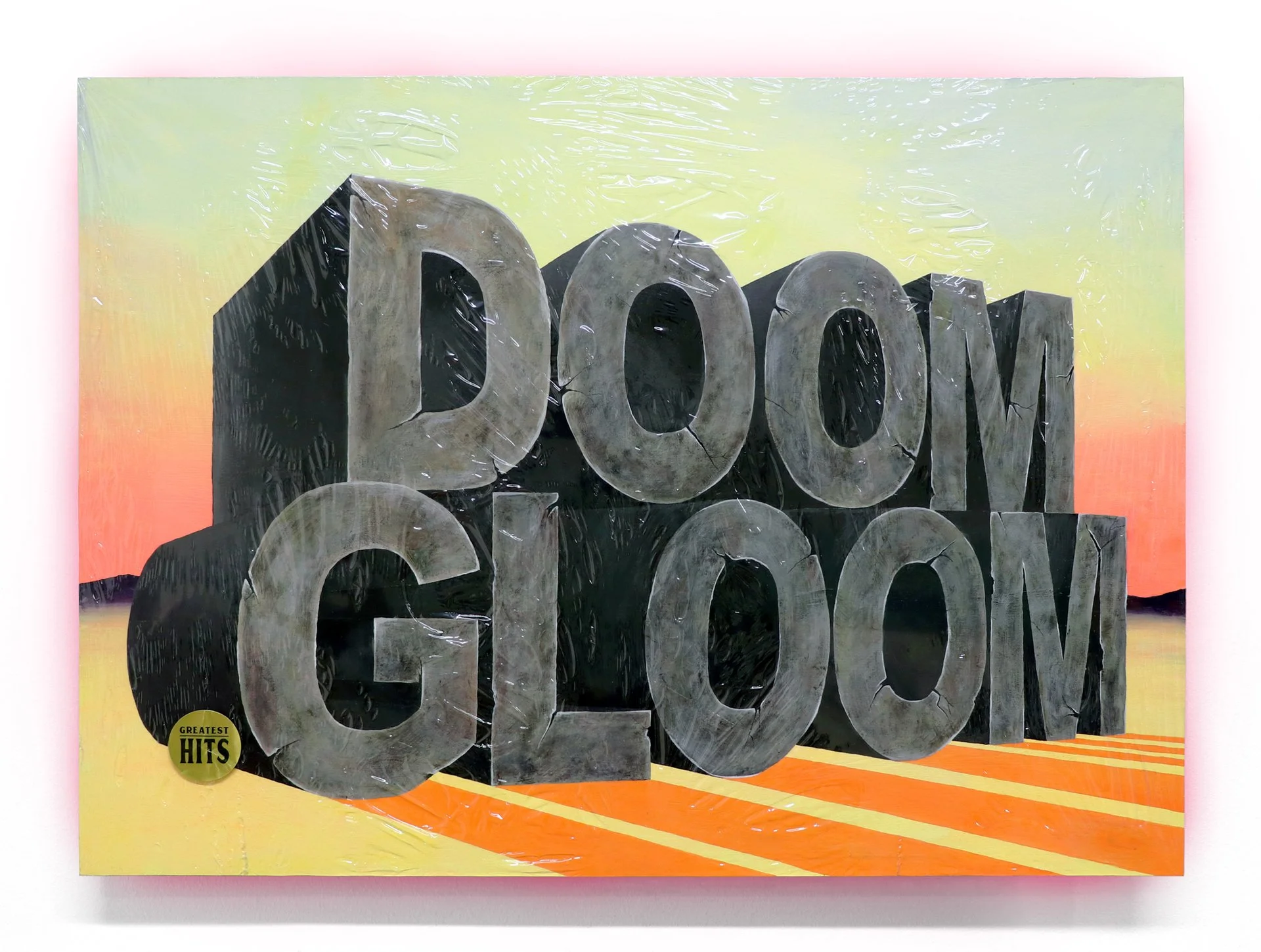
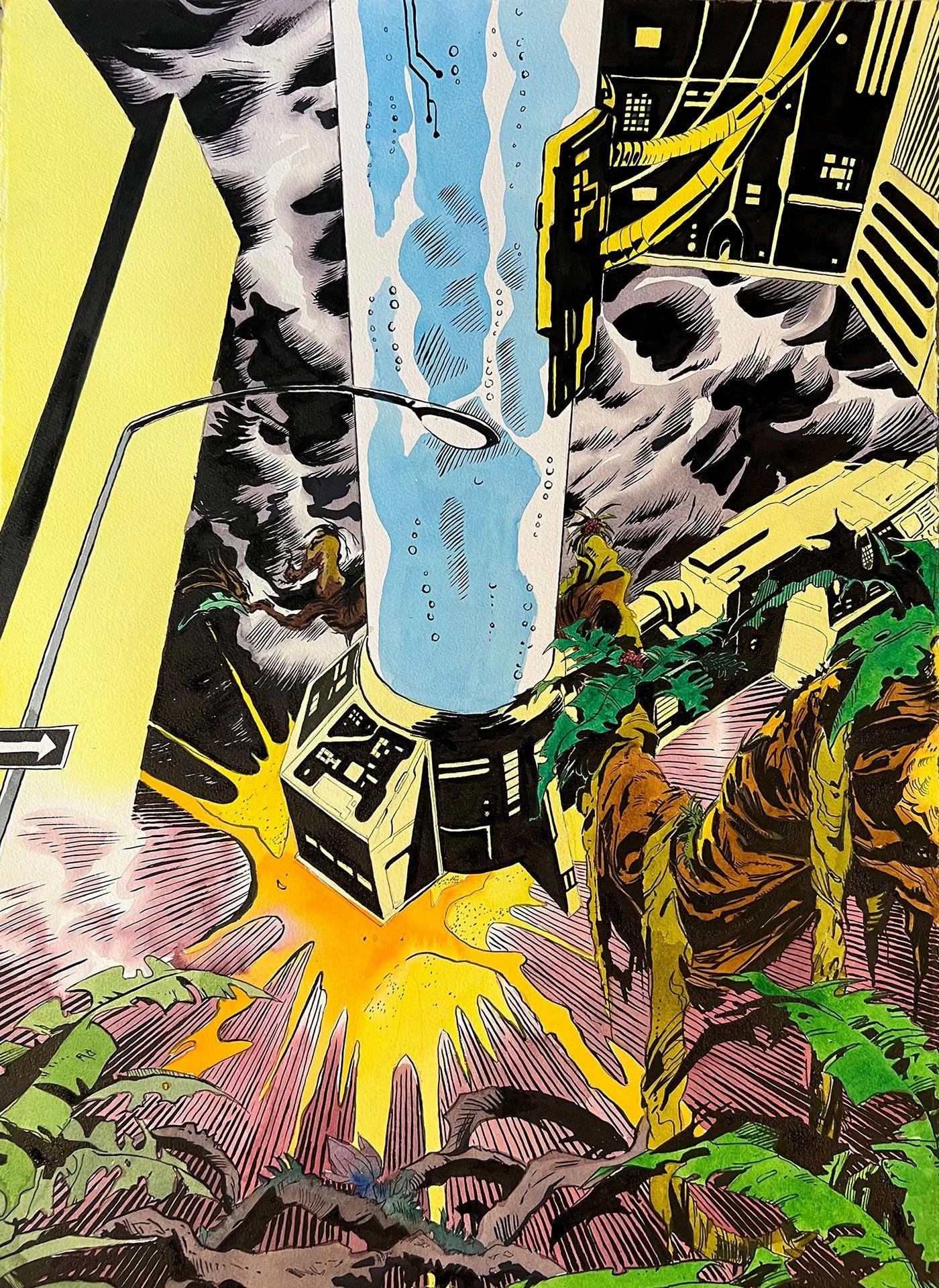
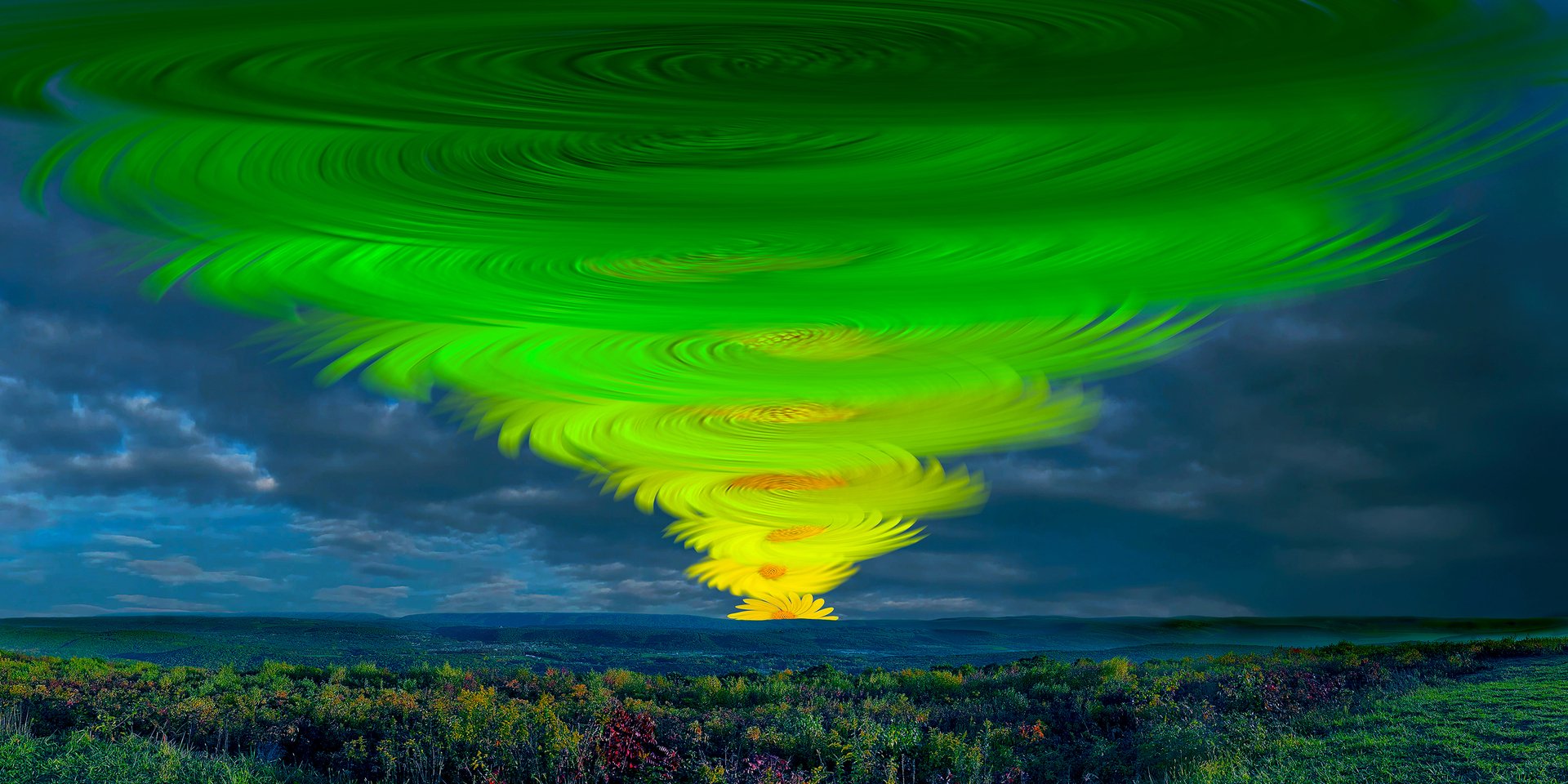
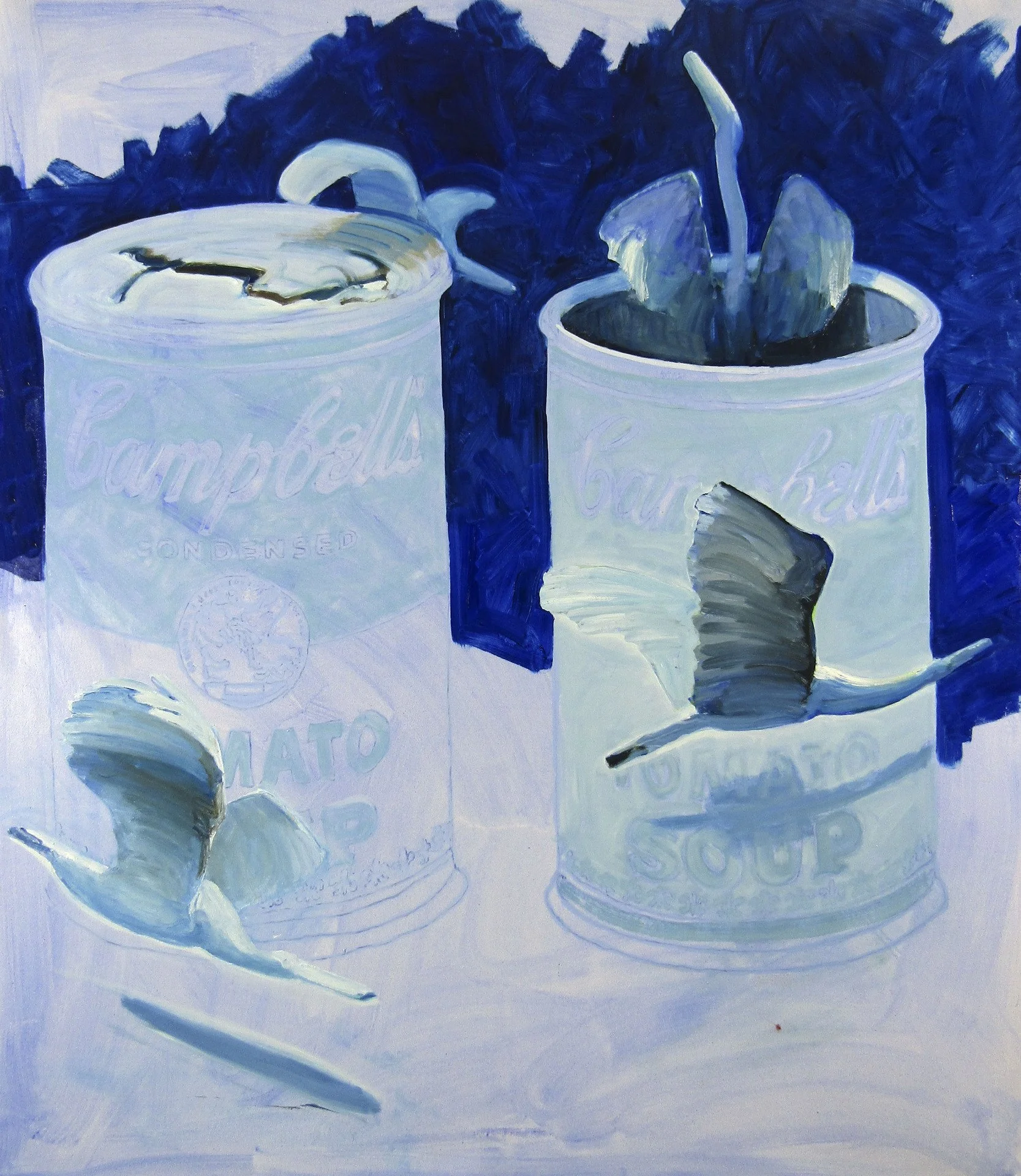
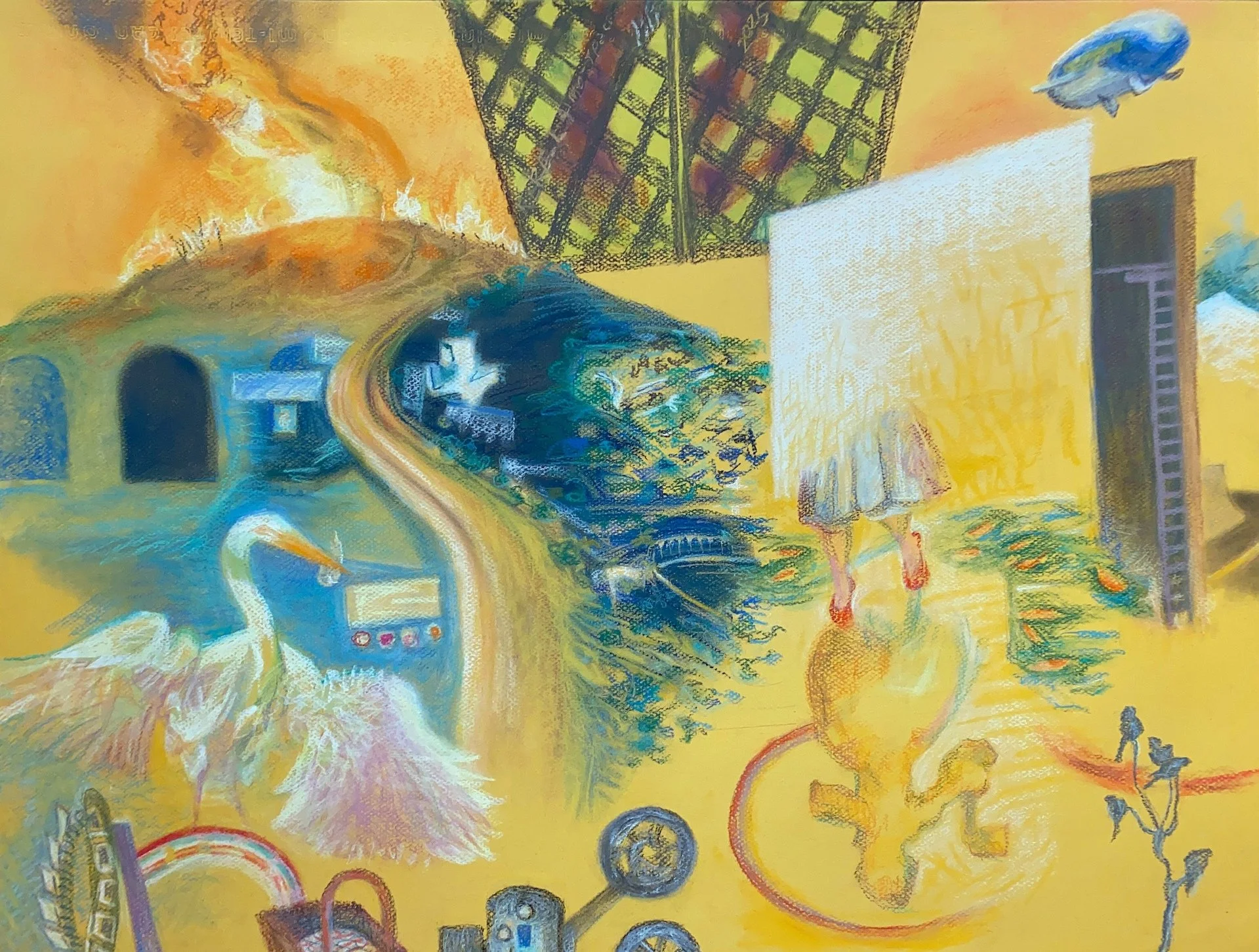
DOOM GLOOM sounds about right! The text of Kyle Kogut’s multimedia work rings true: things aren’t going great, the climate is changing, birds are going extinct, the world is on fire, the end is near. Often, these realities go unseen; here, the artists bring them to the forefront.
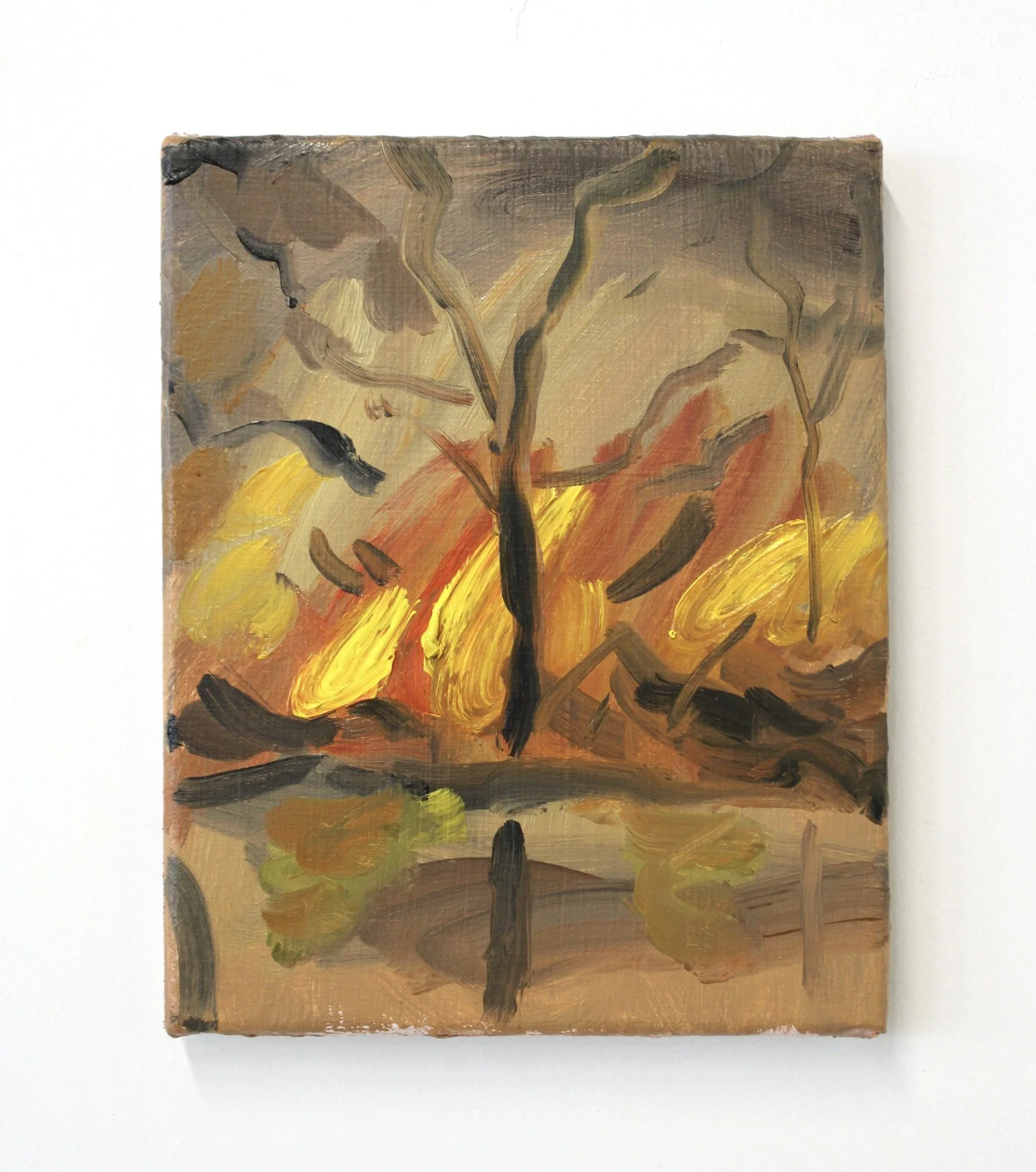
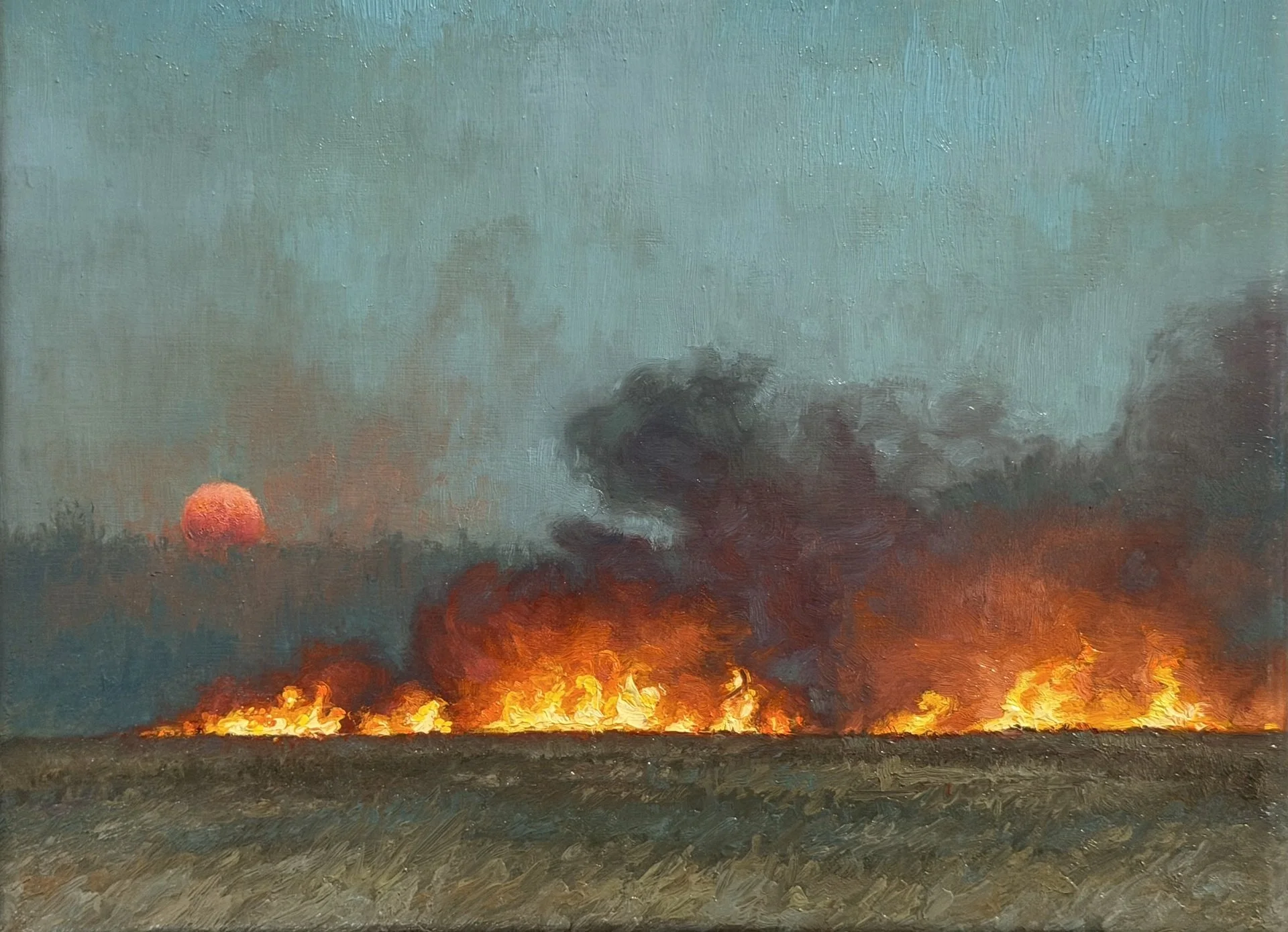
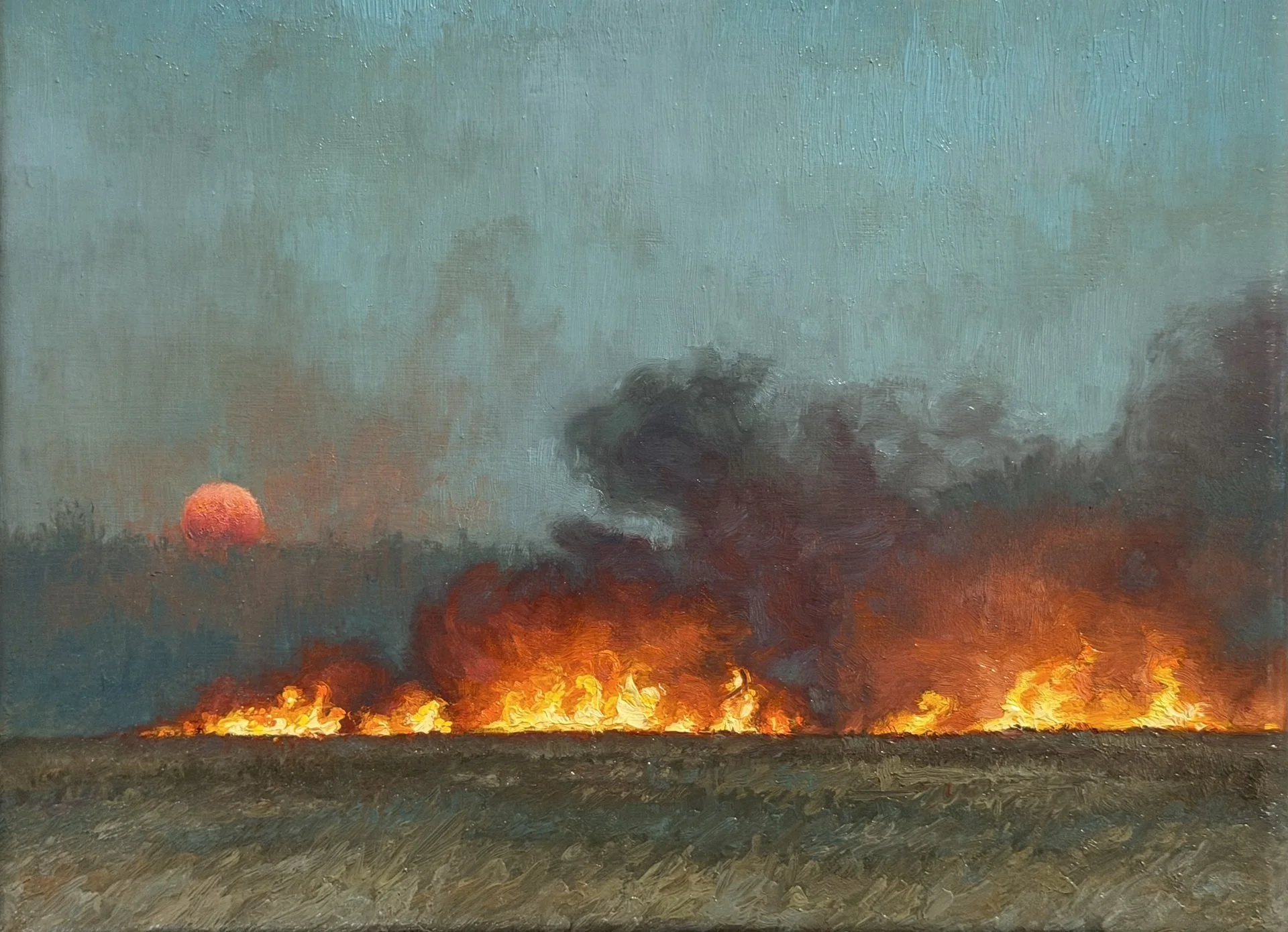
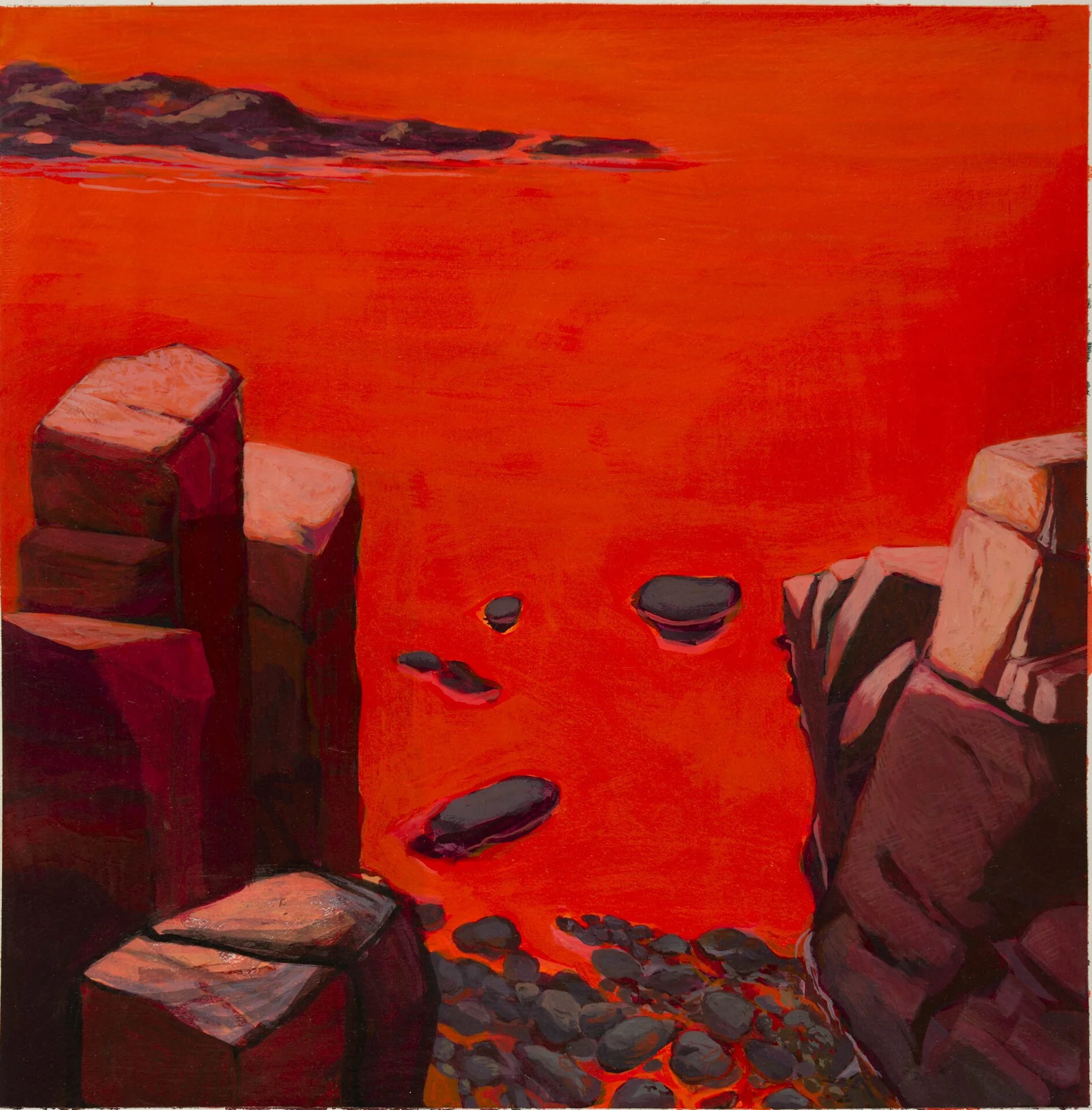
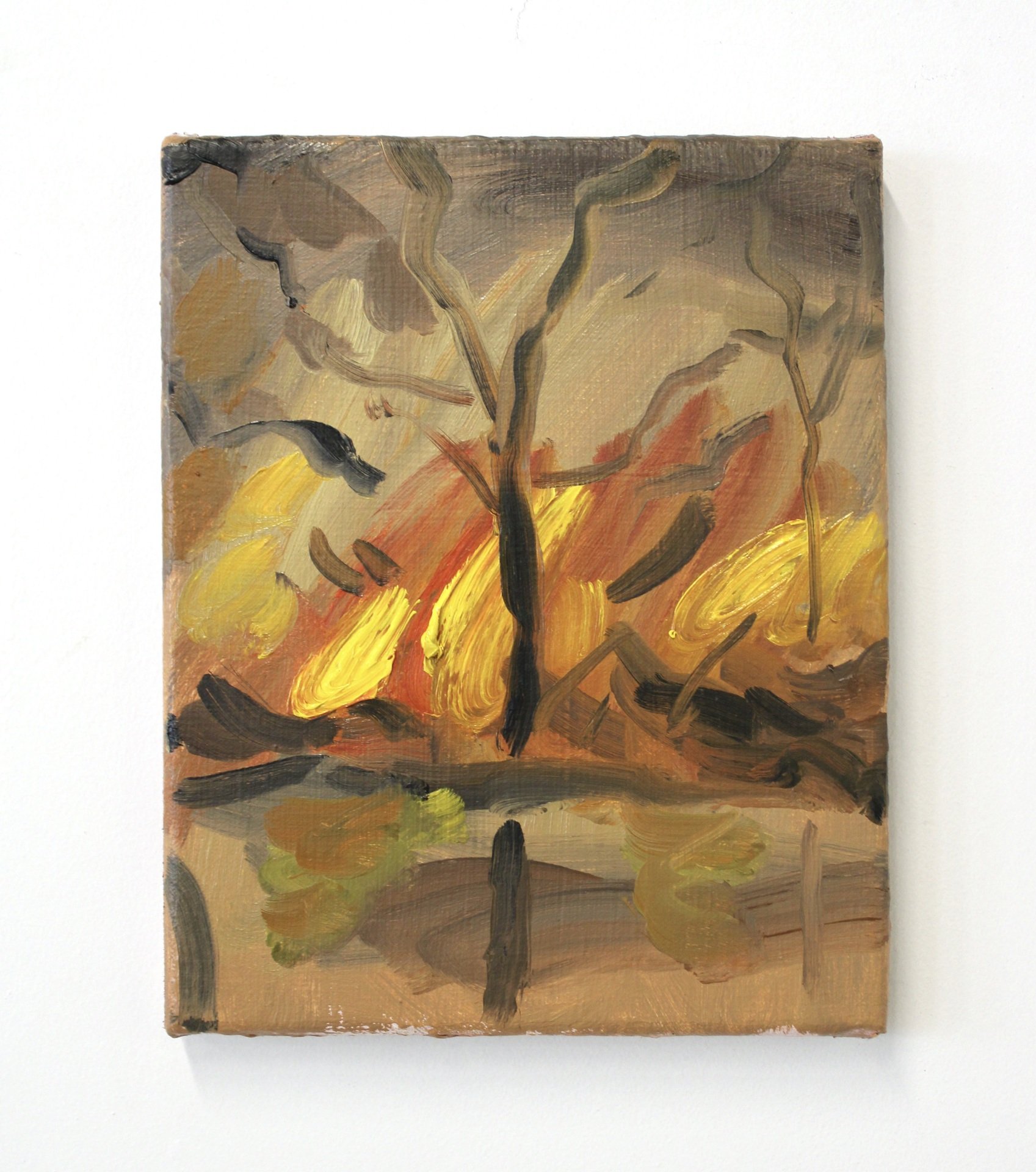
These works prove that landscapes don’t have to be serene: they can be blood-red, on fire, and infused with the realities of life. What’s notable is that, despite heavier topics, the work doesn’t lose sight of hope. In fact, the act of art making is inherently imbued with the desire to propel something into the future.
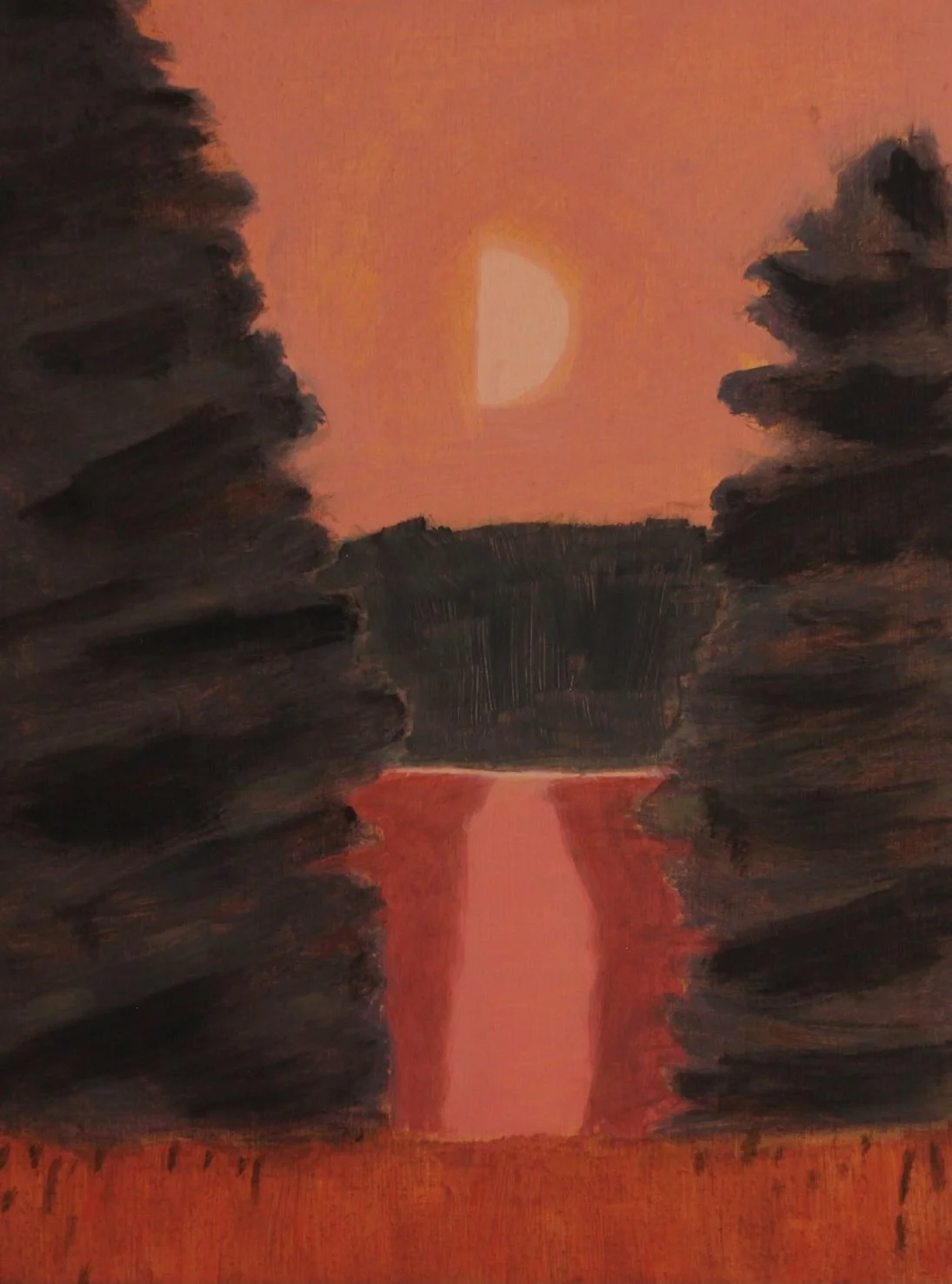
“Landscape in my work is both a witness and a metaphor. Elemental forces shape the narratives found within: storms, erosion, fires of unknown origin. Destruction and healing unfold in the same breath: ash nourishes new growth, ruin clears ground for renewal,” Casey Inch writes about his painting of a field aflame. “These paintings can be viewed as disappearing or emerging, hopeful or foreboding, elusive or already a memory. They are at once celebratory of the wonder of the natural world as well as a reminder of all that we have to lose.”
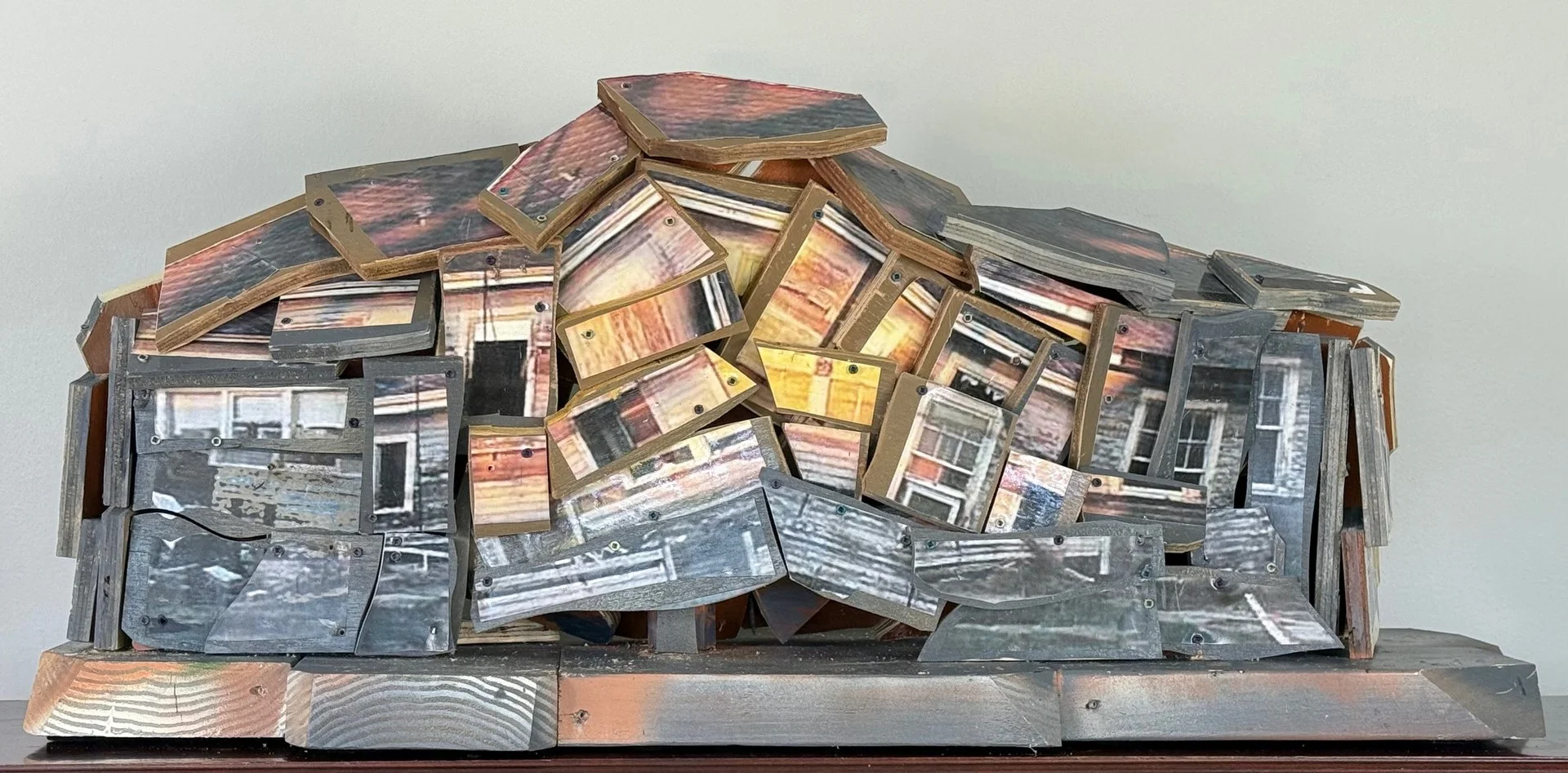
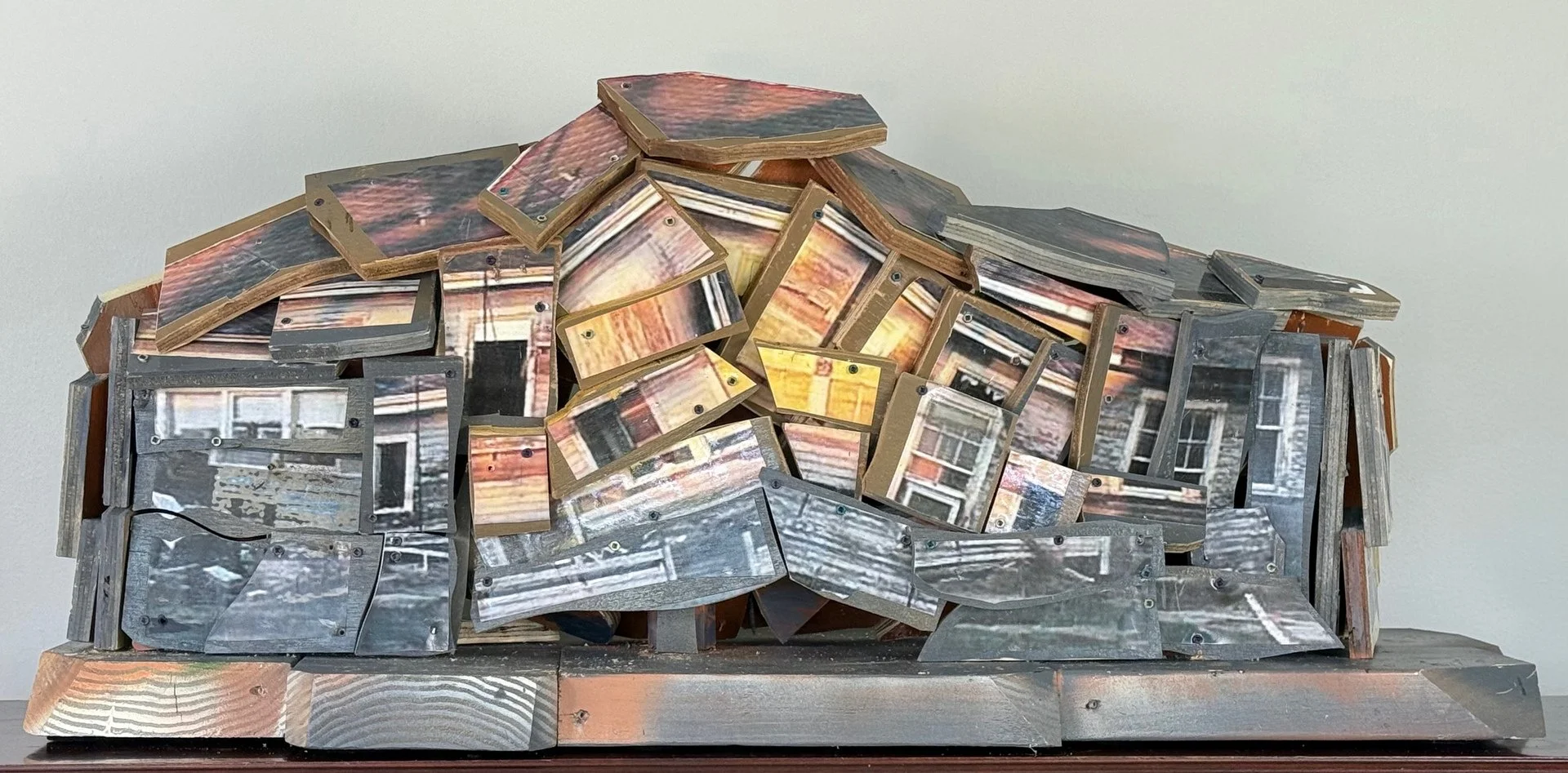
I’m drawn, especially, to the work of Julie Glass. Lakeview After Katrina is made from the wood of a house that was swept away after the levee along the canal broke during Hurricane Katrina. The fragmented photographs were taken by Glass during the crisis and are now assembled in a gesture of resilience.
WALL 4
Filippo Brancoli Pantera / Lauren Crawford / Lorel Hill / Nomi Kleinman / K. Daphnae Koop / Christine Lafuente / Stephanie Maurer / Will Rothfuss / Ian Shelly / Shelley Socolofsky / Julien Tomasello / Yumi Yamada Bancon
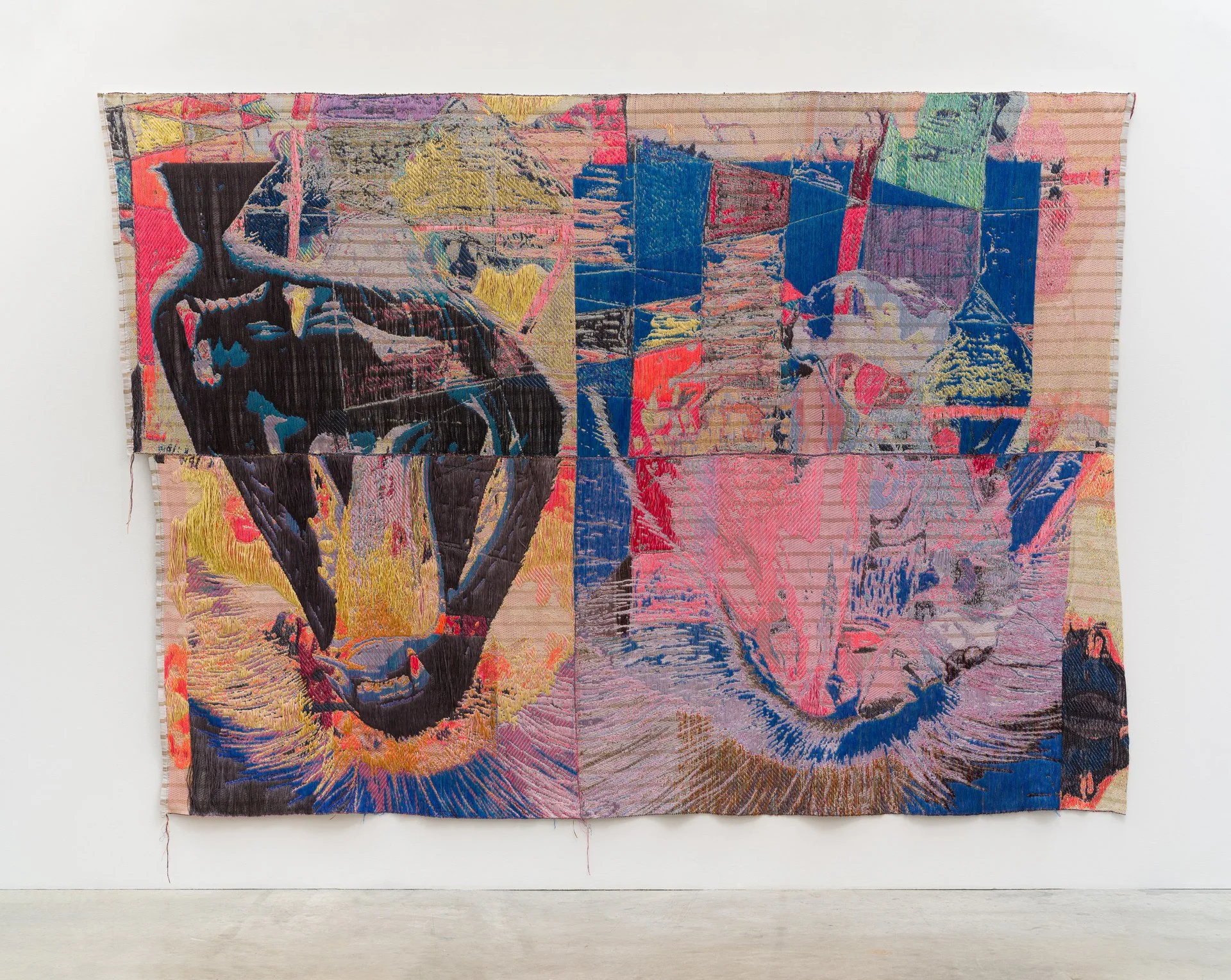
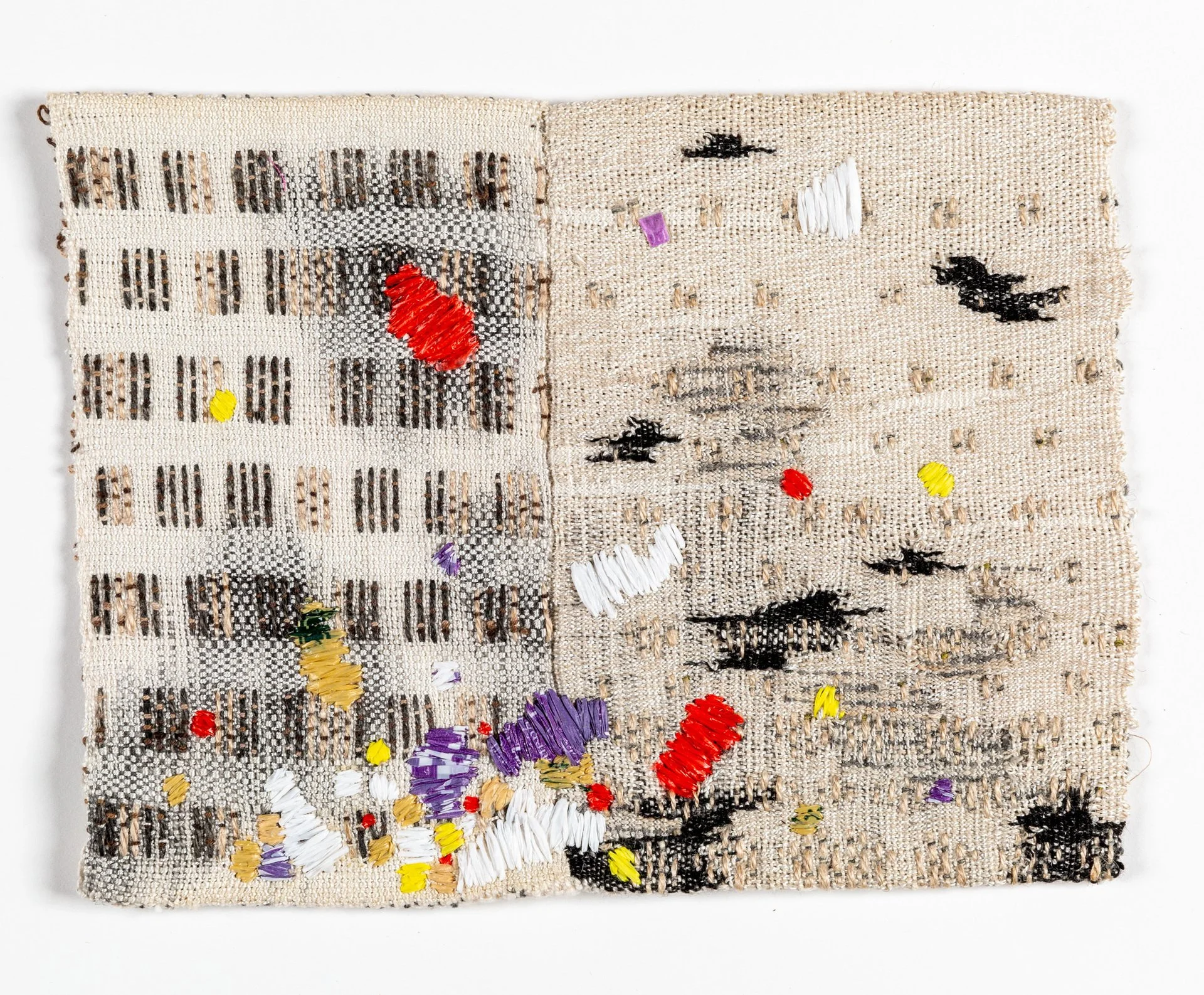
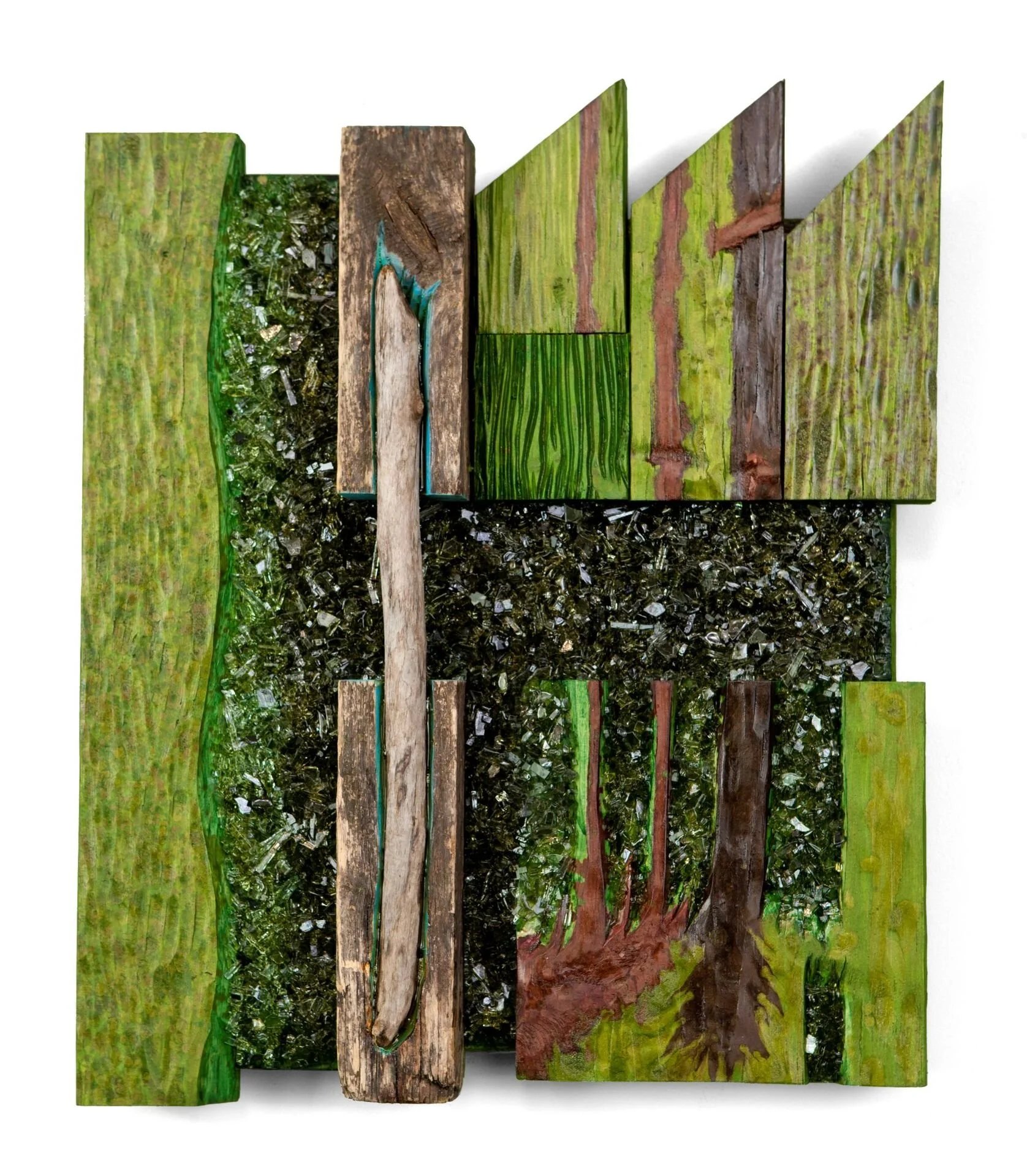
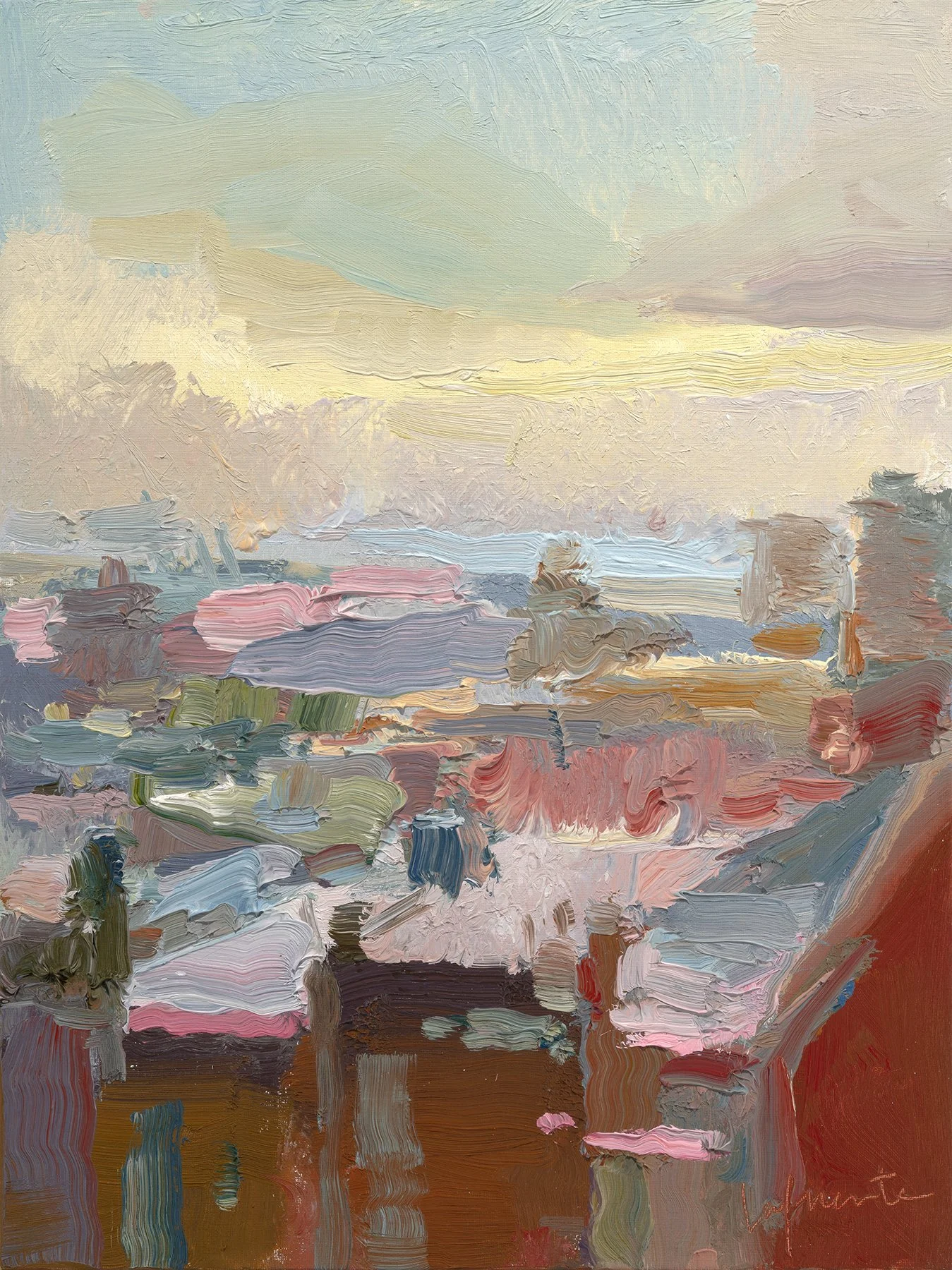
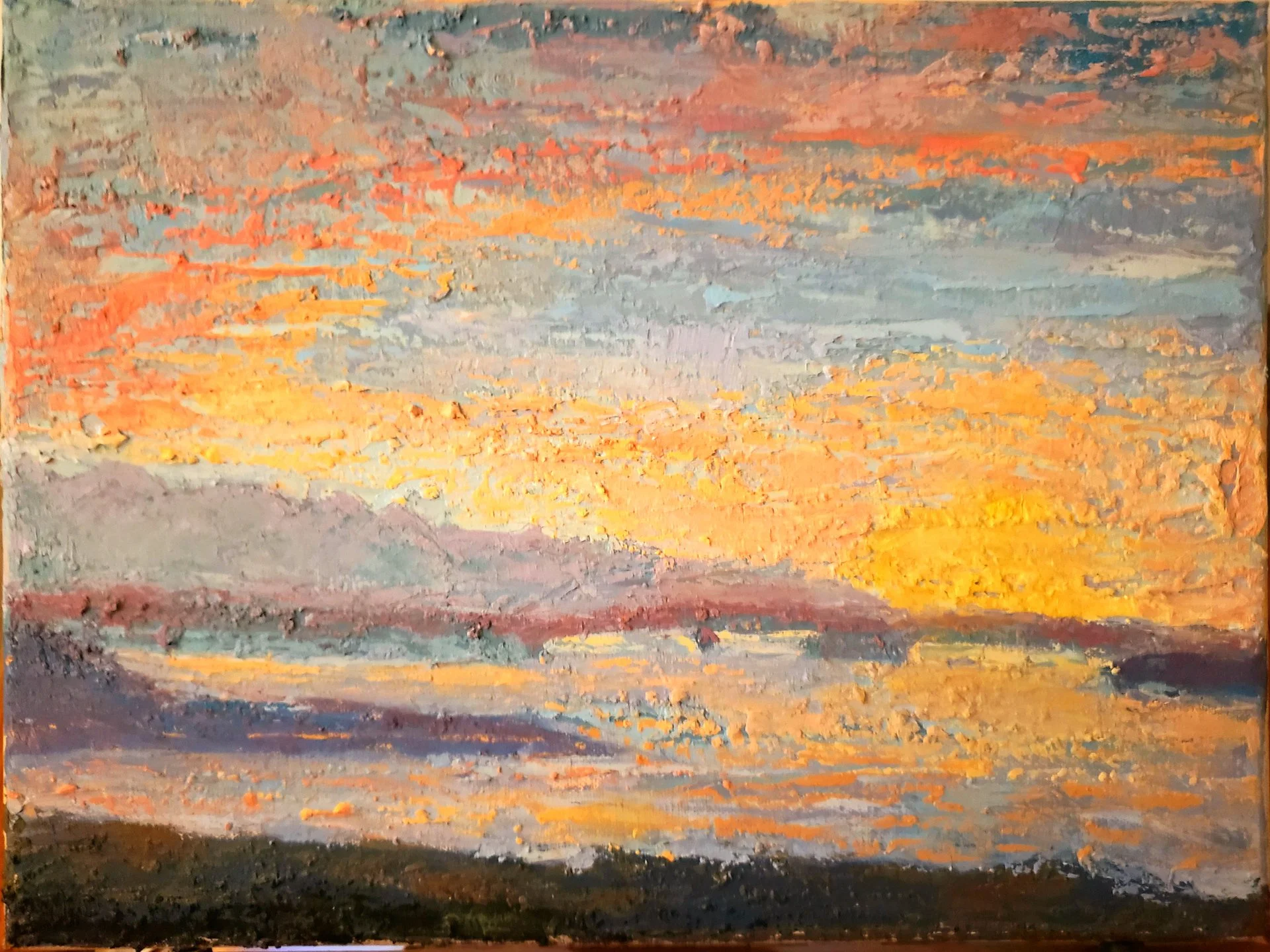
The world is full of texture, and these landscapes bring this tactility to the forefront.
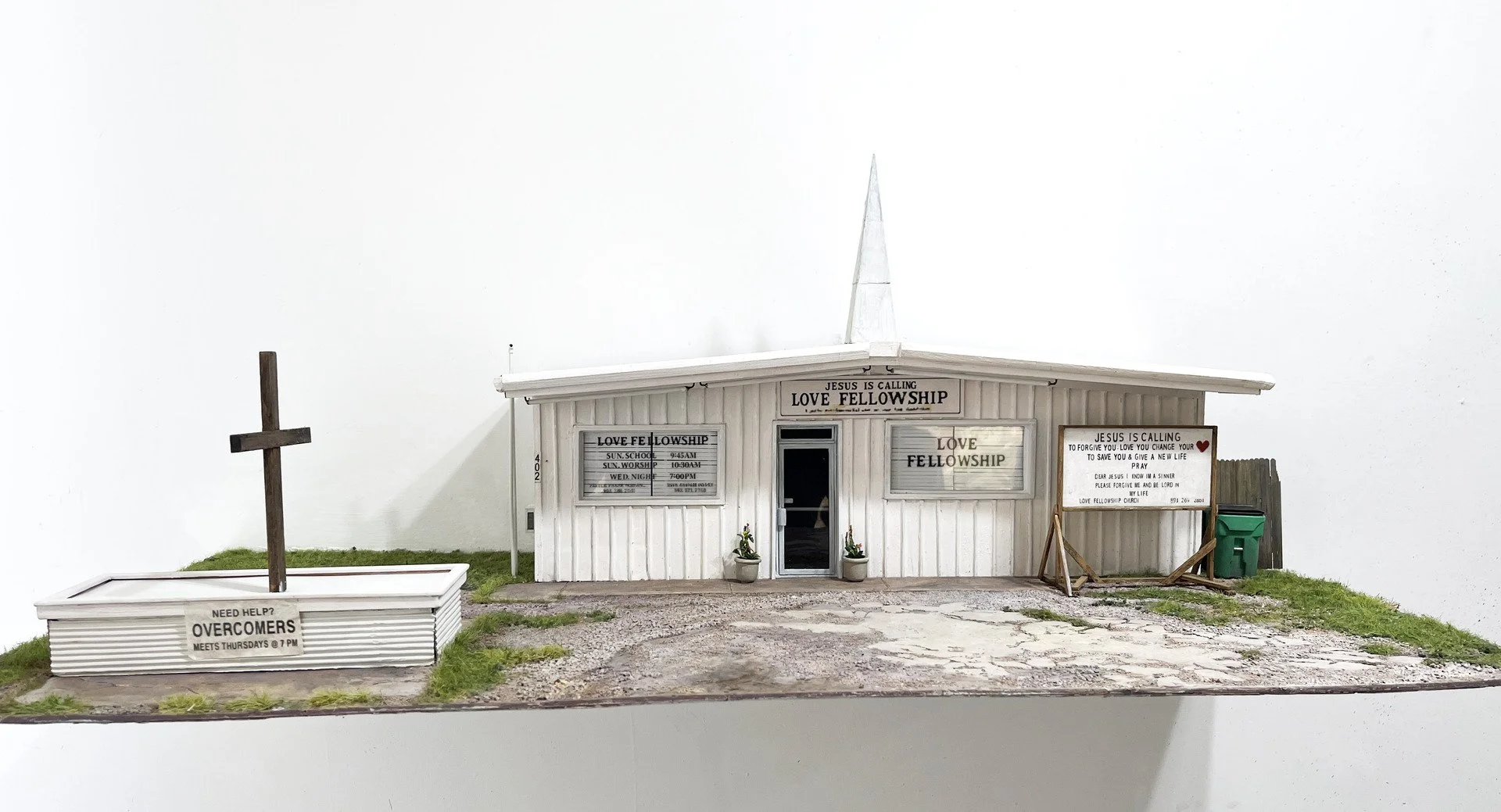
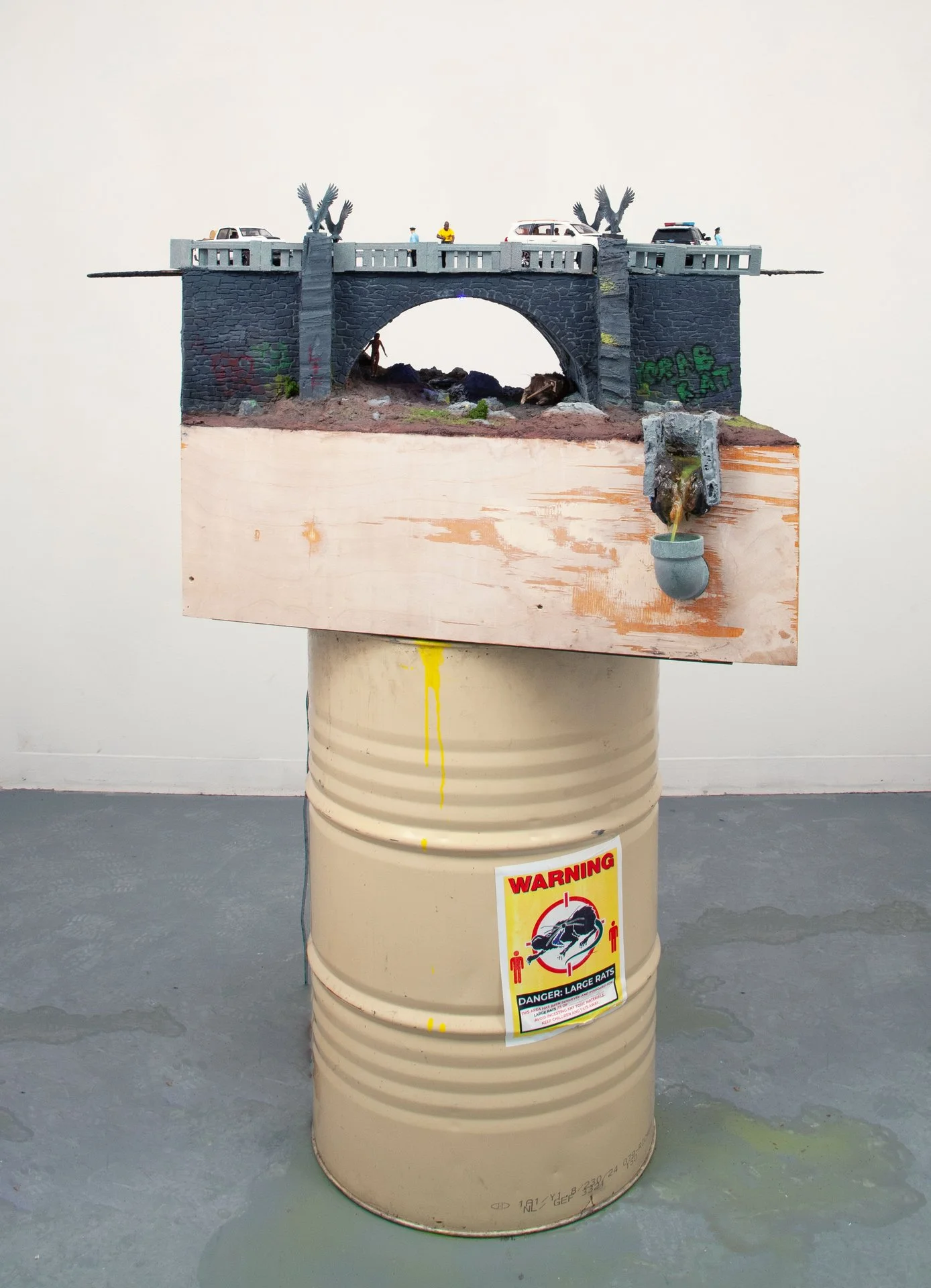
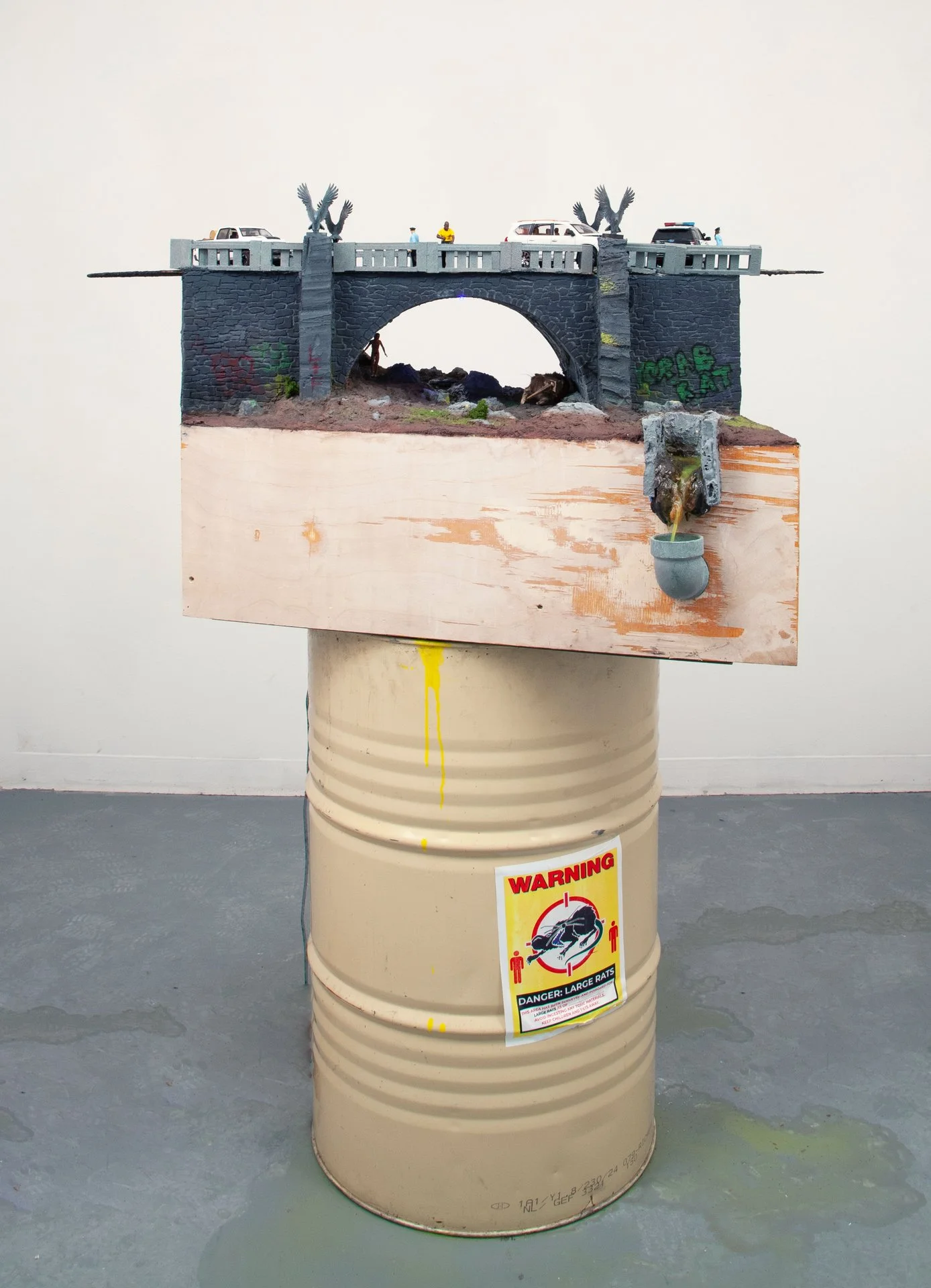
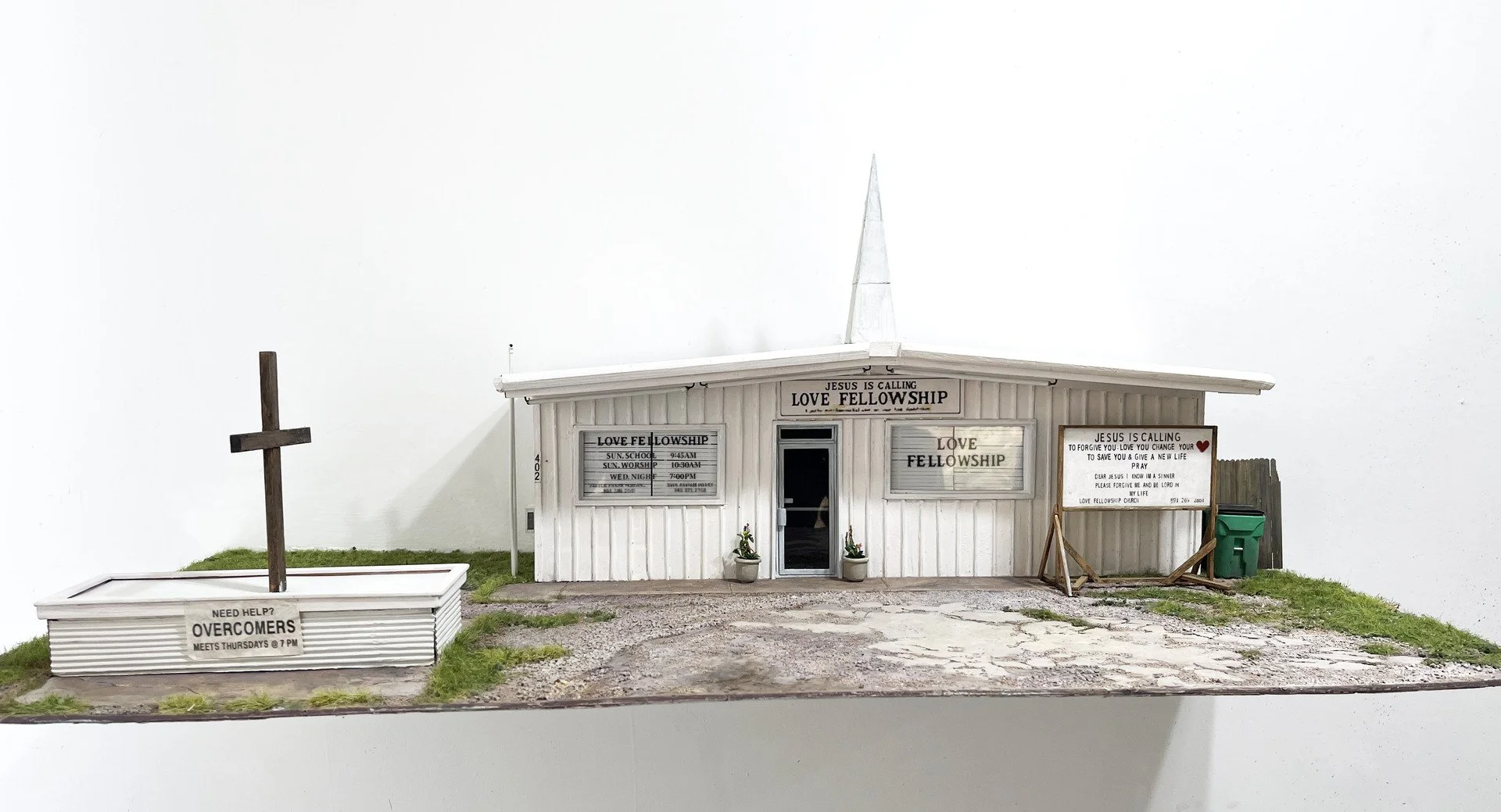
The three dimensions of Will Rothfuss’s diorama, part of The Texas Church Project, allow the viewer to fill in the surrounding landscape on their own. “The surrounding landscapes and expansive skies are edited out, leaving intimate and concentrated architectural spaces,” writes Rothfuss. Wherever the sculpture is placed, the landscape is formed by the space it inhabits, bringing the viewer's attention to their own surroundings while at the same time egging on their imagination.
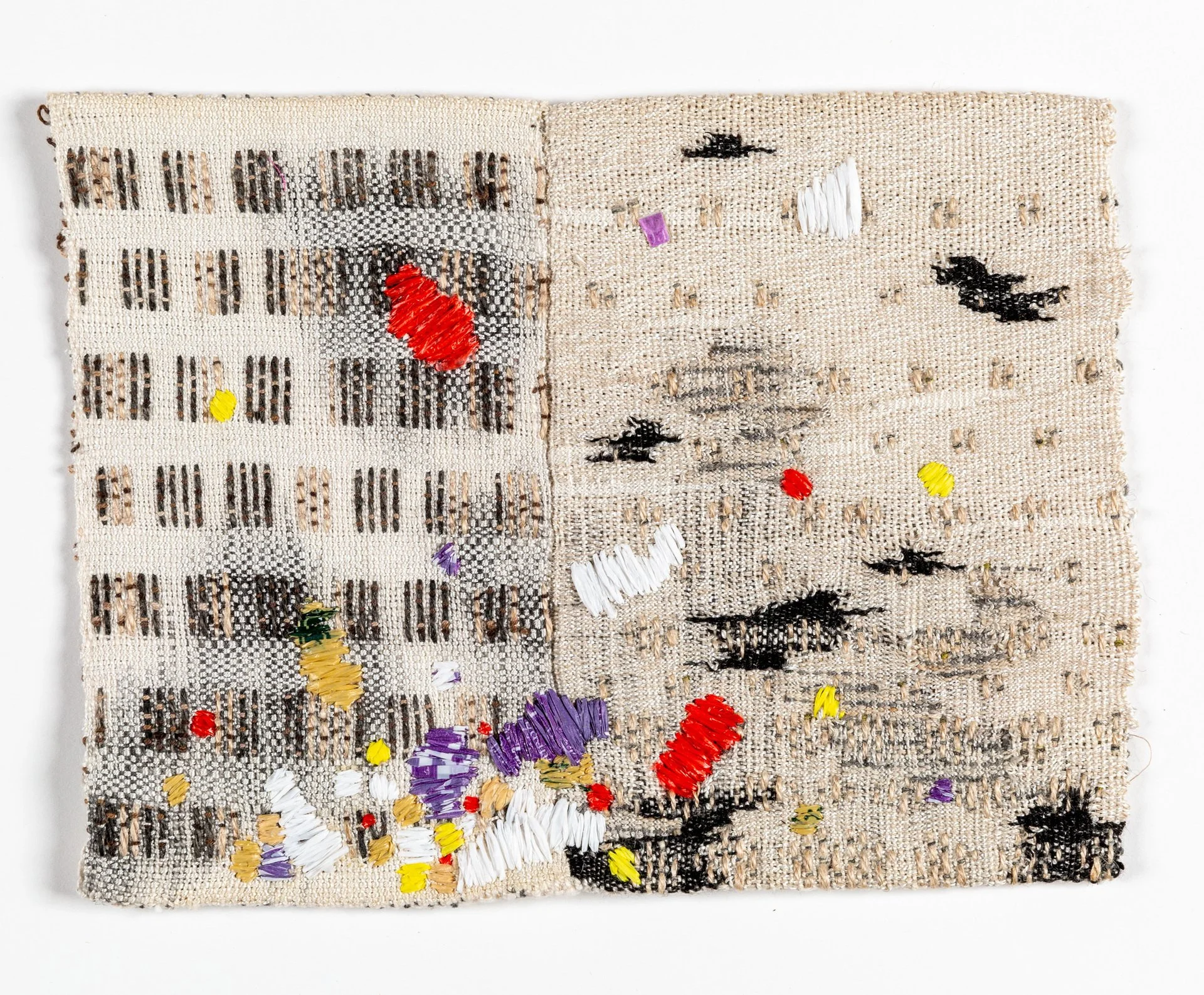
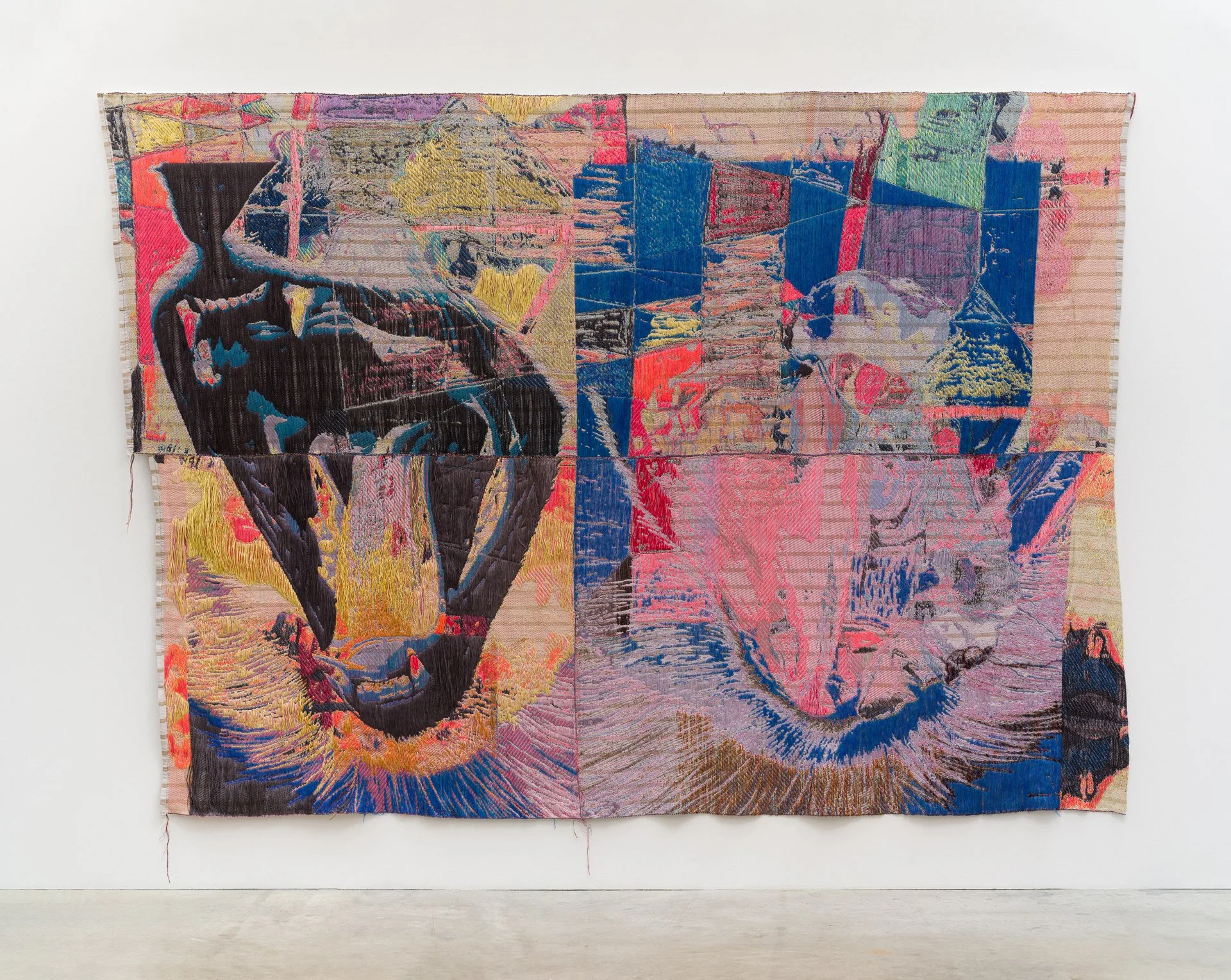
For other artists, texture and process are ways to connect artists physically to the landscapes they’re depicting. “My practice merges ancestral textile technologies with contemporary computational systems to create drawings, woven paintings, and installations; forms that operate as material artifacts, and techno-mystic interfaces,” writes Shelley Socolofsky. “Working at the intersection of craft, code, and cosmology, I consider hand work and weaving as a way to think, remember, and speculate.”
Perhaps the art itself is the landscape.
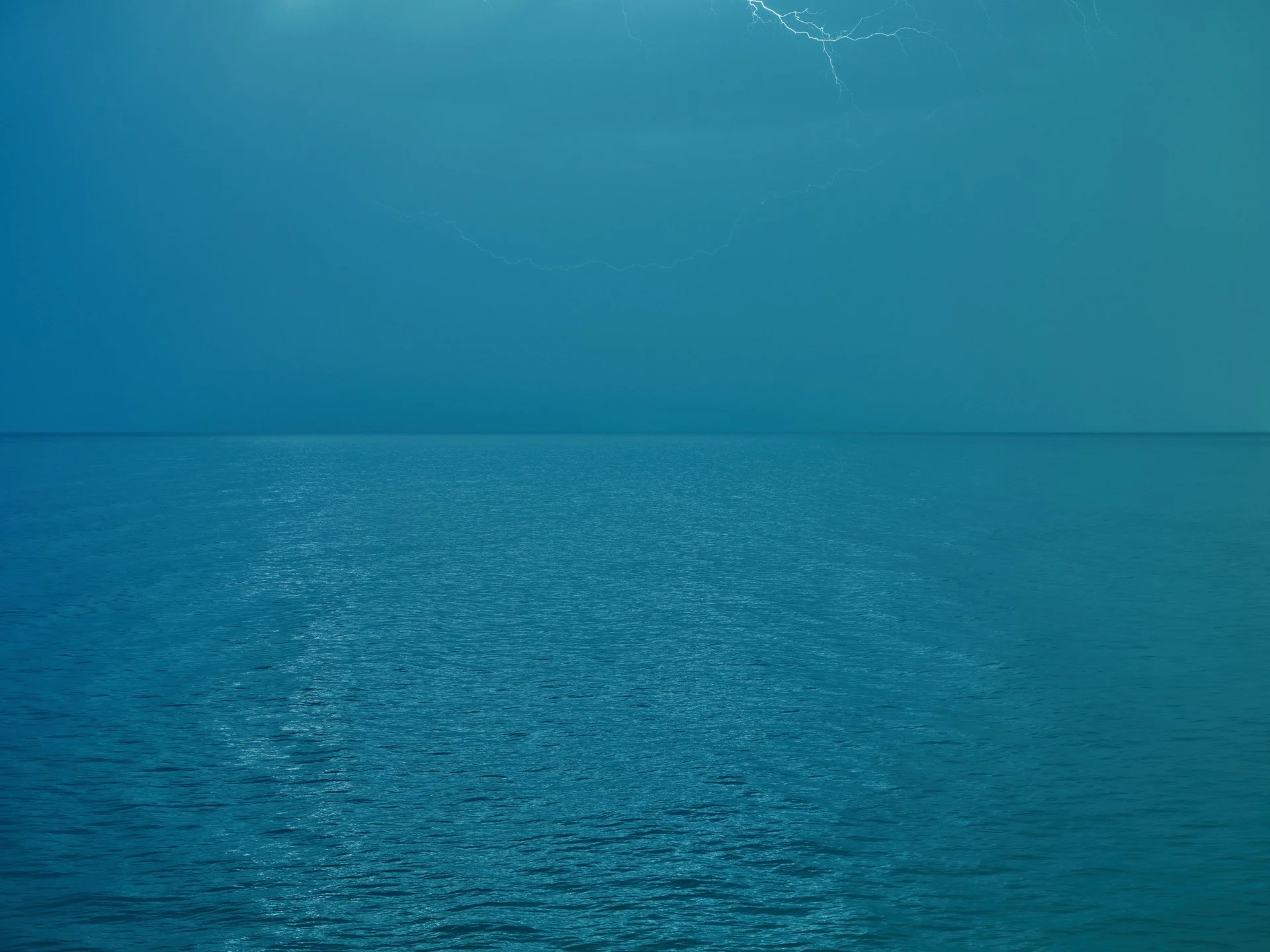
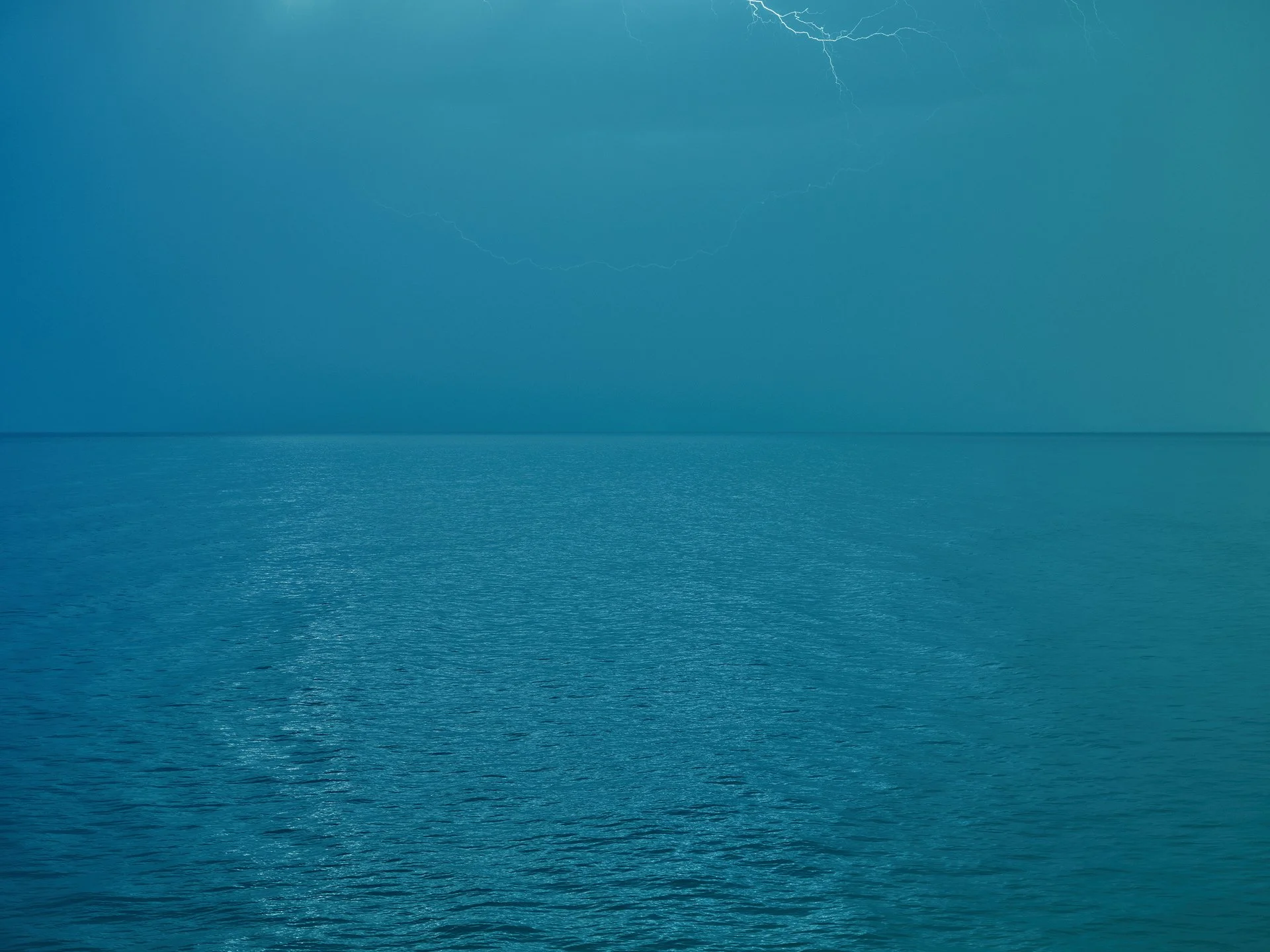
In this series, texture is depicted not only through three-dimensionality but also by drawing attention to the subtleties of the landscape itself. This is seen in Filippo Brancoli Pantera’s photograph, which forces us to look closely to distinguish the line between sea and sky, the only difference being a slight change in texture across an expanse of blue. Texture teaches us to look at the world around us, understanding the vastness through the nuances in feel and touch.
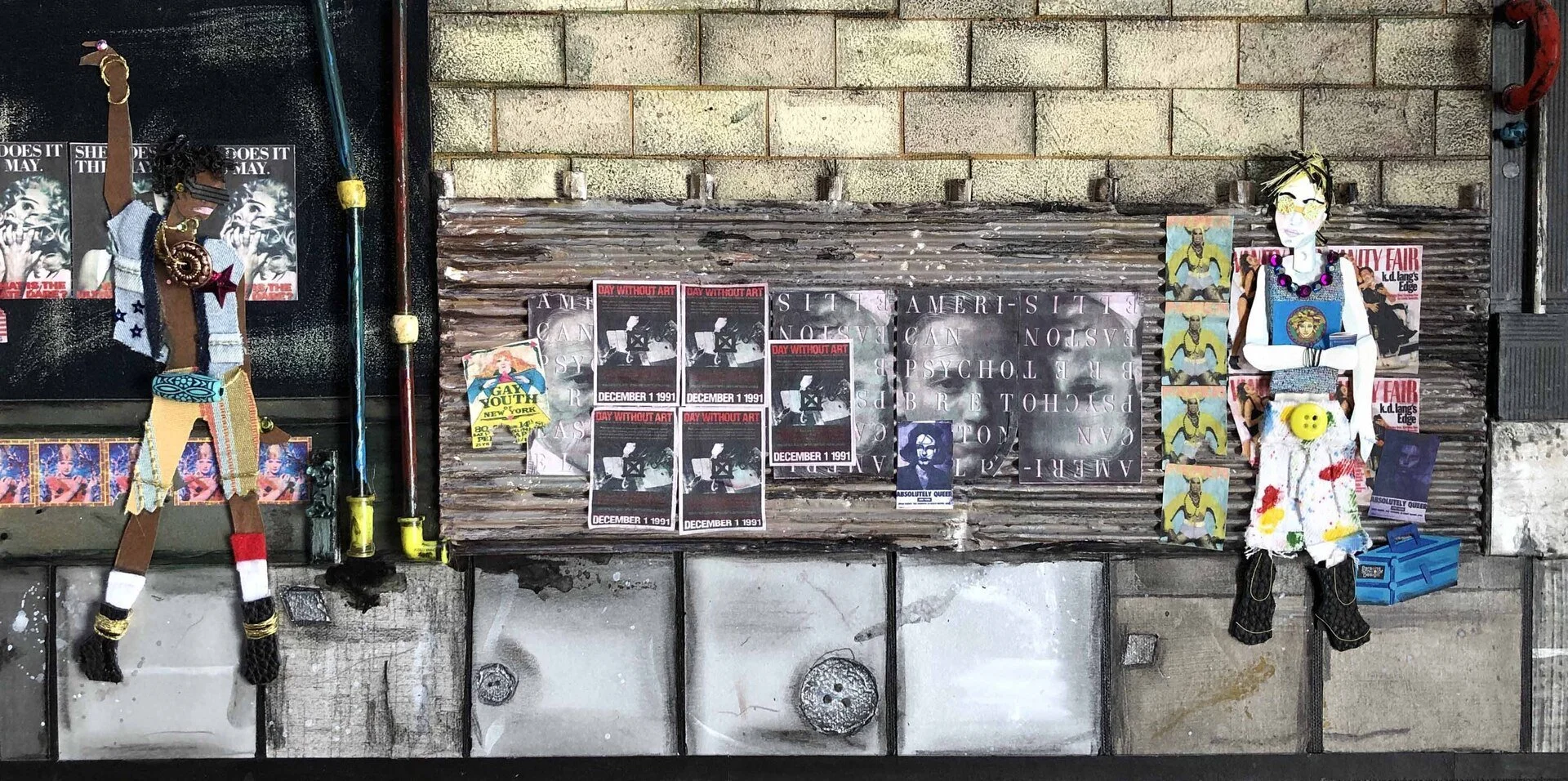
![Julien Tomasello The Writing on the Wall [NYC, 1991] - Detail, Panel 02 Triptych collage on canvas panels 12" x 72" x 2" $2,500.00](https://images.squarespace-cdn.com/content/v1/55abdff2e4b08ed55aed55b8/1777568891437-IVEIVGKXY0KYU1D125VO/Tomasello_000055_539366_388576_17083.jpg)
WALL 5
Cindy Cowley / Robert Crifasi / Kenneth Hochberg / Ruaidhri Kelly / Ila Kita / Sophia Lapres / Sue M Funk / Jay Rasin / Abhishek Sharma / Ryan Standfest / Eric Zuccola
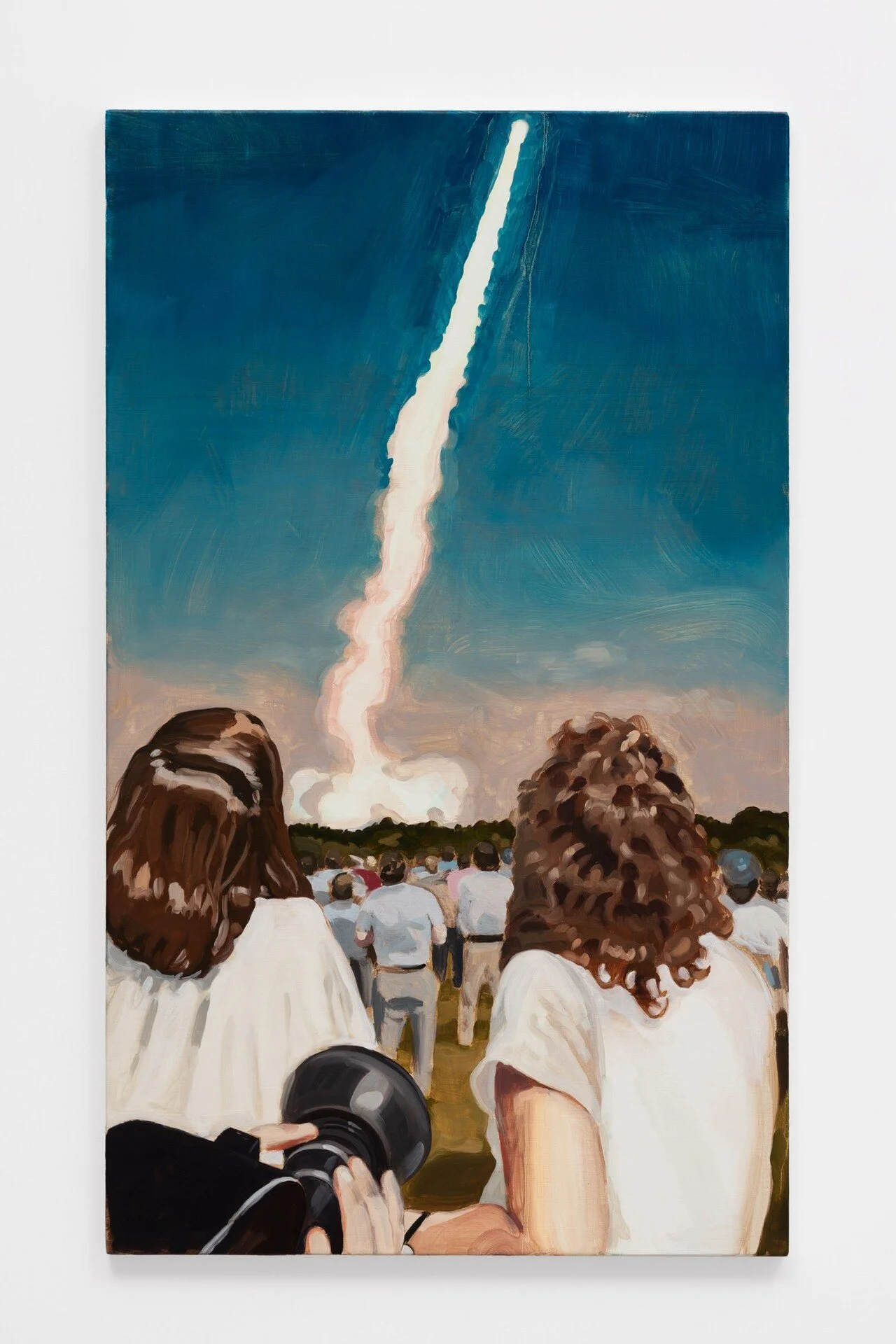
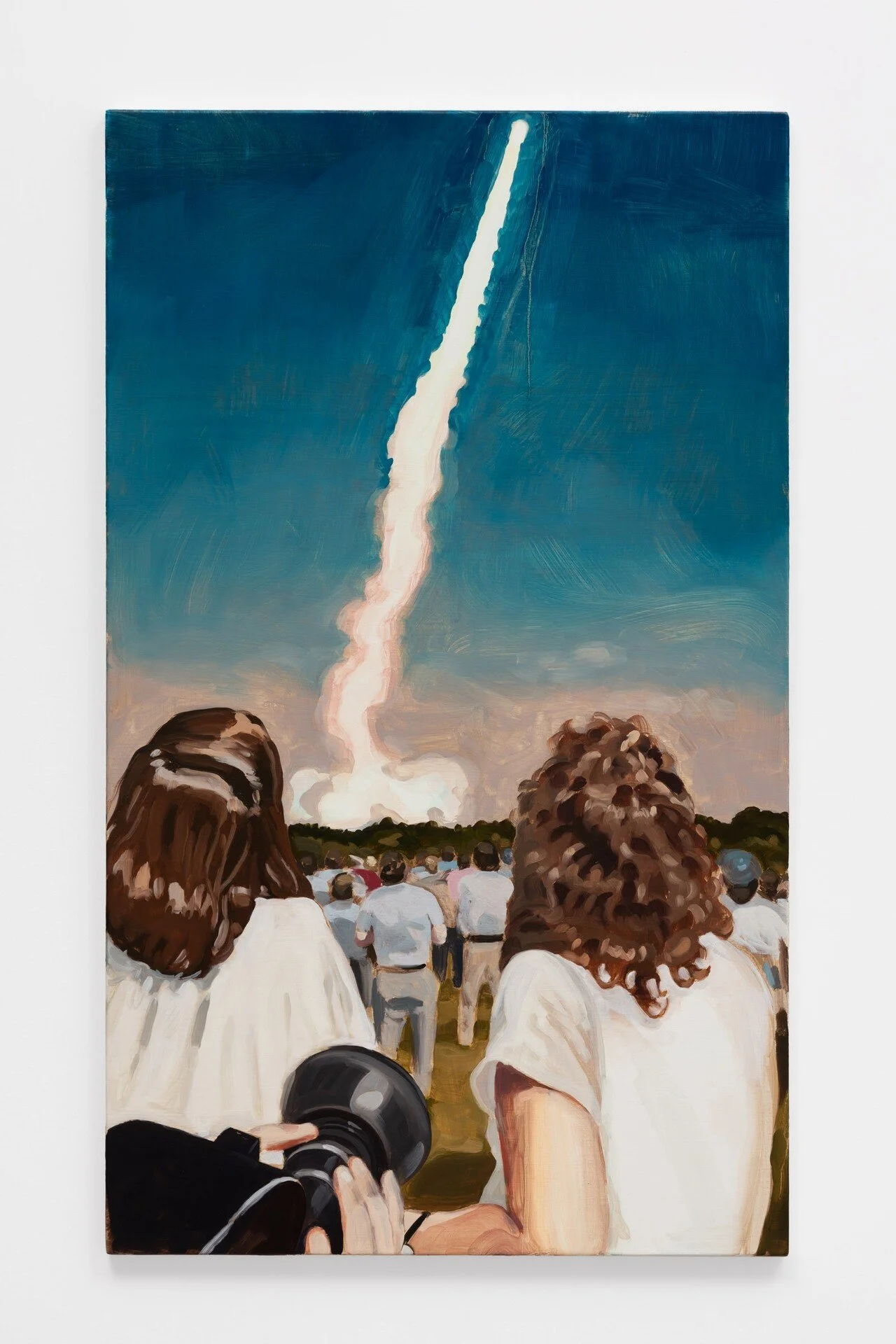
As I was going through the submissions for this exhibition, four astronauts were floating in space on a monumental trip to the moon. I watched interviews with them, with an endearing time-lapse that made it seem as if they were deeply thoughtful (I’m sure they are!). I saw photos they shared of the Earth surrounded by only blackness. I also couldn’t help but think of all the space tragedies, and had trouble concentrating until they were home safe.
What is our fascination with space? Can we really understand the gravity—some pun intended—of what it means to live on earth without seeing it from above? Is the globe the ultimate landscape?
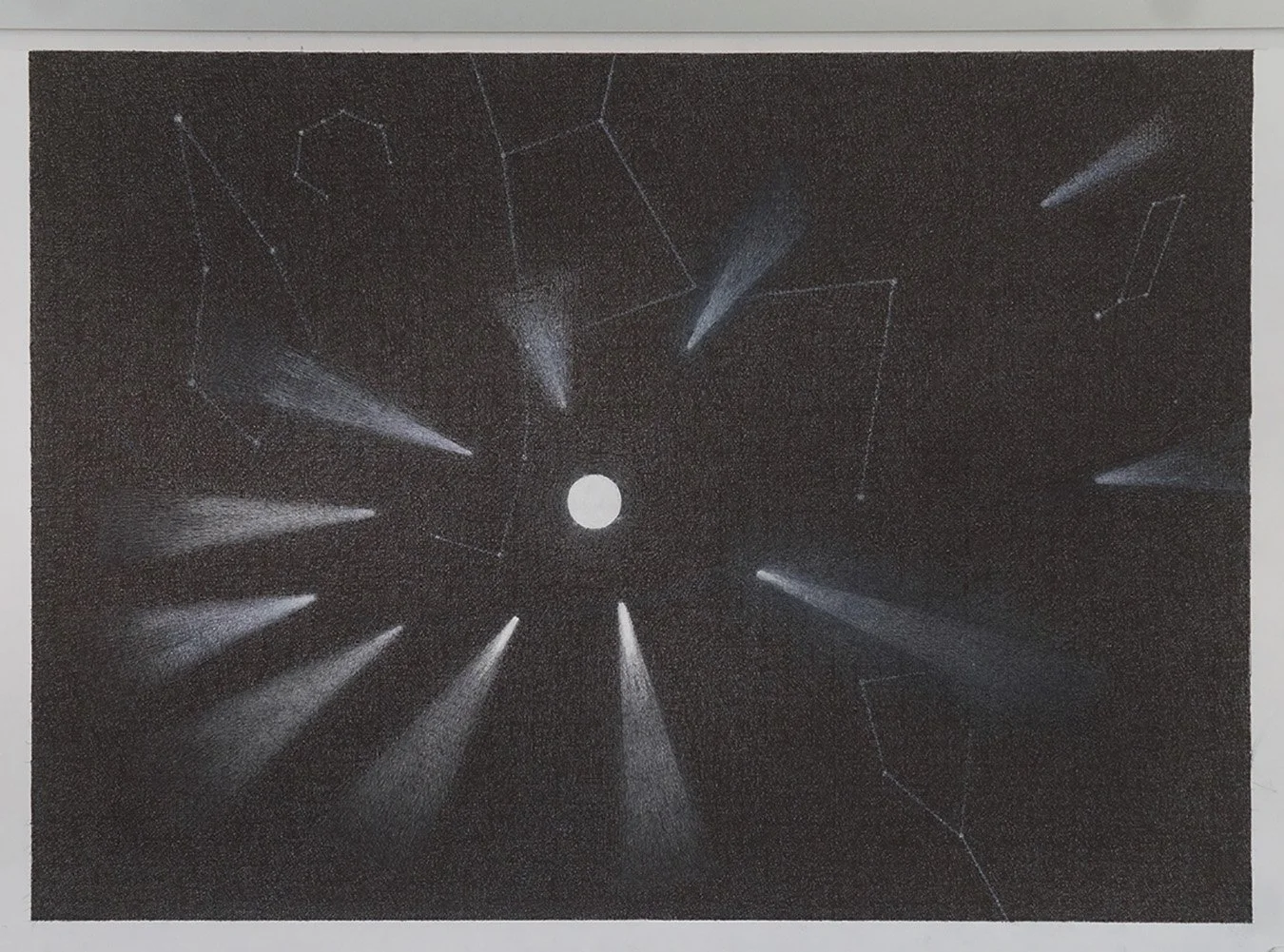
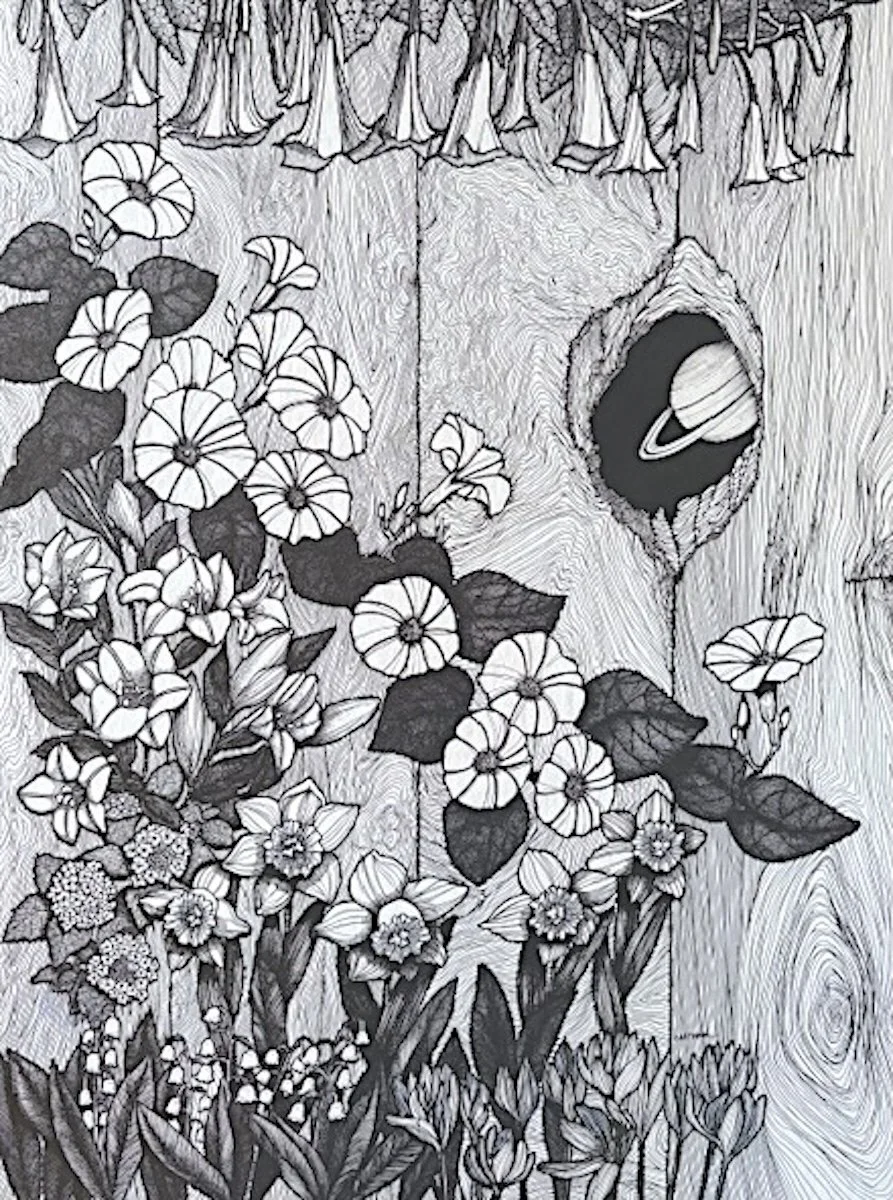
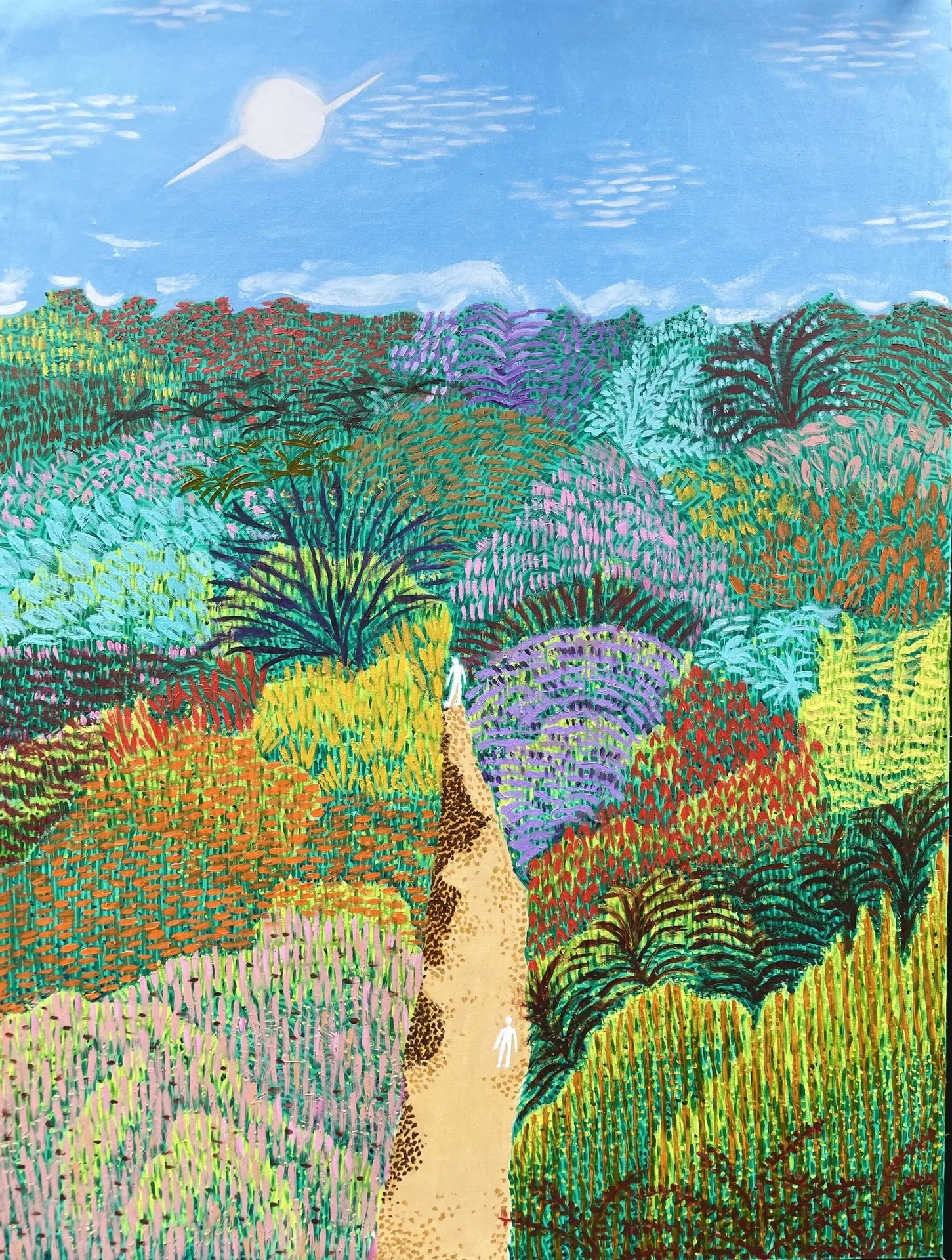
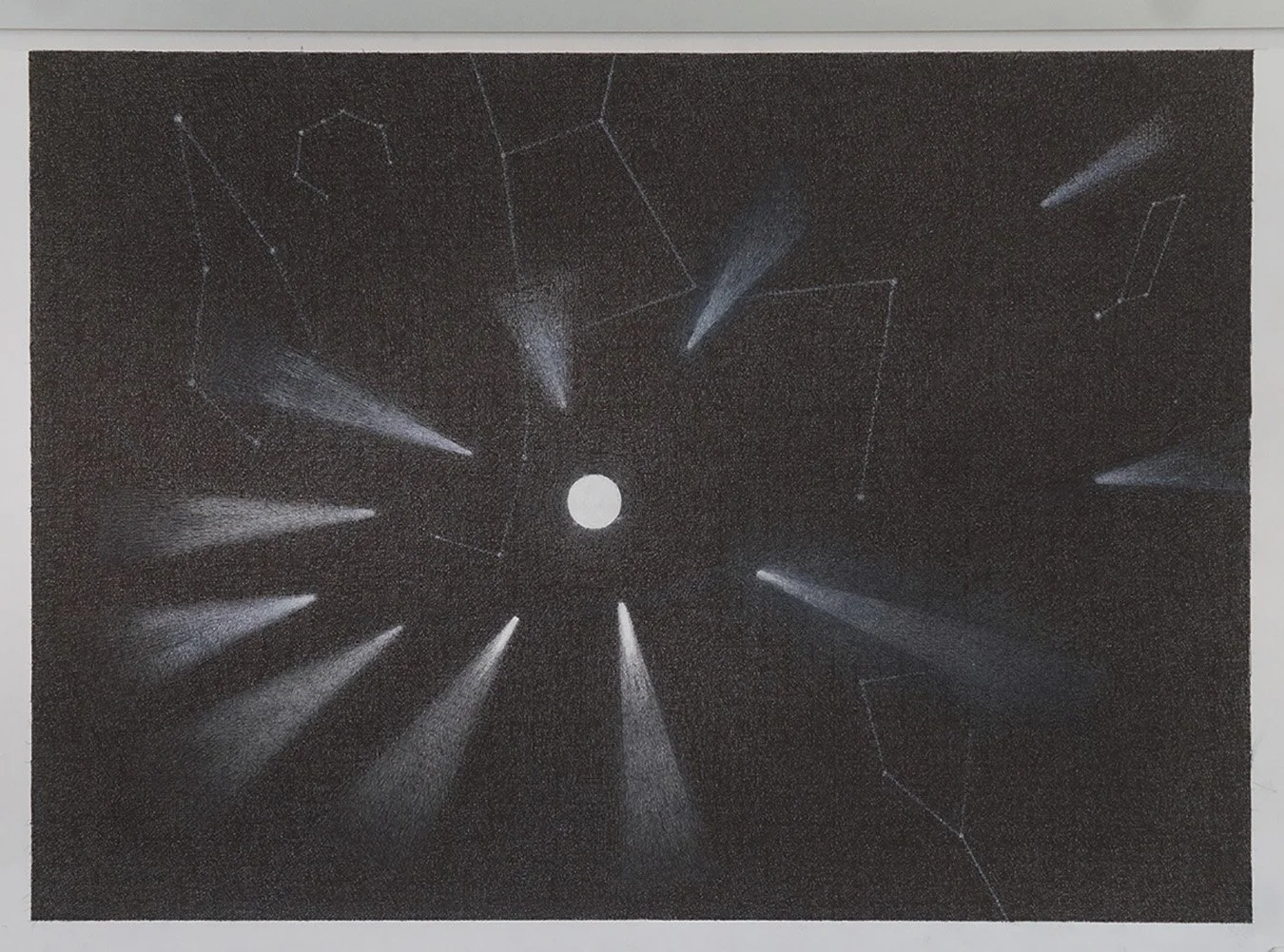
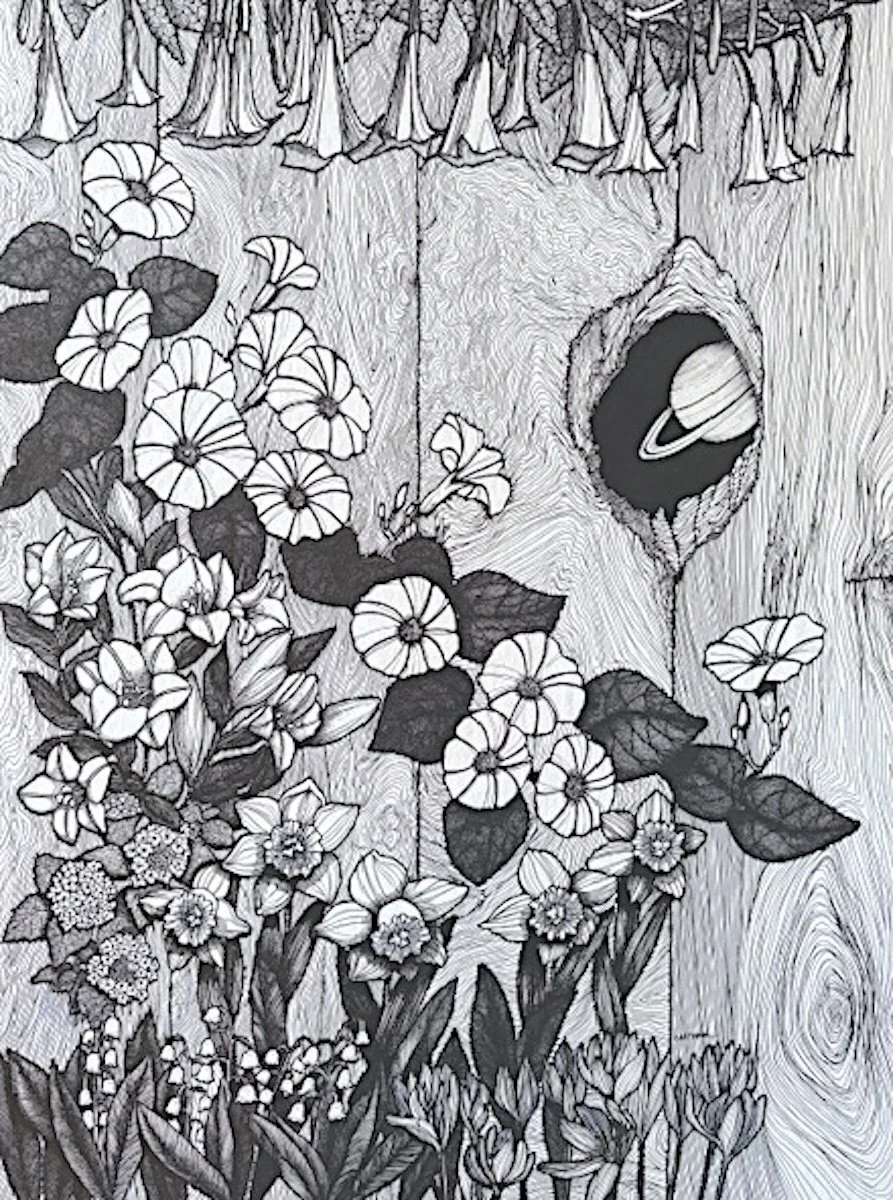
These landscapes are imbued with equal parts anxiety and hope. They prominently feature the moon, sun, and planets—nudging us to understand our own magnitude within infinity.
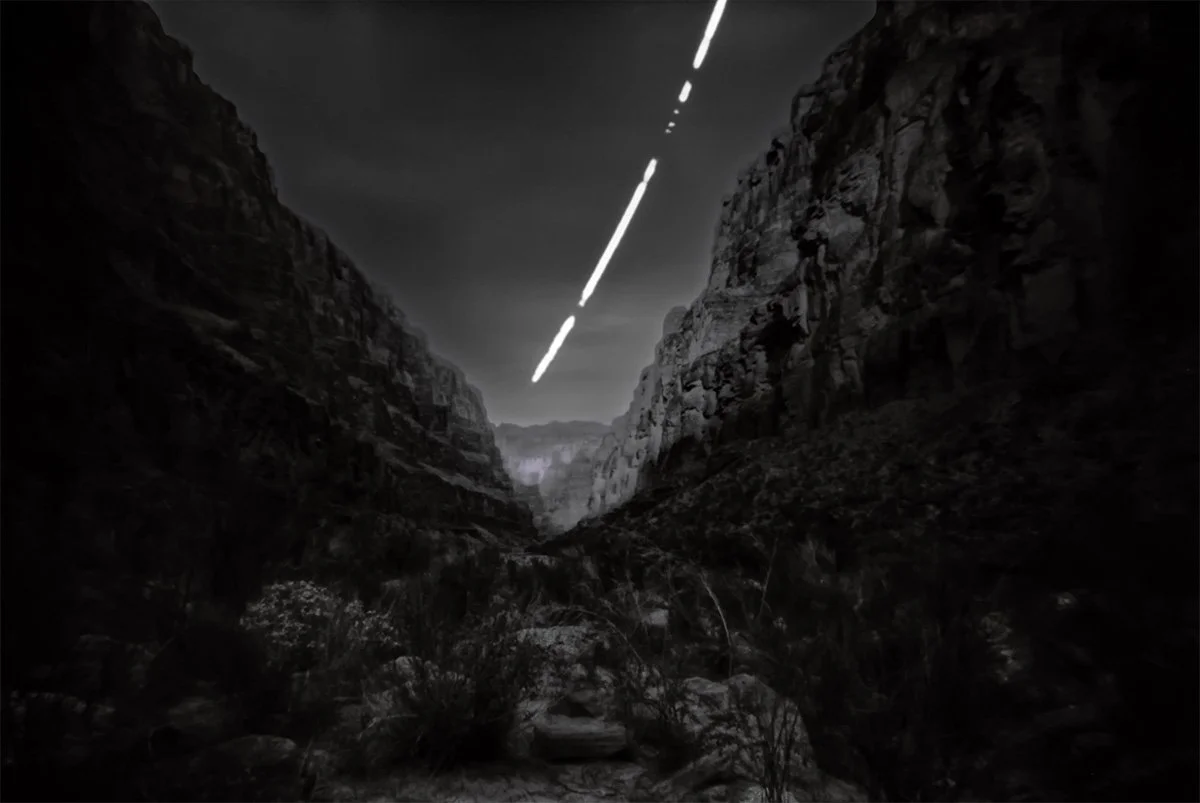
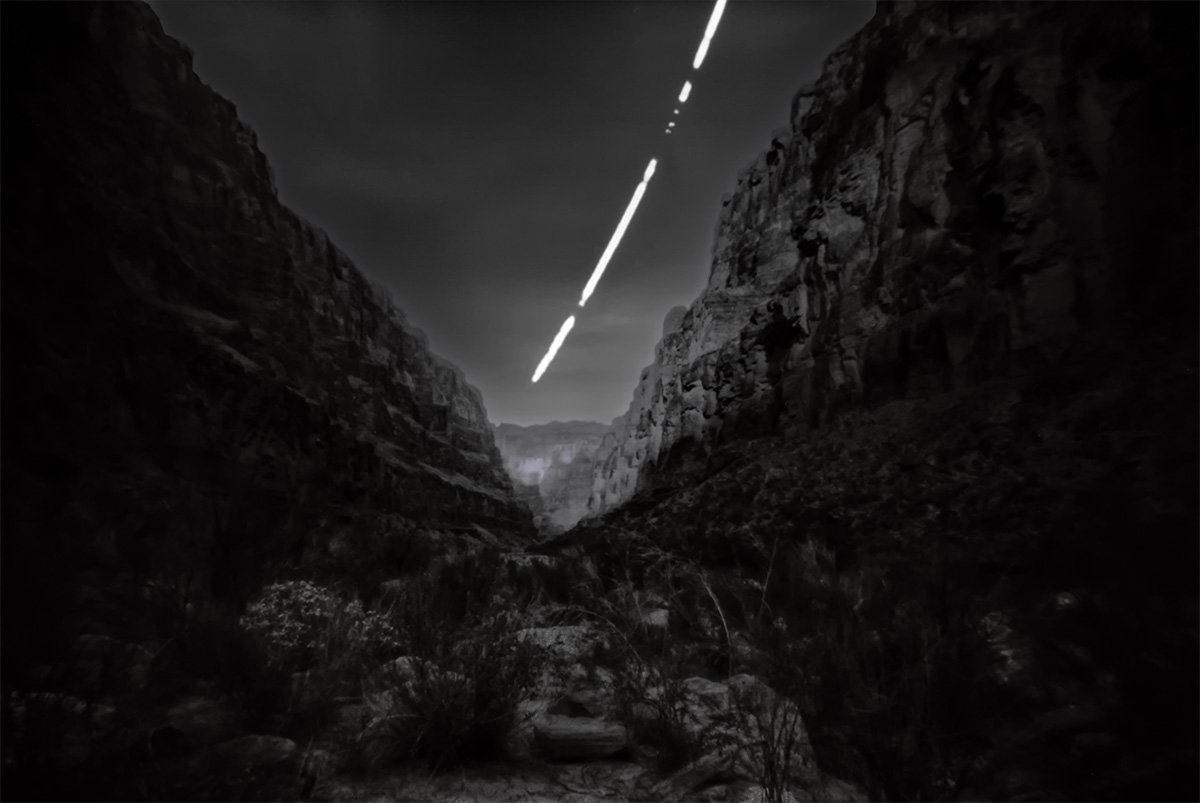
In his Moon Streak series, Robert Crifasi traces the moon, a task not without its challenges: “The greatest difficulty I face in creating these images is accessing the scene at the correct phase of the moon and being lucky enough to have a mostly cloudless sky. Consequently, this is an inherently slow photography process that produces only a few good images per year,” he states.
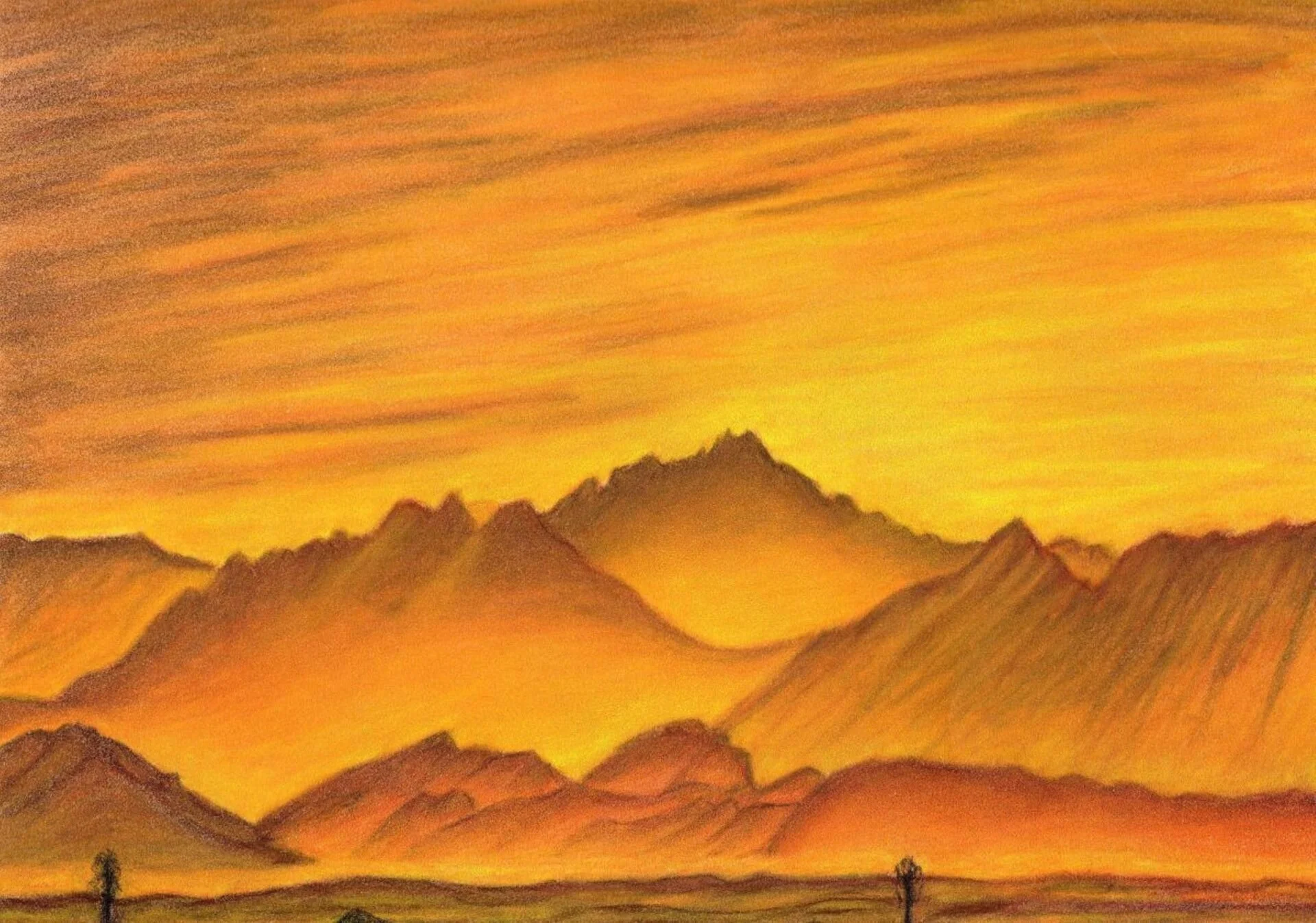
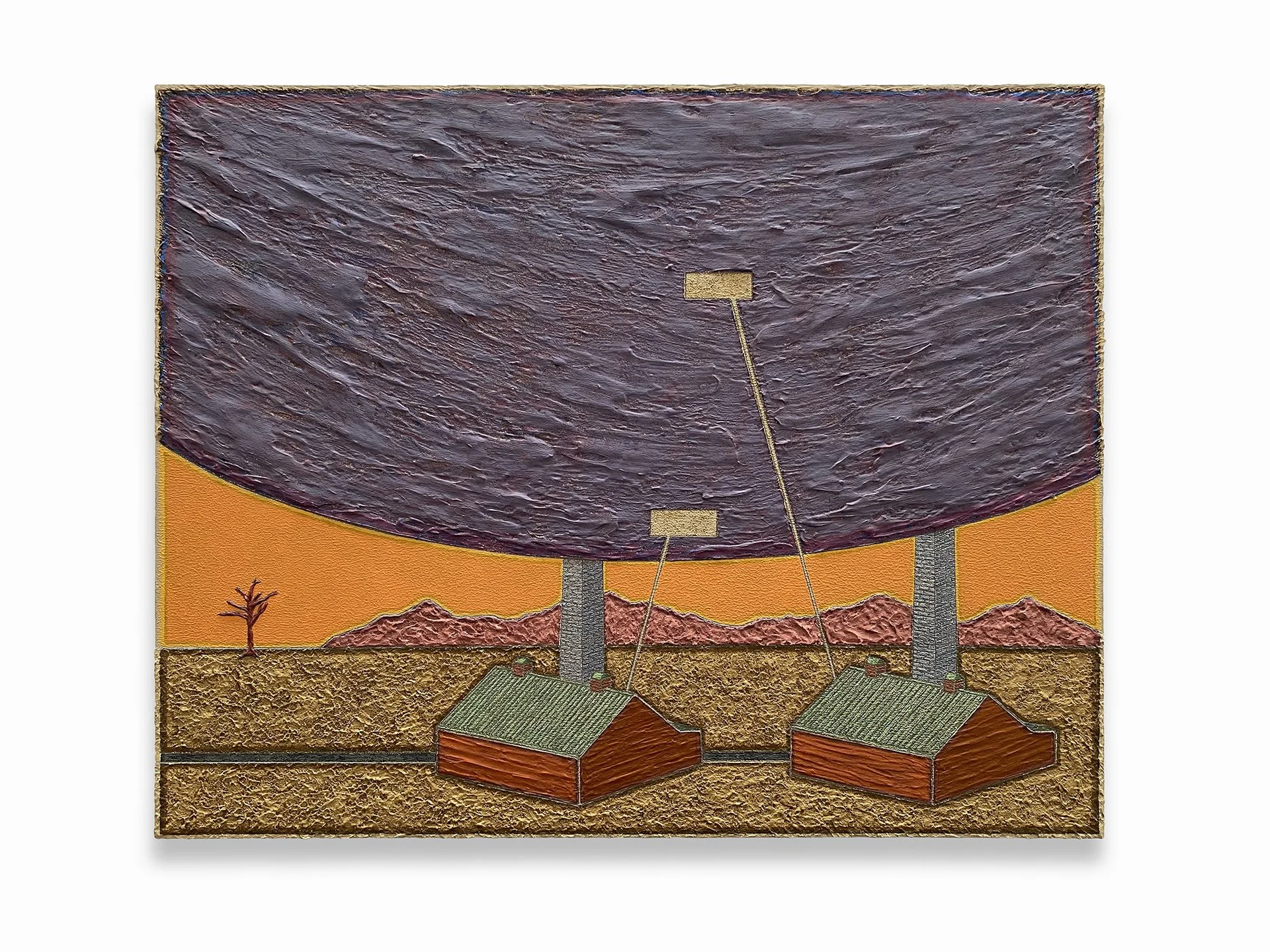
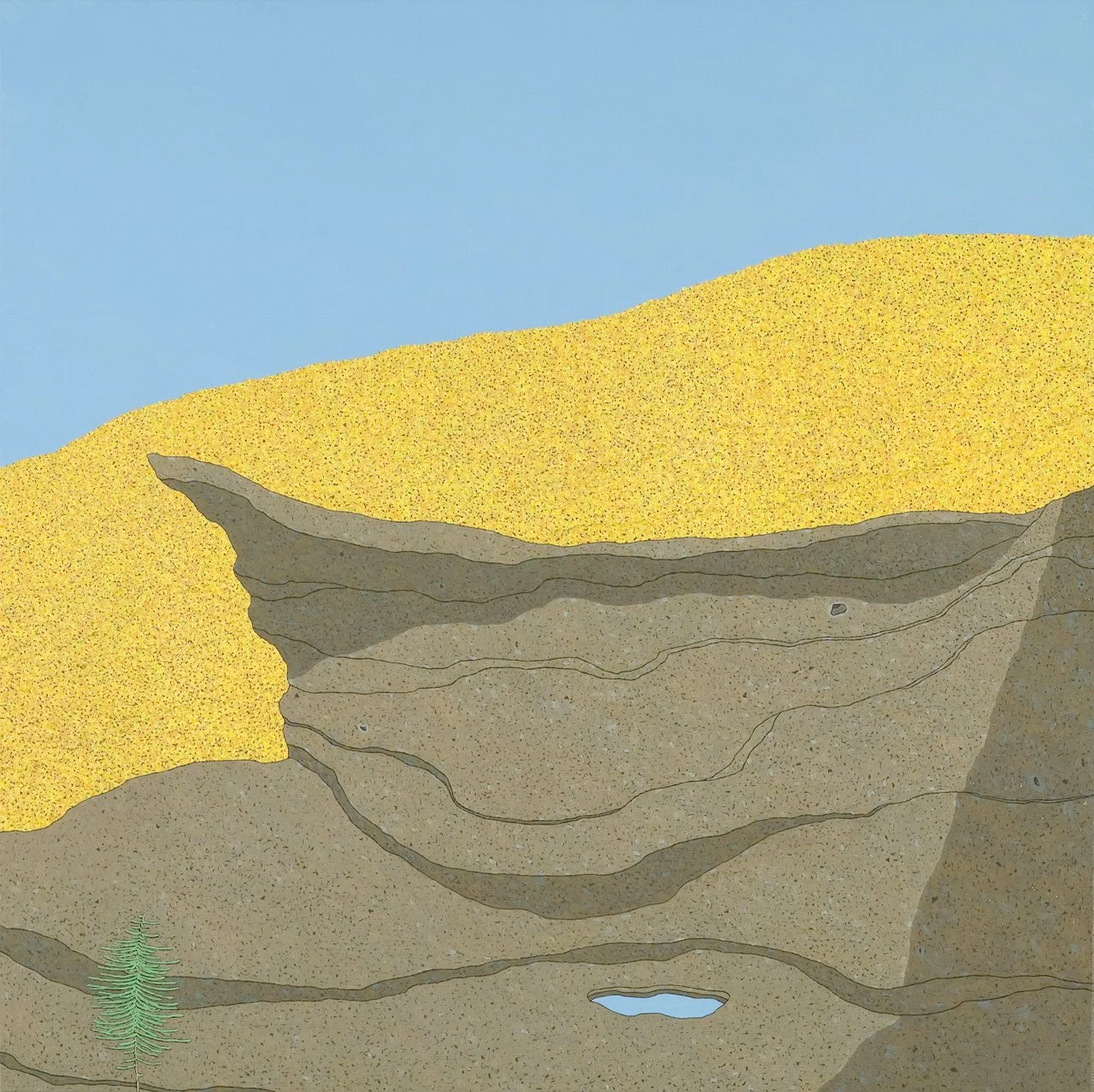
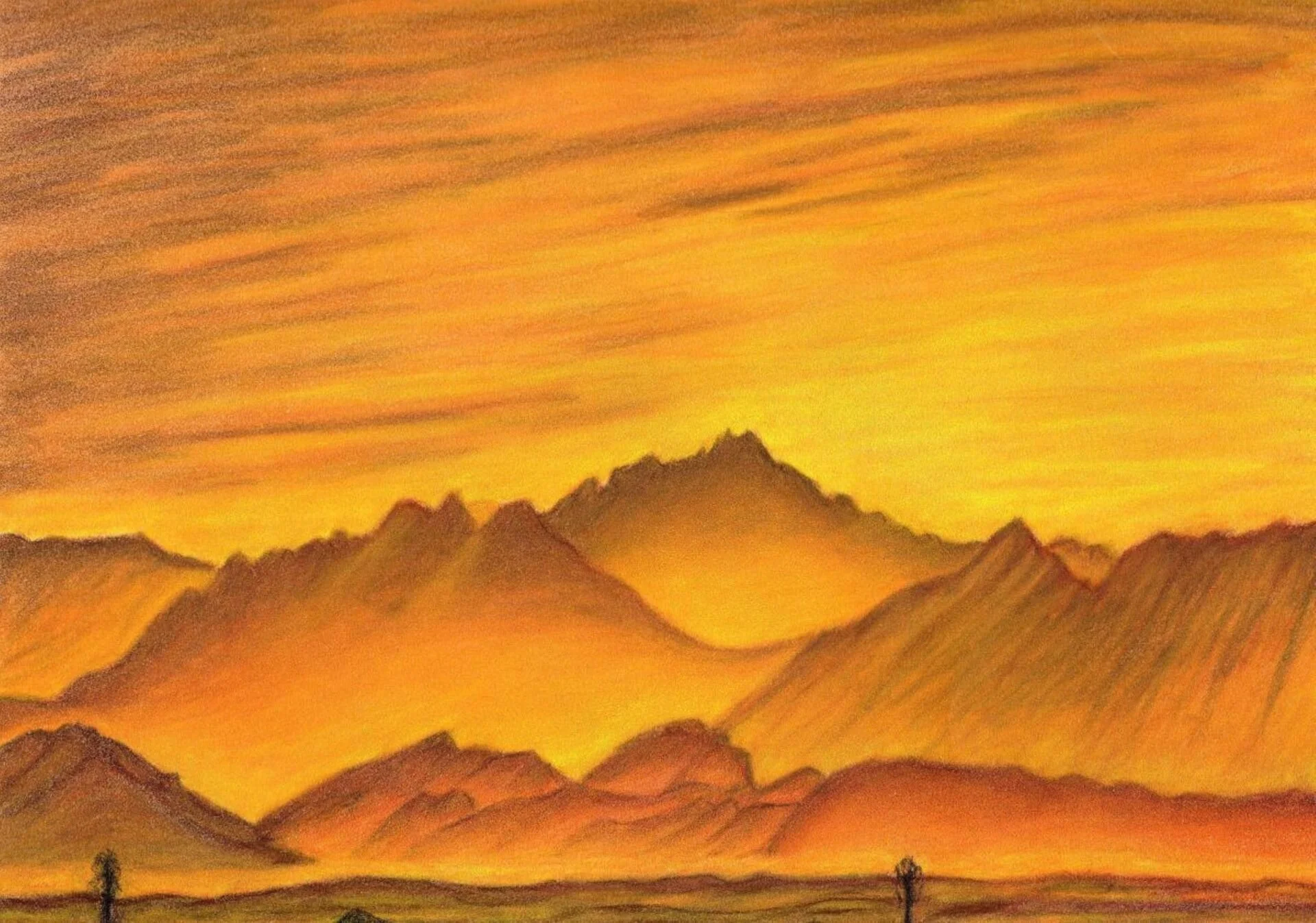
I’d like to admit that not all these works actually have anything to do with space. Take Cindy Cowley’s painting of the desert, for example. “The stunning Southwestern desert is nothing short of breathtaking. The captivating beauty of this landscape has deeply touched my heart and my life,” writes Cowley. Here, I let my imagination run wild. What if the Southwestern desert might actually be Mars? How beautiful is the world that a landscape can be so many things at once?