Handmade
Juried by Pallavi Surana
Curatorial Statement
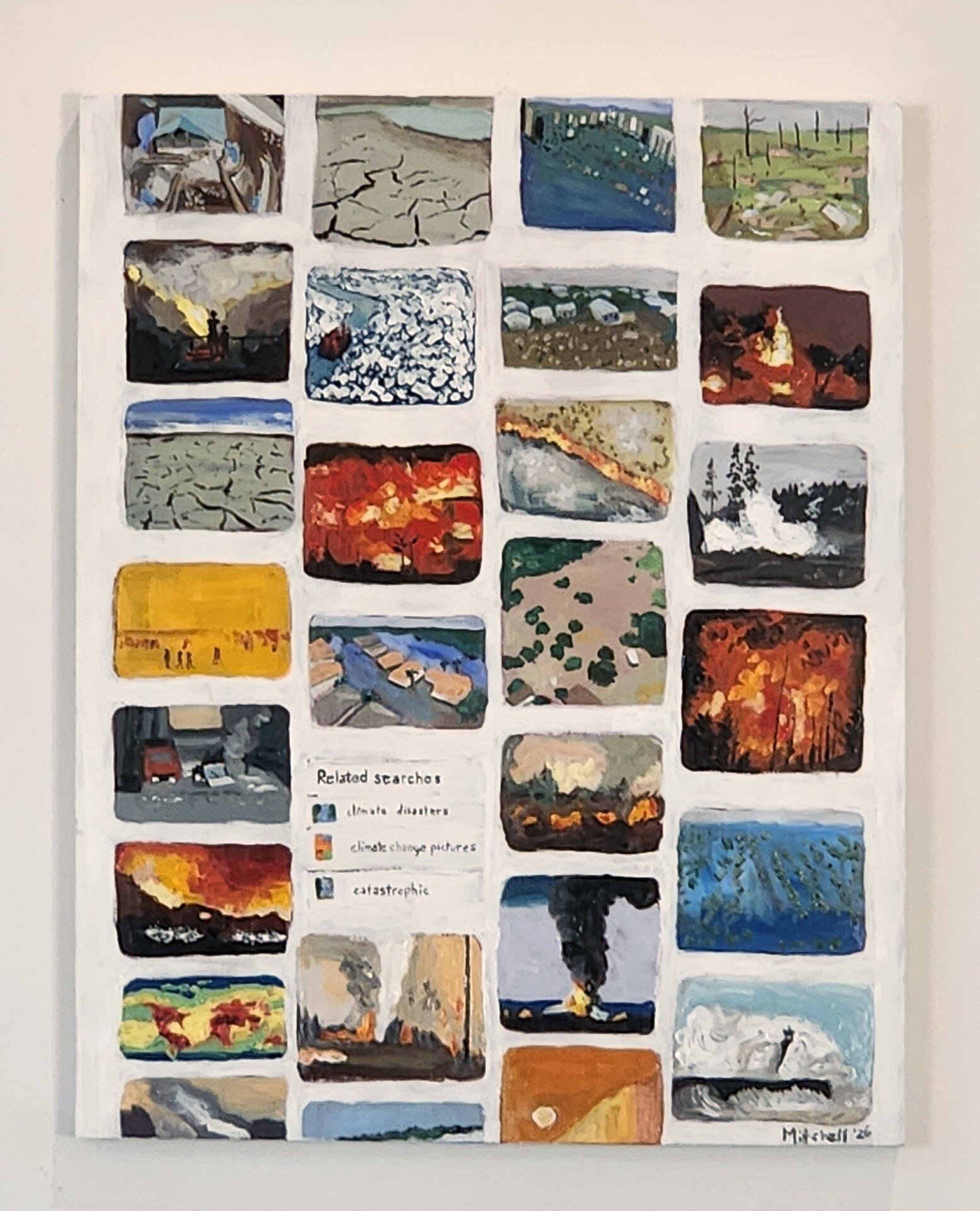
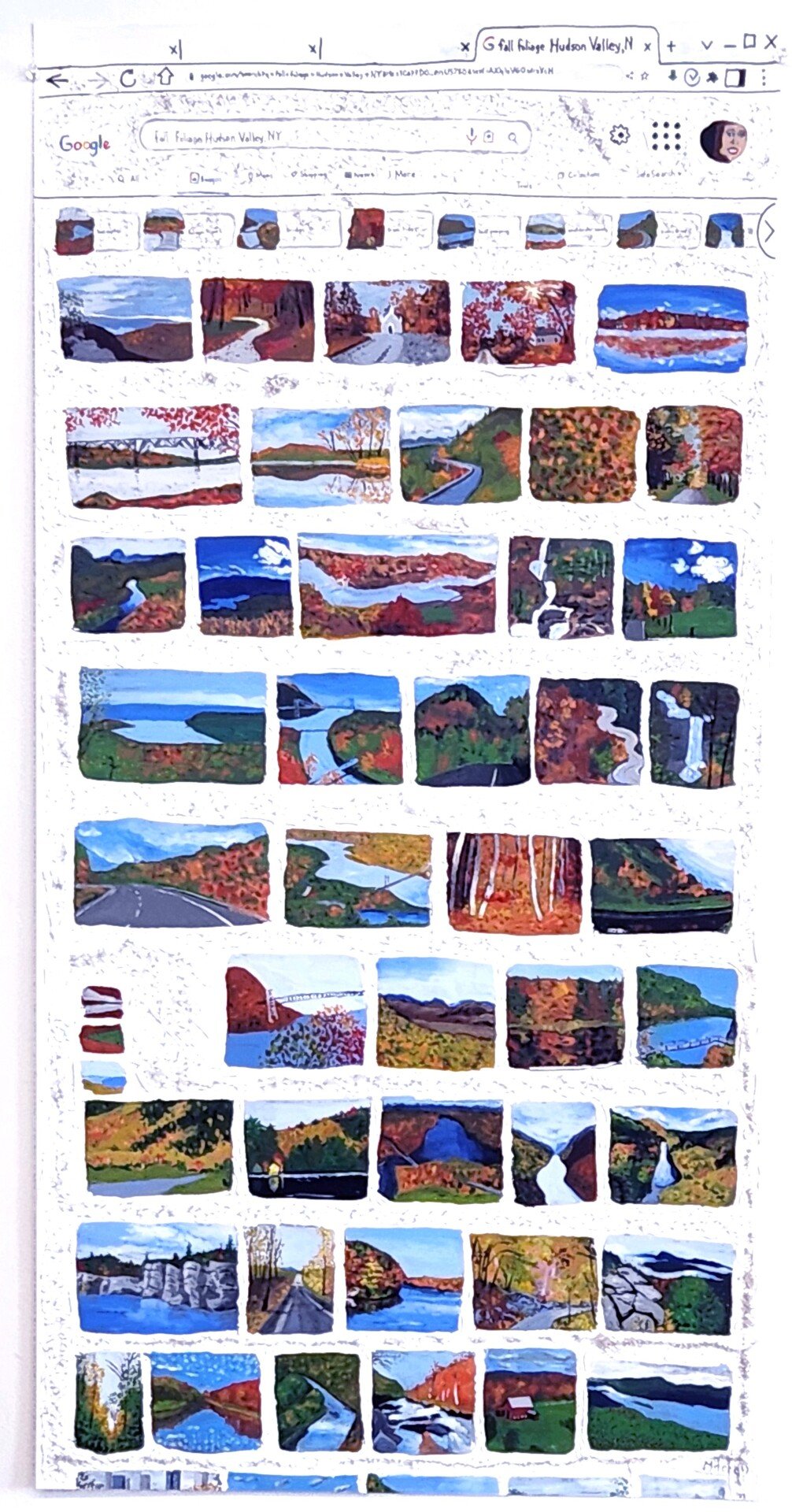
I began thinking about Handmade through Marilyn Mitchell’s tongue-in-cheek paintings, in which she painstakingly reproduces images found through Google searches in oil on canvas. There was something amusingly contradictory about this process, one that resonated with my own experience of looking through a large number of submissions for an exhibition devoted to the handmade, all through the LCD screen of my laptop. I approached the task with a certain screen-induced lethargy, conscious of the distance between the material objects being presented and the digital images through which I was encountering them.
This contradiction feels particularly characteristic of our time. The screen has become an almost inescapable intermediary in our encounters with art and objects, flattening differences of scale, texture, weight, and material into a uniform field of pixels. Even works that are resolutely physical, made through processes of carving, stitching, painting, or molding, increasingly reach us first as digital images. The handmade object thus acquires another layer of mediation, circulating through technologies that can represent its appearance but cannot fully communicate the physical experience of its making.
Yet, as I moved through the submissions, my initial fatigue gave way to an appreciation of the ingenuity, rigor, and earnestness with which artists continue to approach materials. What emerged was both a celebration of technical skill, and a consideration of the many ways in which the hand remains implicated in how we observe, interpret, and make sense of the world.
The works brought together in Handmade approach this relationship from different directions. Some employ humor and irony to explore the gestures, images, and habits of contemporary life. Others foreground the physical properties of their materials, allowing processes of transformation, resistance, and chance to shape the final object. Still others use repetitive and labor-intensive techniques to register experiences of time, memory, and perception that might otherwise remain elusive.
In an increasingly digital world, the handmade is not necessarily the opposite of the technological. Rather, these works suggest that the hand continues to negotiate between the physical and the virtual, the intentional and the accidental, the intimate and the collective. If the screen has fundamentally altered how we encounter objects, the act of making by hand remains a way of thinking through the world, one gesture, mark, and material at a time.
About the Juror
Pallavi Surana is an arts writer and curator based in New York. Since 2024, she has been working on projects with Kiran Nadar Museum of Art and with curator Cecilia Alemani. She has recently curated exhibitions at Smack Mellon (2025), GHOSTMACHINE (2025), and Hessel Museum of Art in New York (2024, 2023). Previously, she has held positions at SculptureCenter and Hessel Museum of Art, New York; Museum of Art and Photography (MAP), Flint, and St+India Foundation in India; as well as the Cookhouse Gallery and the Camden Arts Centre in London. Her writing has appeared in publications like e-flux Criticism, ARTnews, The Art Newspaper and Ocula, among others. Pallavi has been a visiting critic at various residencies around New York City, such as Pioneer Works, EFA Studios and NARS foundation, among others. She has a graduate degree from the Center for Curatorial Studies at Bard College, NY.
Purchase Inquiries
All works are available for purchase unless marked NFS (not for sale). For purchase inquiries, please contact the gallery.
Wall 1: The Hand Has a Mind of Its Own
Meron Alon / Nina Liu / Jo Margolis / Swapna Das / Cora McAnulty / R.A. McBride / Marilyn Mitchell / Olivia Morrow / Clara Nulty / Hong Yang
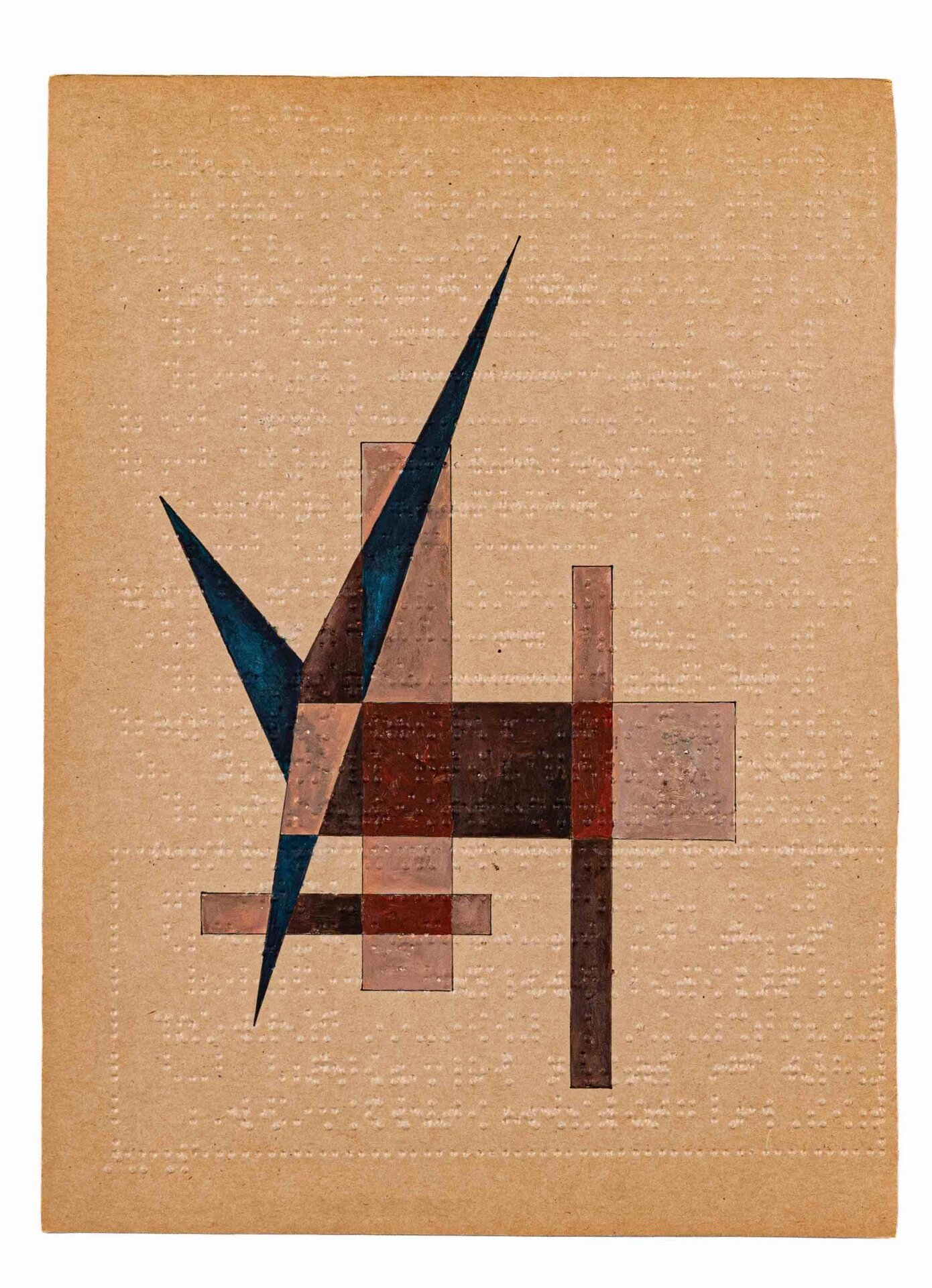
The hand is not always an obedient instrument. It can be awkward, mischievous, revealing, or deliberately evasive. Bringing together works that approach the handmade with humor, irony, and a sense of play, this grouping considers the hand as both a maker of images and a subject of representation.
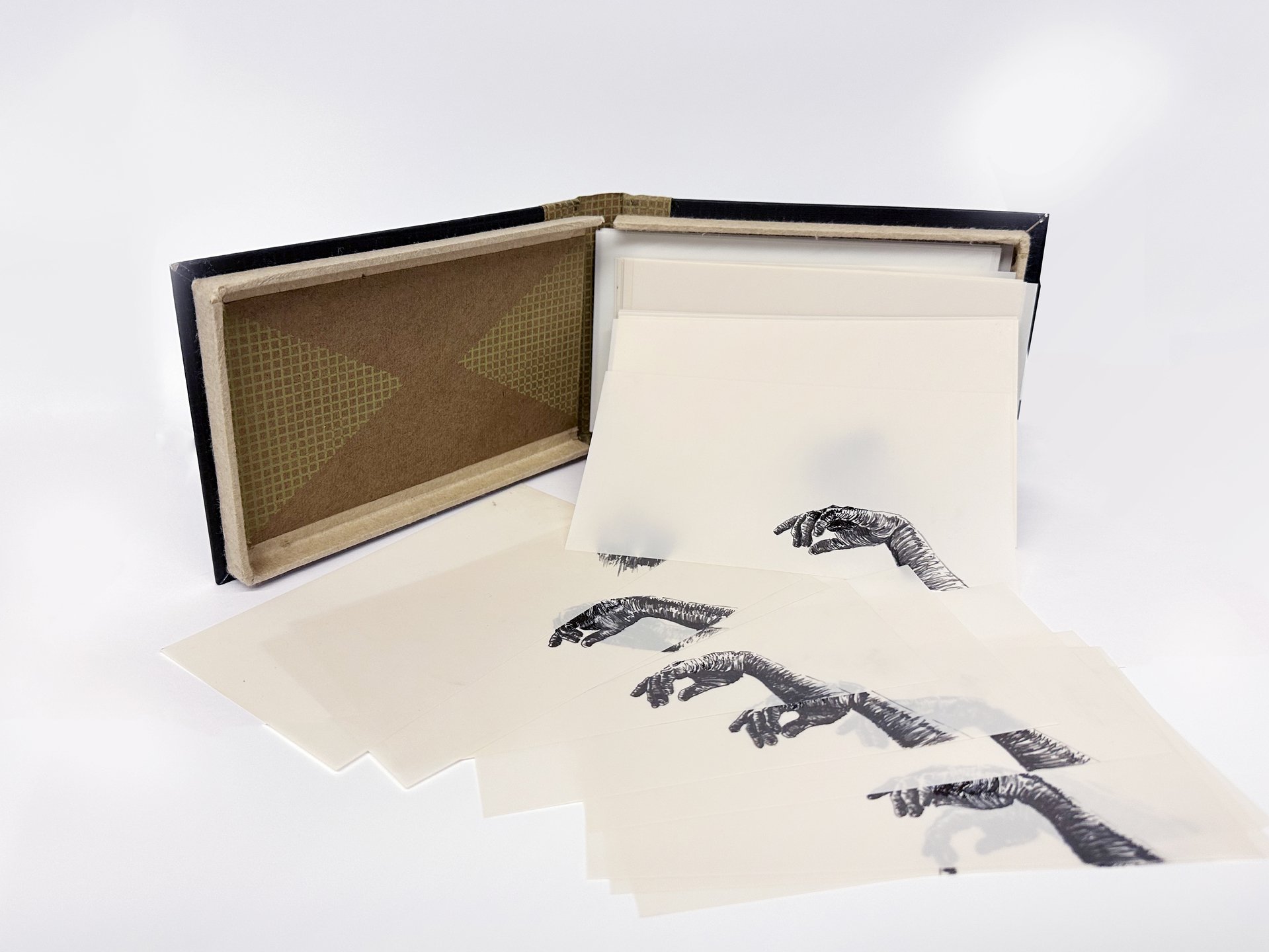
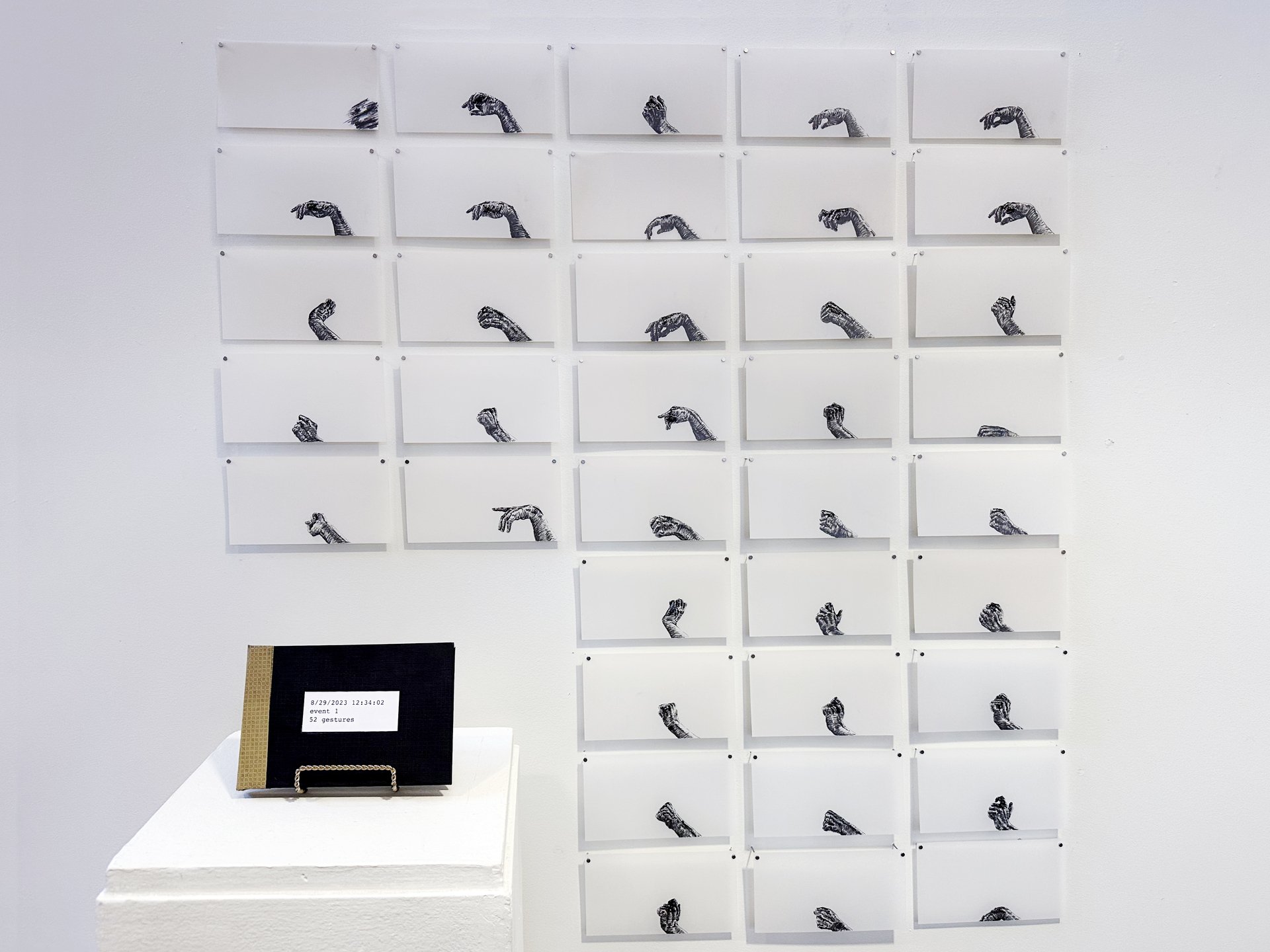
Works such as Marilyn Mitchell's painstaking reproductions of images found online play with the absurdity of translating the instantaneous and endlessly reproducible into the slow, deliberate language of painting. Cora McAnulty similarly turns to the screen, documenting the gestures of her own hands during a Zoom meeting, where they become an unwitting record of anxiety and self-consciousness. In Hong Yang's paintings, enlarged and stylized hands take on ambiguous roles, suggesting both tenderness and control, while Clara Nulty's erased handwriting and obscured personal histories point to the tension between disclosure and concealment.
Together, these works suggest that the hand is as capable of withholding meaning as it is of producing it. Through gestures of imitation, erasure, touch, and repetition, they reveal the peculiar ways in which our bodies continue to mediate an increasingly image-saturated world.
Meron Alon
Nina Liu
Jo Margolis
Swapna Das
Cora McAnulty
R.A. McBride
Marilyn Mitchell
Olivia Morrow
Clara Nulty
Hong Yang
Wall 2: Material Intelligence
Maria Arduan / Marianna Baker / Molly Chowdhury / Gary Bercow / Lowell Hutcheson / Juan Carlos Caballero-Perez / Moon Ju Kim / Evangelos Courpas / Jennifer Davies / Corinna La / Pree Mano / Carolyn Wirth
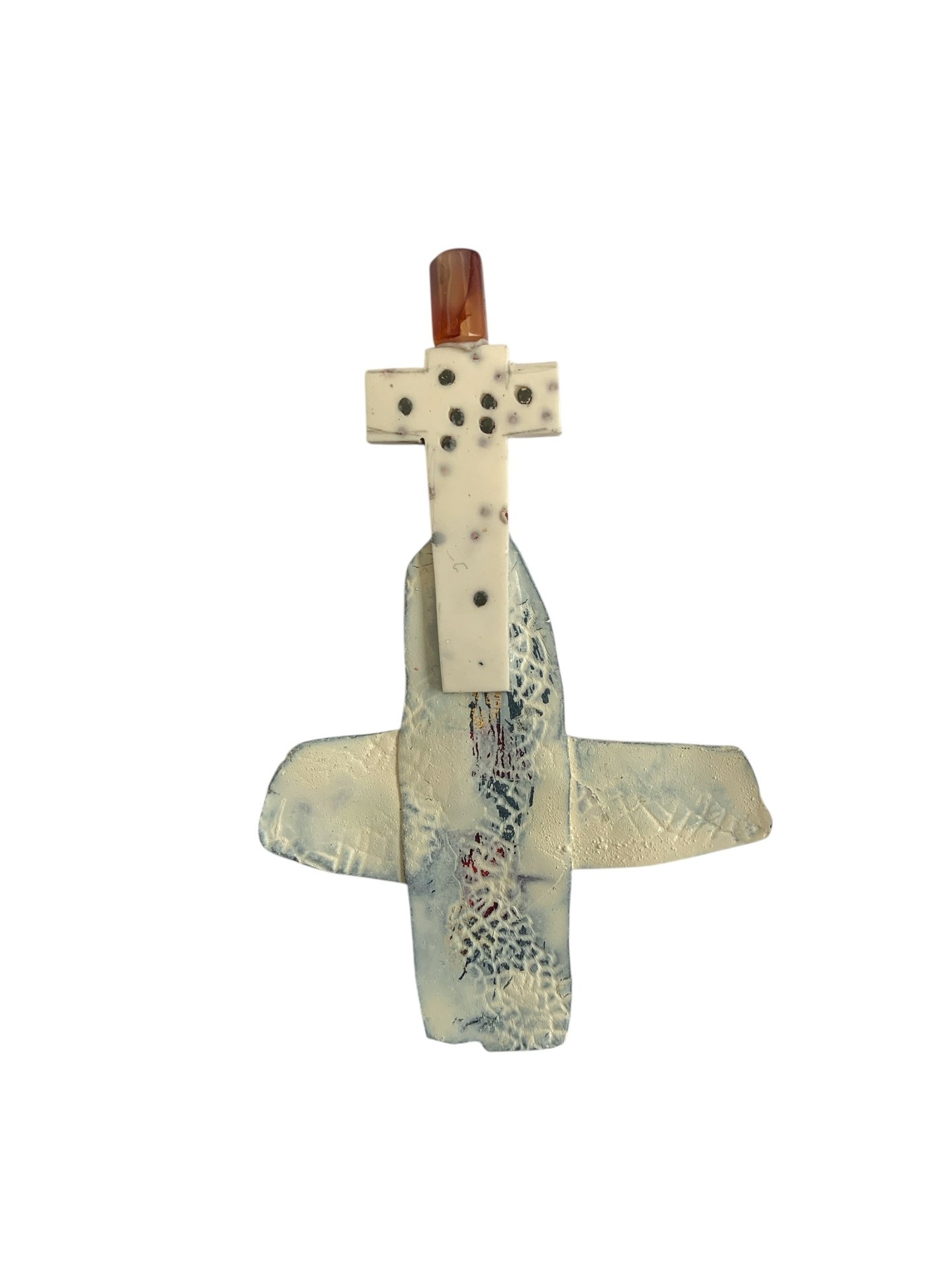
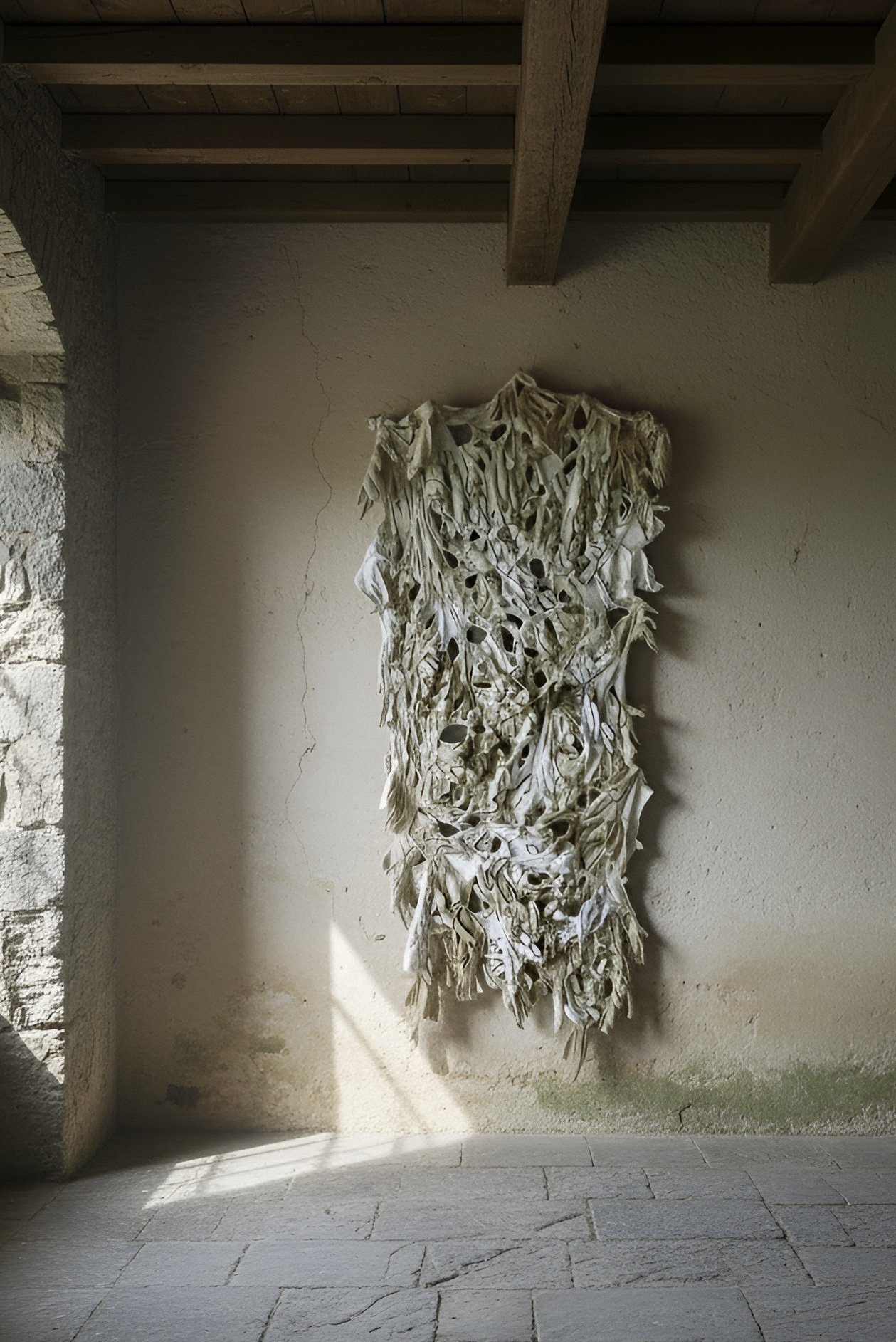
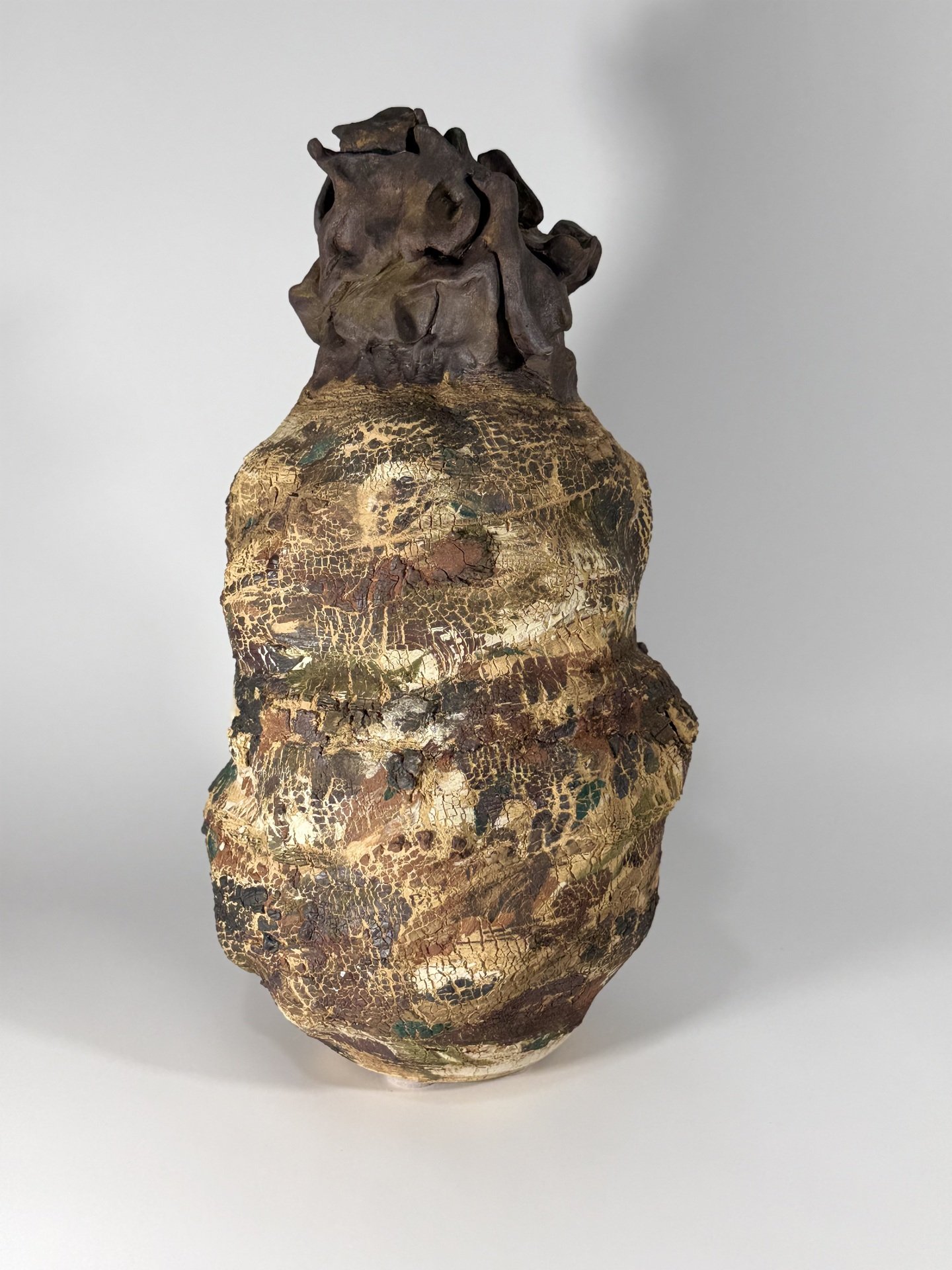
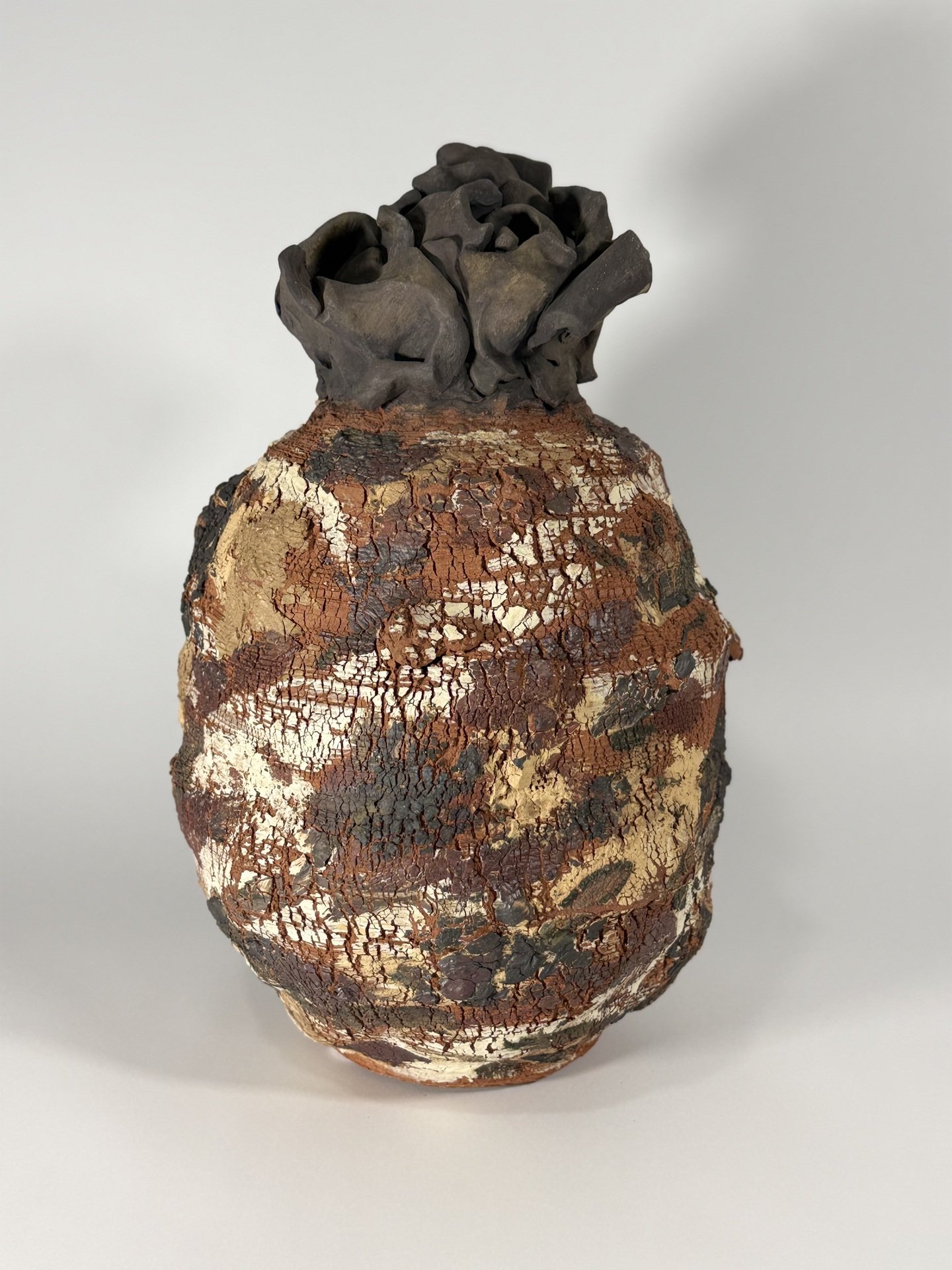
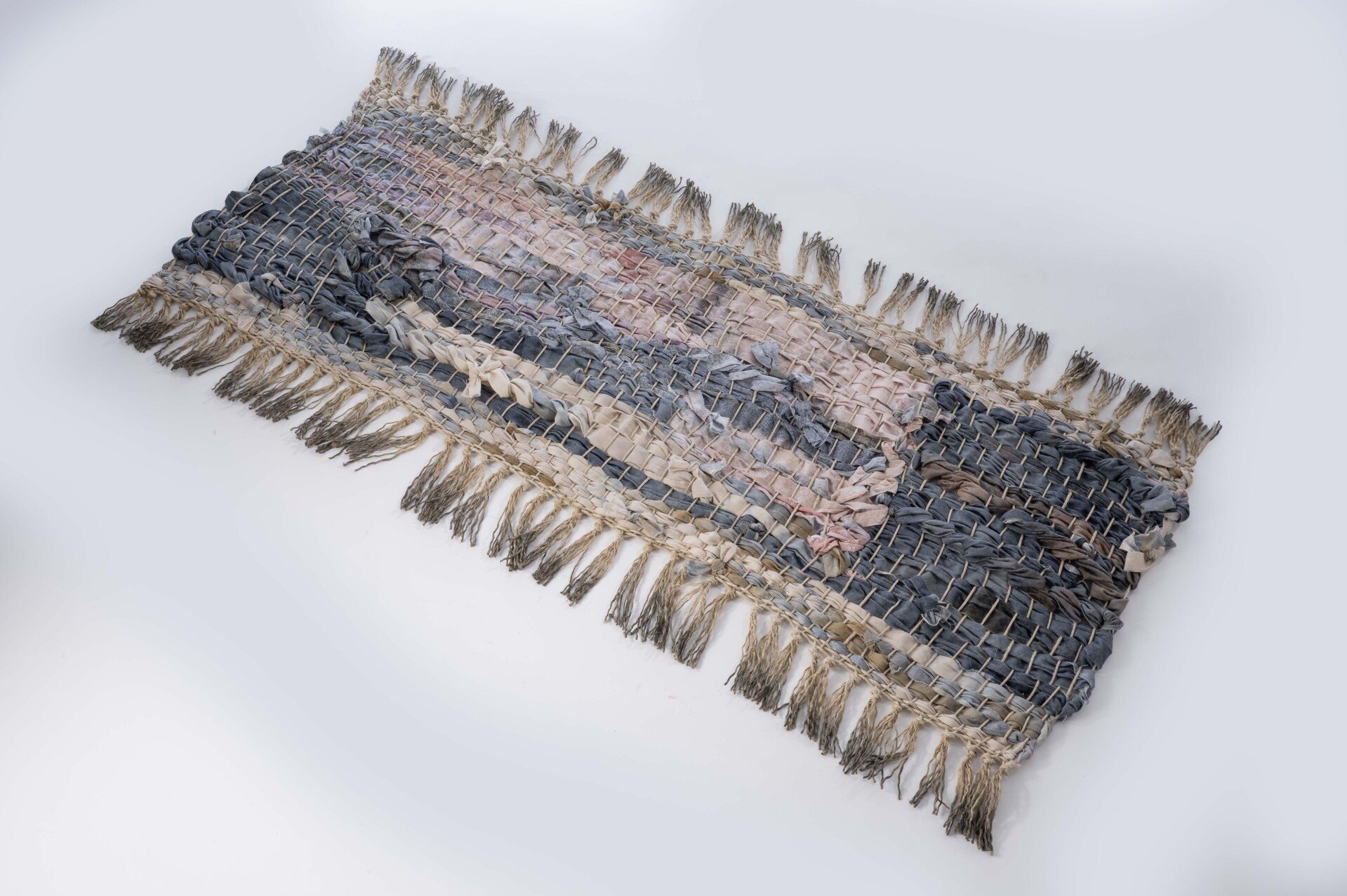
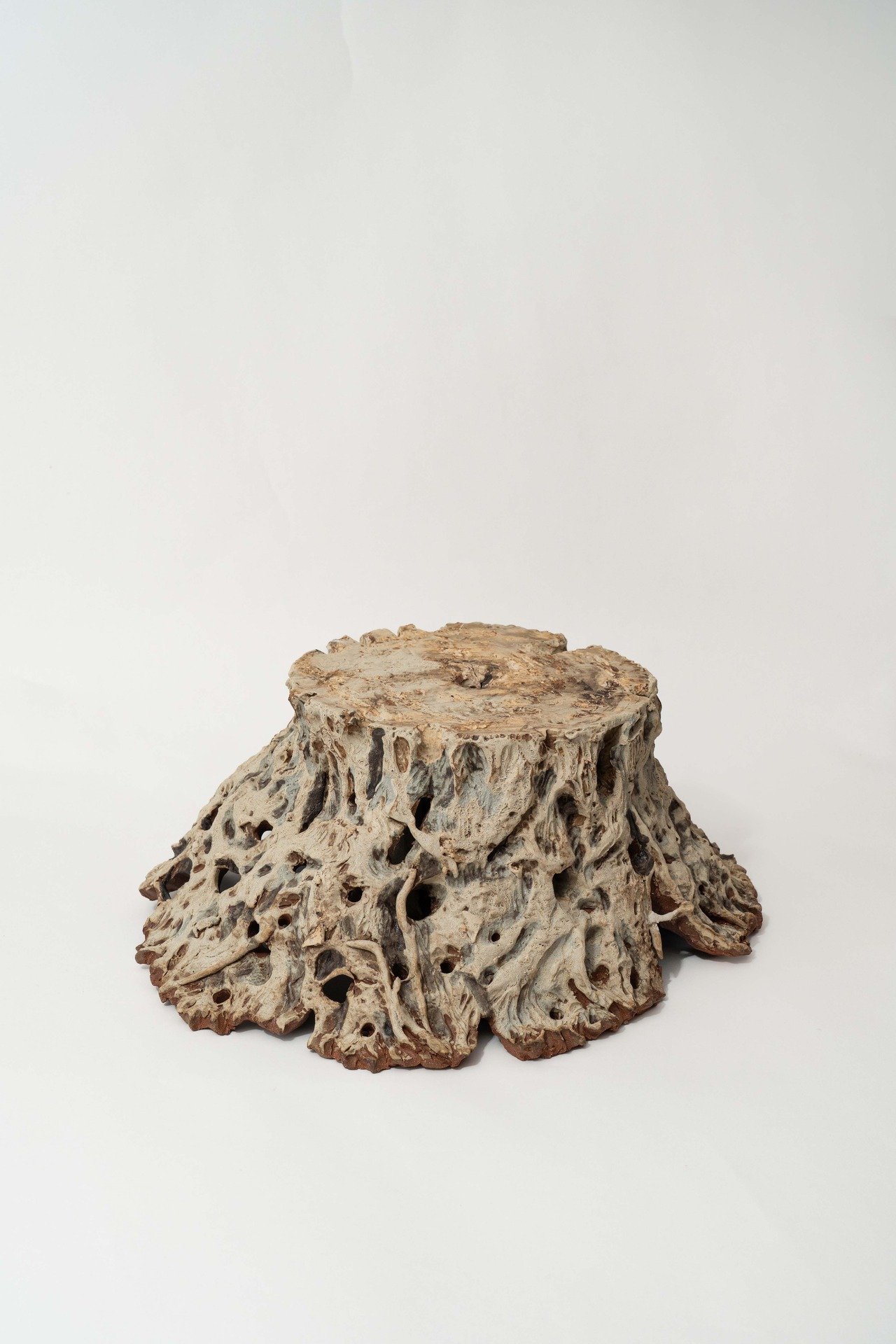
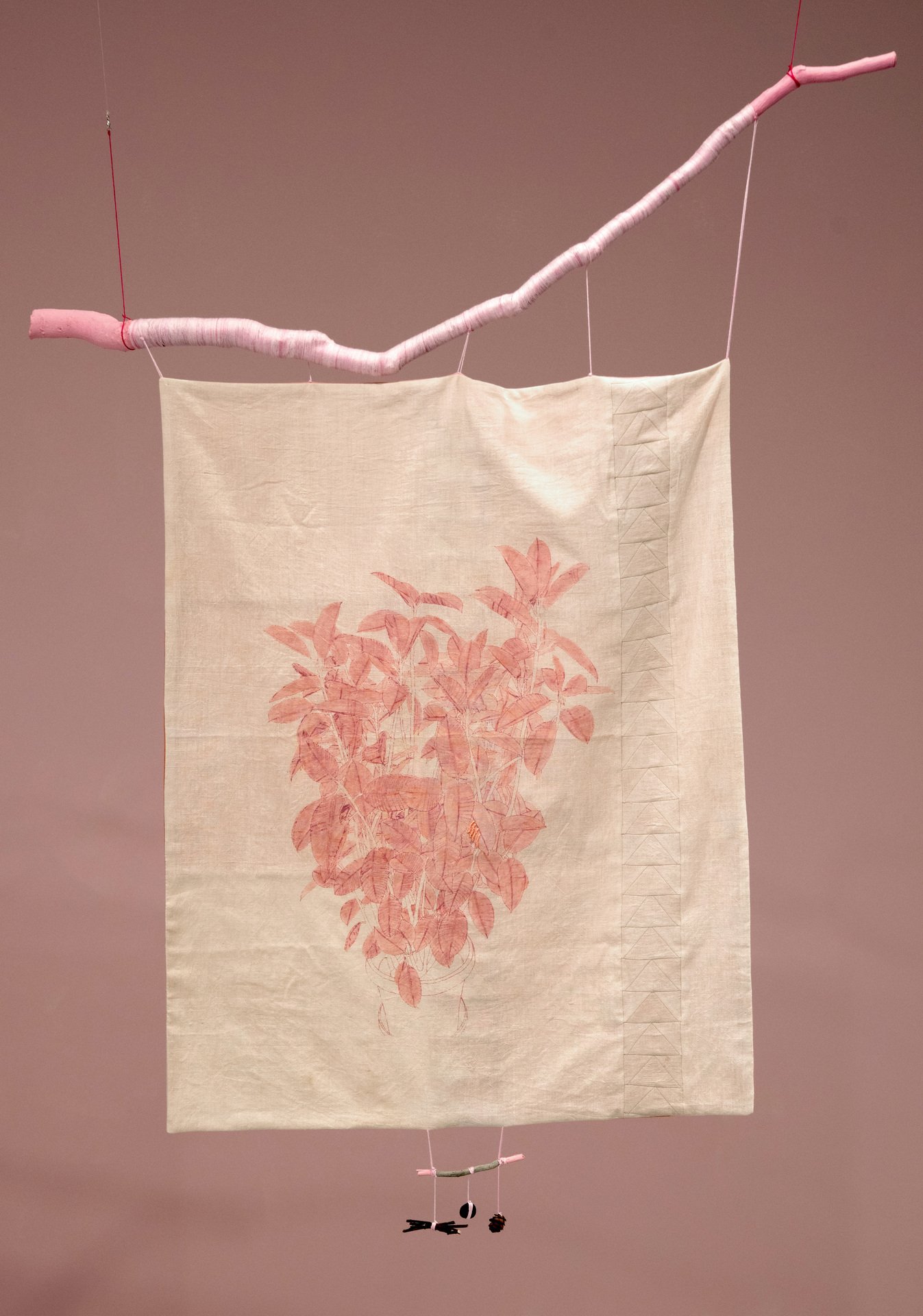
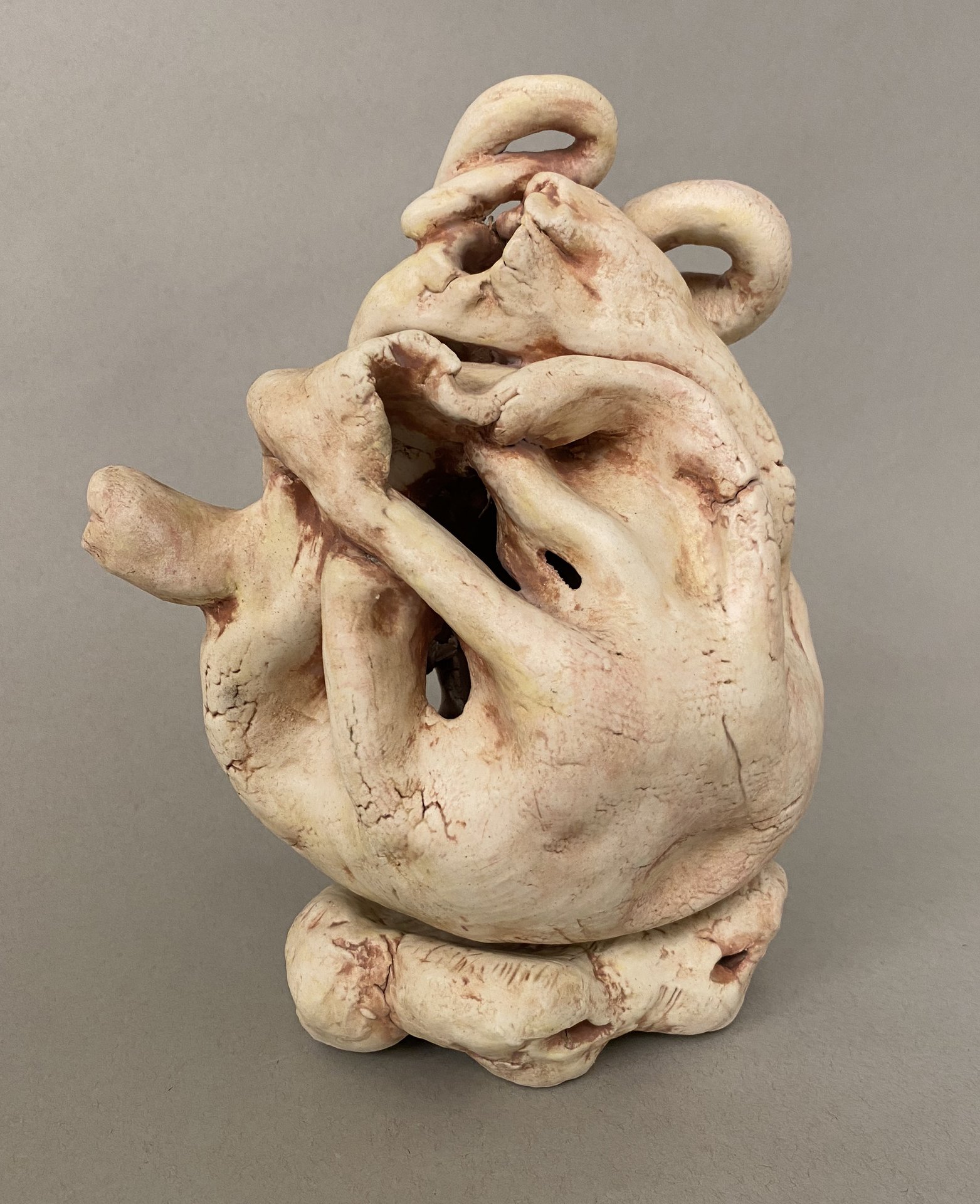
To work with one's hands is also to contend with the particular demands and unpredictable behaviors of materials. Wood splits along its grain, clay transforms in the heat of a kiln, and fibers absorb dyes in ways that are never entirely uniform. In these works, making becomes a negotiation between artistic intention and the inherent properties of matter.
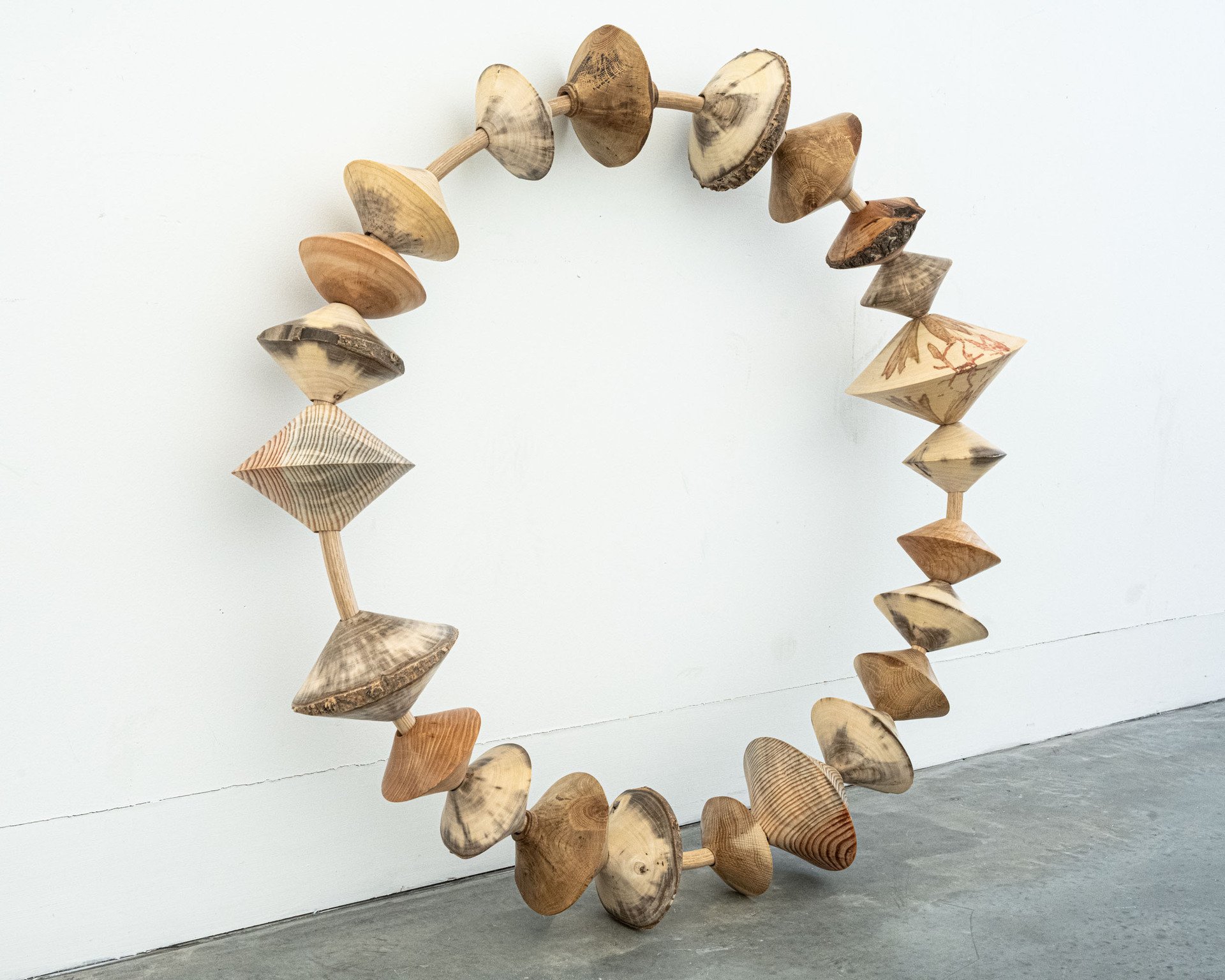
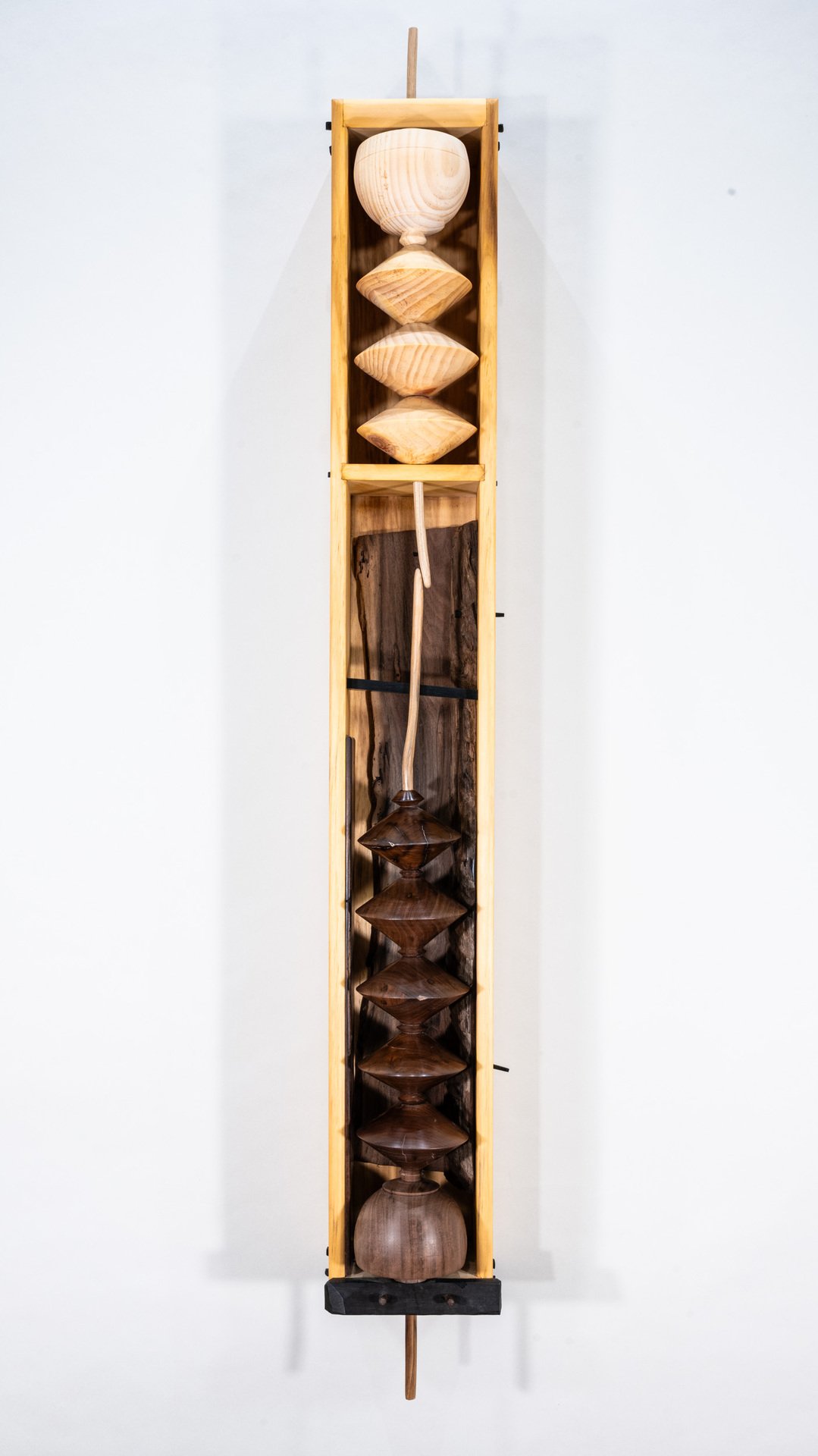
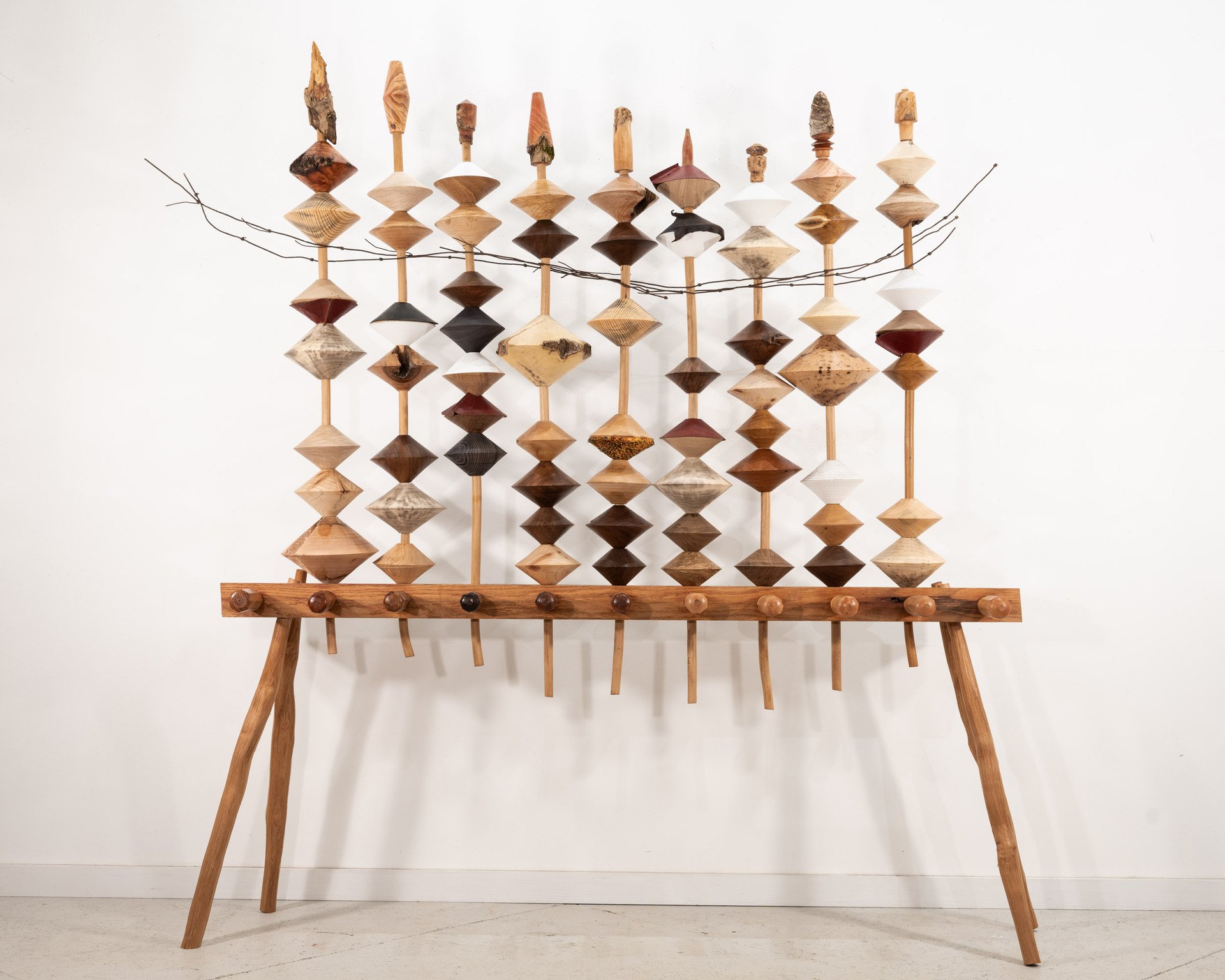
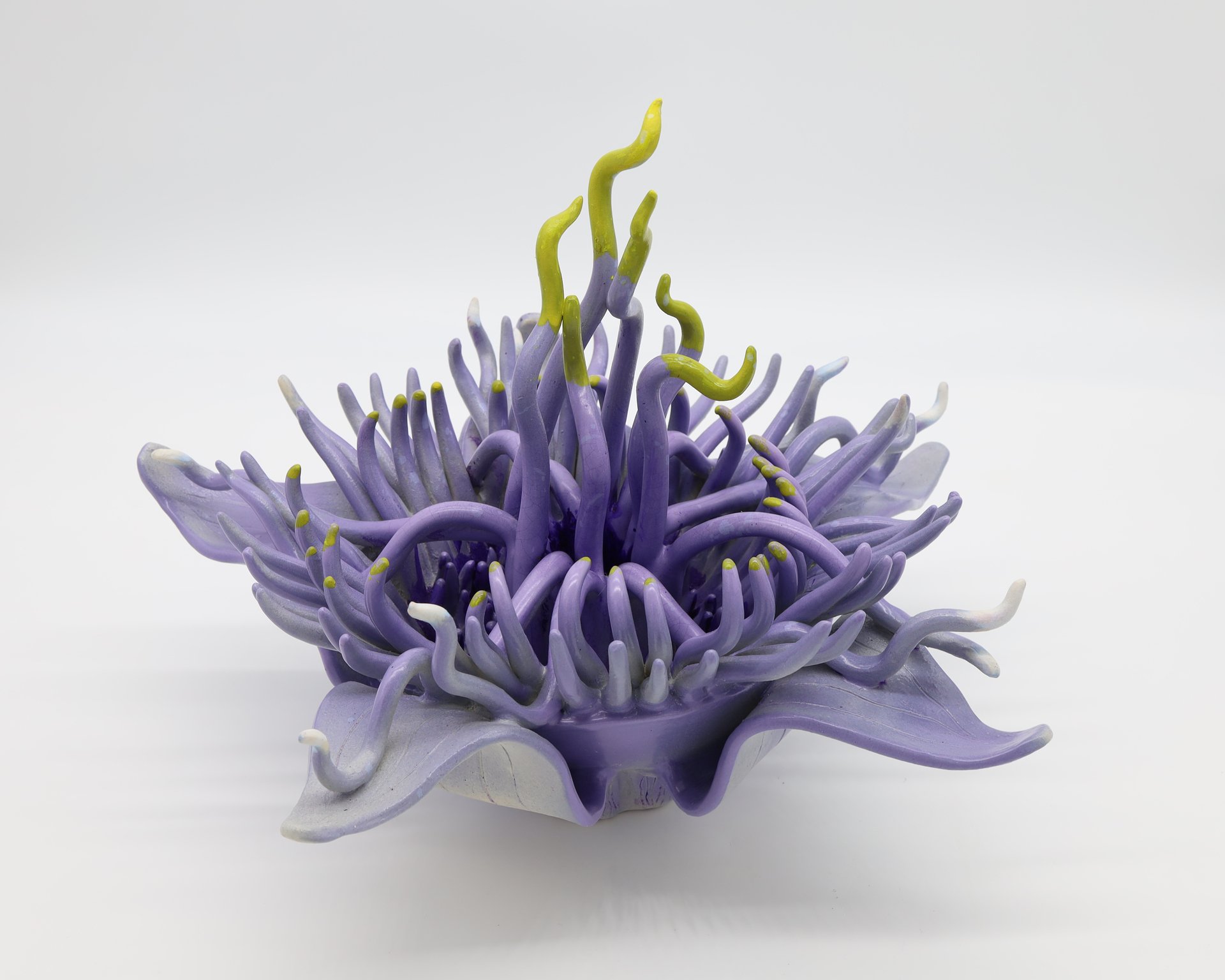
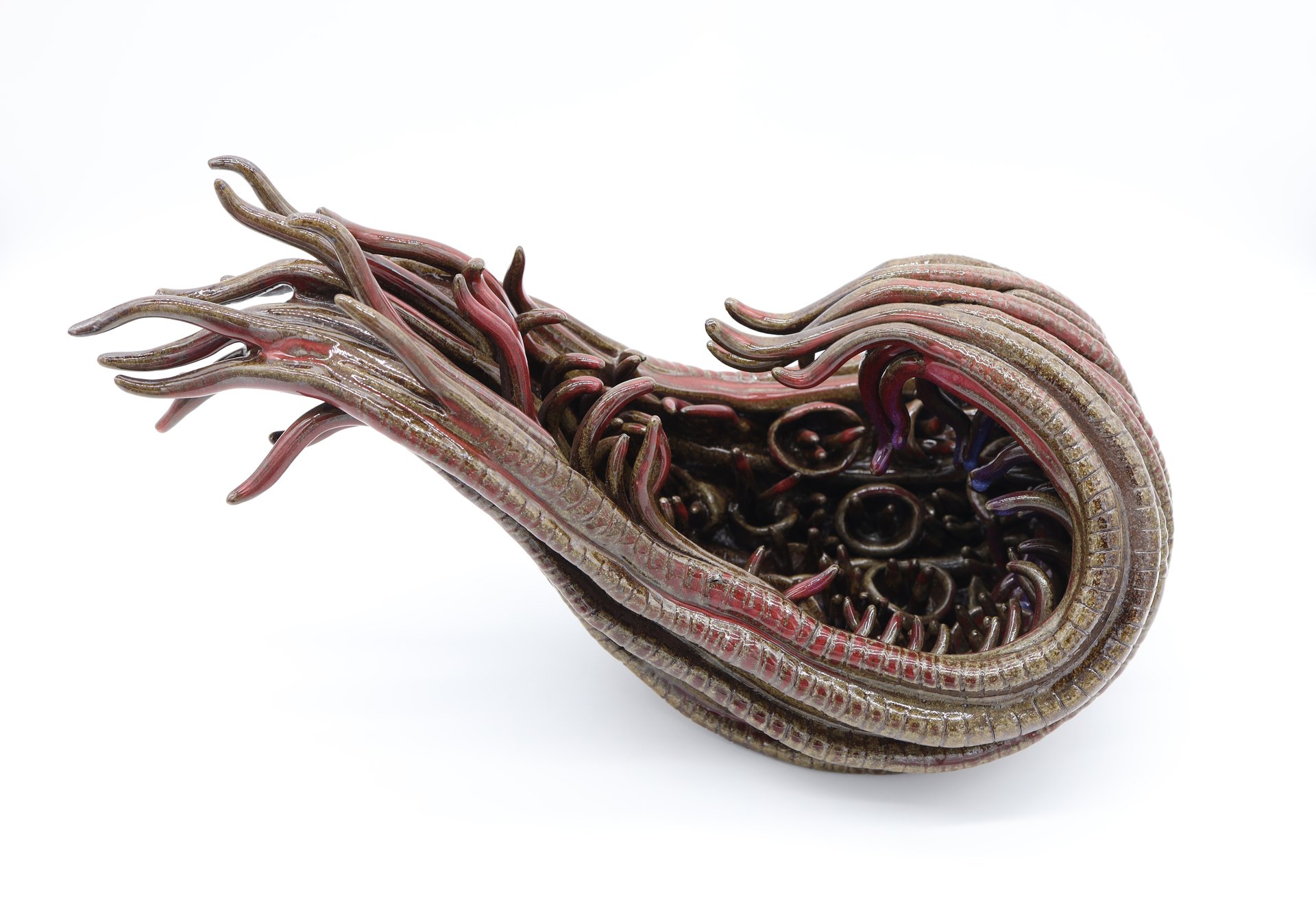
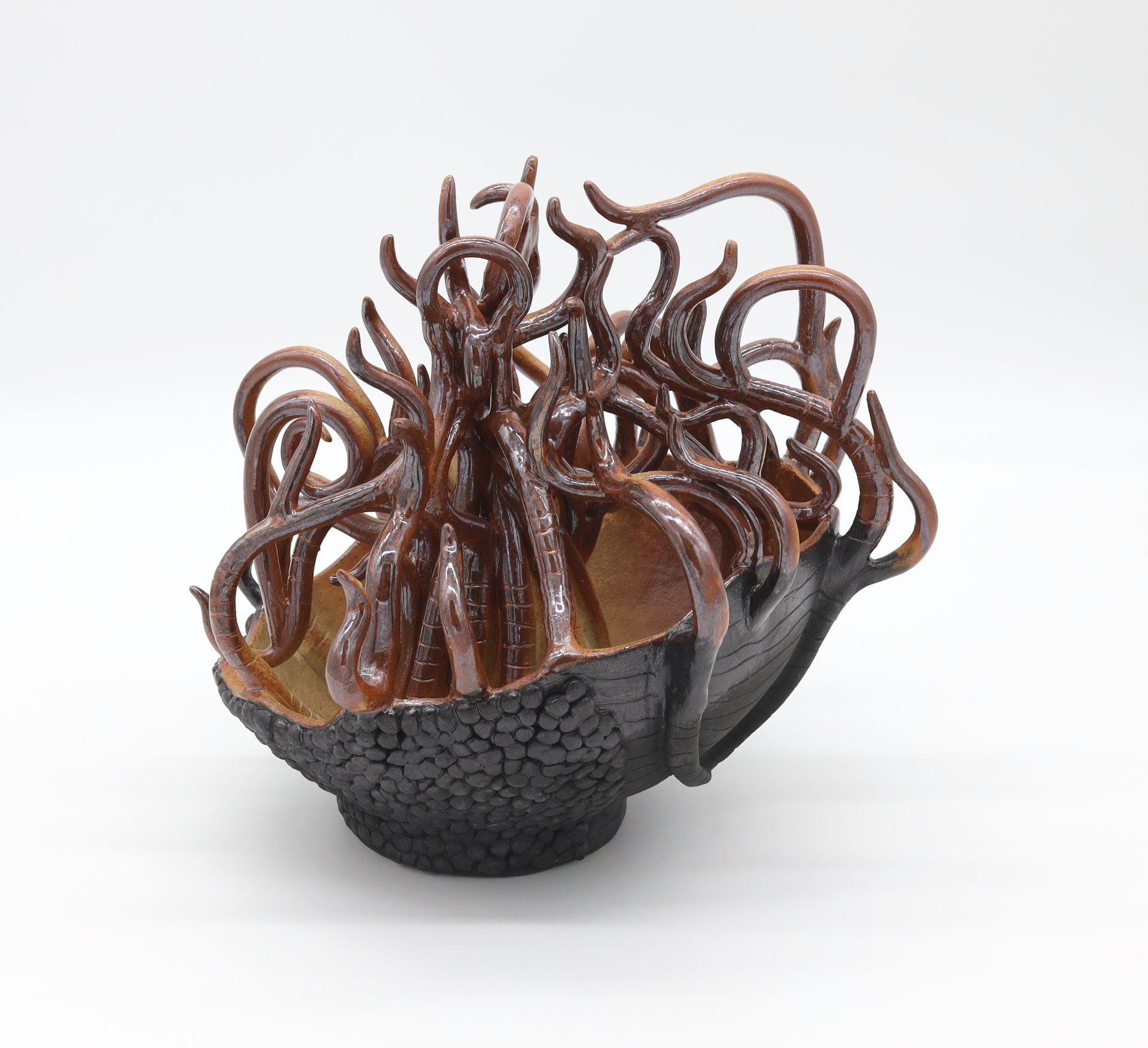
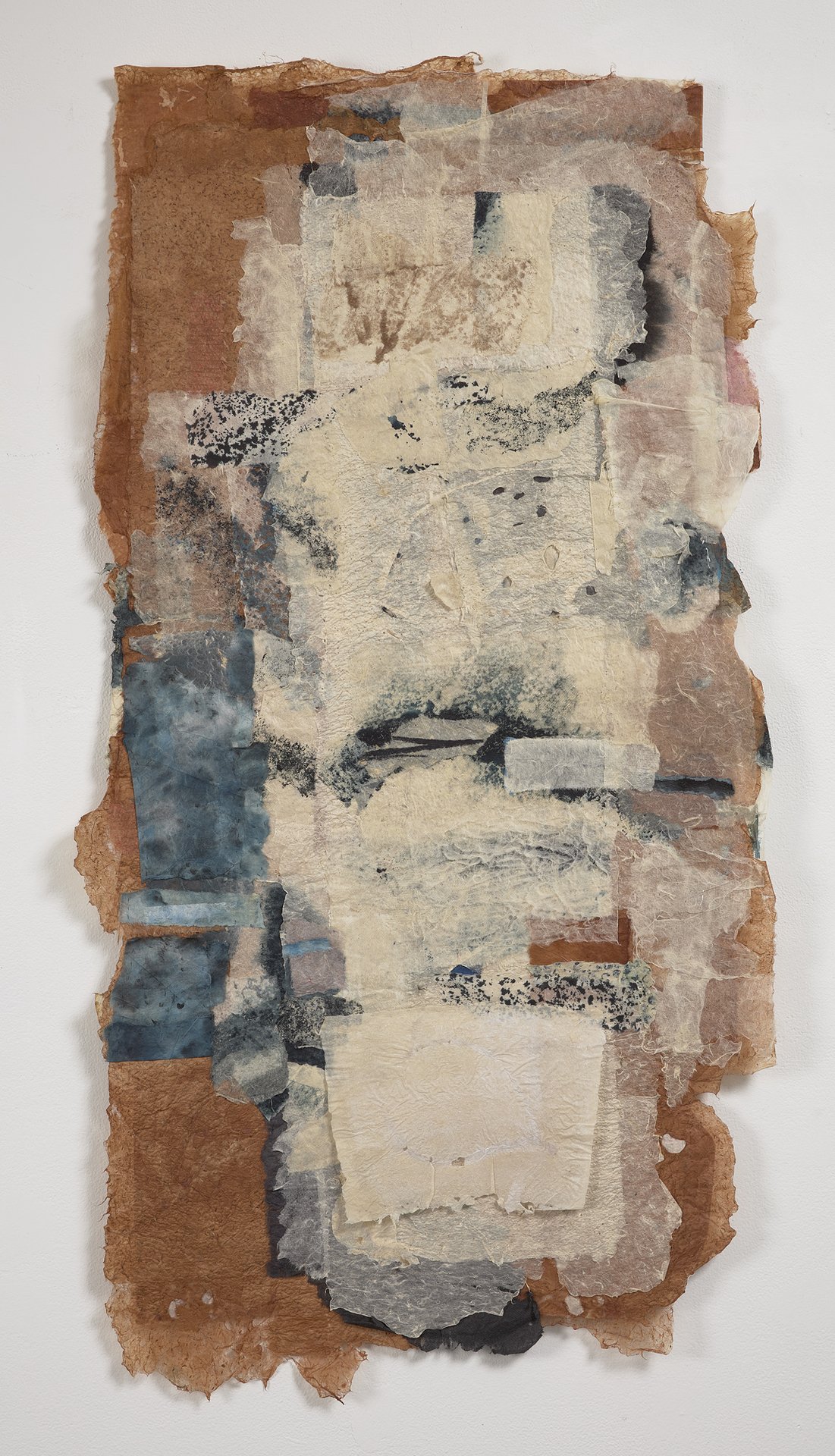
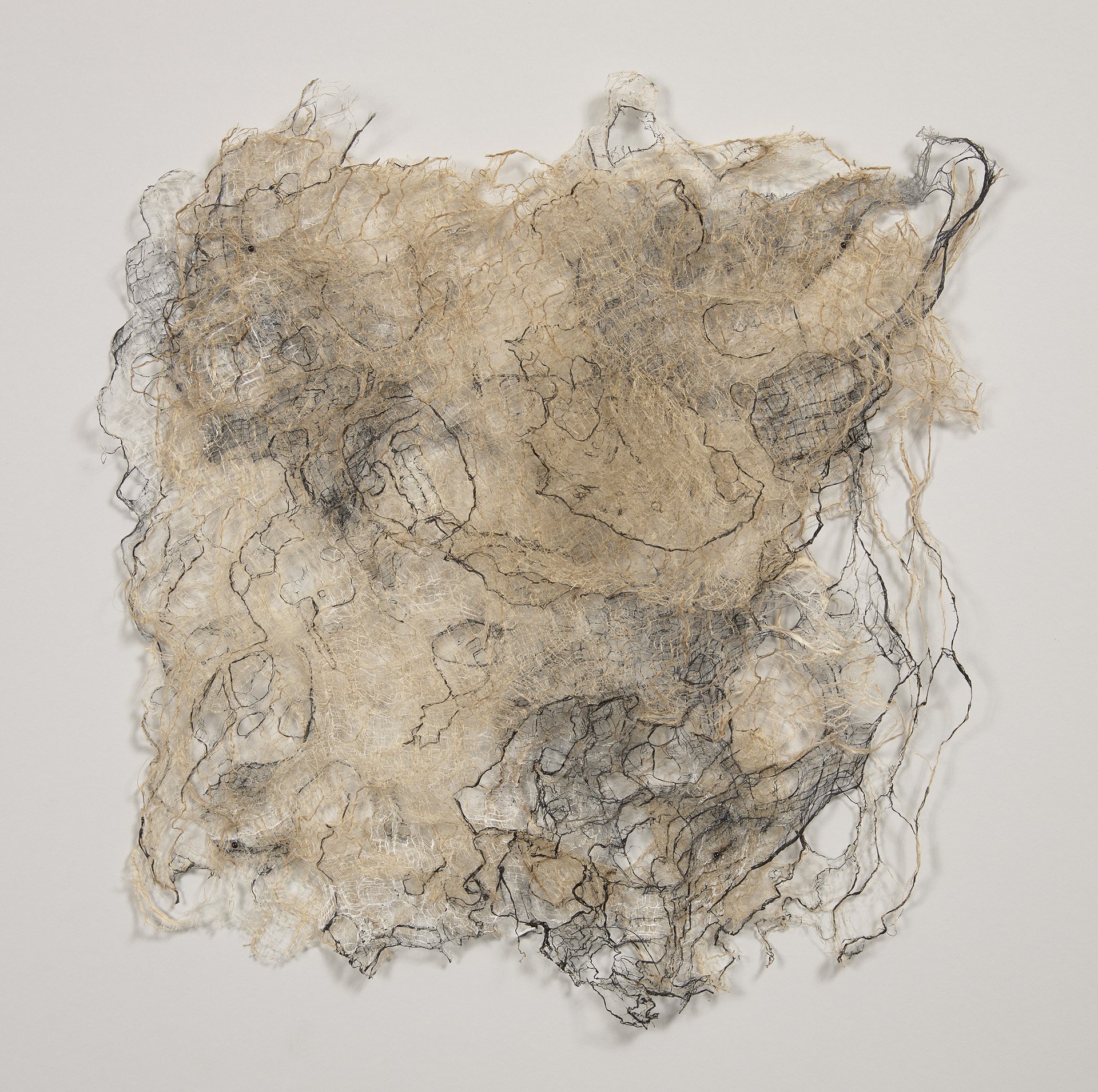
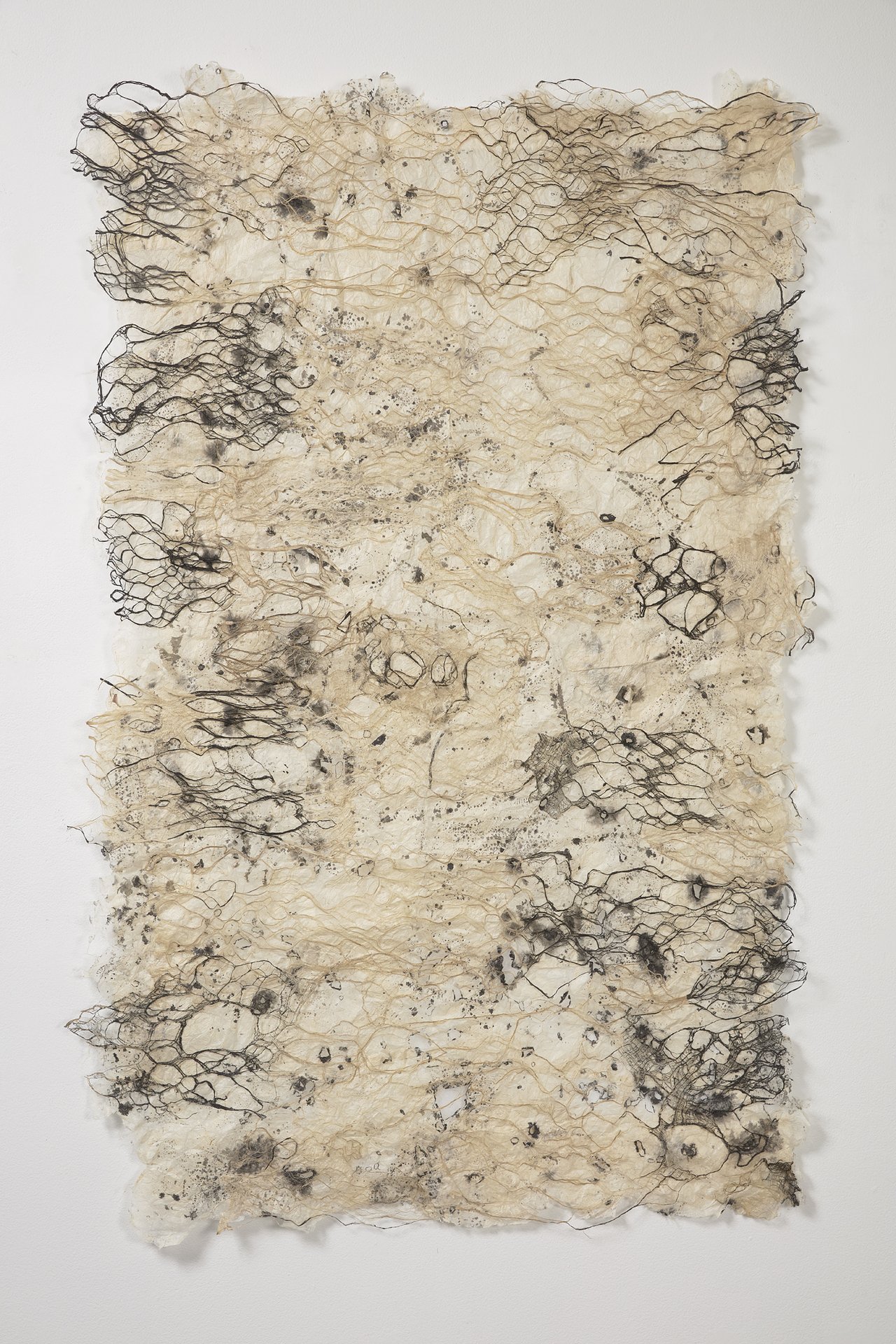
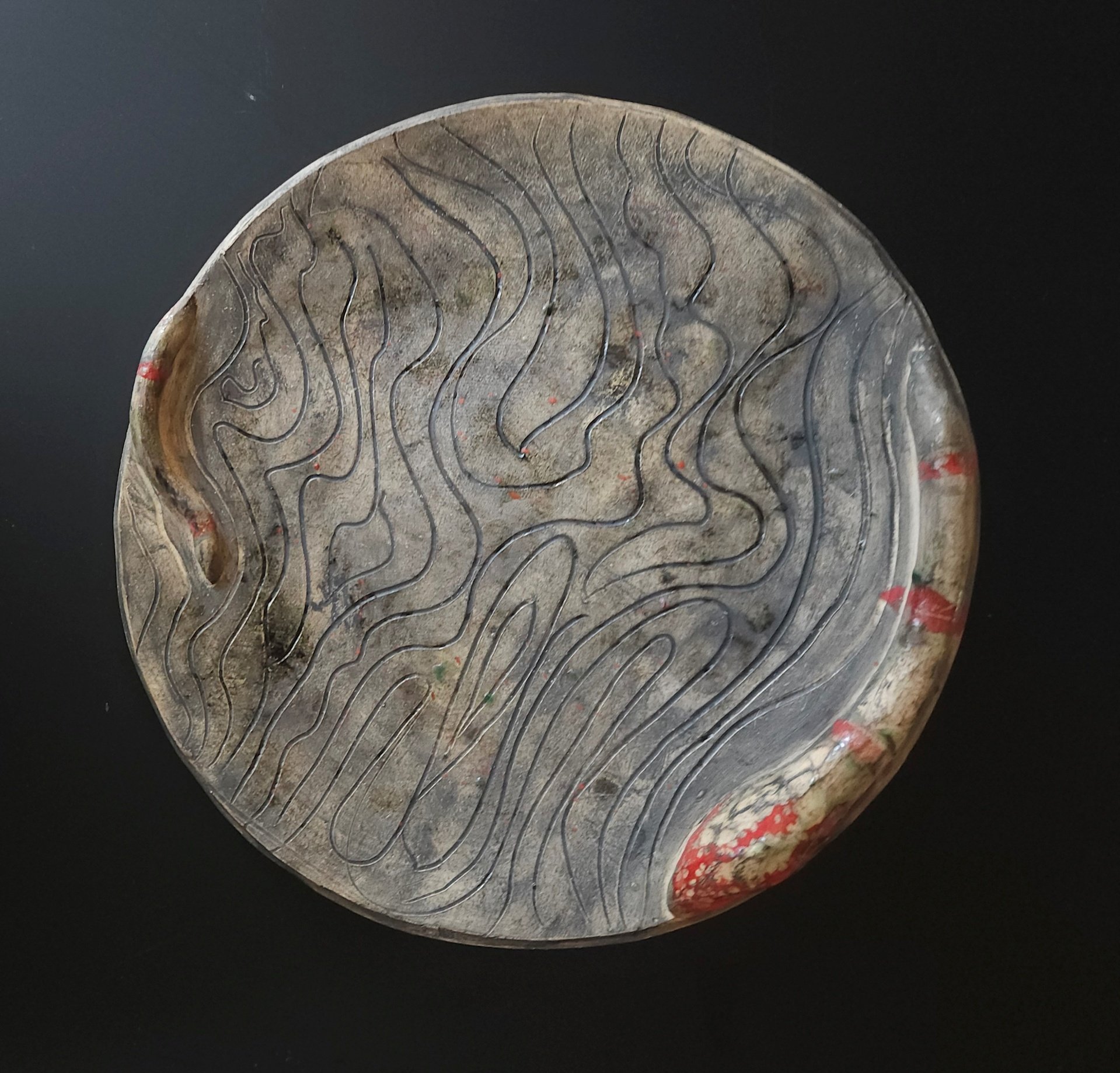
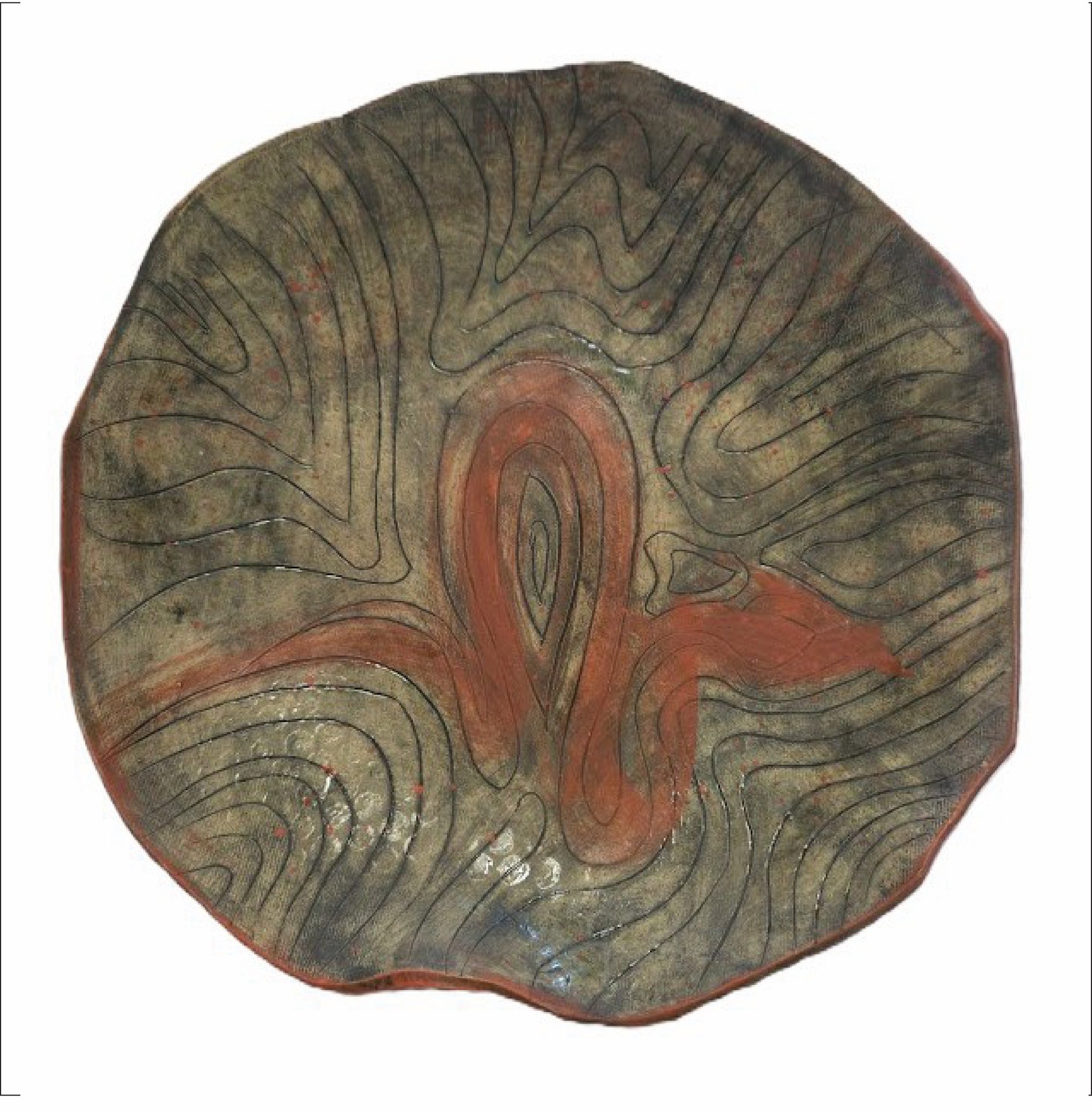
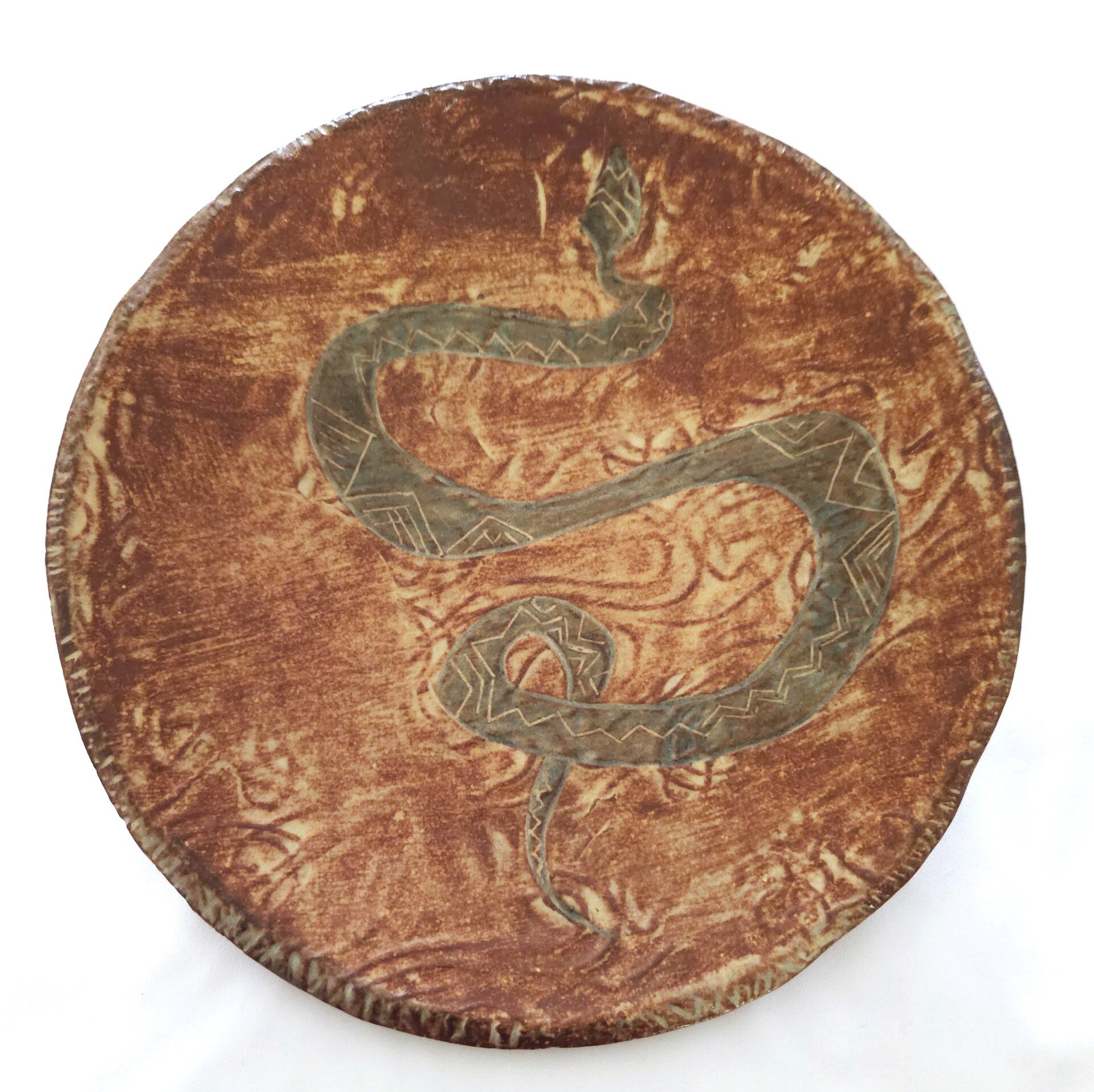
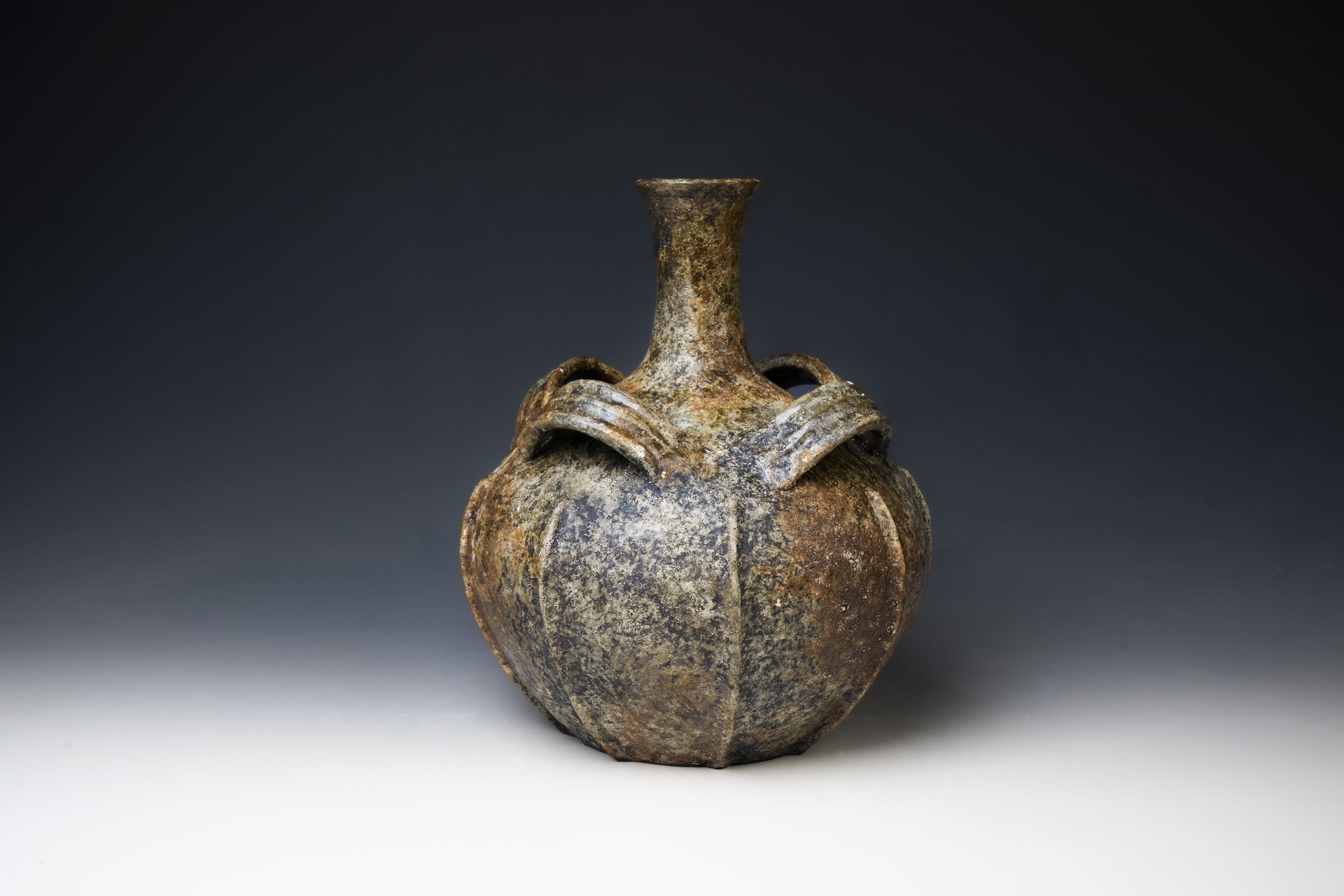
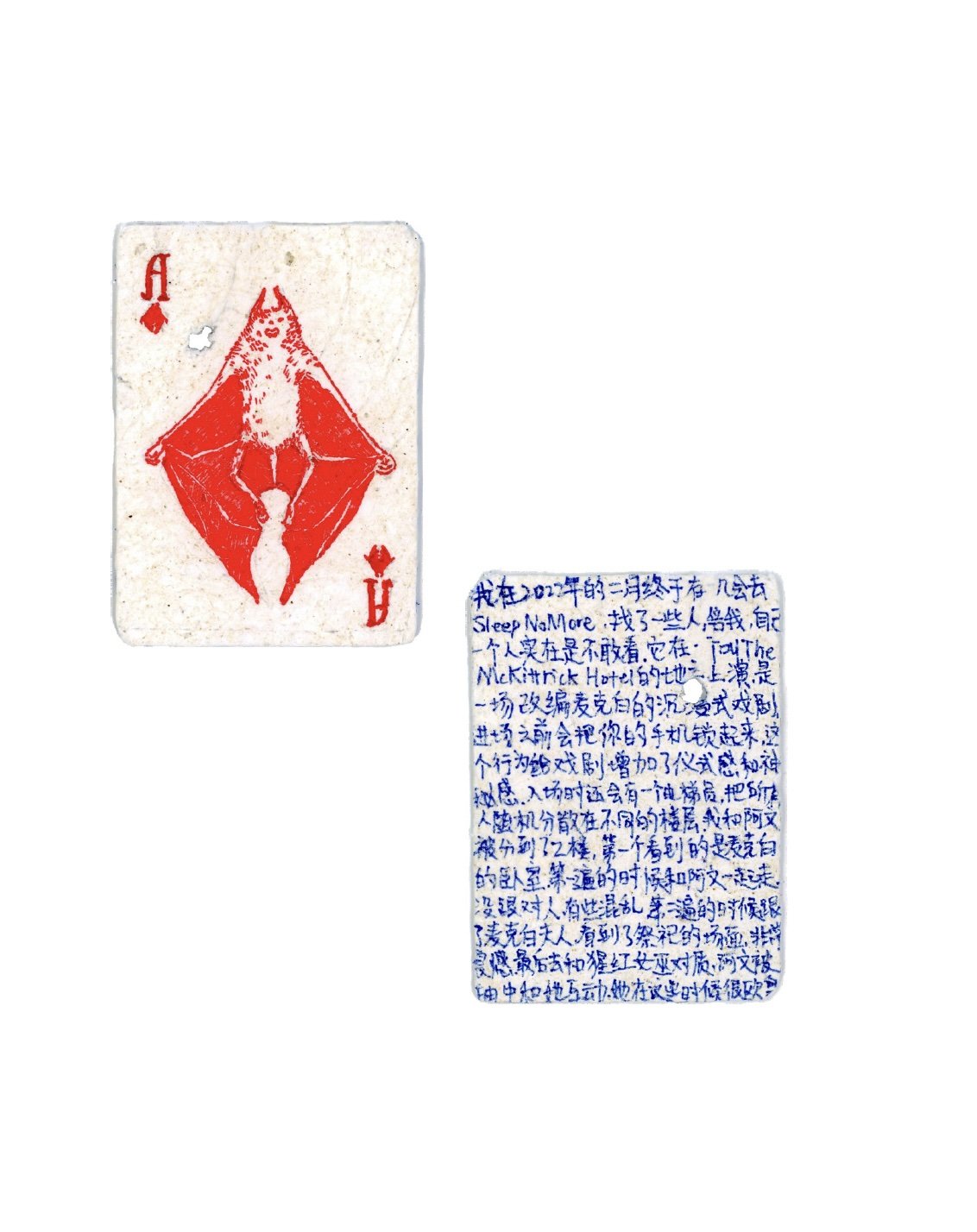
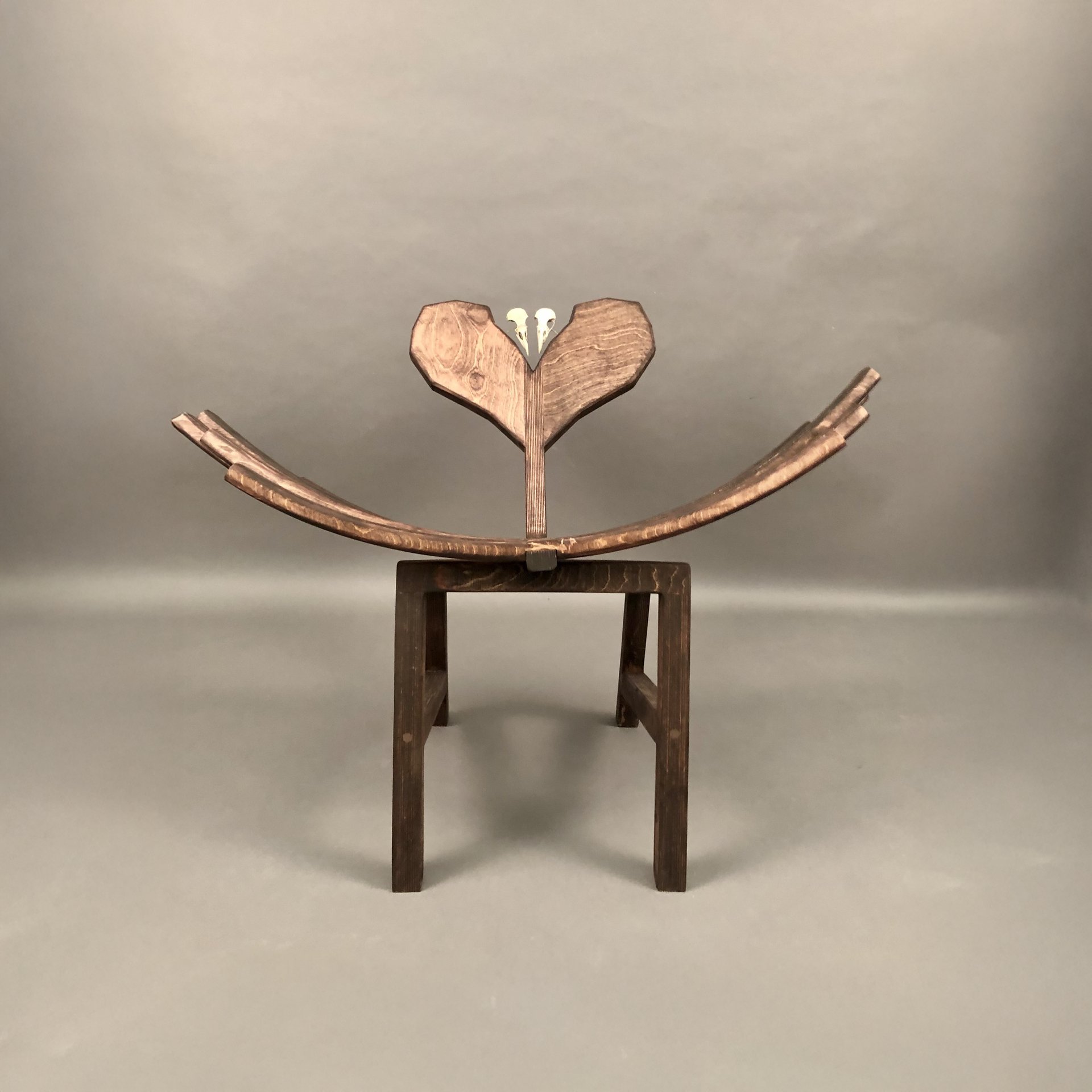
Evangelos Courpas's sculptural abacuses emerge from processes of splitting, turning, and joining wood, retaining the traces of a tree's growth and environmental history. Gary Bercow's ceramics similarly embrace the contingencies of fire and glaze, allowing chance to participate in the formation of each object. Jennifer Davies's handmade kozo paper works bring together the labor of preparing fibers, dyeing, and stitching, while Juan Carlos Caballero-Perez draws on the language of jewelry and ancient symbols to explore the relationship between material, memory, and the sacred.
These artists recognize their capacity to determine form and carry histories of their own. The resulting objects bear witness to the skill of their makers but also to the time, resistance, and transformation involved in their making.
Maria Arduan
Marianna Baker
Molly Chowdhury
Gary Bercow
Lowell Hutcheson
Juan Carlos Caballero-Perez
Moon Ju Kim
Evangelos Courpas
Jennifer Davies
Corinna La
Pree Mano
Carolyn Wirth
Wall 3: Holding Time
Ankita Bhat / Anita Bracalente / Suzie Buchholz / Carolyn Hazel Drake / Terri Fraser / Brian Gillis / Rose Gong Monier / Davana Robedee / Emily Sullivan Smith / Clara Nulty / Zhisheng Wu / Susan Newmark
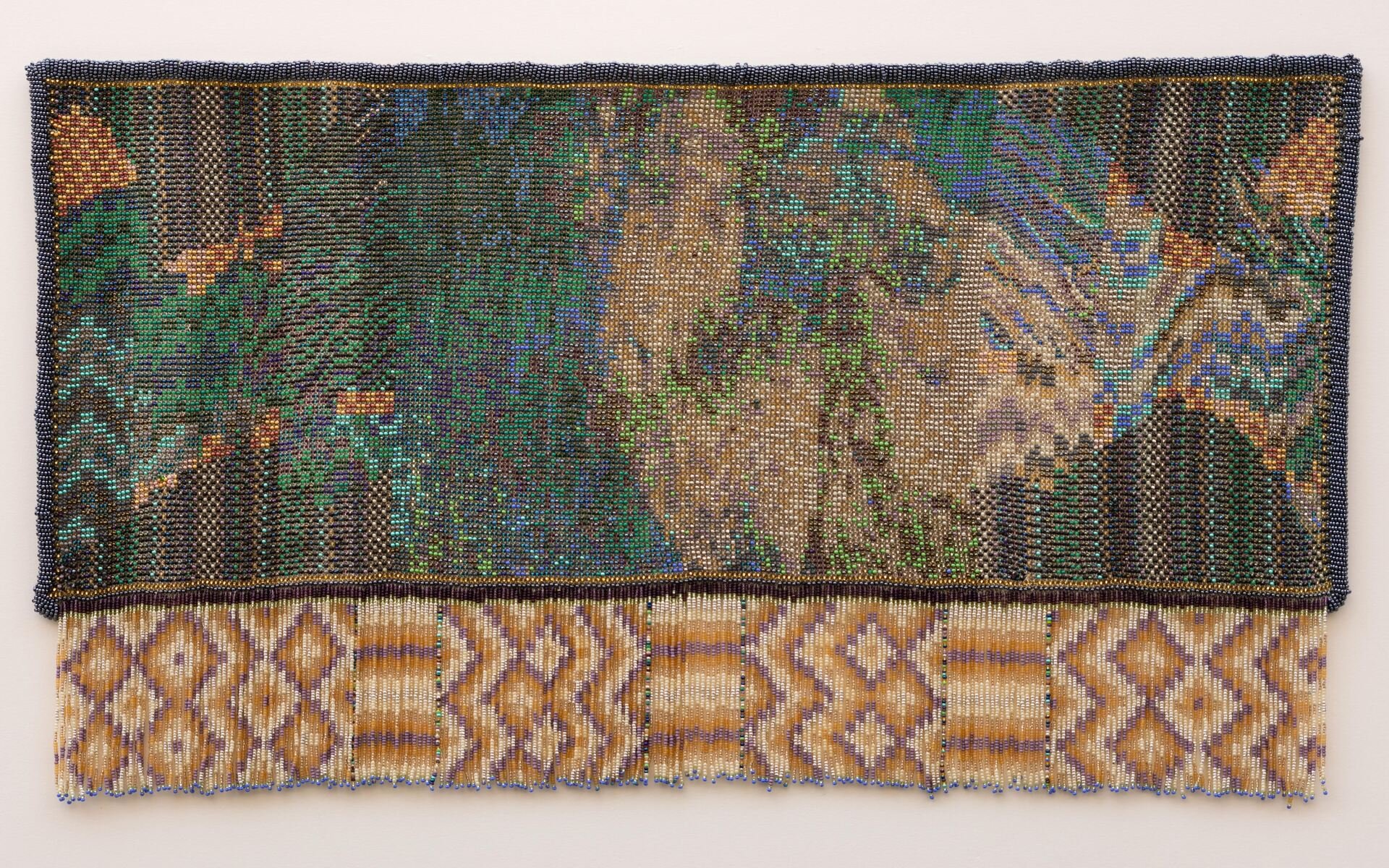
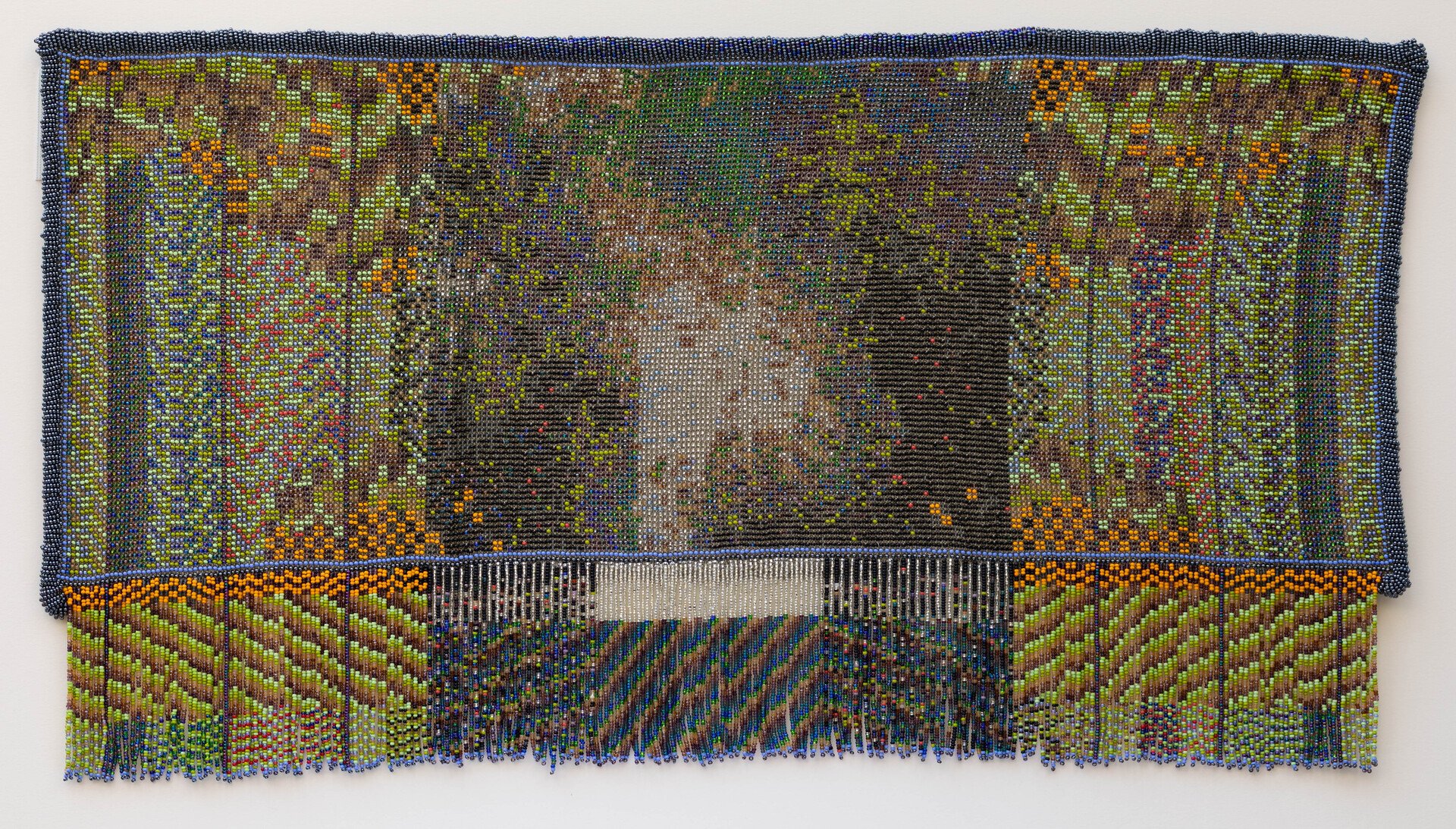
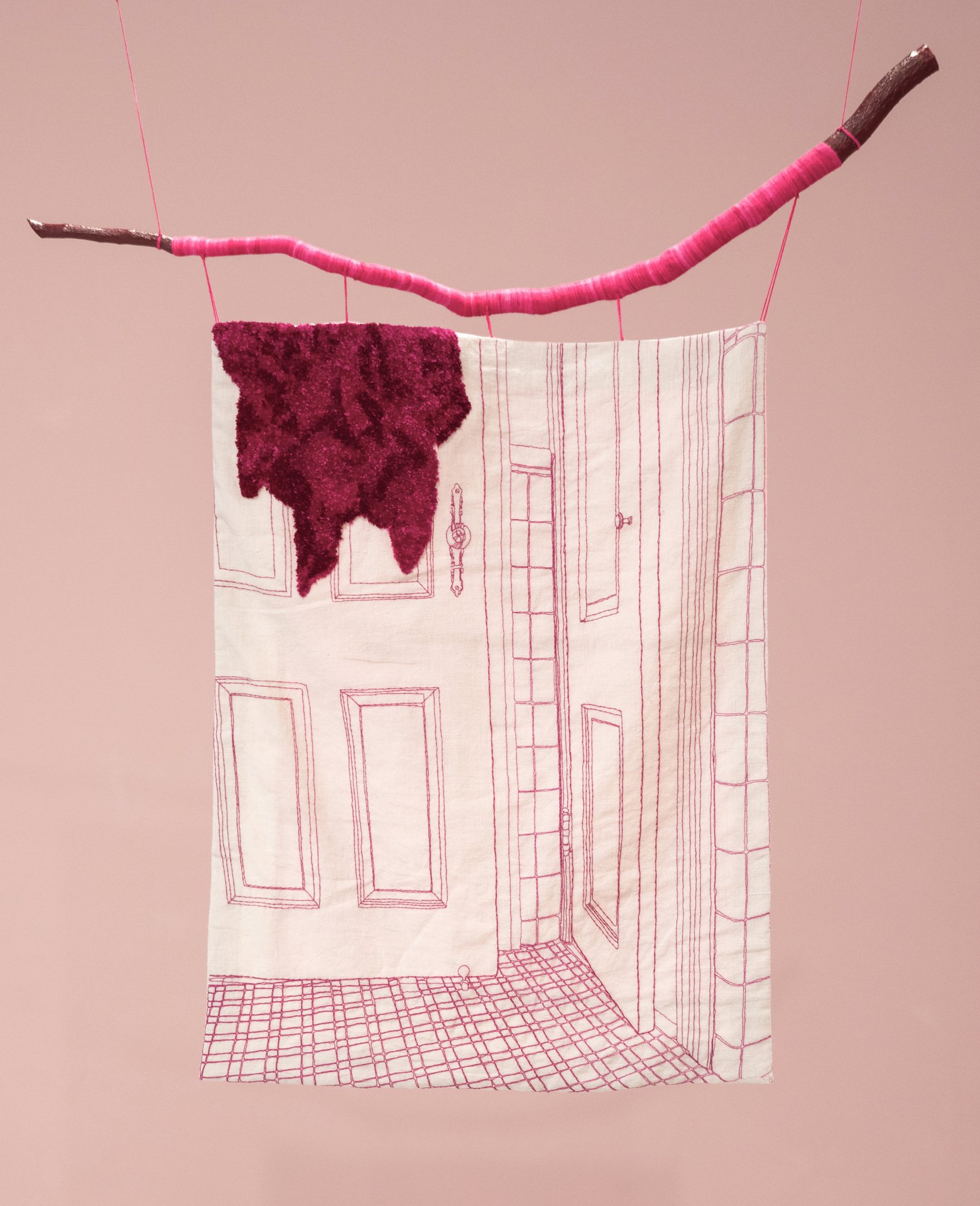
A handmade object contains within it the time of its making. A stitch follows another, a thread is pulled taut, a surface is repeatedly worked or transformed. Through these accumulated gestures, processes of making can become ways of registering experiences that are otherwise difficult to hold in place: memories, sensations, dreams, and the passage of time itself.
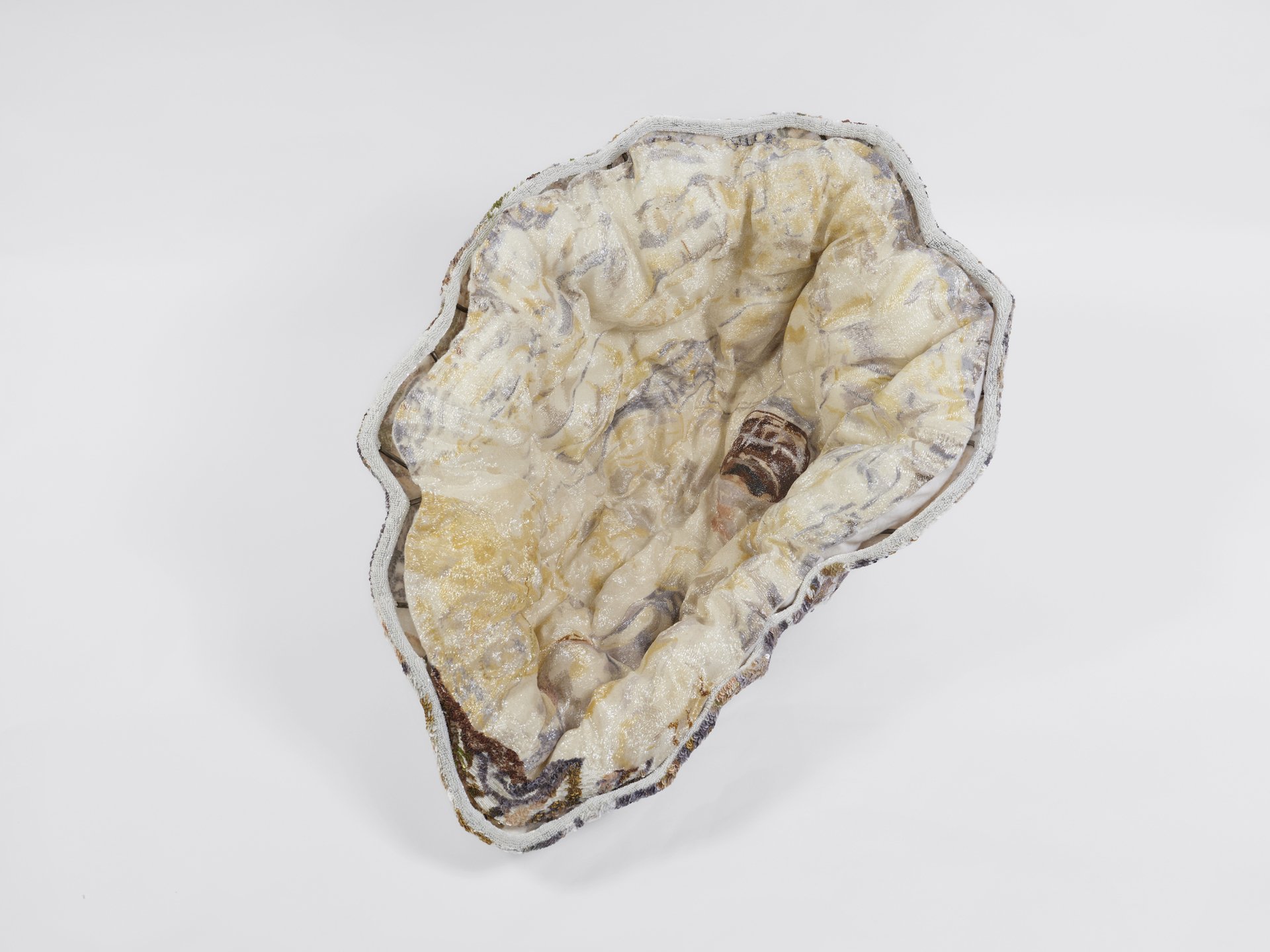
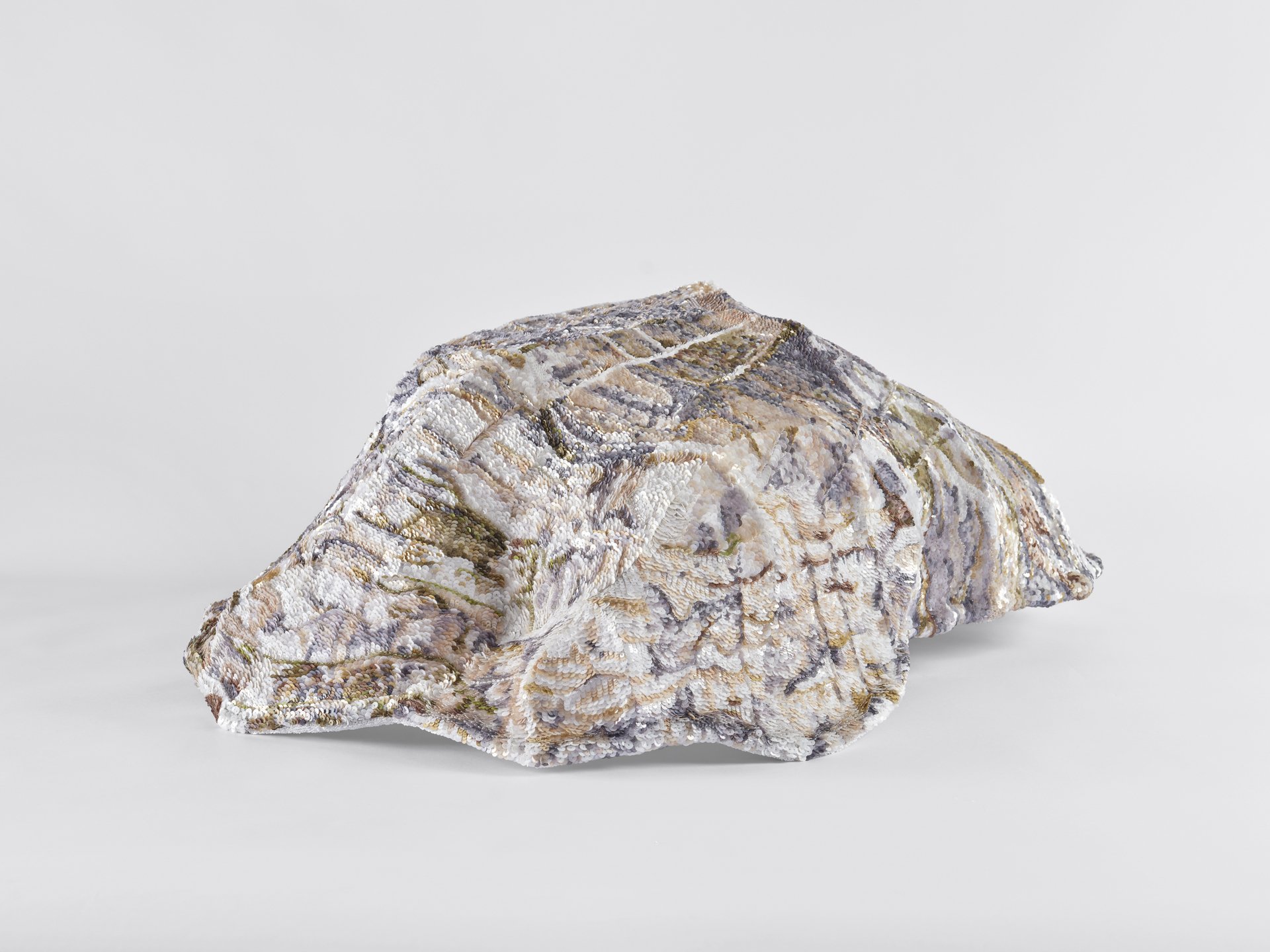
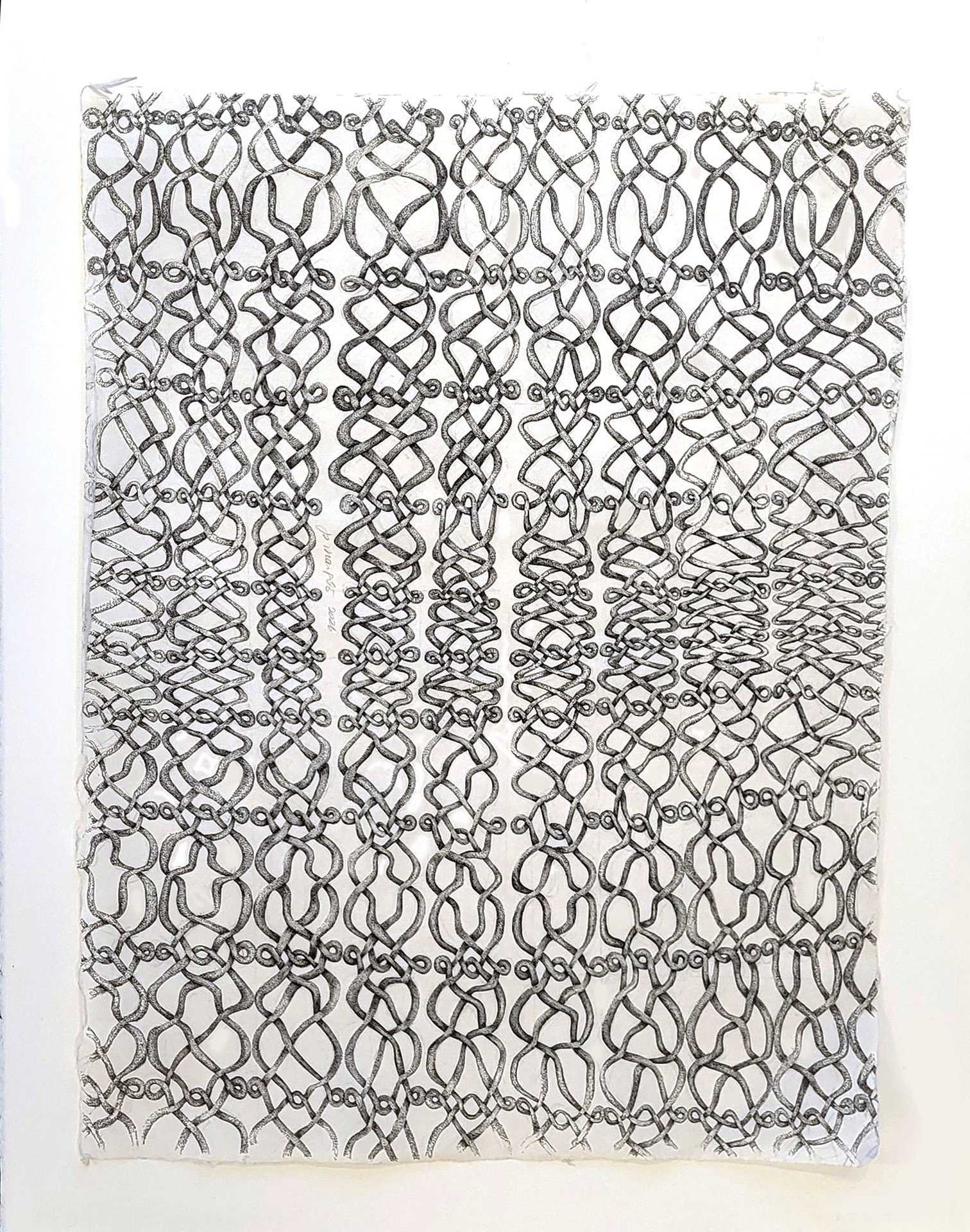
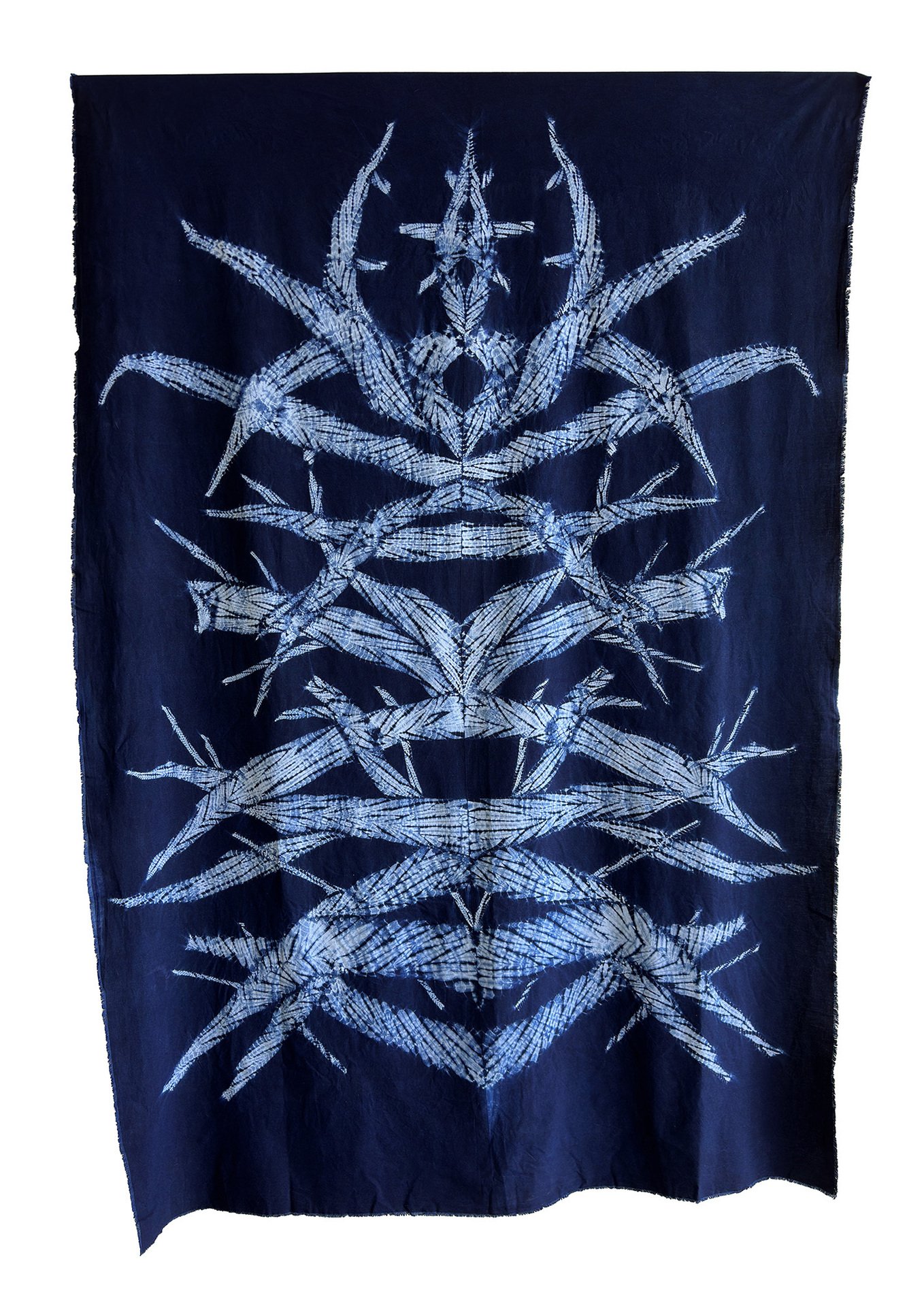
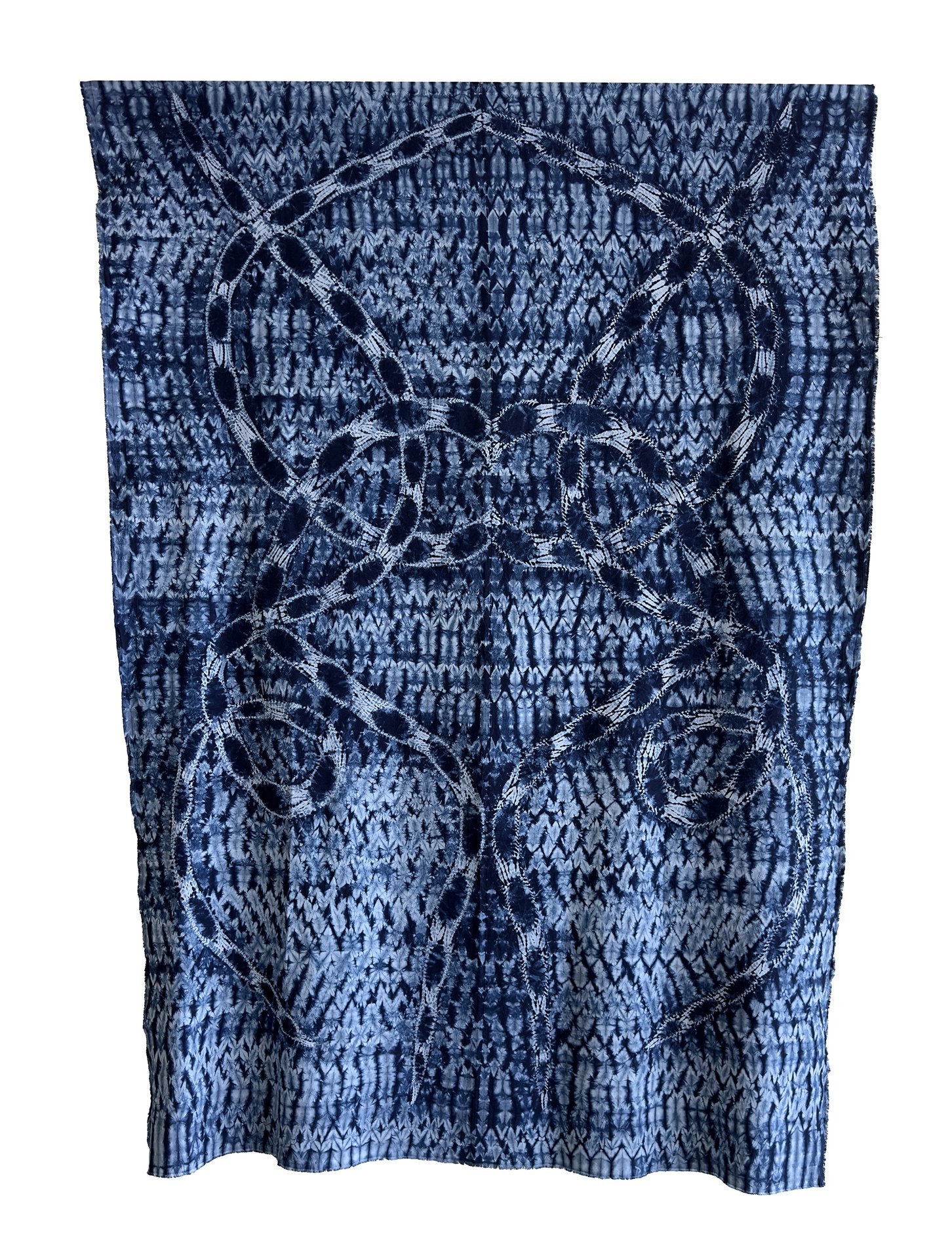
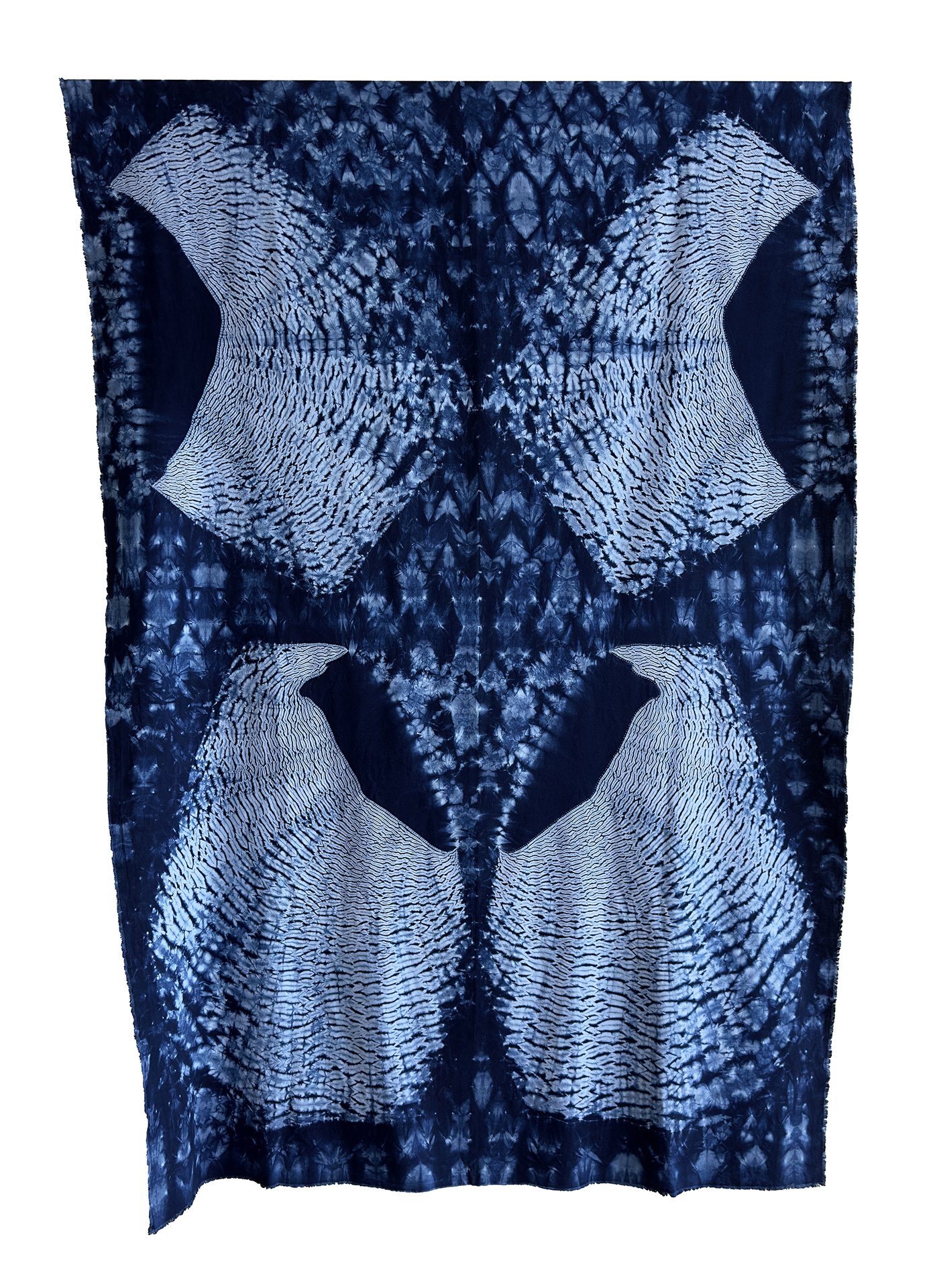
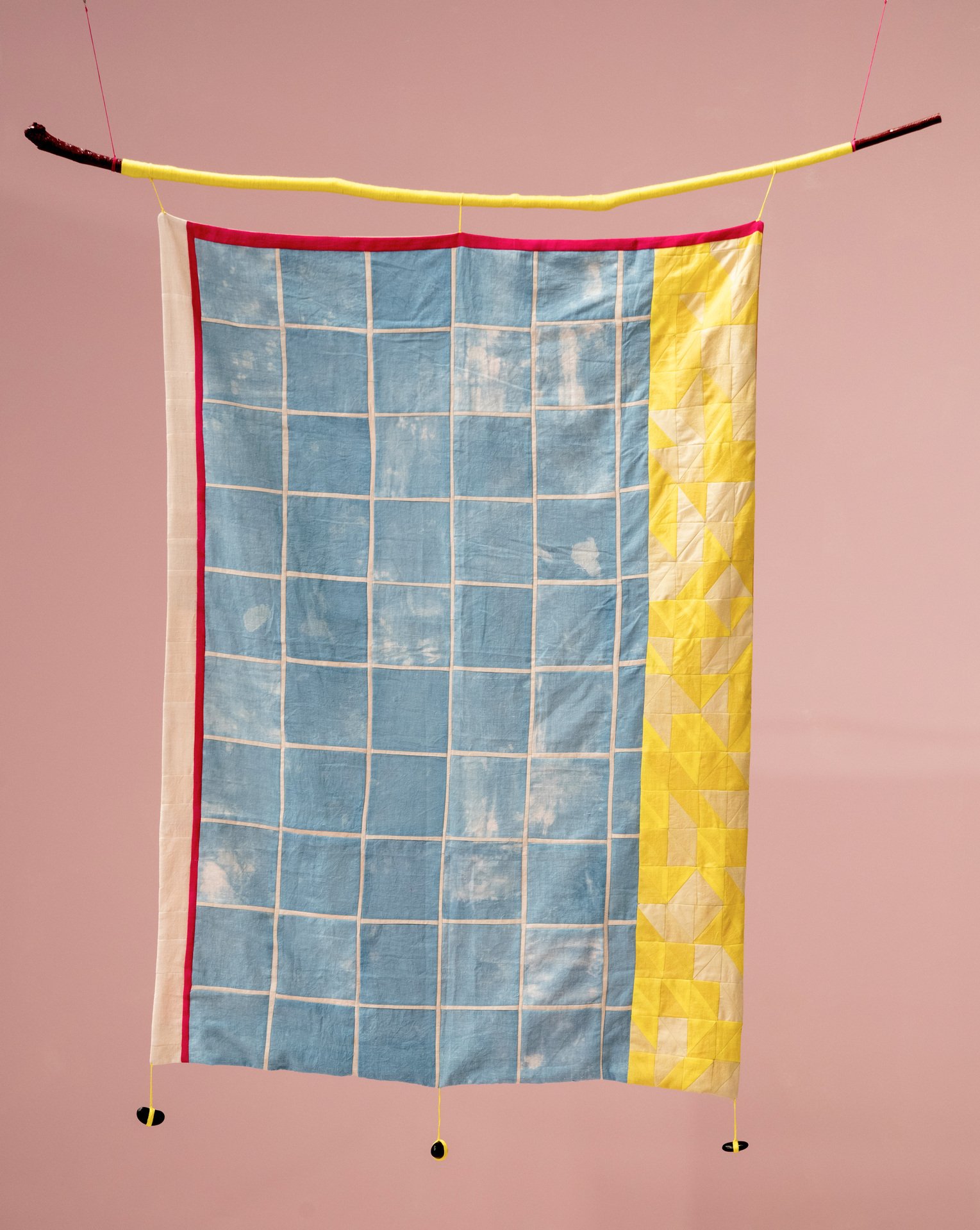
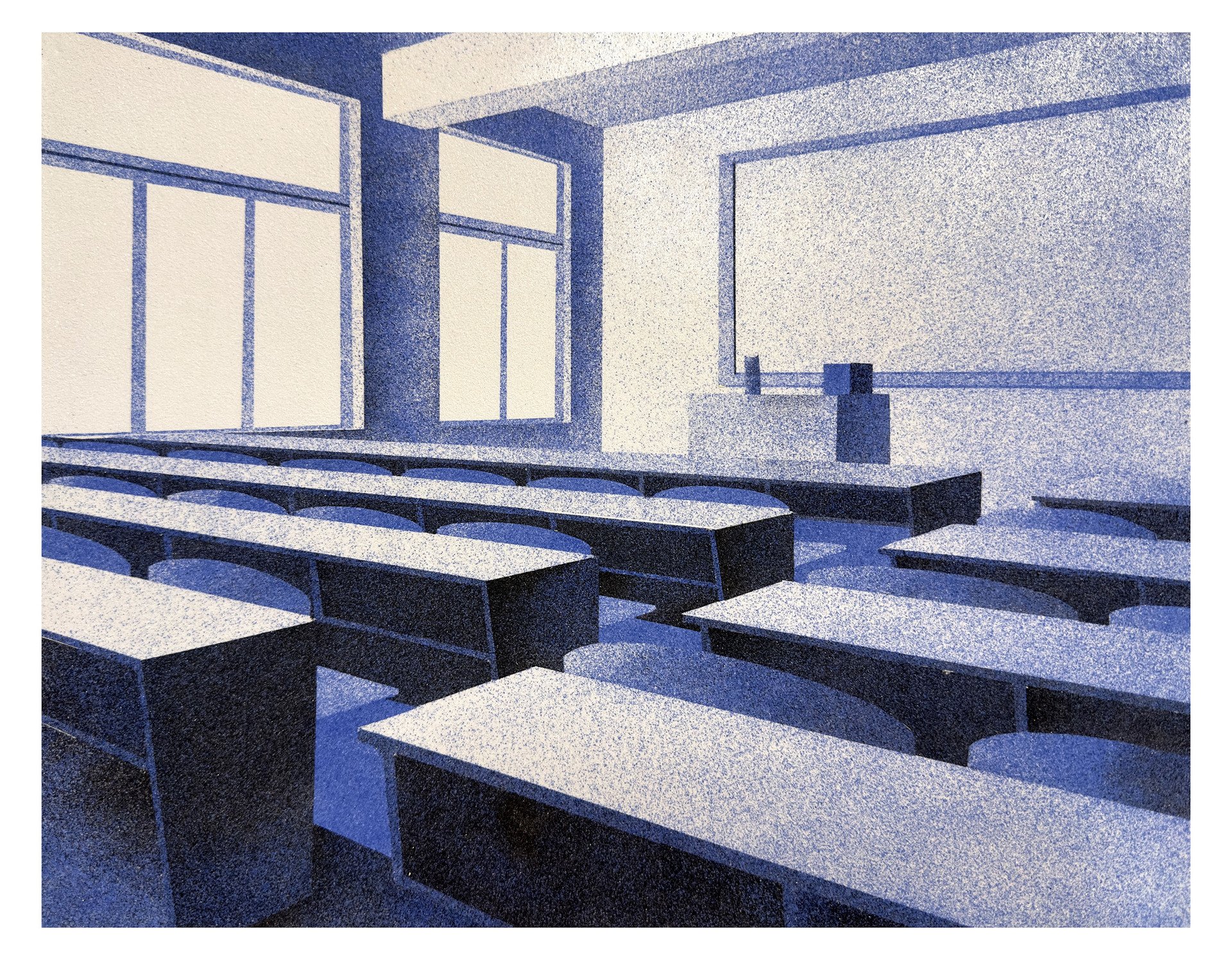
Anita Bracalente's intricate bead knitting unfolds through a slow, repetitive process informed by her encounters with familiar natural landscapes, where observation and recollection become intertwined. Davana Robedee's indigo-dyed textiles similarly depend on duration and transformation, as stitched fabric, water, air, and pigment come together to produce images that evoke the threshold between waking and dreaming. In Zhisheng Wu's paintings, familiar yet estranged spaces become vessels for personal and generational memory, conveying the distance and longing that accompany recollection.
Across these works, making becomes a means of giving material form to experiences that are fleeting or difficult to articulate. The handmade object is a record of duration, in which movement, repetition, and memory remain suspended.