Art and Politics
Juried by Guusje Sanders
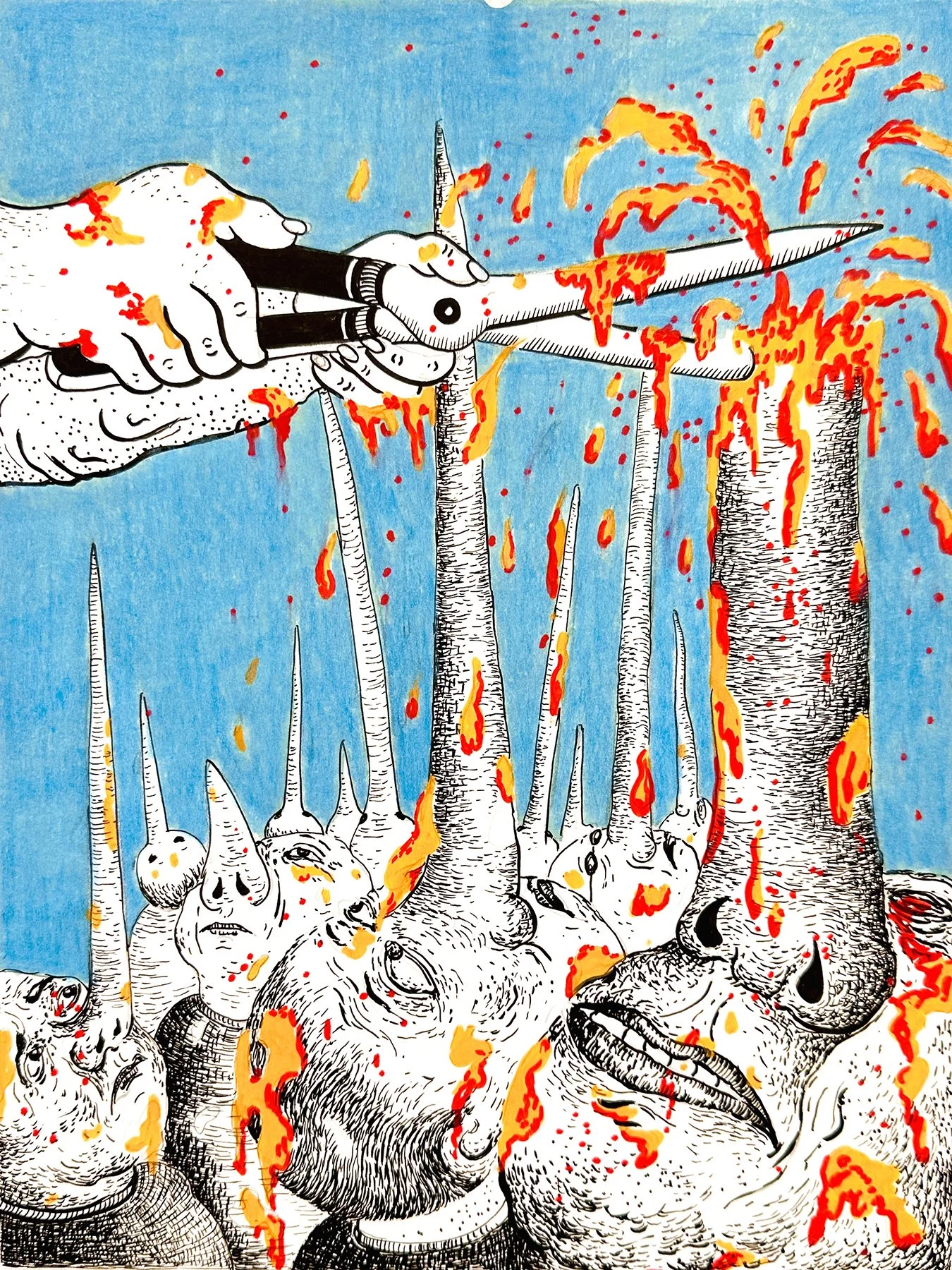
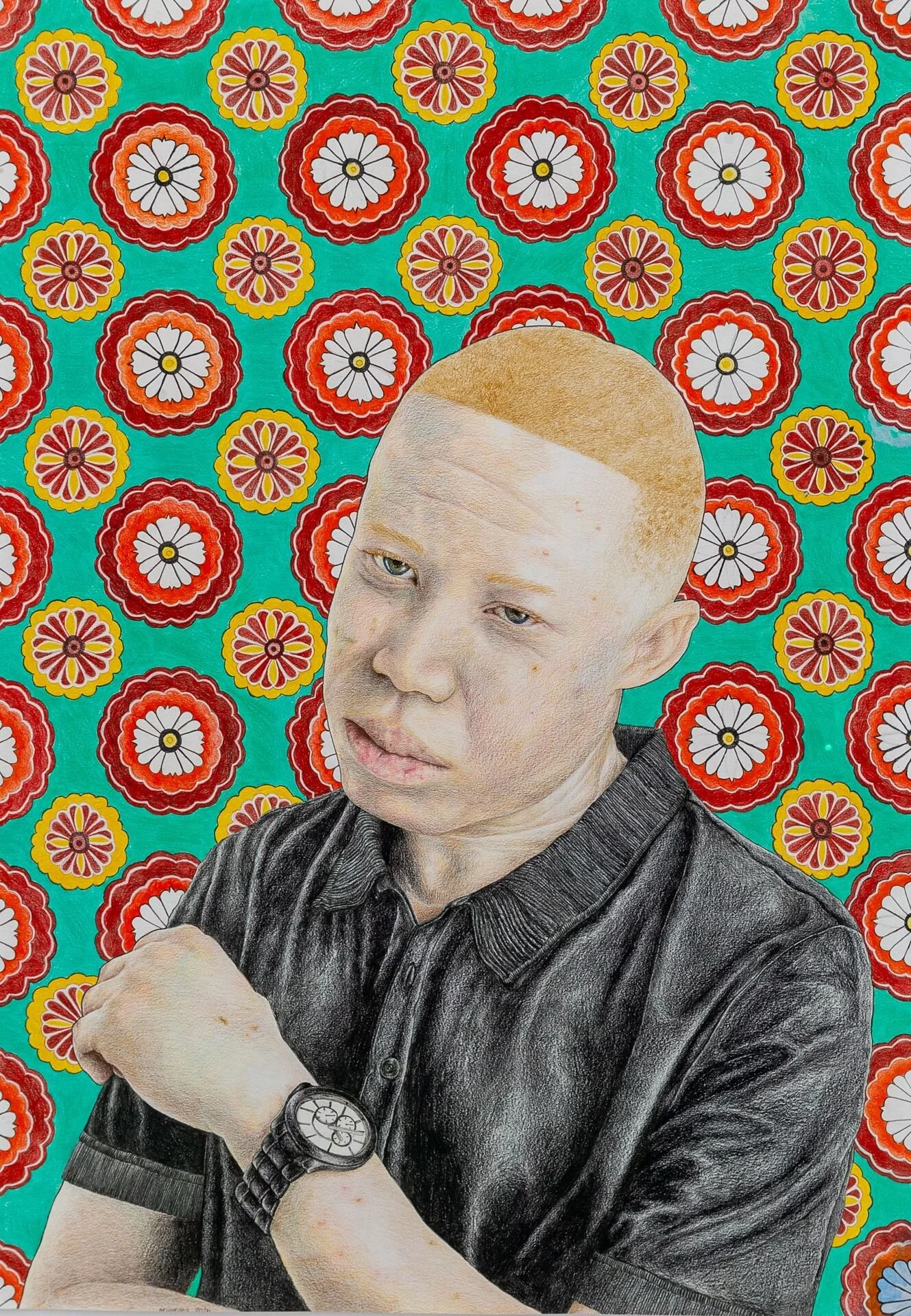
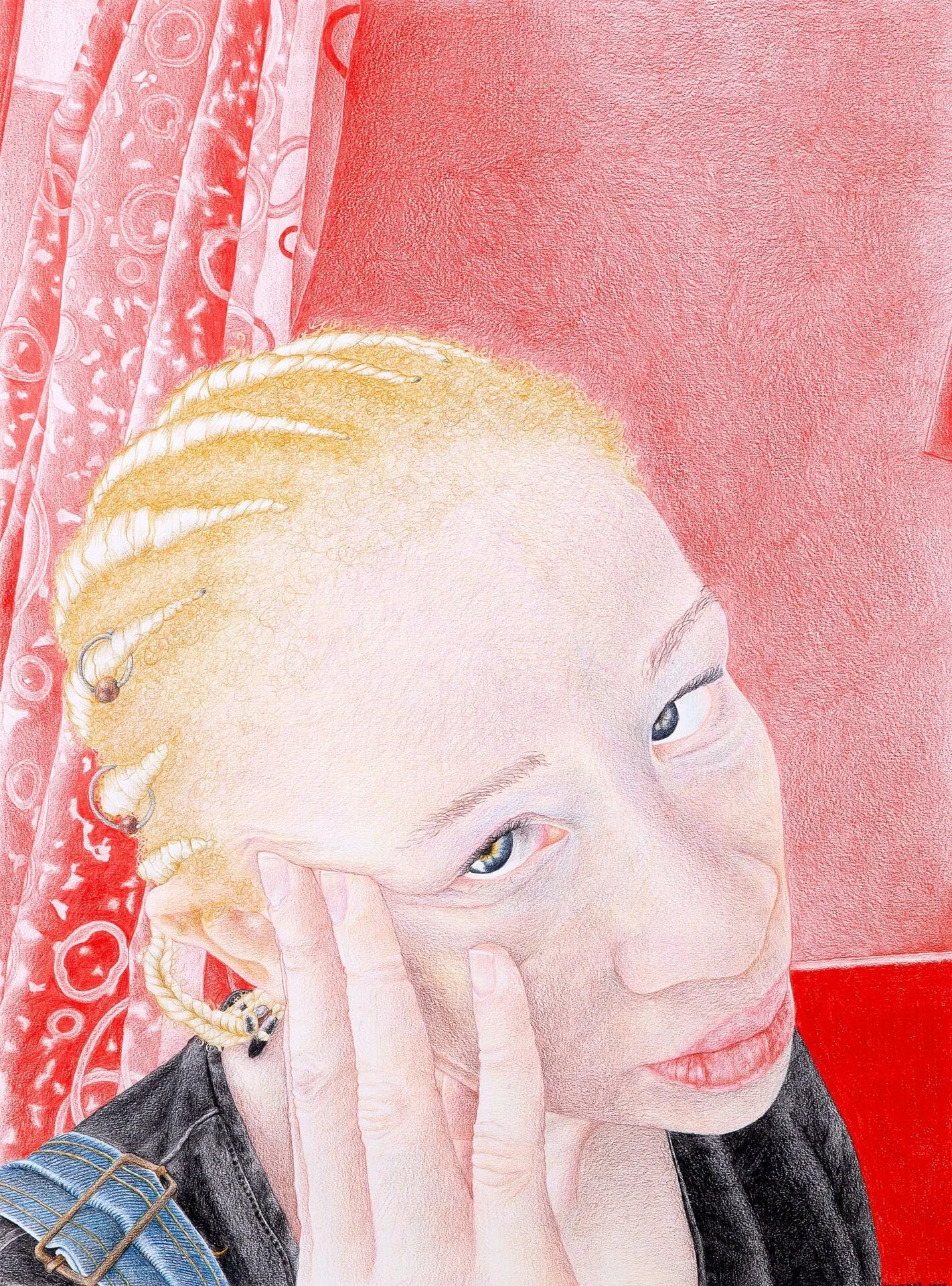
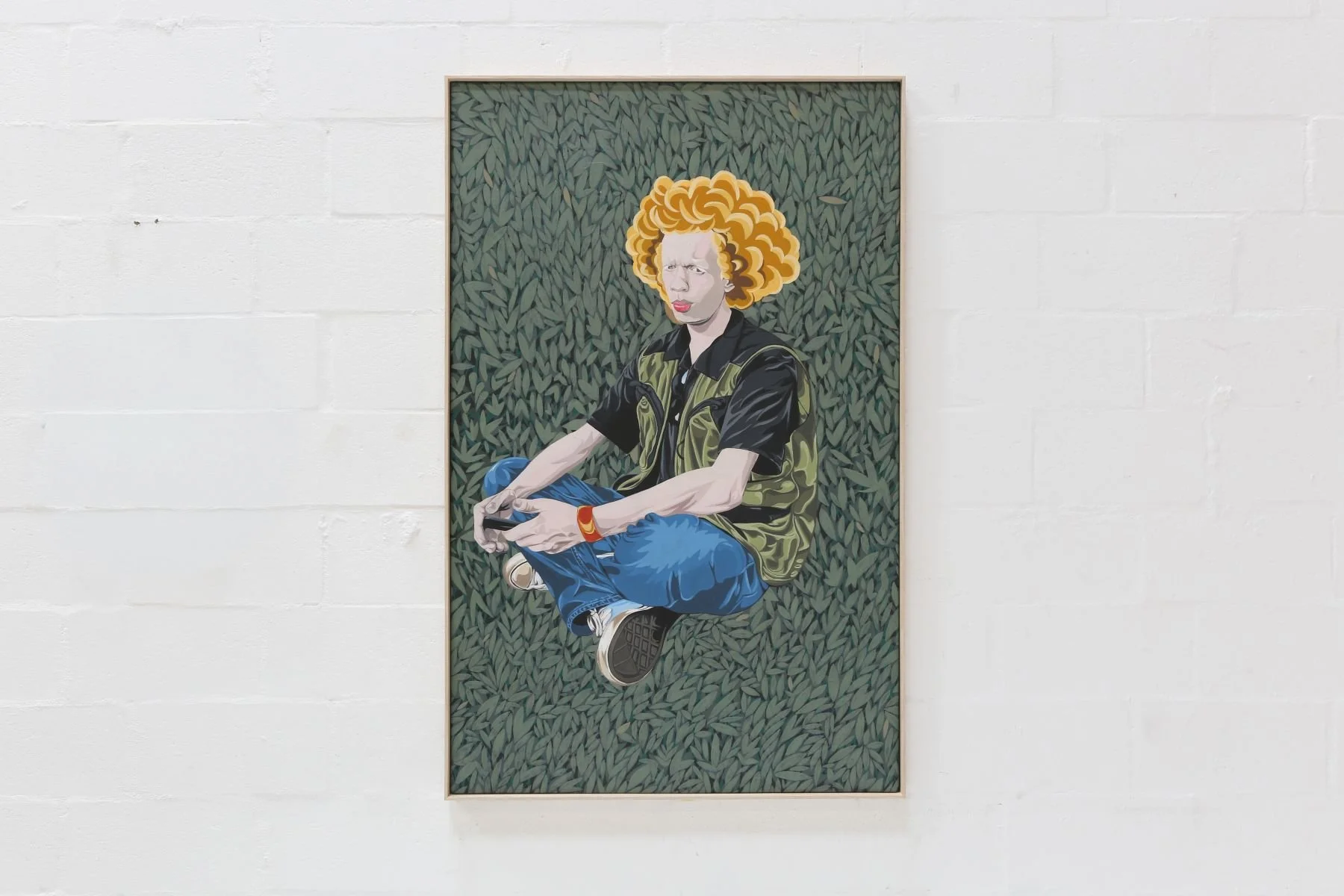
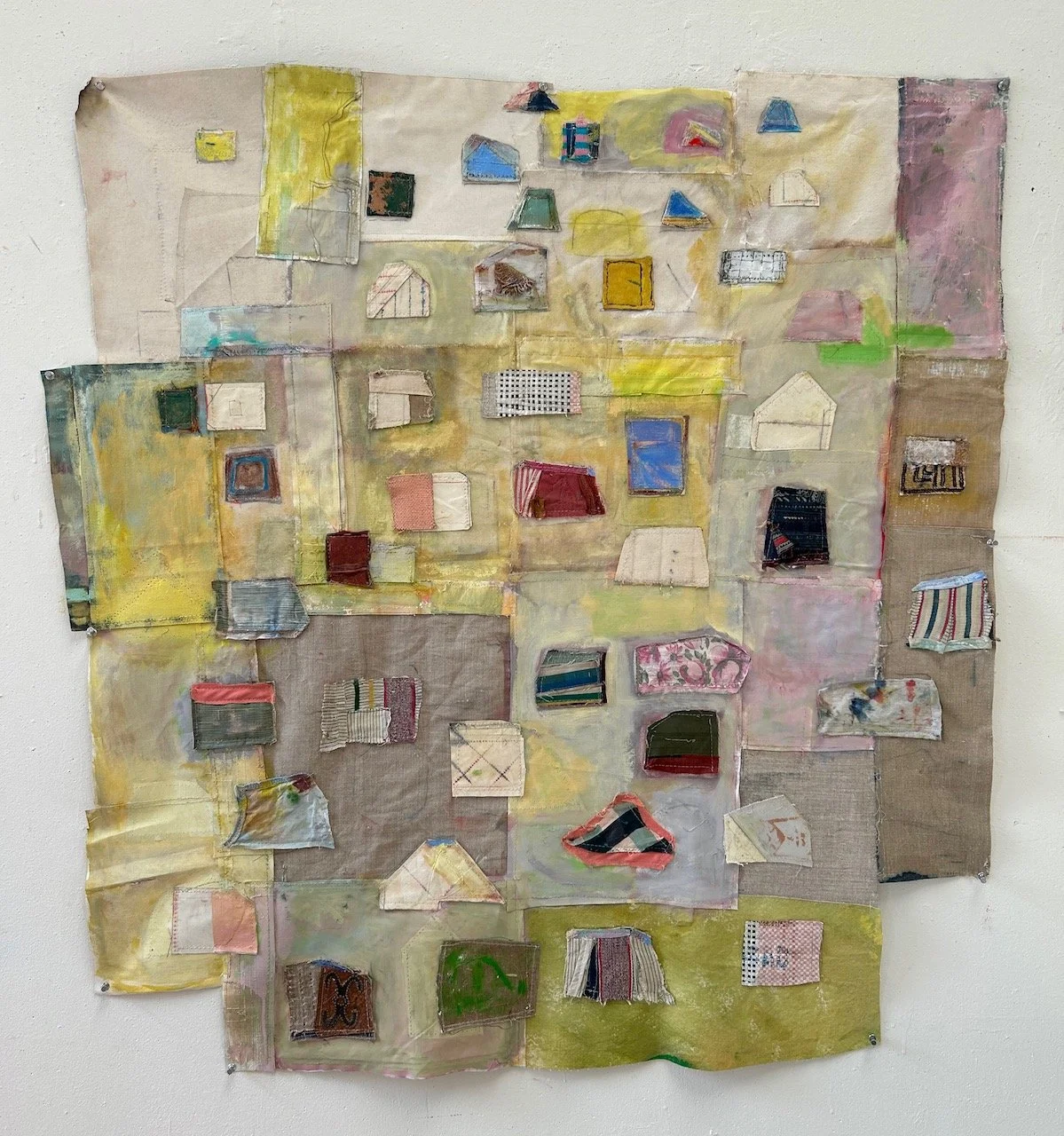
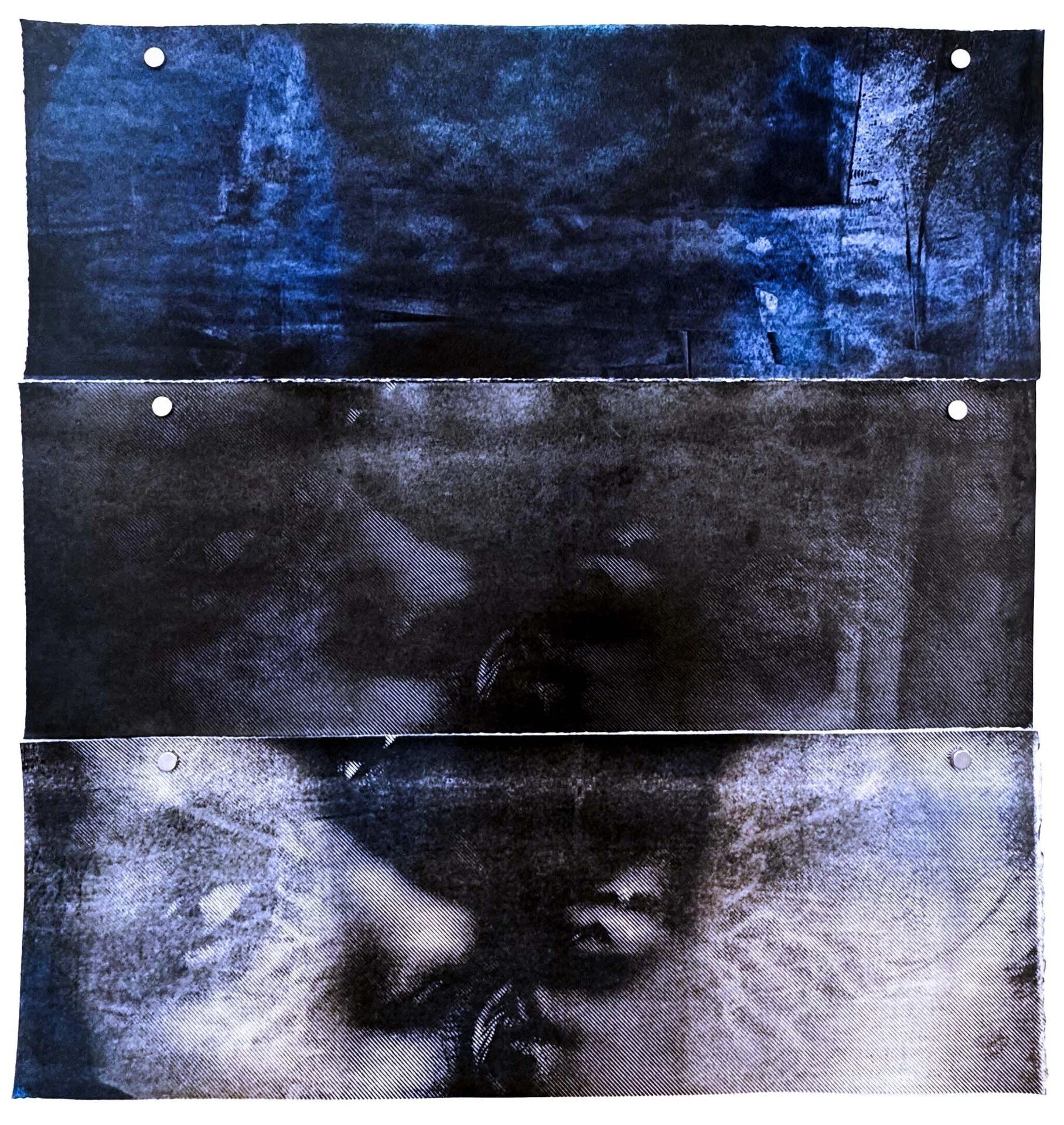
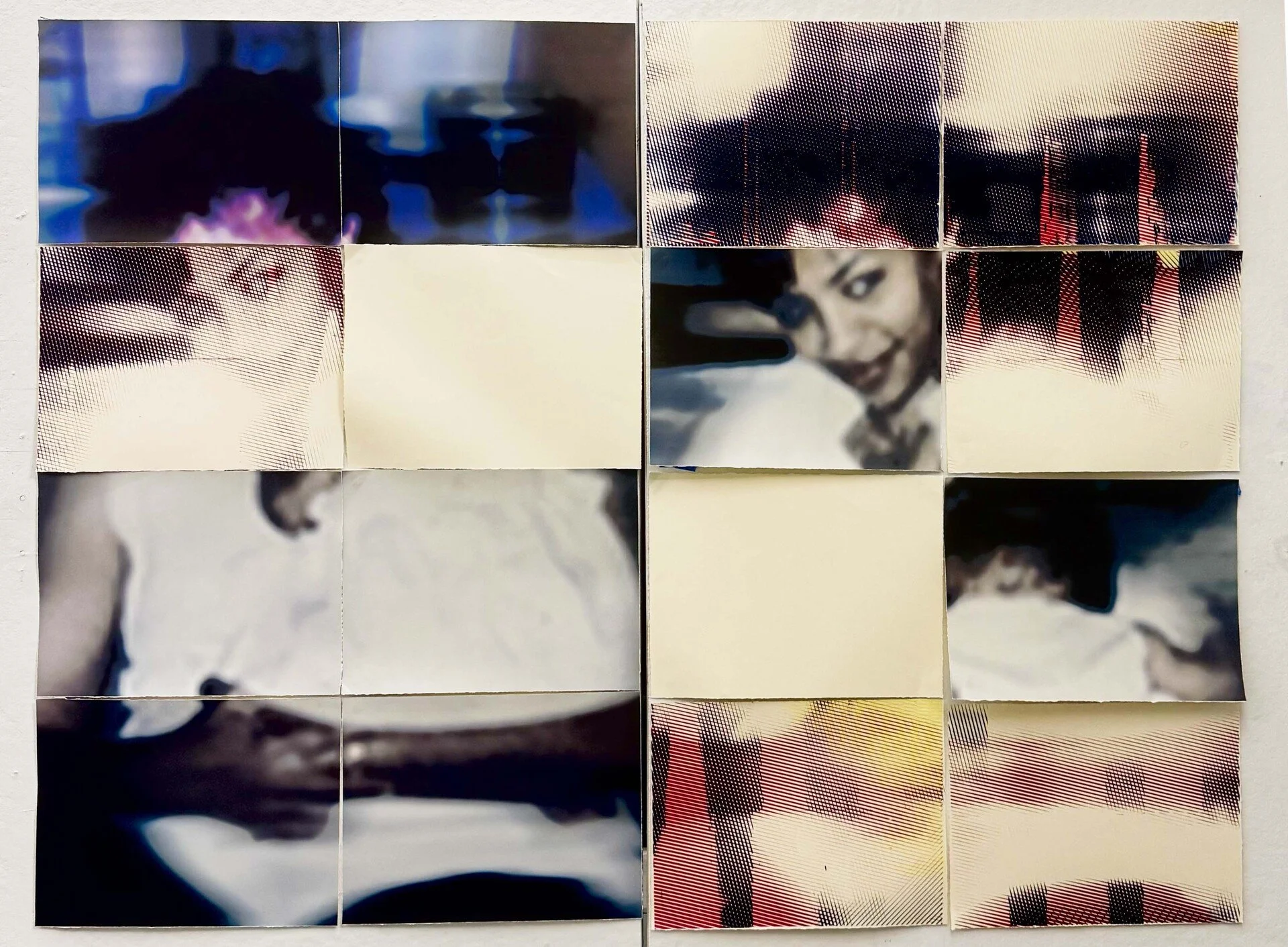
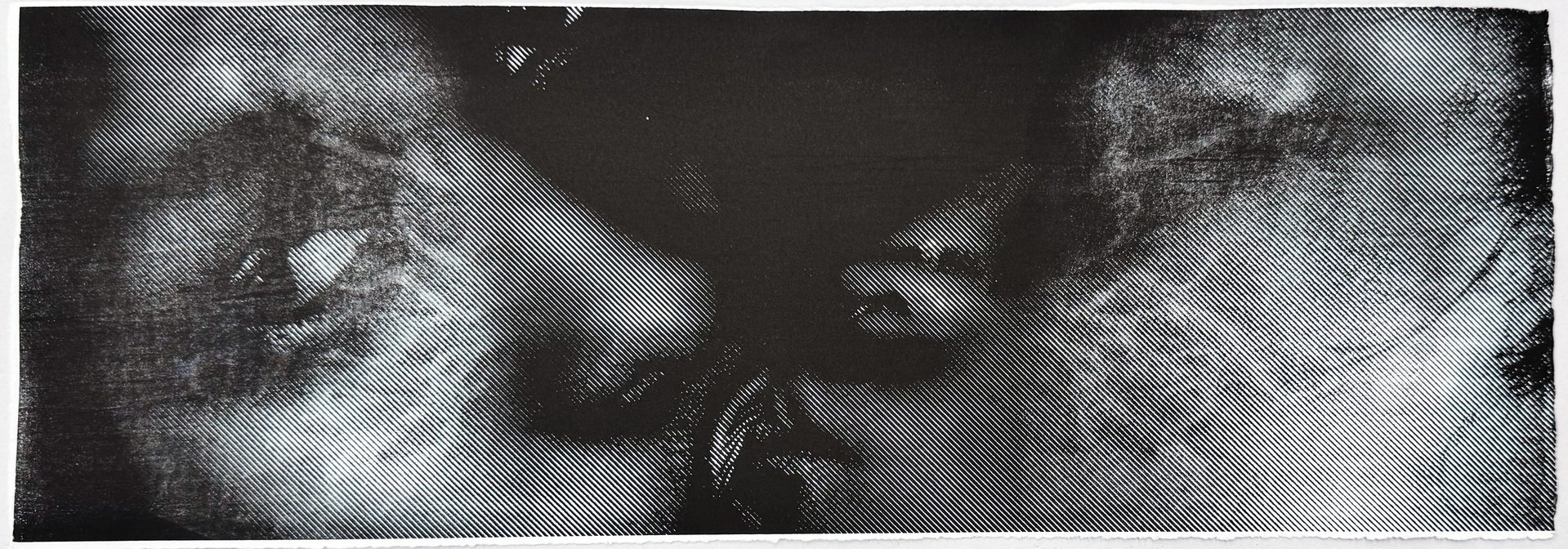
Curatorial Statement
The Politics of Absence
Reviewing the submissions for this exhibition, I encountered many of the same emotions that have come to define the current political moment: outrage, sadness, loss, uncertainty, and exhaustion. In the submissions, artists turned to imagery of political figures to confront the administration, giving form to their anger. Others expressed a paralysis as they try to deal with the overwhelming current political chaos. The abundance of applications for this theme reinforces that we are not alone in these feelings and maybe provides some hope to all of us.
As I moved through all the submissions, I found myself increasingly drawn to a specific kind of political work that, in some ways, felt quieter but just as determined to be heard. A quiet rebellion that equally boldly wants to claim space and demands to be seen.
These works explore what it means when entire communities, histories, or experiences exist at the edges of public consciousness. Politics dominates nearly every aspect of life, filling our news feeds, conversations, and cultural production, all in a moment when truth itself can feel unstable. Facts are disputed, and reality is shaped by spectacle and the repetition of falsehoods. In this turmoil, the question of absence becomes increasingly political.
Examining the politics of invisibility, these works draw attention to what has been erased, restricted, forgotten, controlled, or rendered silent. They ask us to consider the spaces left behind when voices are excluded from dominant narratives and challenge the power structures that determine whose stories are seen, heard, and remembered, reminding us that power operates not only through presence, but through absence; not only through what is said, but through what is left unsaid.
This exhibition is an invitation to look toward those absences. To consider invisibility not as emptiness, but as evidence and to ask whose stories remain underrecognized, what is lost when they disappear from view, and what becomes possible when they are brought into focus.
About the Juror
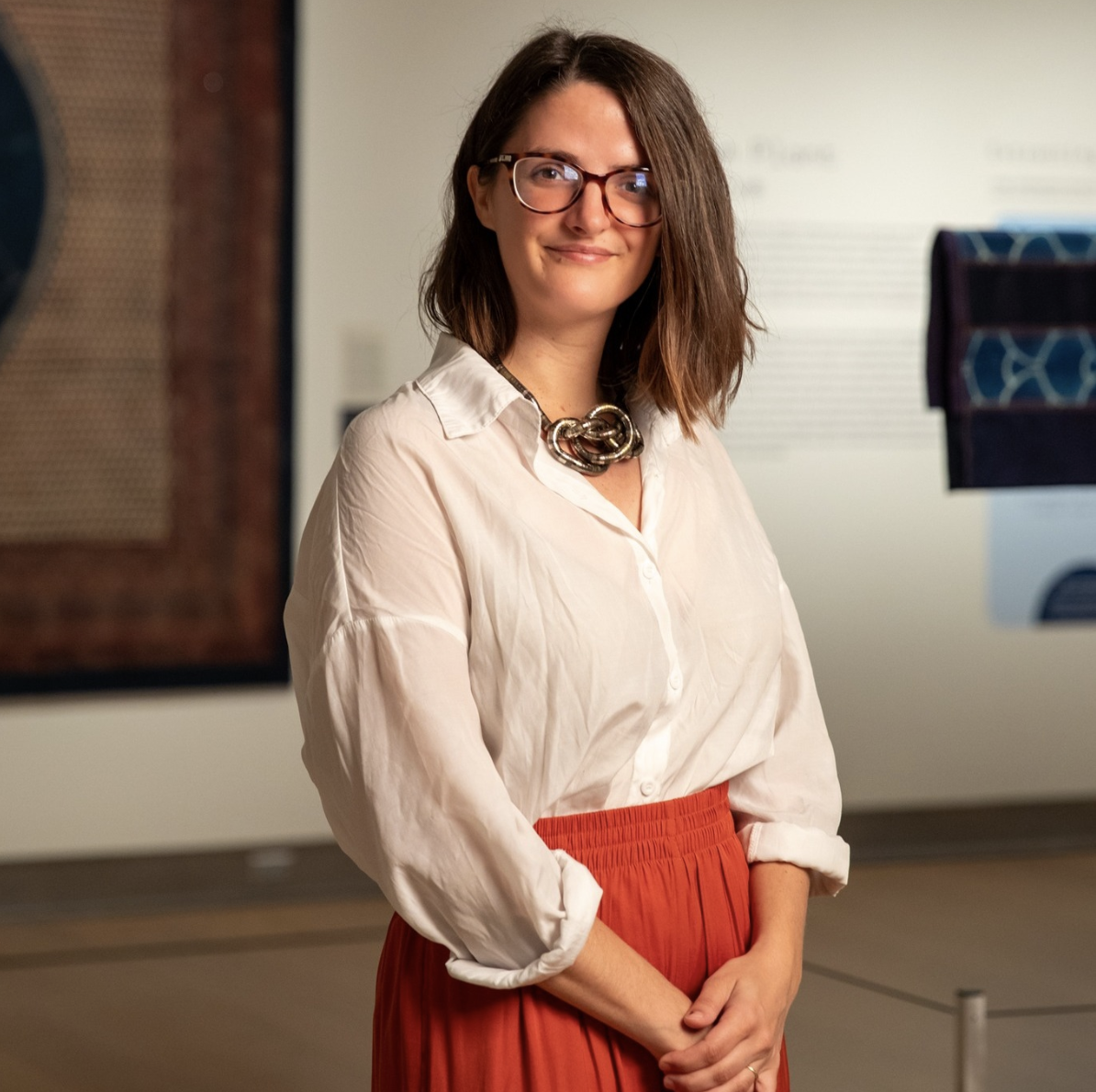
Guusje Sanders, originally from the Netherlands and residing in the United States since 2006, joined Mingei International Museum's curatorial team as Curator in August 2023. Most recently she curated Boundless: Reflections of Southern California Landscapes in Midcentury Studio Ceramics and Restitched: Feed Sacks in Mid-Twentieth Century Quilts and co-curated Blue Gold: The Art and Science of Indigo, presented as part of Getty's PST ART: Art and Science Collide. Prior to this position, she served as the Associate Curator at the Institute of Contemporary Art, San Diego, formerly Lux Art Institute for 6 years. Approaching her curatorial practice as a platform for diverse voices, she places a strong emphasis on accessibility and curatorial and institutional accountability. Sanders holds a Master's in Exhibition and Museum Studies from the San Francisco Art Institute and a Bachelor's in Art History from the University of Wisconsin - Madison.
WALL 1: Shaping “Truth” and Controlling the Narrative
History is talked about as a fixed record of the past, a singular truth. These artworks question how history is shaped, who has the power to tell it, and how “truth” has become a contested space. Dominant narratives determine which events are remembered, whose voices are amplified, and which stories are omitted altogether. False promises can become tools of oppression, while repetition and selective memory turn partial accounts into accepted truths. Acts of erasure have reinforced these narratives, but when overlooked voices emerge, histories are recontextualized, and established histories are challenged, we have the power to unravel long-held assumptions.
MyLoan Dinh
Vanity Project
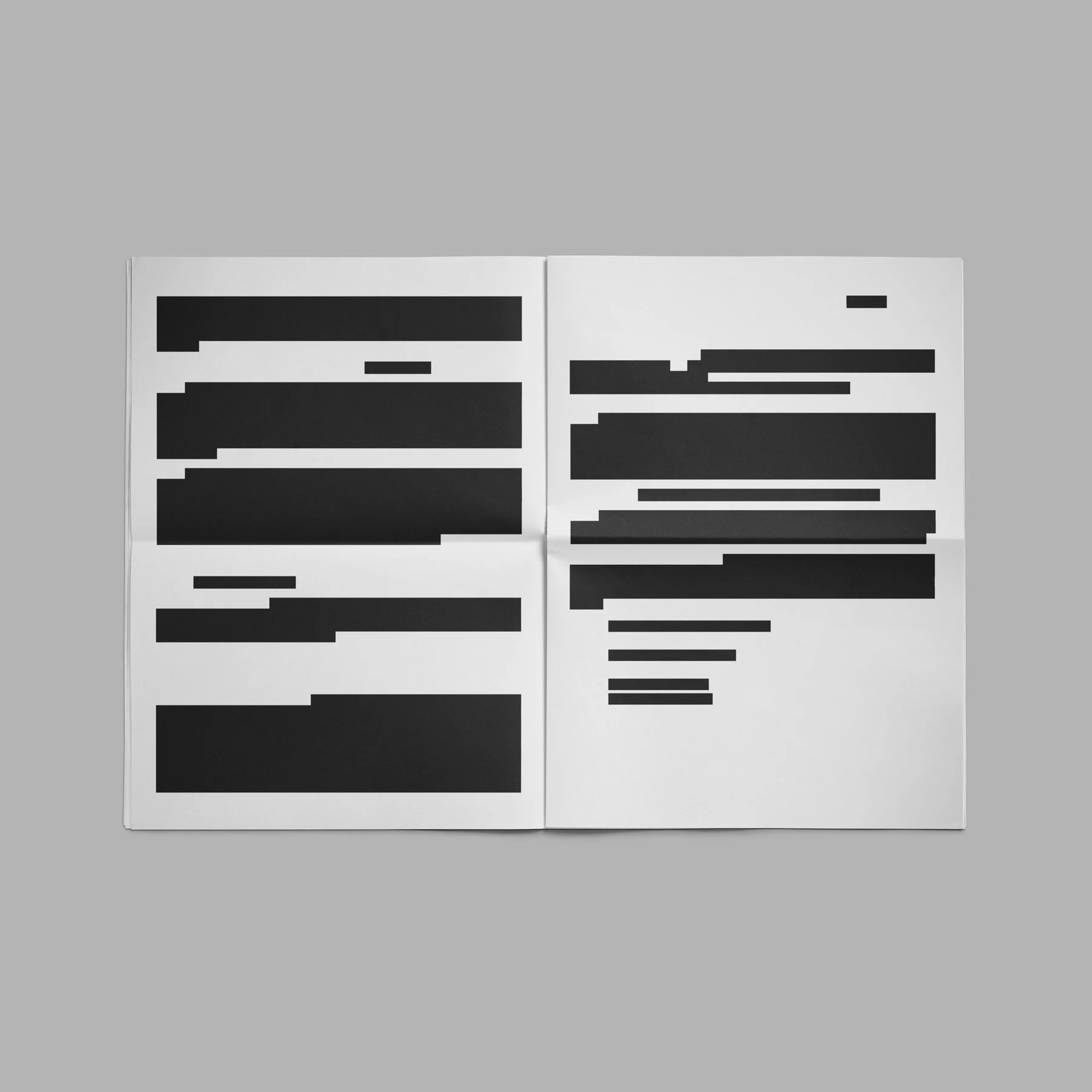
Vanity Project
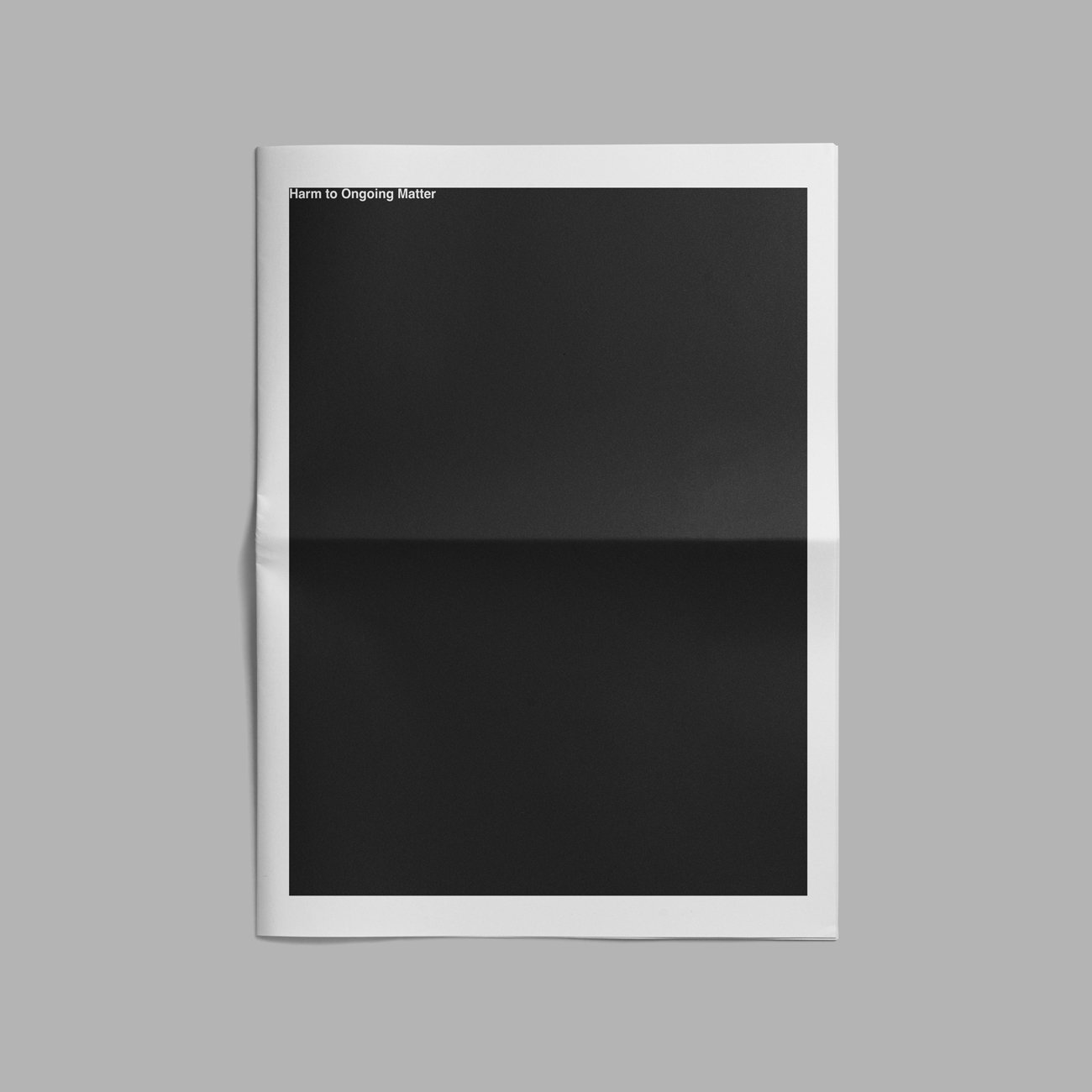
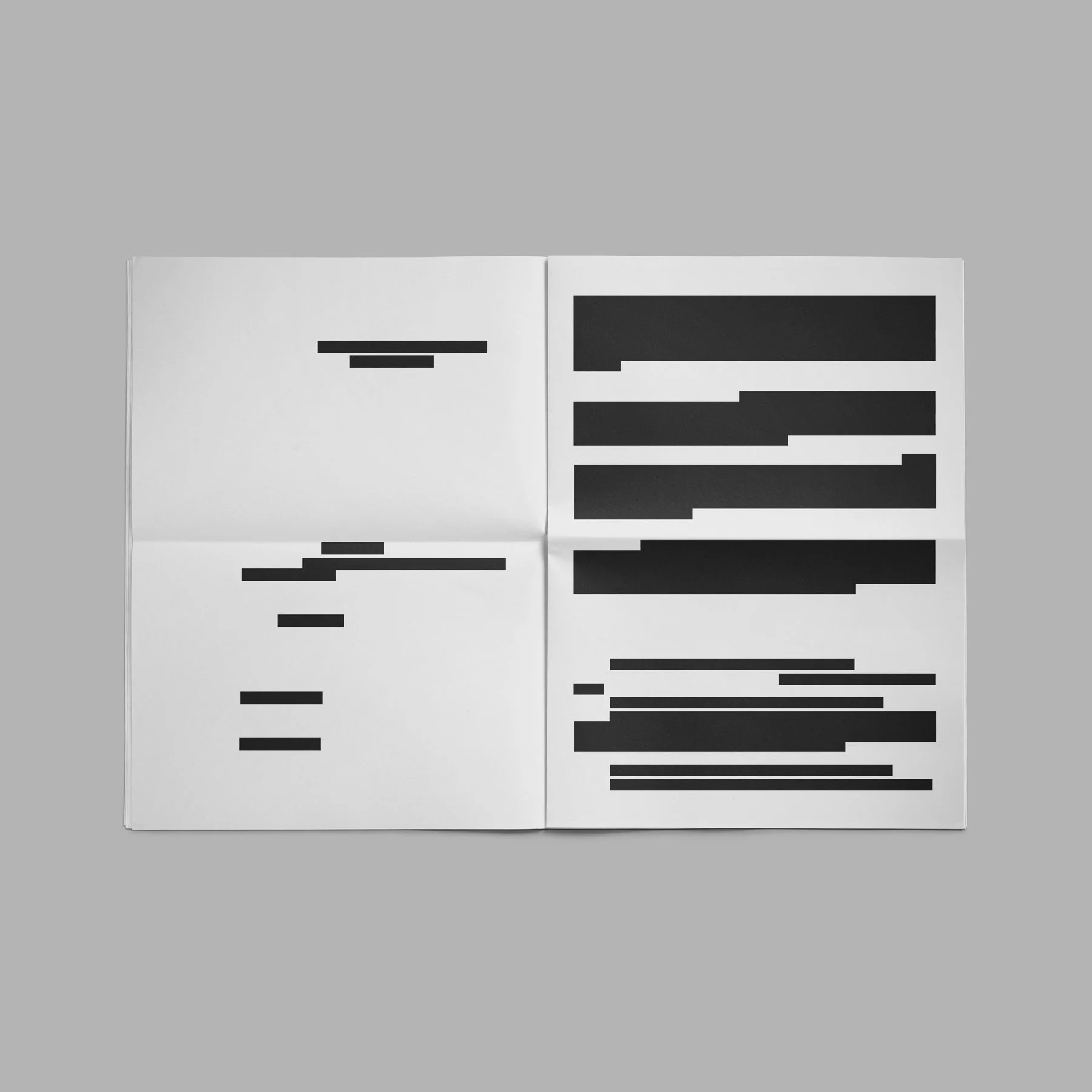
Harm To Ongoing Matter-Spread
Newspaper, plastic bags, black ink
14.75" x 20.5" x .25"
$20.00
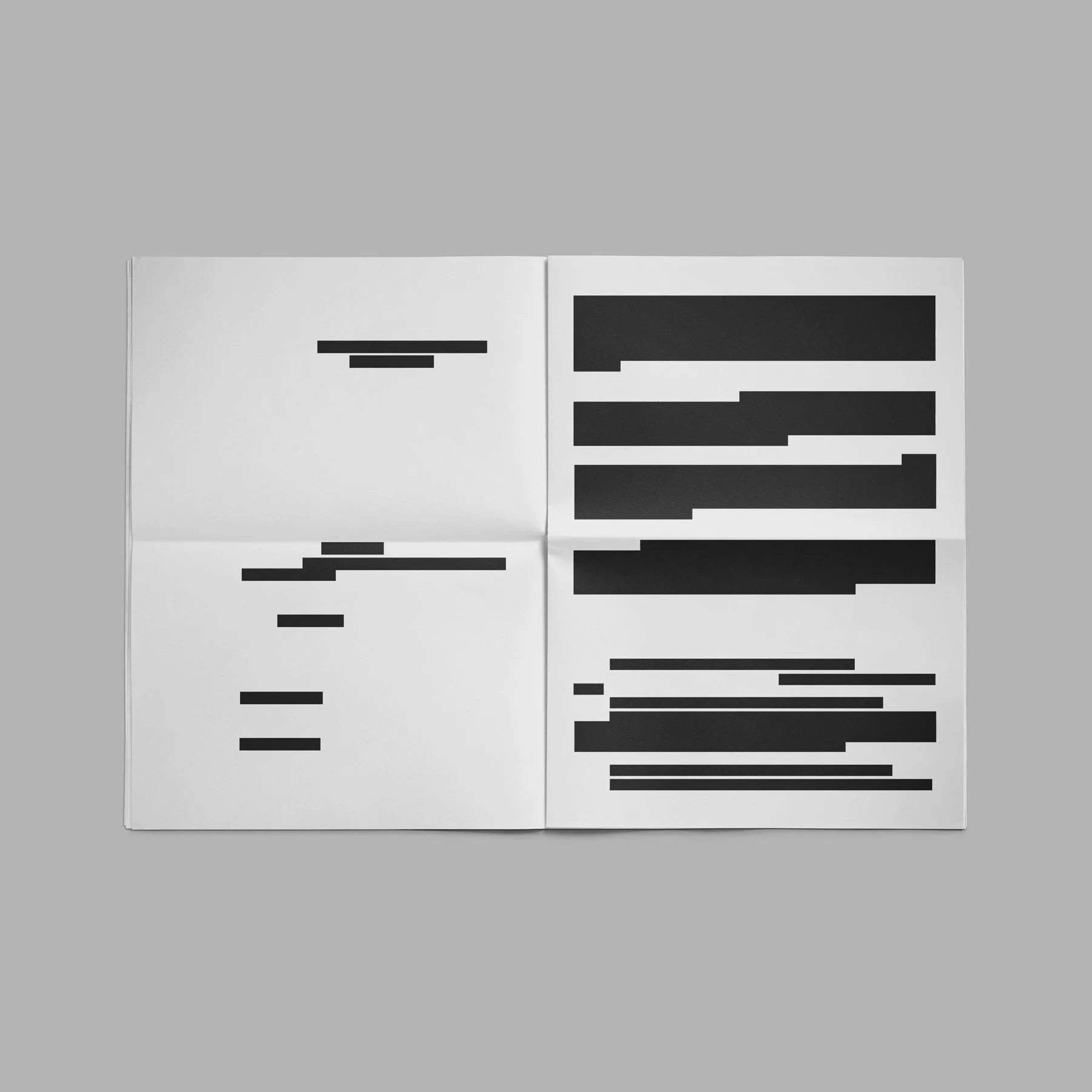
Vanity Project
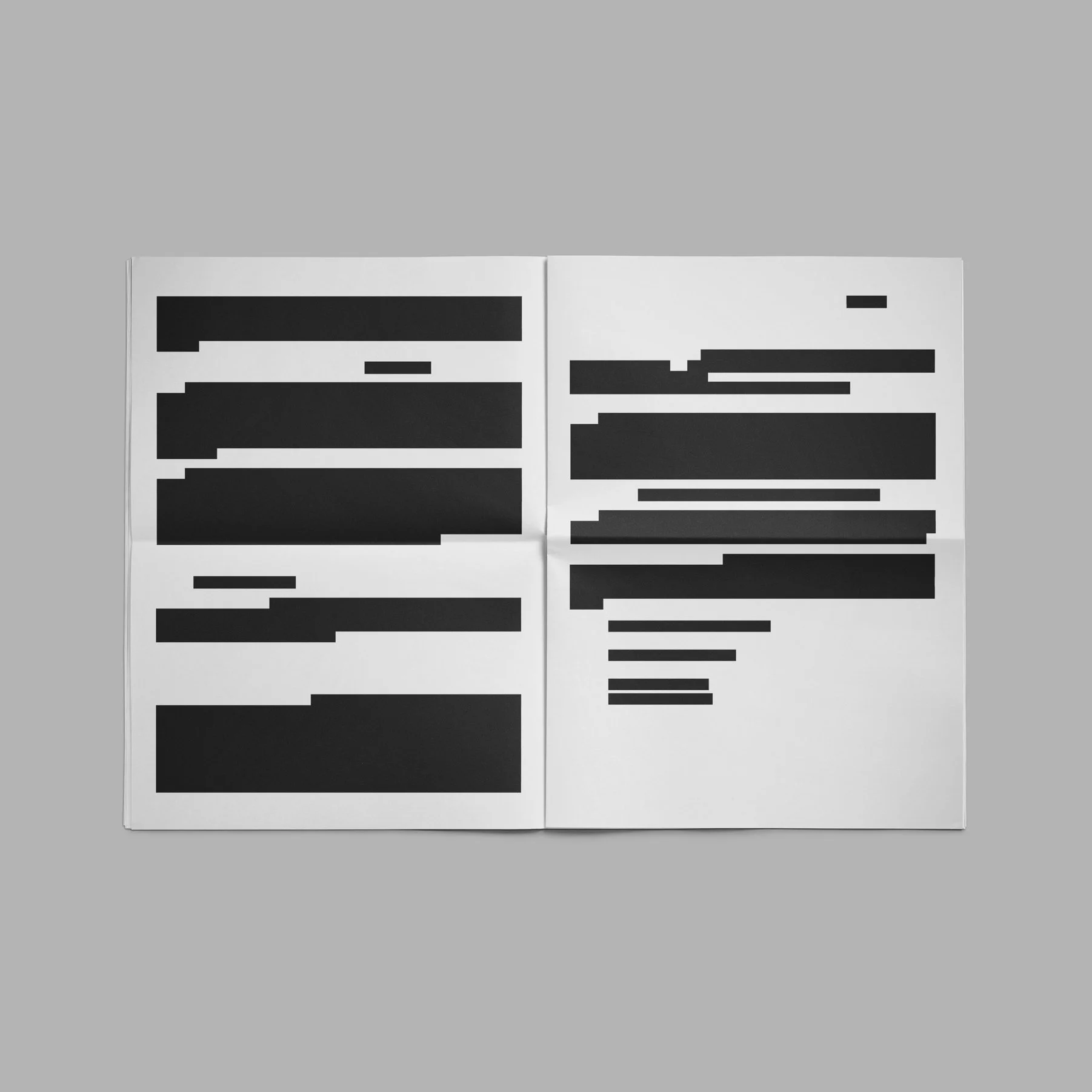
Harm To Ongoing Matter-Centerfold
Newspaper, plastic bags, black ink
14.75" x 20.5" x .25"
$20.00
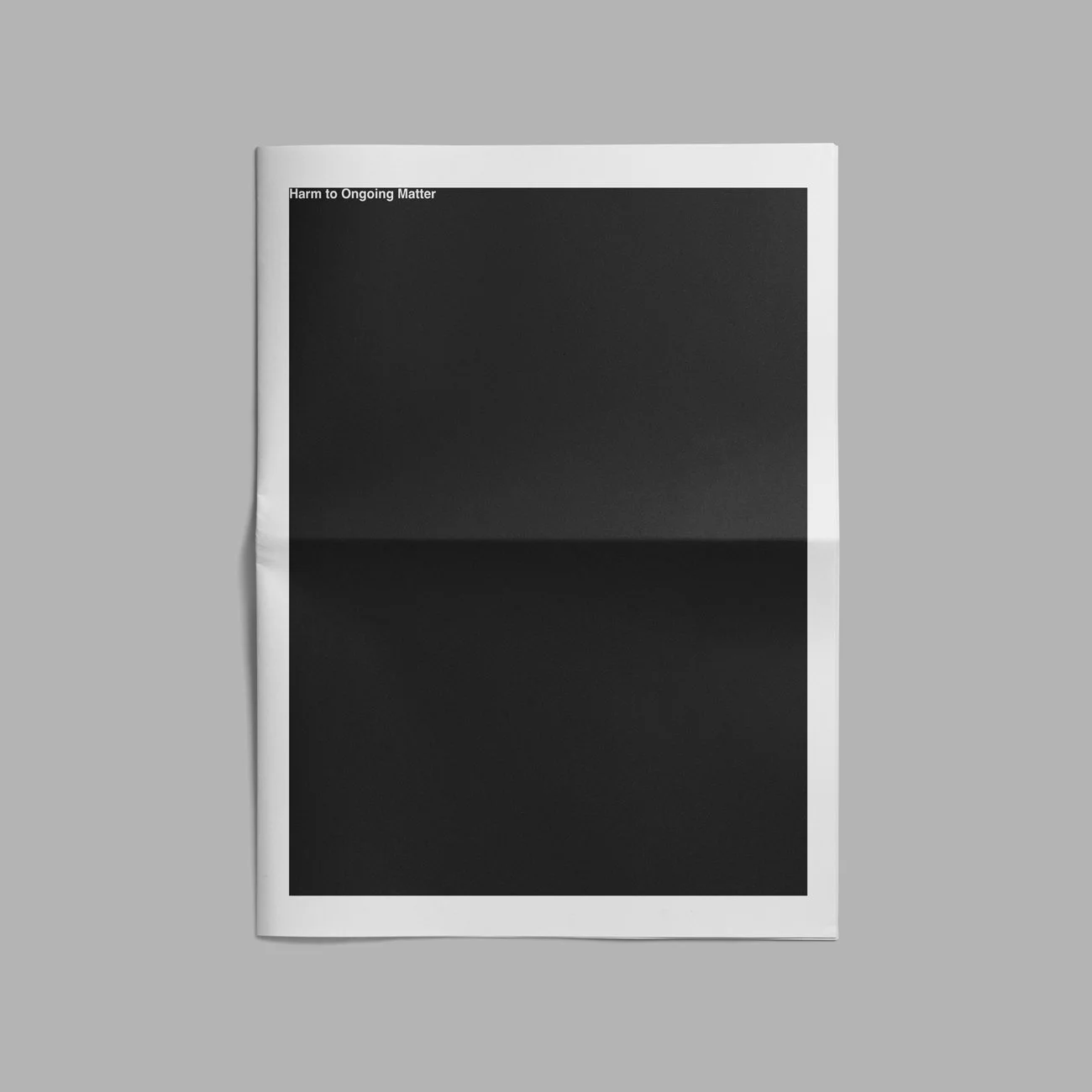
Vanity Project
Harm To Ongoing Matter-Cover Open
Newspaper, plastic bags, black ink
14.75" x 10.25" x .25"
$20.00
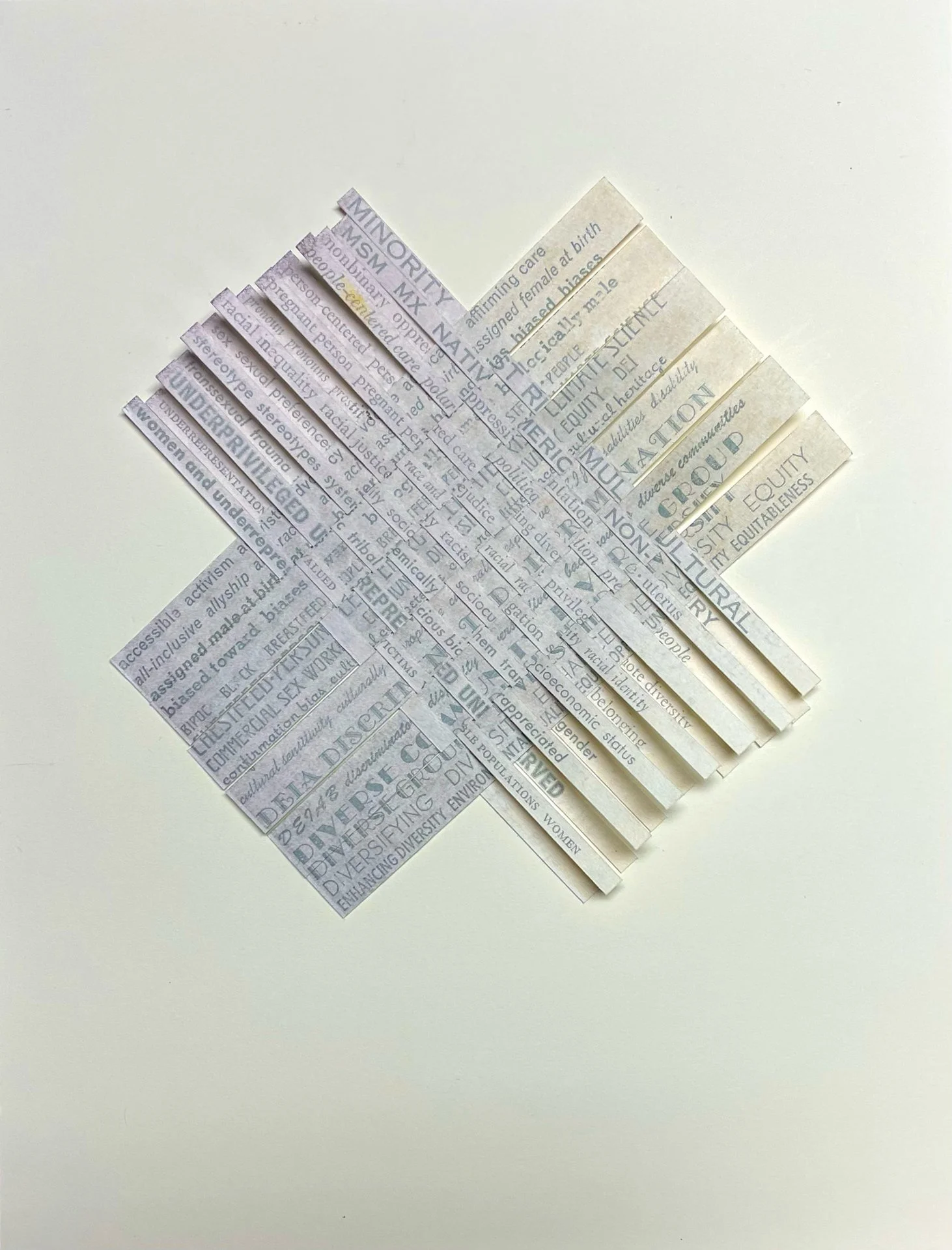
Amy Redmond
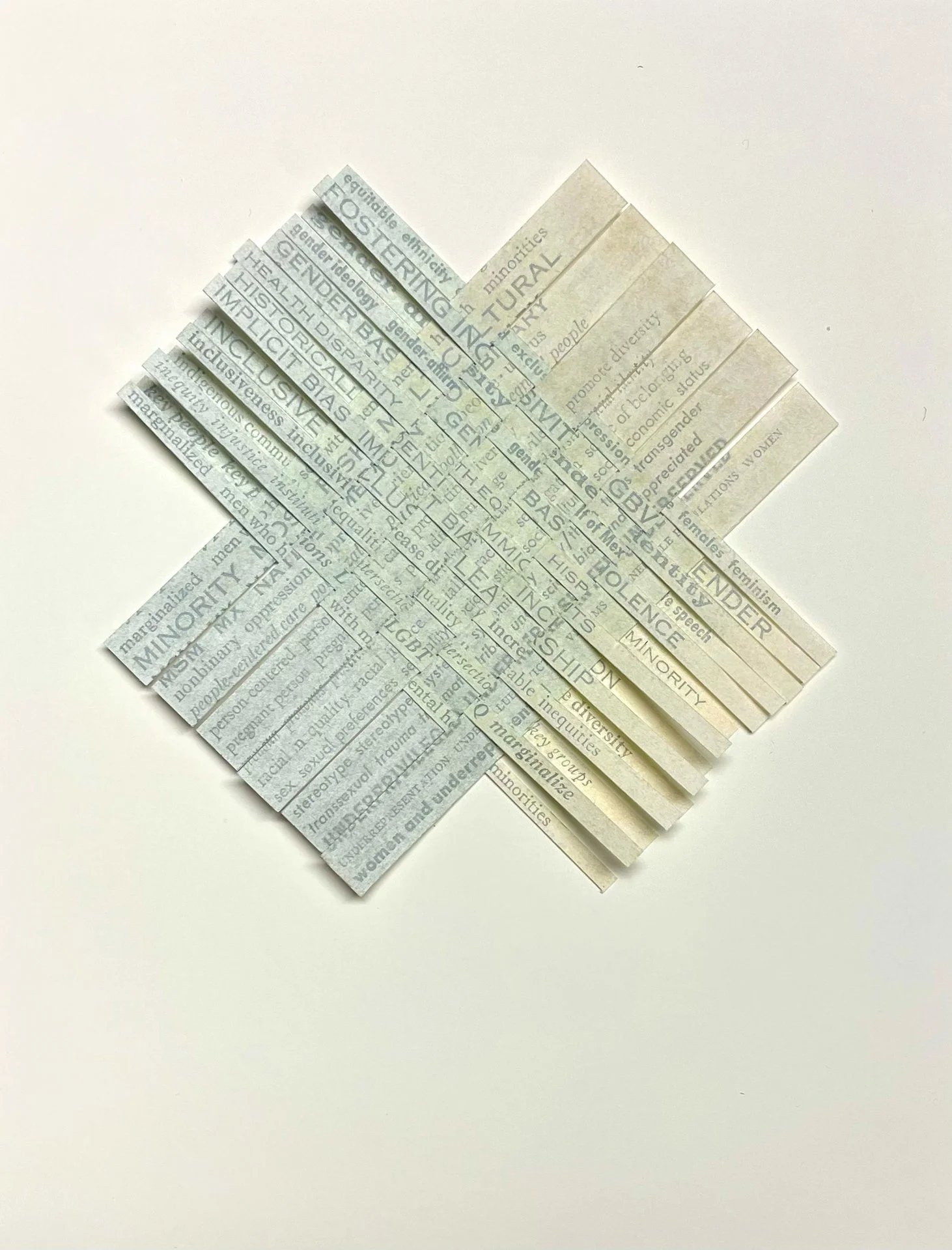
Amy Redmond
x3: Pattern of Vanishing Words
Hand-woven strips of letterpress printed cotton paper
11" x 8.5" x 0.06"
$100.00
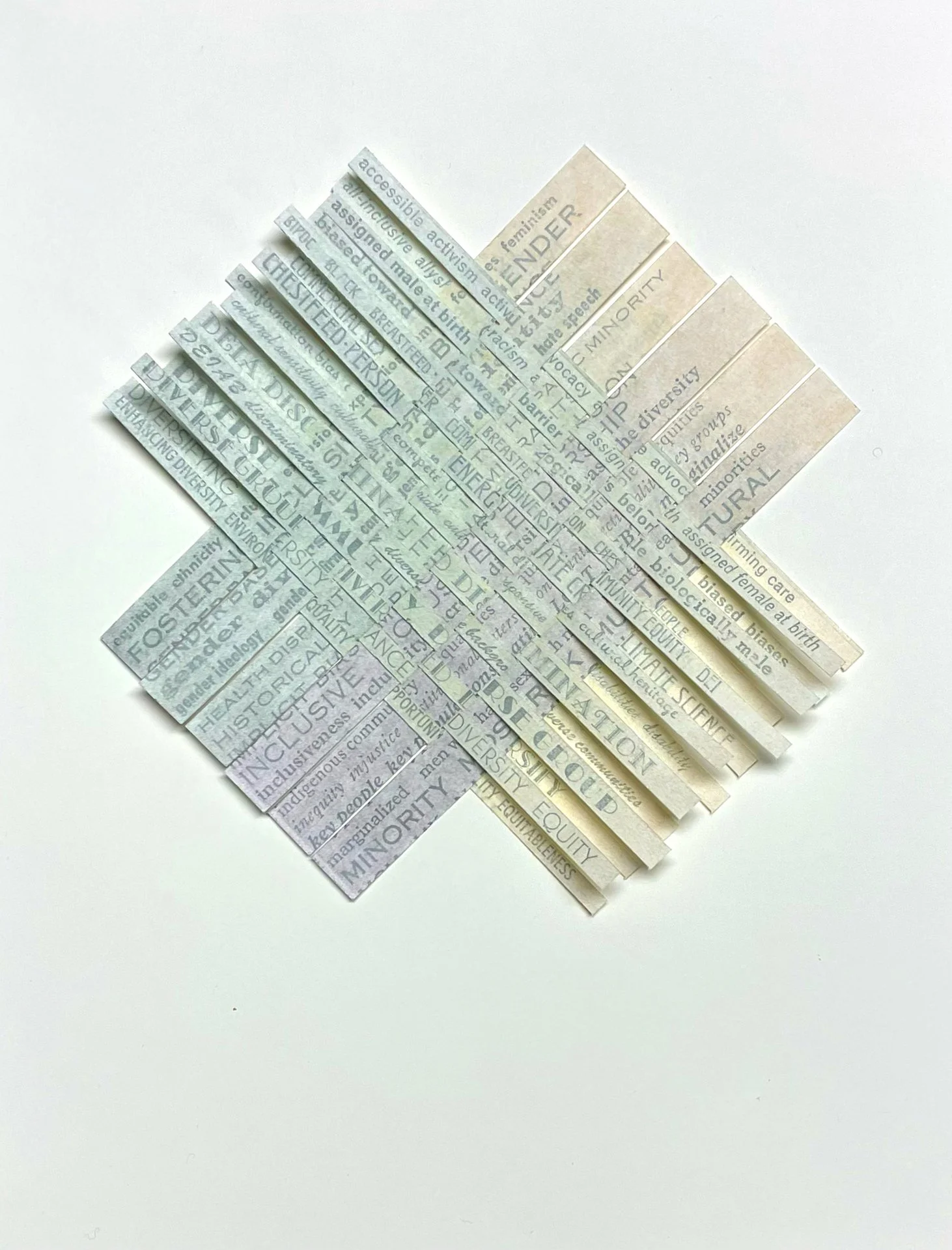
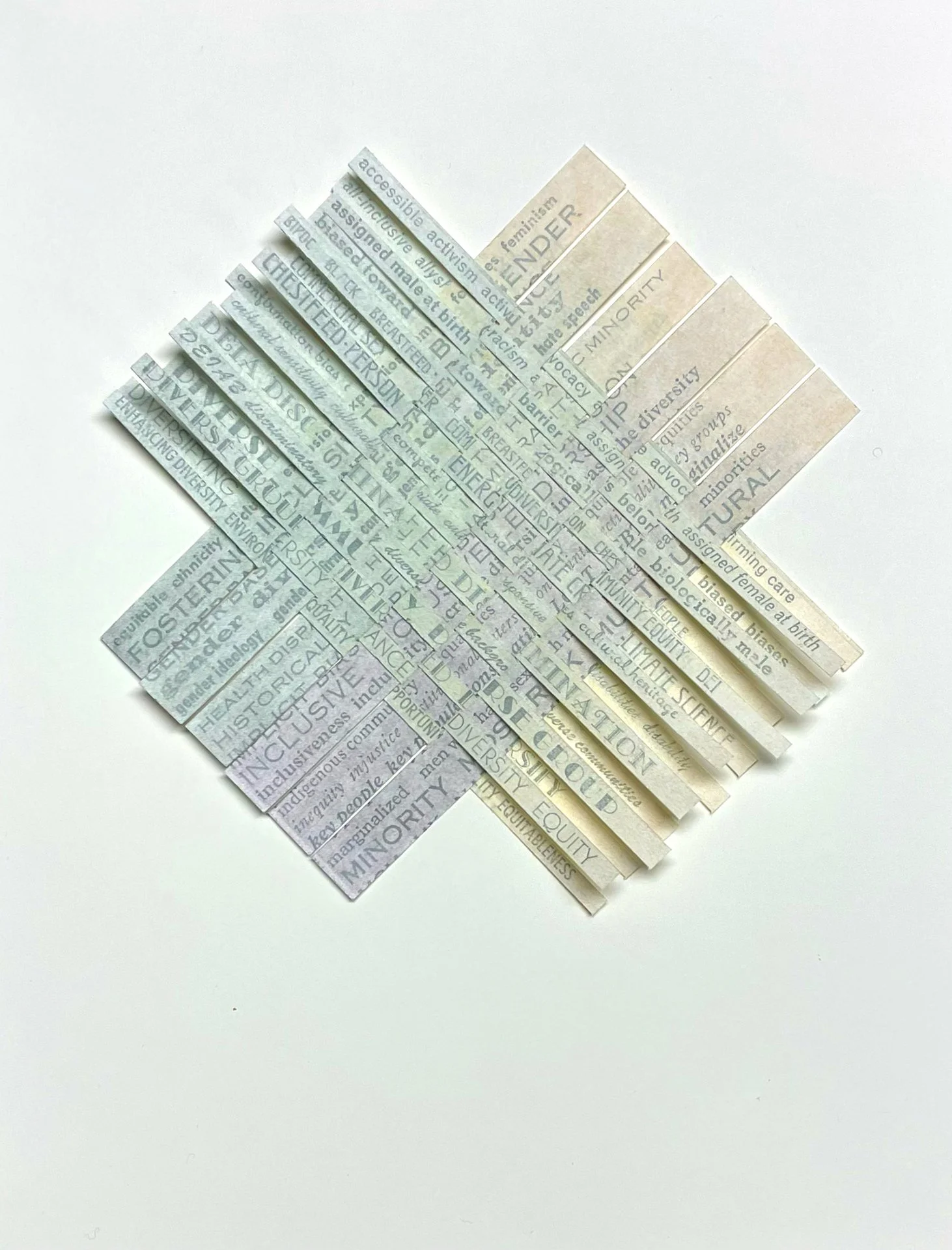
Amy Redmond
x2: Pattern of Vanishing Words
Hand-woven strips of letterpress printed cotton paper
11" x 8.5" x 0.06"
$100.00
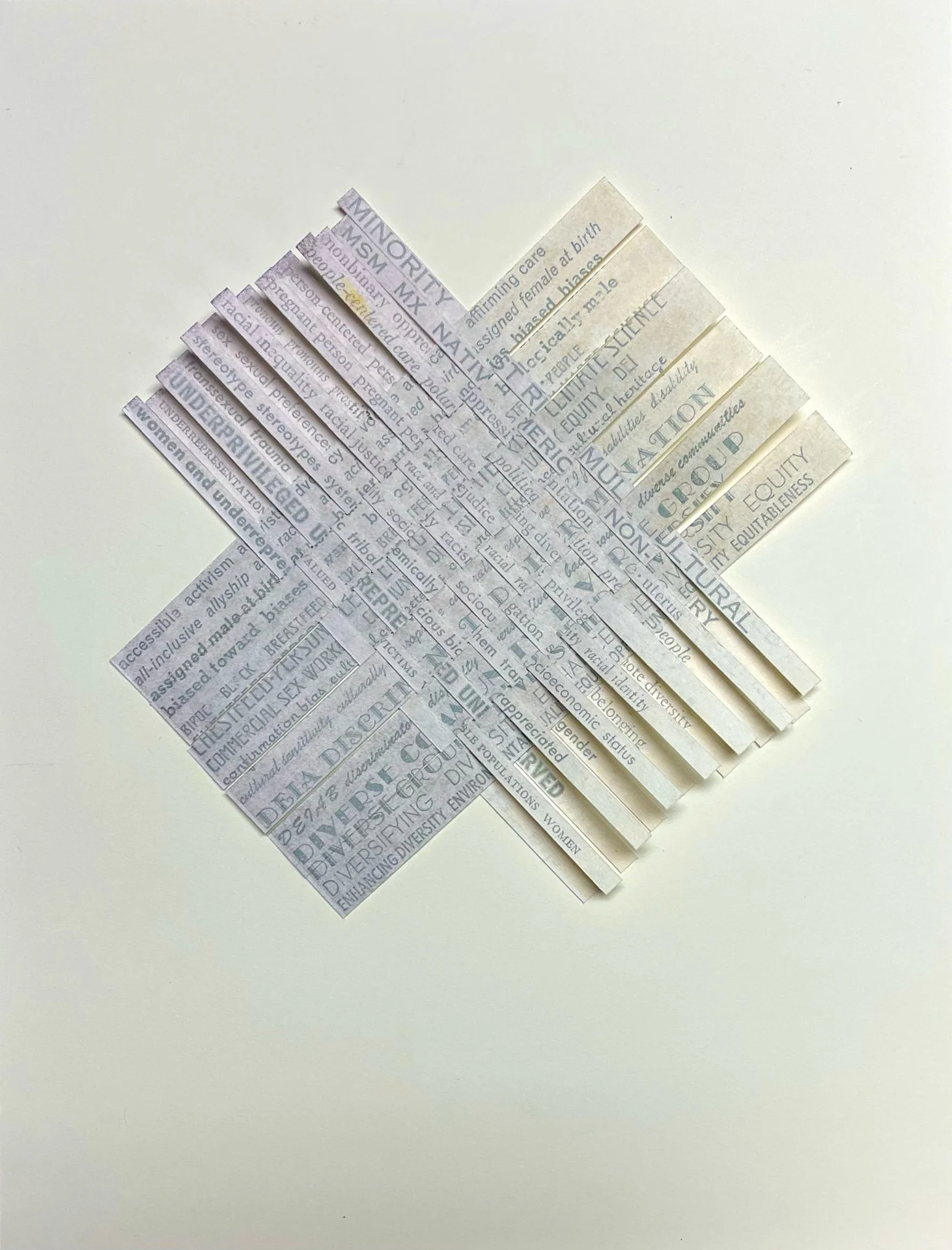
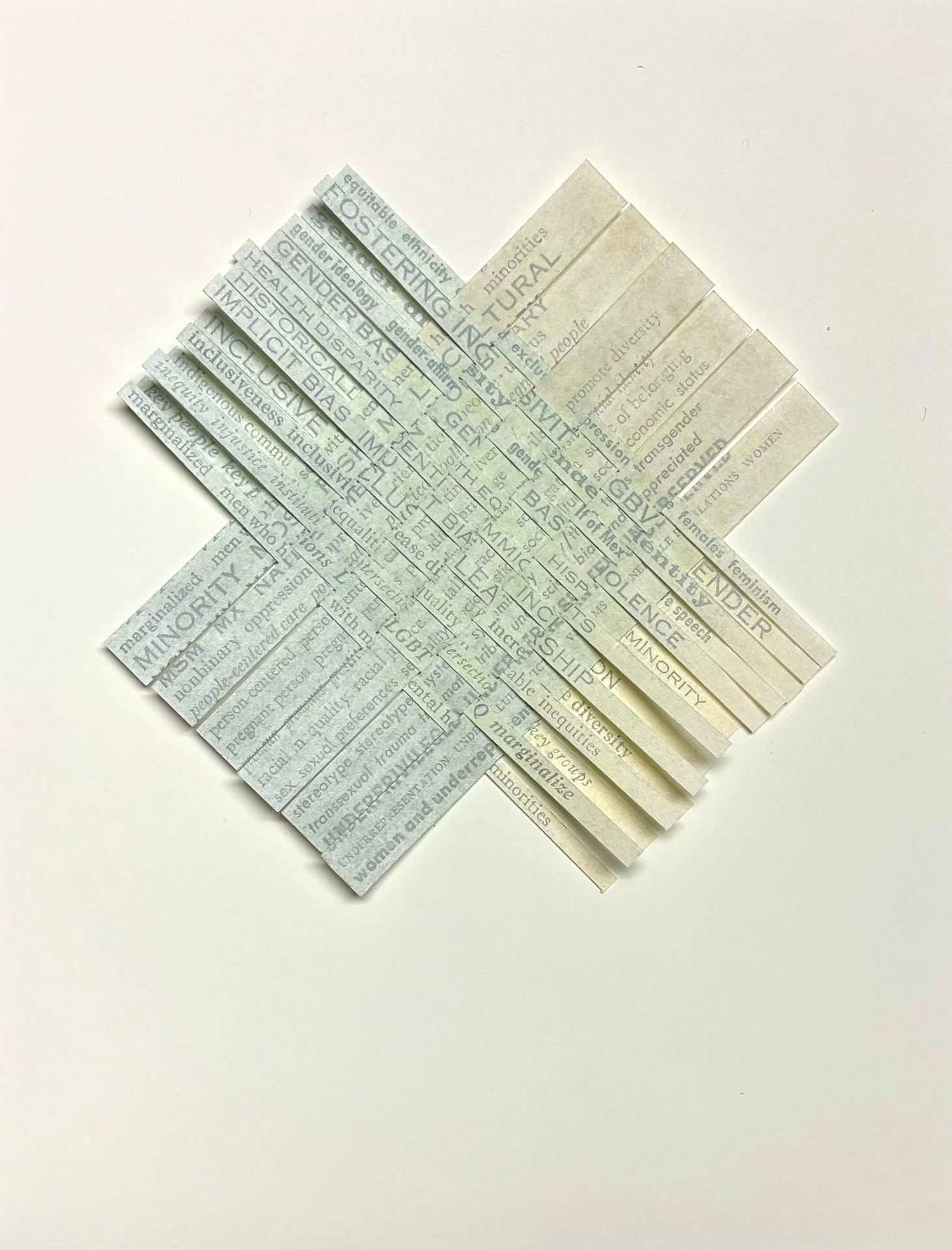
Amy Redmond
x1: Pattern of Vanishing Words
Hand-woven strips of letterpress printed cotton paper
11" x 8.5" x 0.06"
$100.00
Nikyra Capson
Nikyra Capson
White Out
Video
56:22
Video NFS
Textbook in video $850.00
Stevie Rosenfeld
Stevie Rosenfeld
I/You
Video
1:05
NFS
Allison Stewart
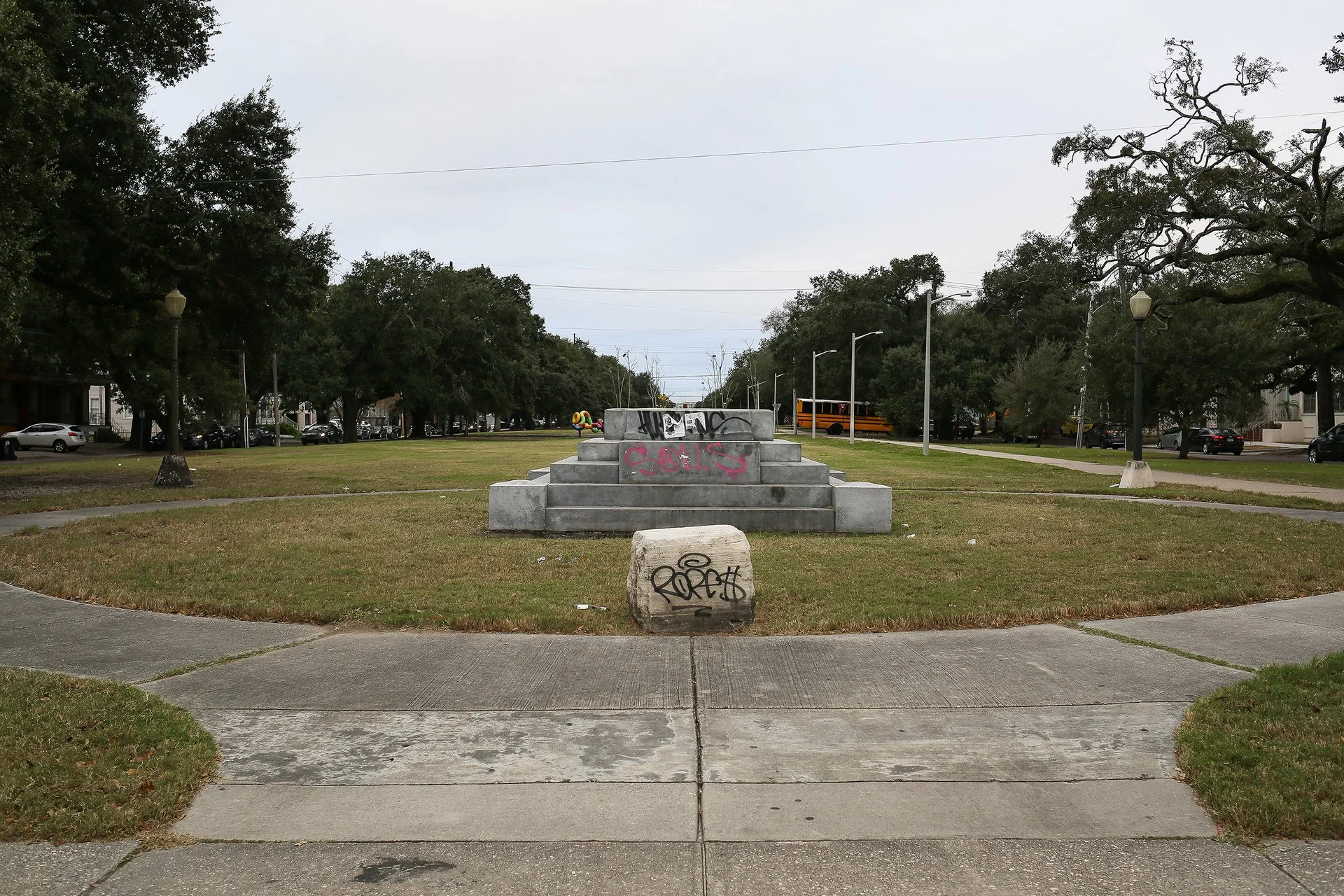
Allison Stewart
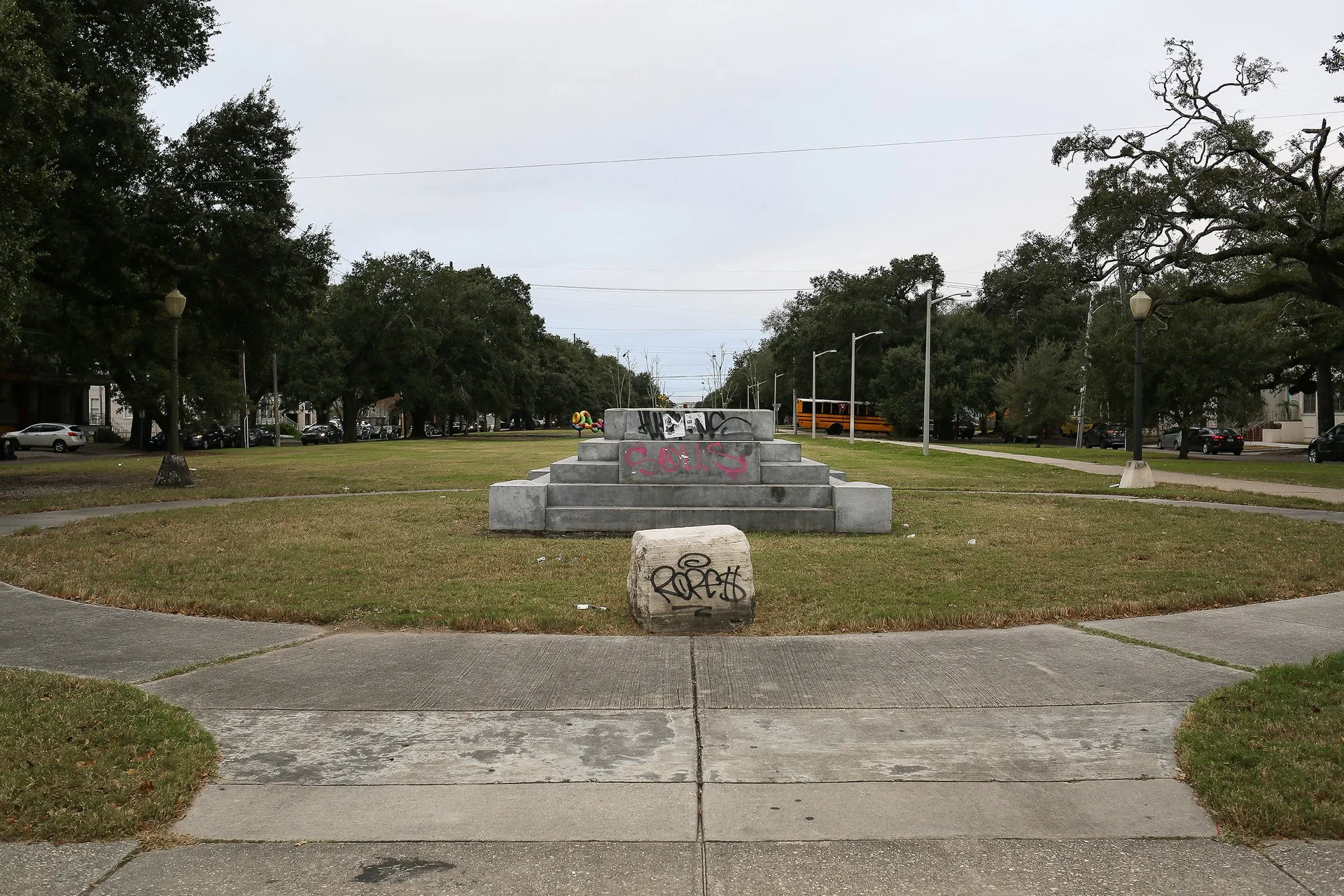
Removed Jefferson Davis Monument, New Orleans, Louisiana
Archival pigment print
16" x 24" x 0"
$700.00
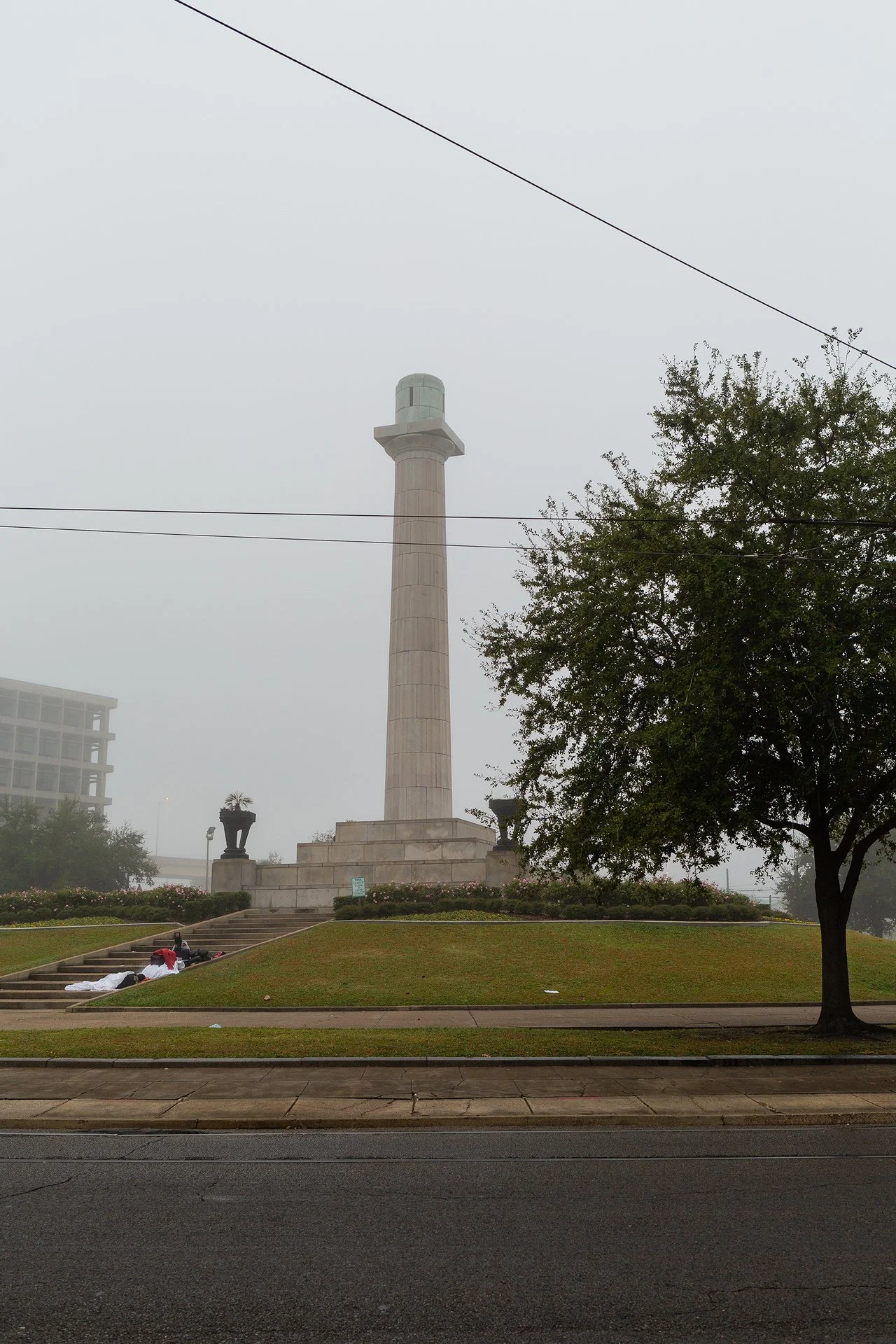
Allison Stewart
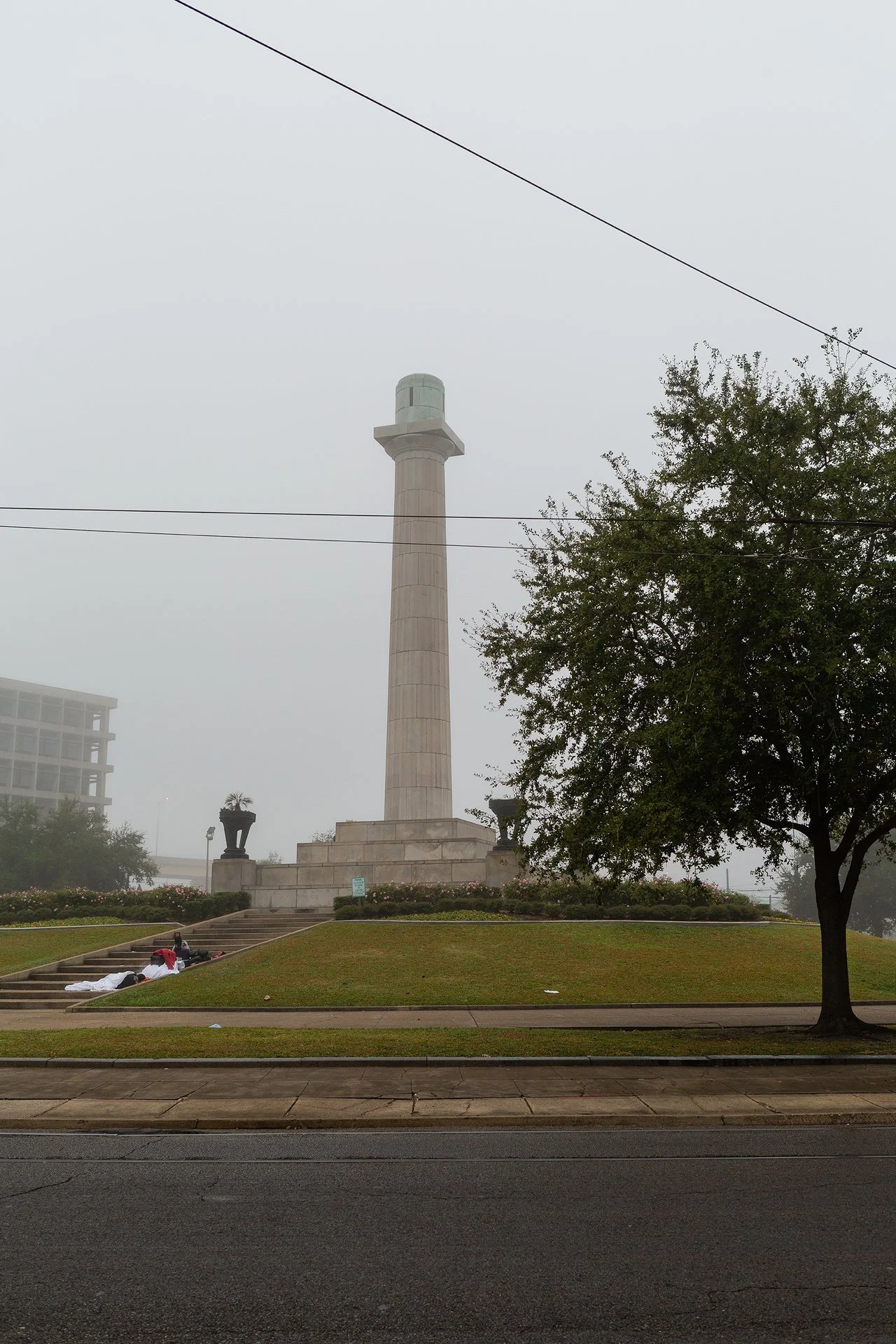
Lee Circle, New Orleans, Louisiana
Archival pigment print
24" x 16" x 0"
$700.00
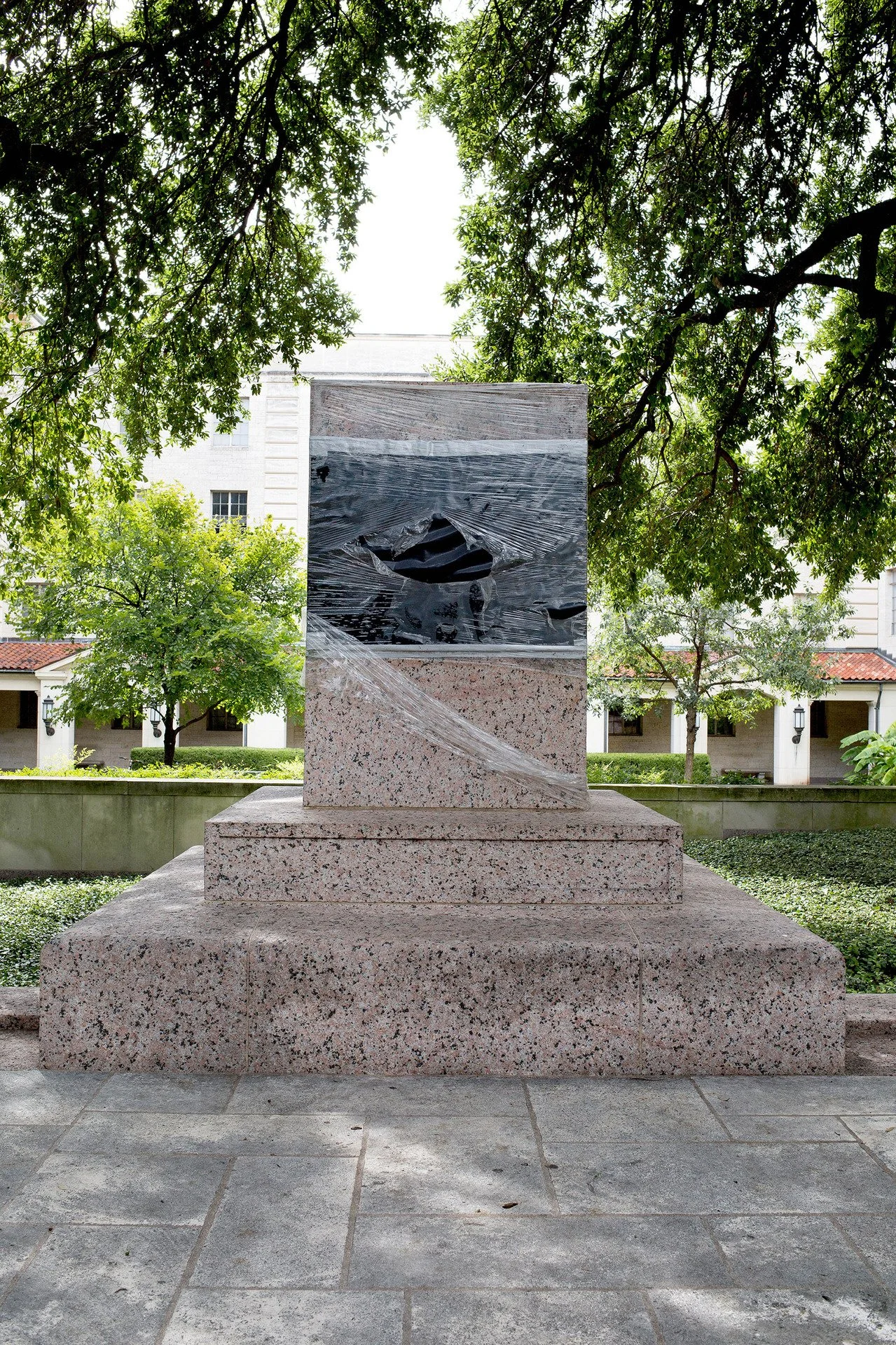
Allison Stewart
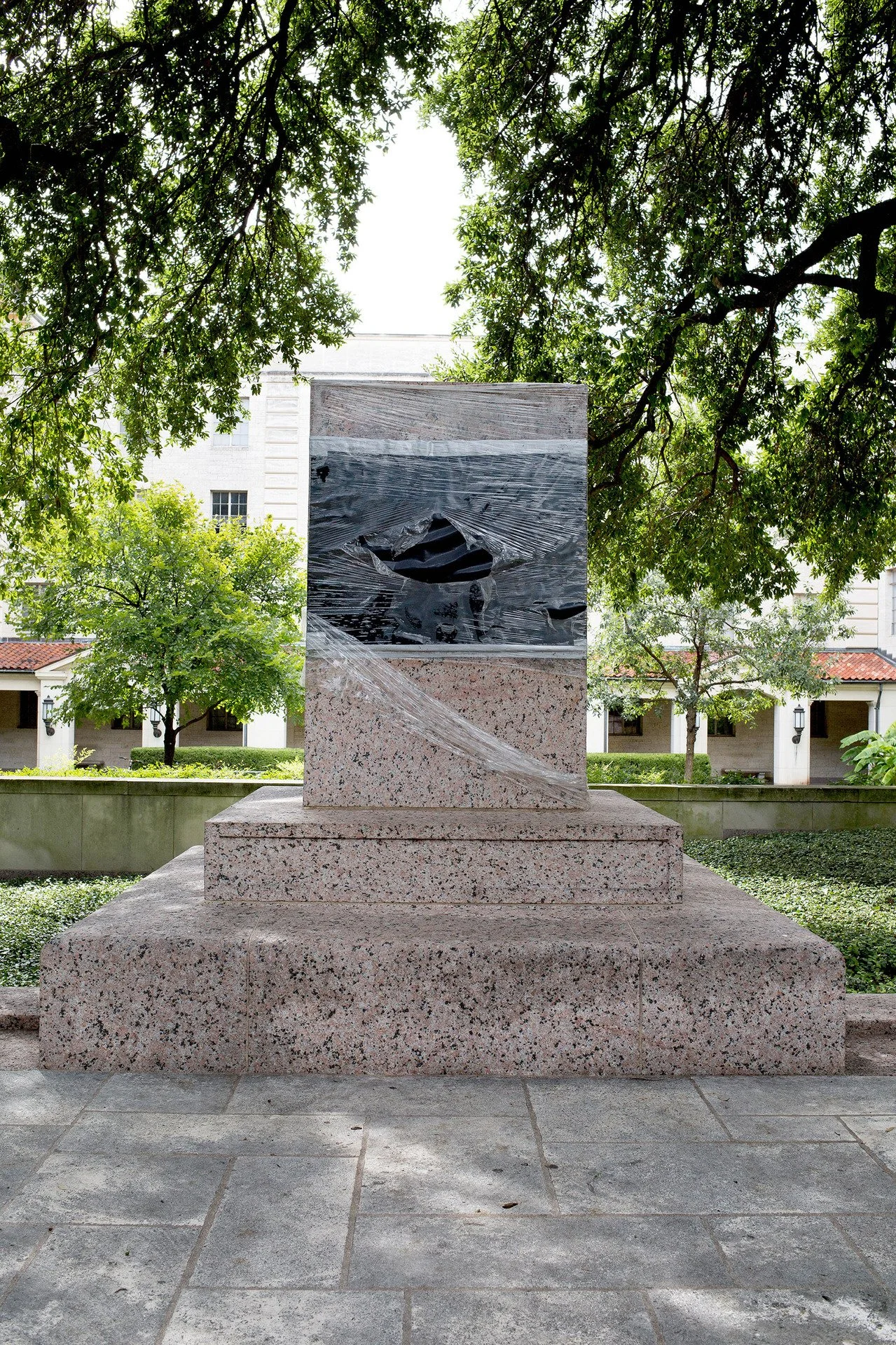
Removed Albert Sidney Johnston Monument, University of Texas
Archival pigment print
24" x 16" x 0"
$700.00
Emily Brockebrough
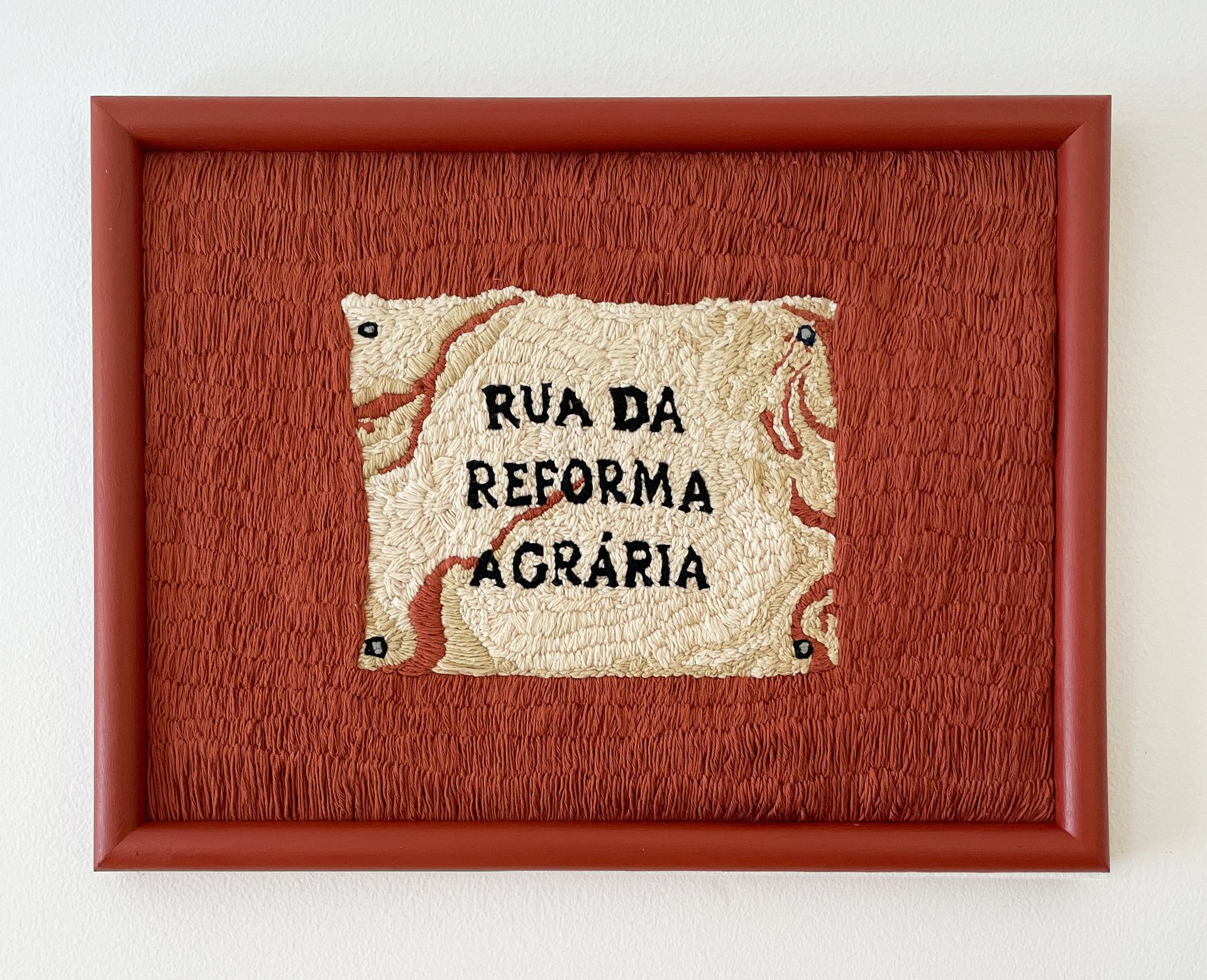
Emily Aran Brockenbrough
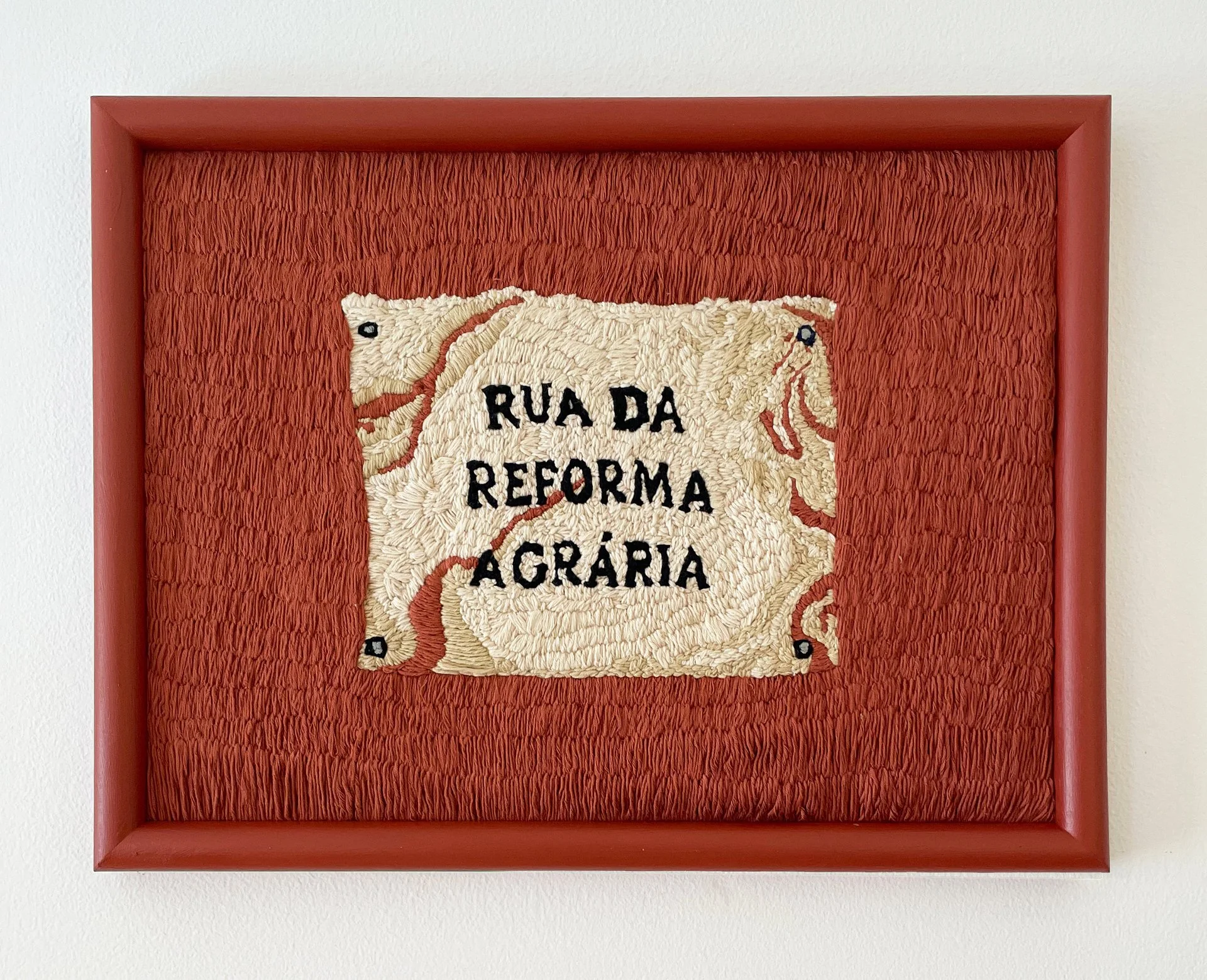
RUA DA REFORMA AGRÁRIA
Cotton embroidery on protest banner scraps
13.0" x 16.9" x 1.2"
$2,500.00
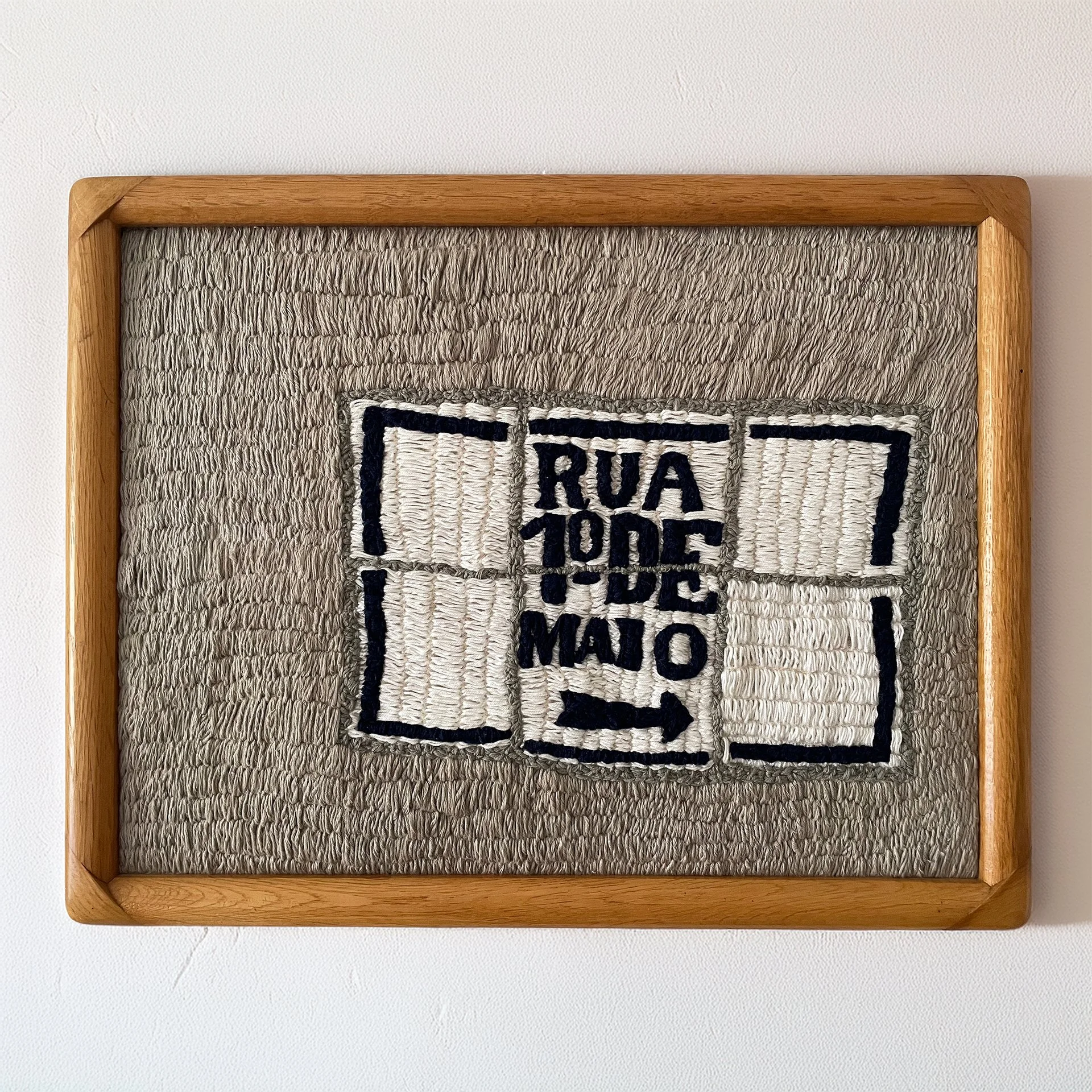
Emily Aran Brockenbrough
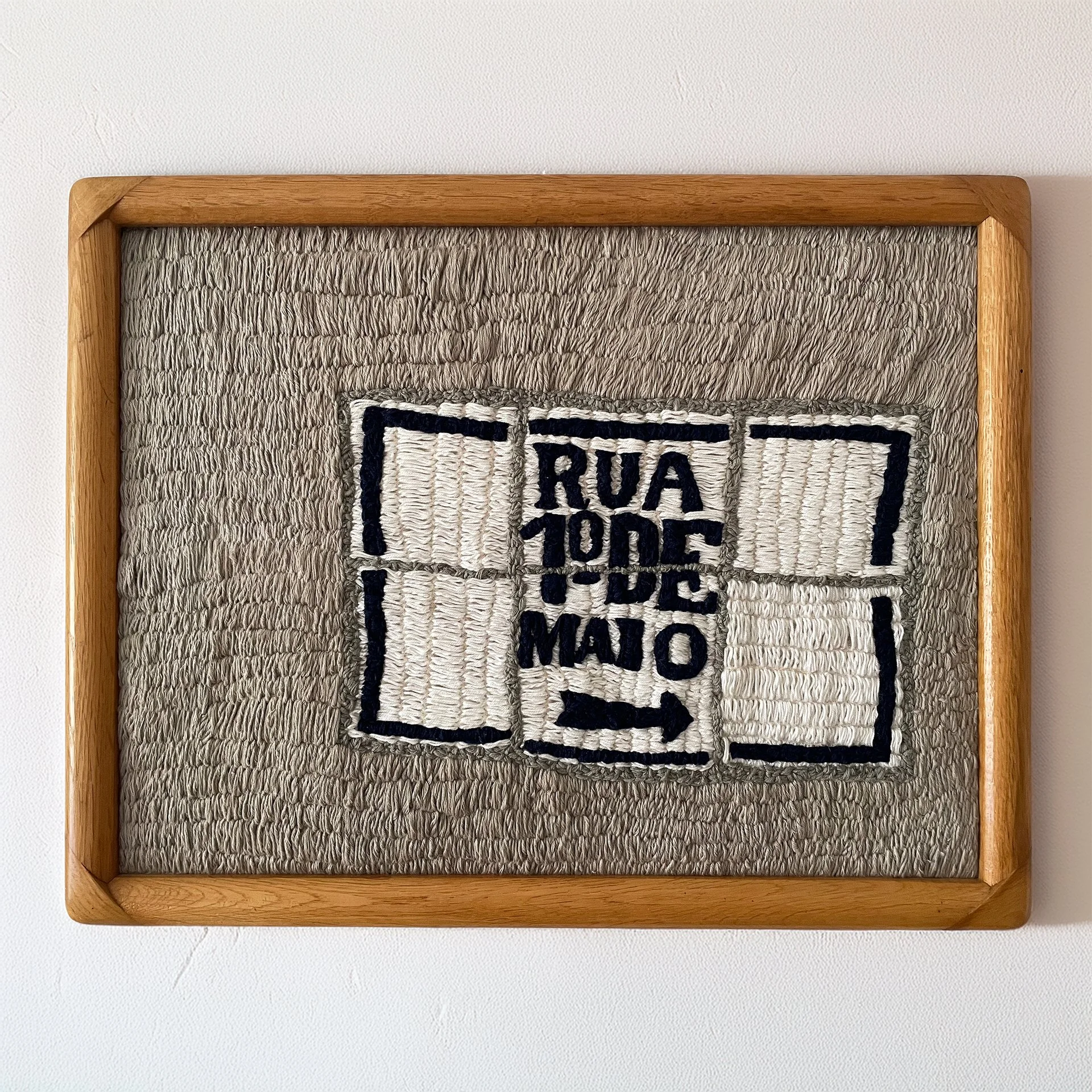
RUA 1º DE MAIO
Cotton embroidery on protest banner scraps
13.0" x 16.9" x 0.8"
$2,200.00
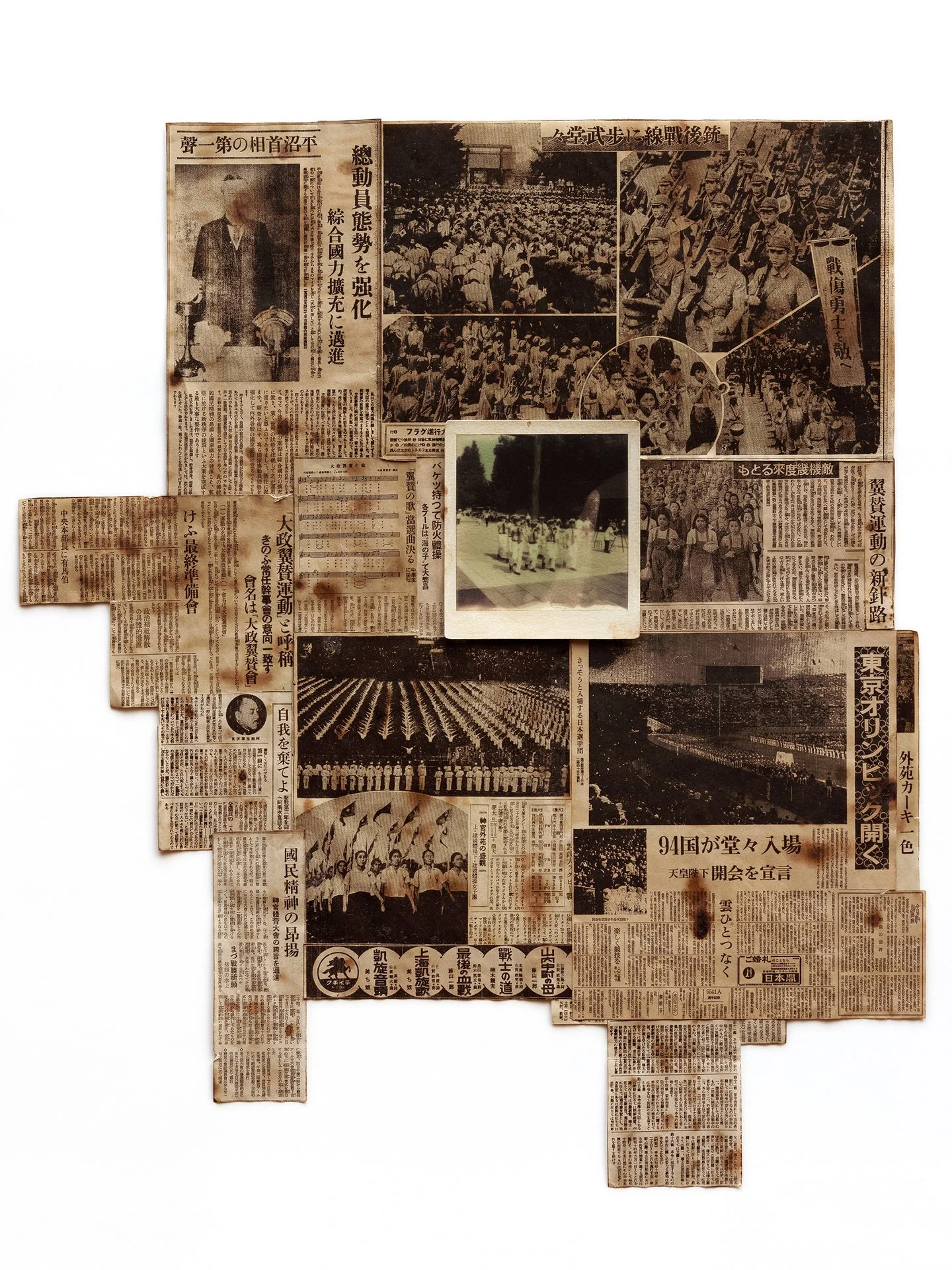
Takeshi Tokitsu
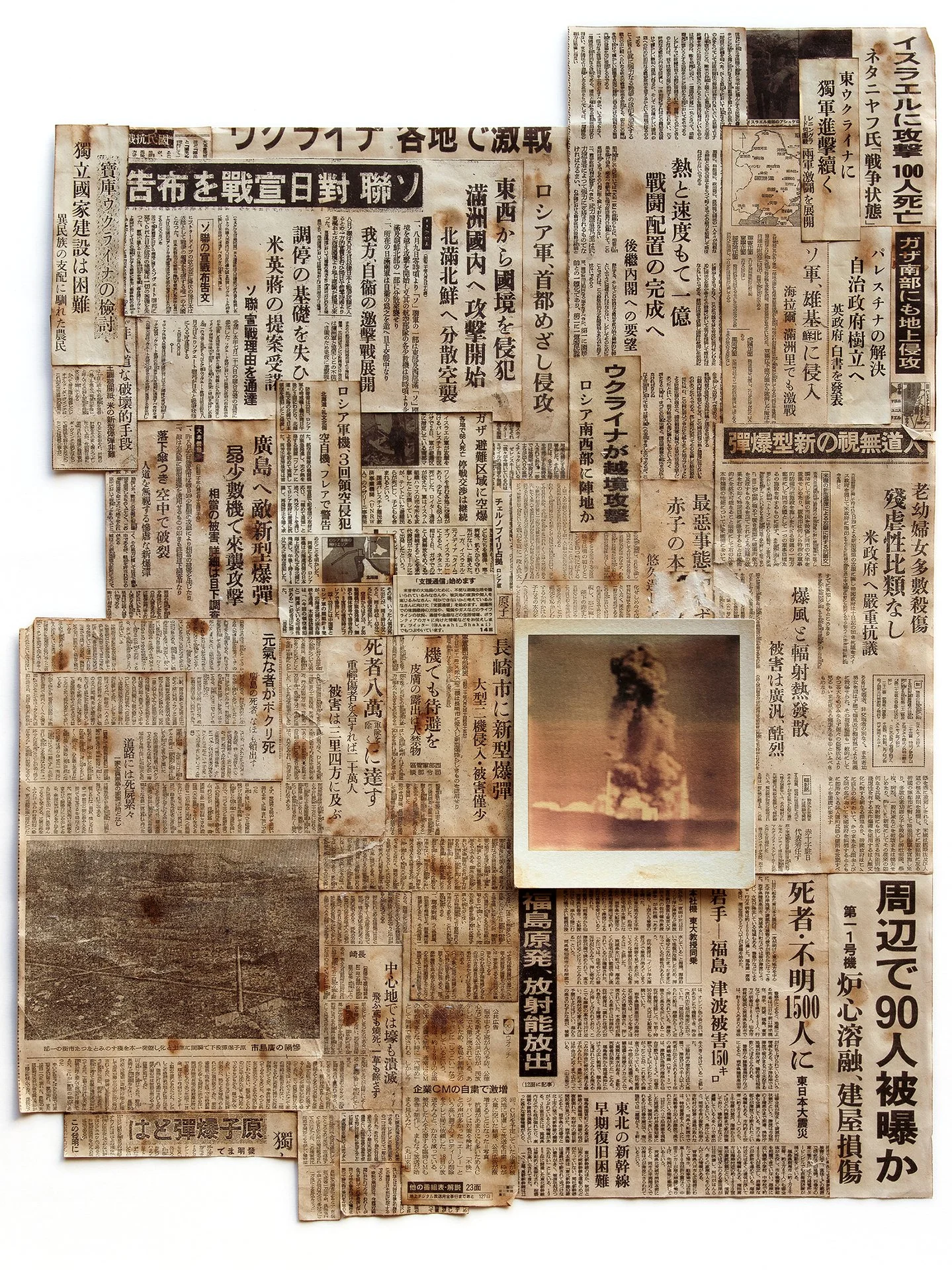
Takeshi Tokitsu
Atmosphere #7
Archival pigment print of newspaper and Polaroid collage
24" x 18" x 1"
$2,000.00
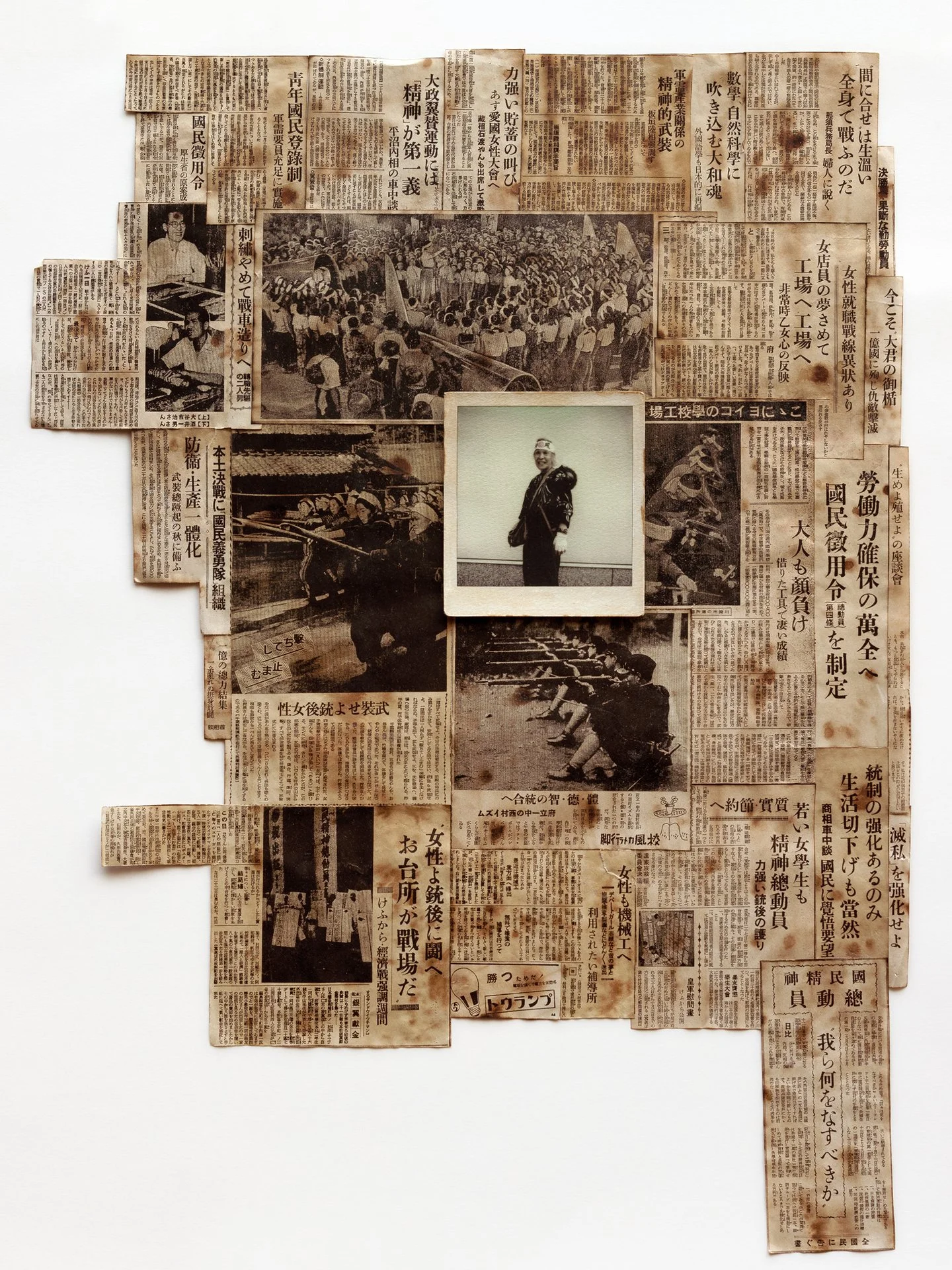
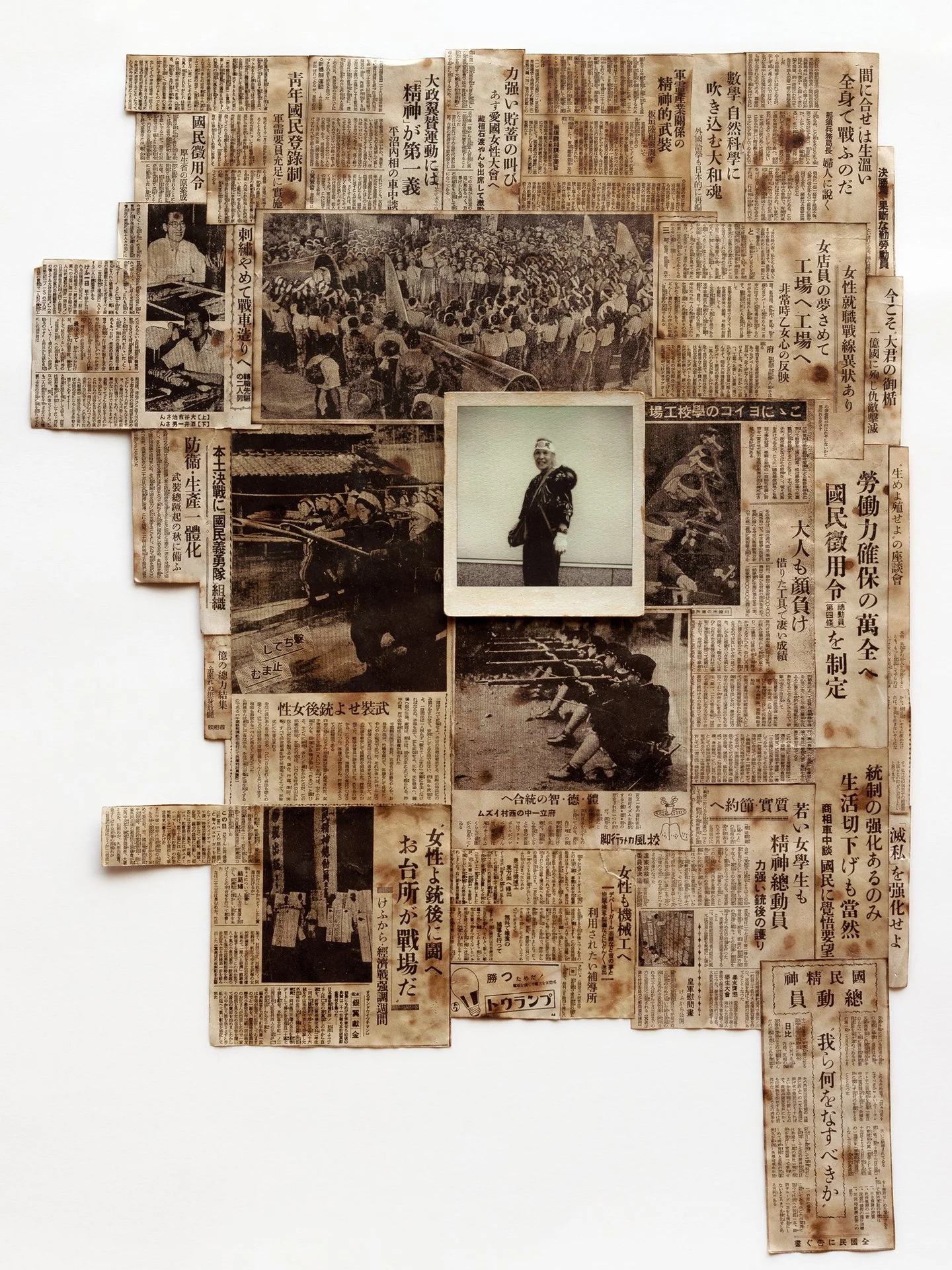
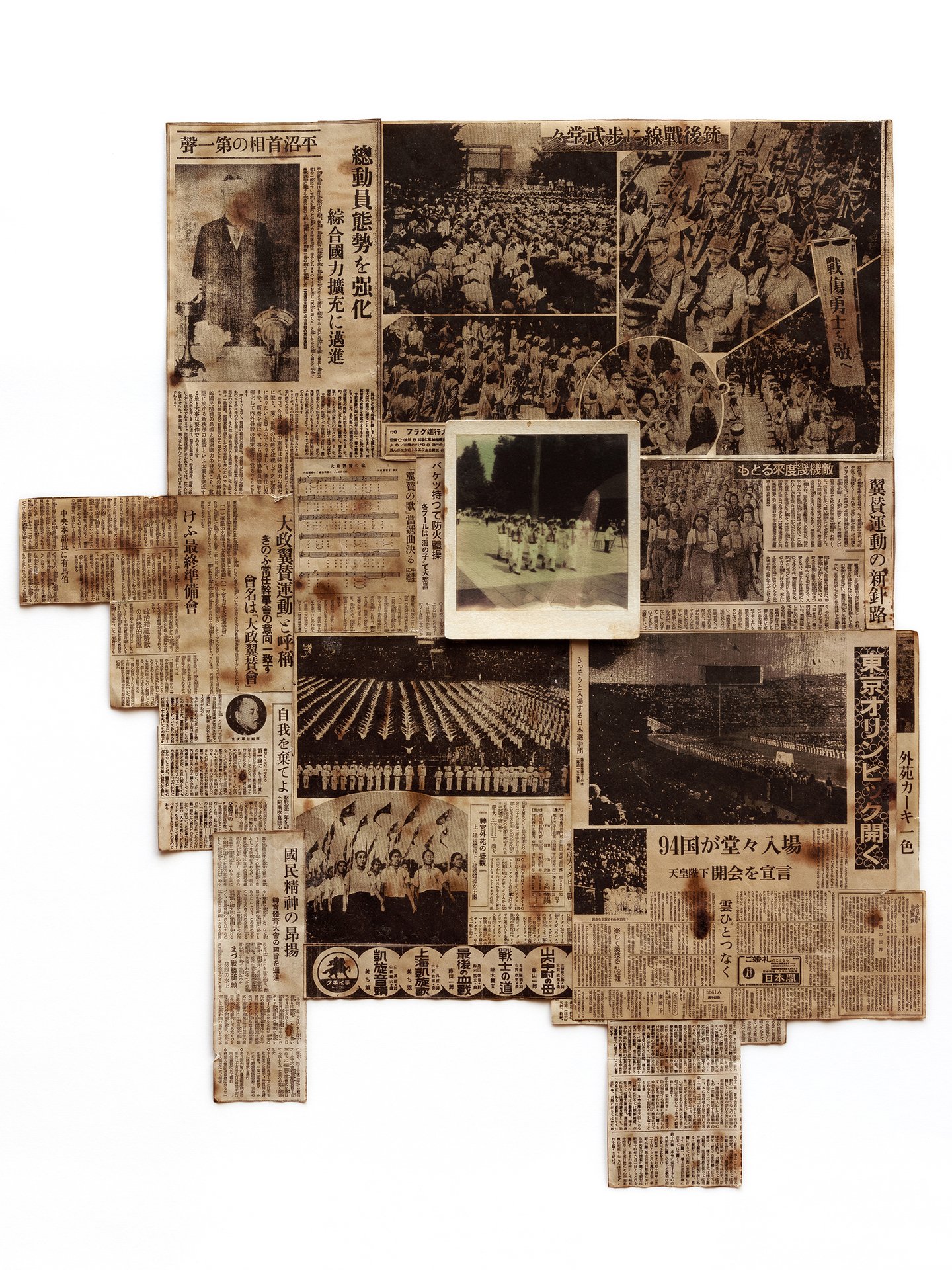
Takeshi Tokitsu
Atmosphere #5
Archival pigment print of newspaper and Polaroid collage
24" x 18" x 1"
$2,000.00
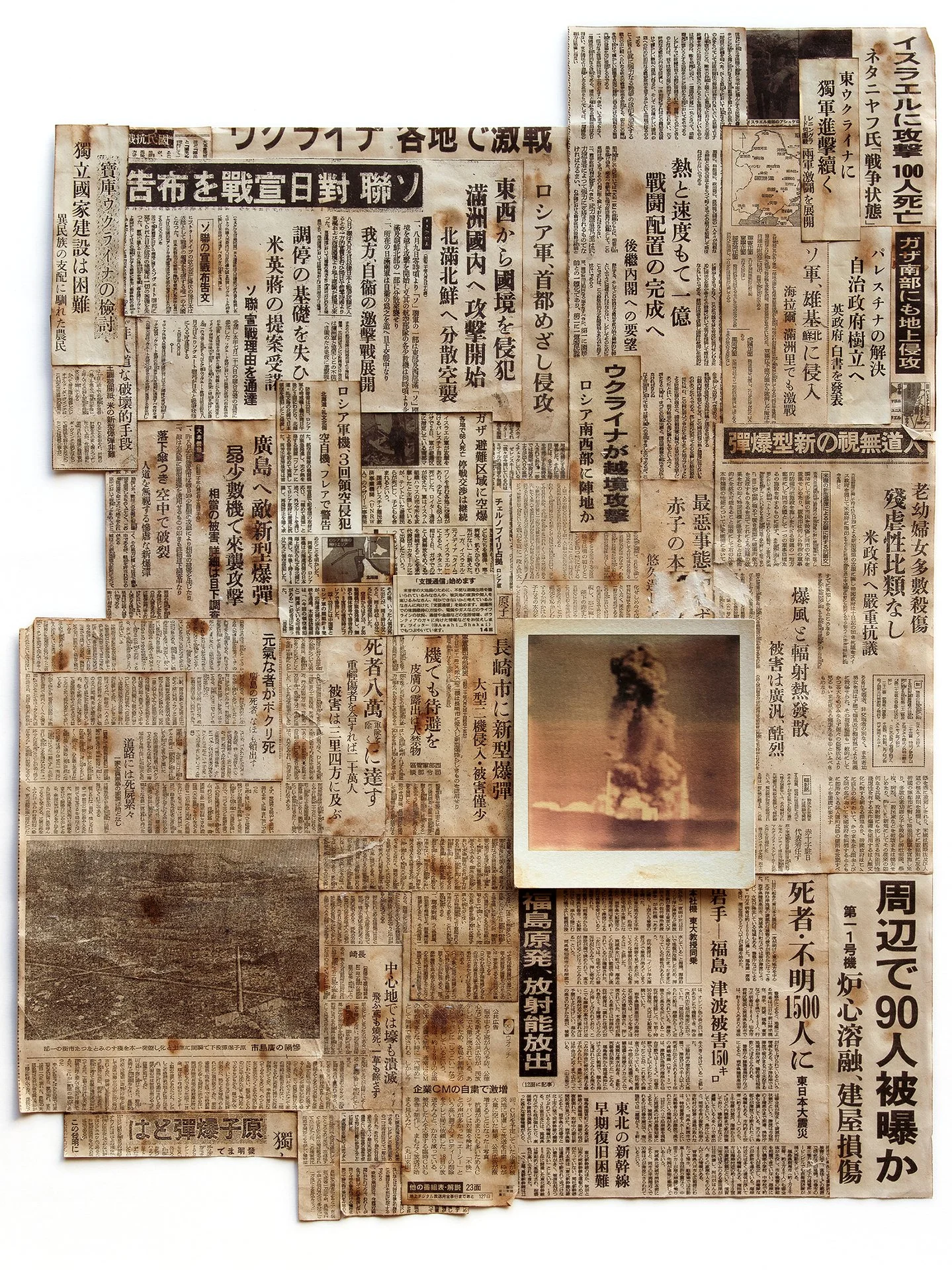
Takeshi Tokitsu
Atmosphere #3
Archival pigment print of newspaper and Polaroid collage
24" x 18" x 1"
$2,000.00
Elena Masrour
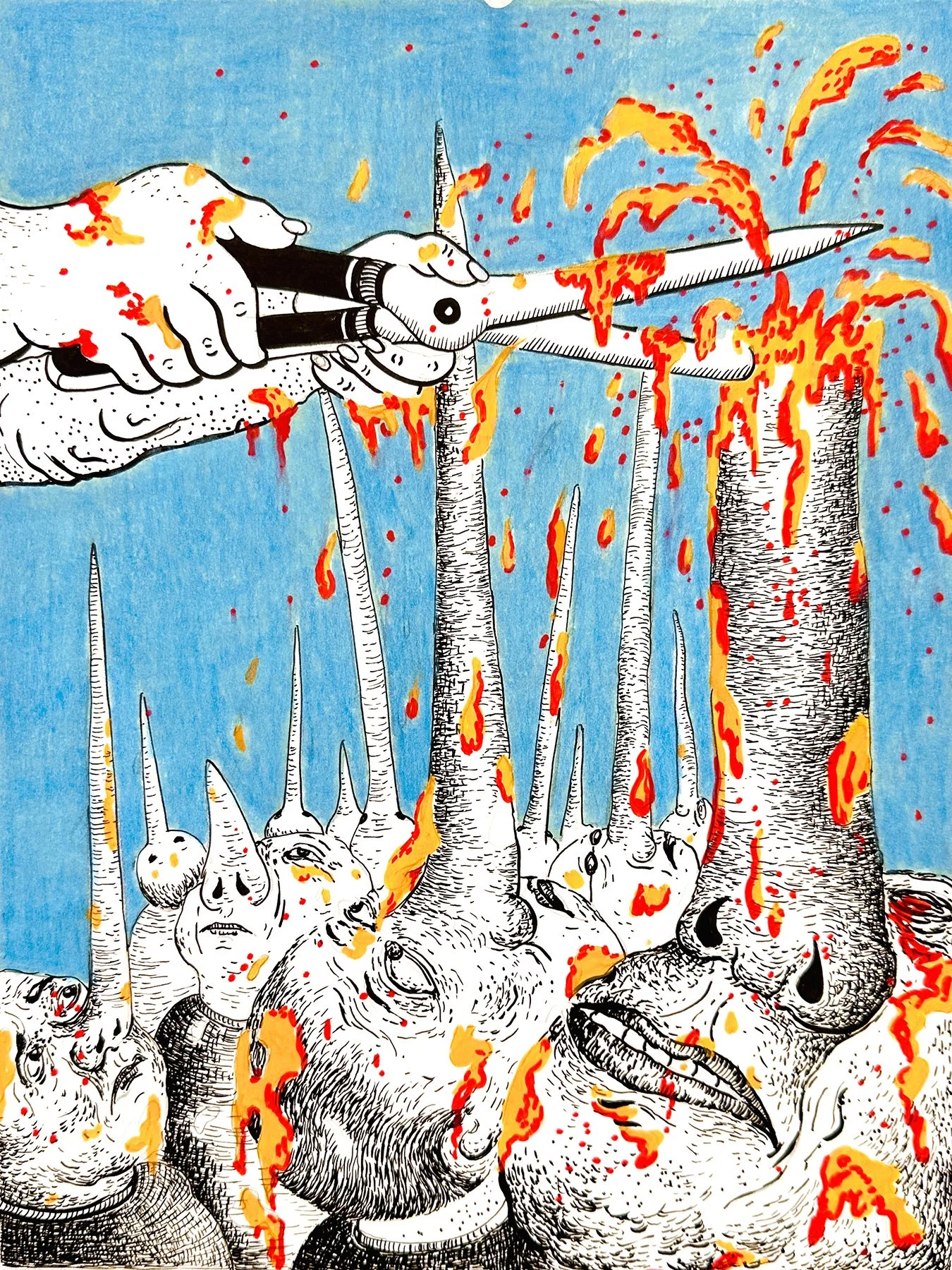
Elena Masrour
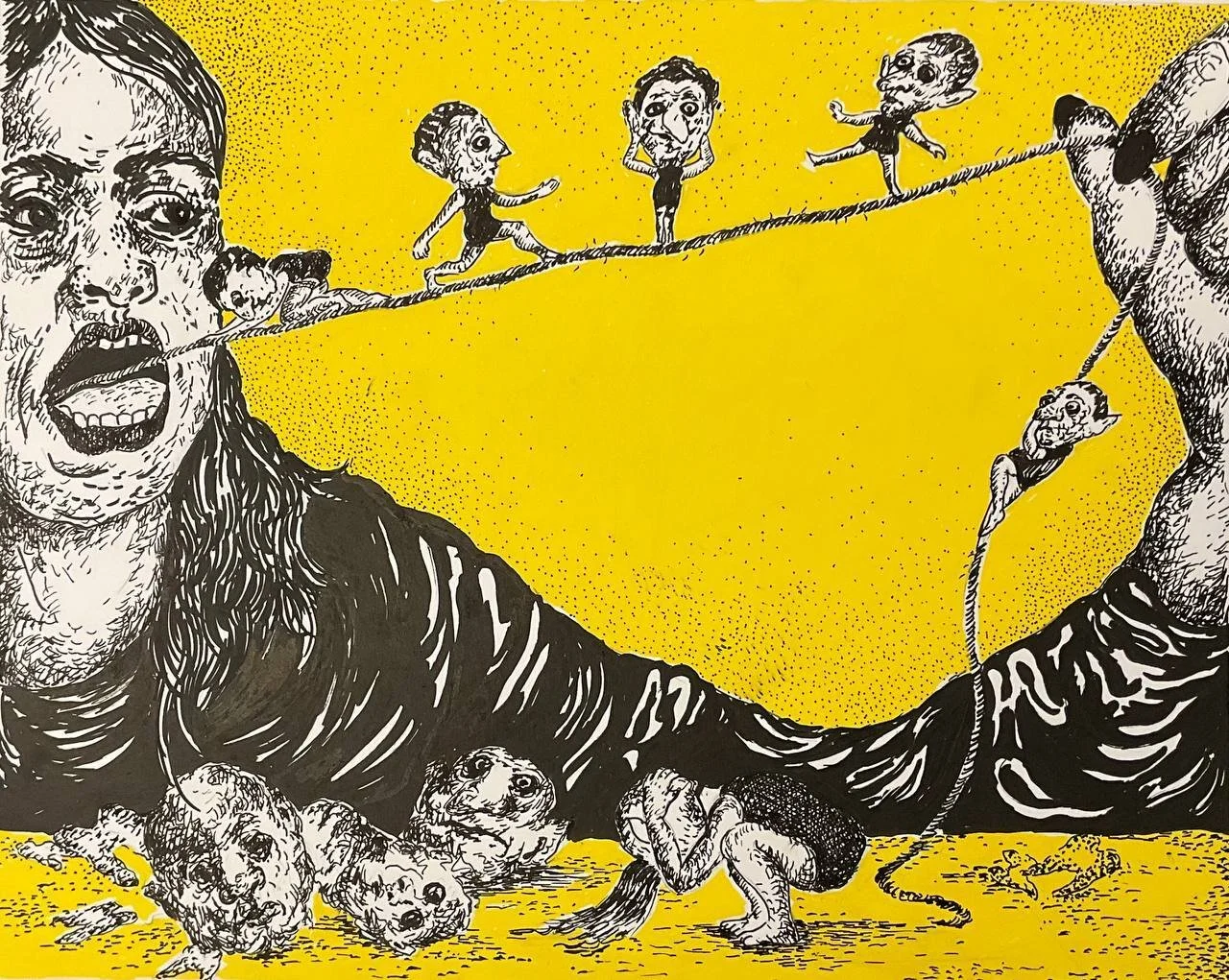
Forty seven years of lie
Acrylic marker, pen on Bristol
12" x 9" x 0"
$500.00
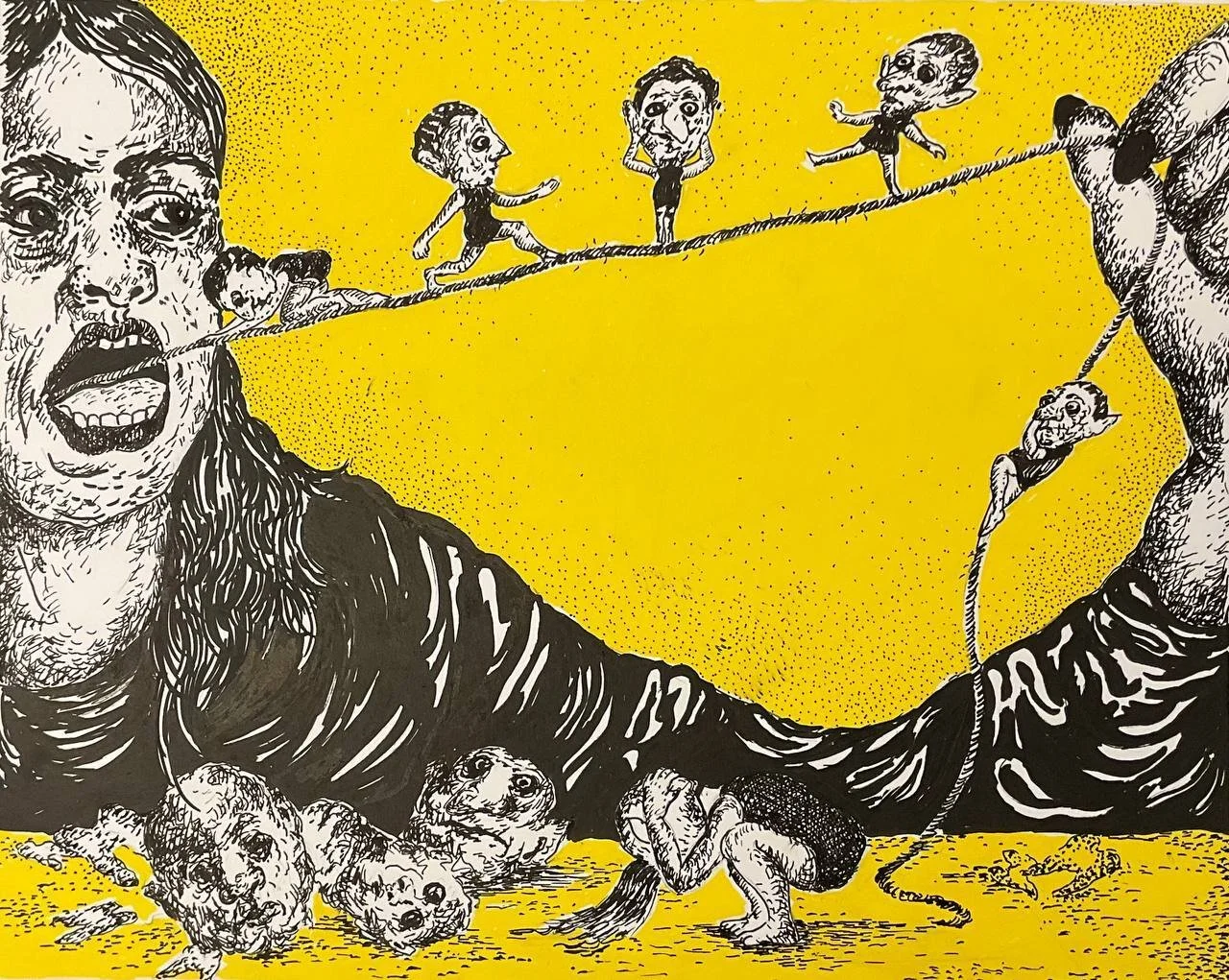
Elena Masrour
Shot, Show your true face
Acrylic marker, pen on Bristol
9" x 11" x 0"
$0.00
Yoosef Mohamad
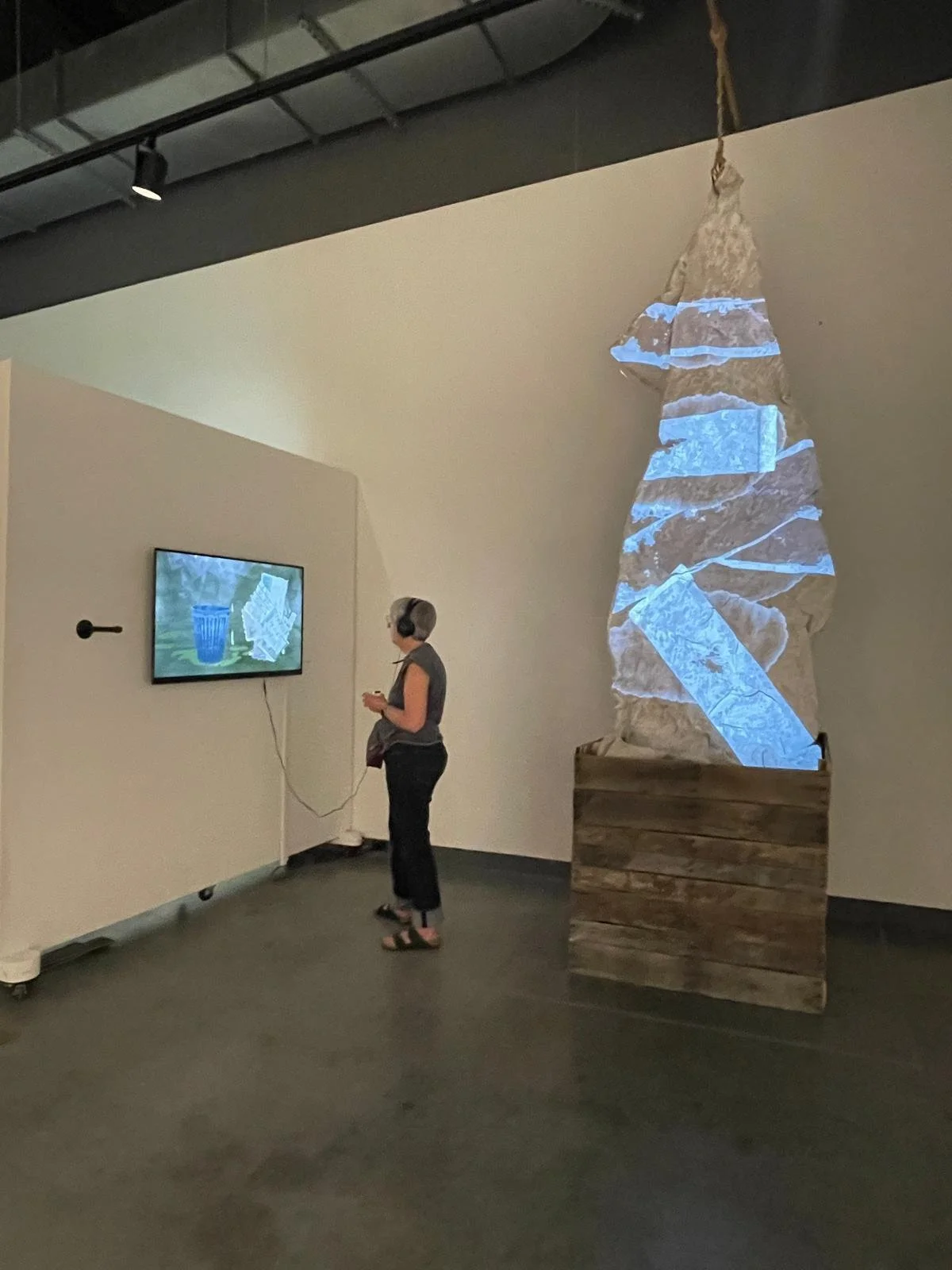
Yoosef Mohamadi
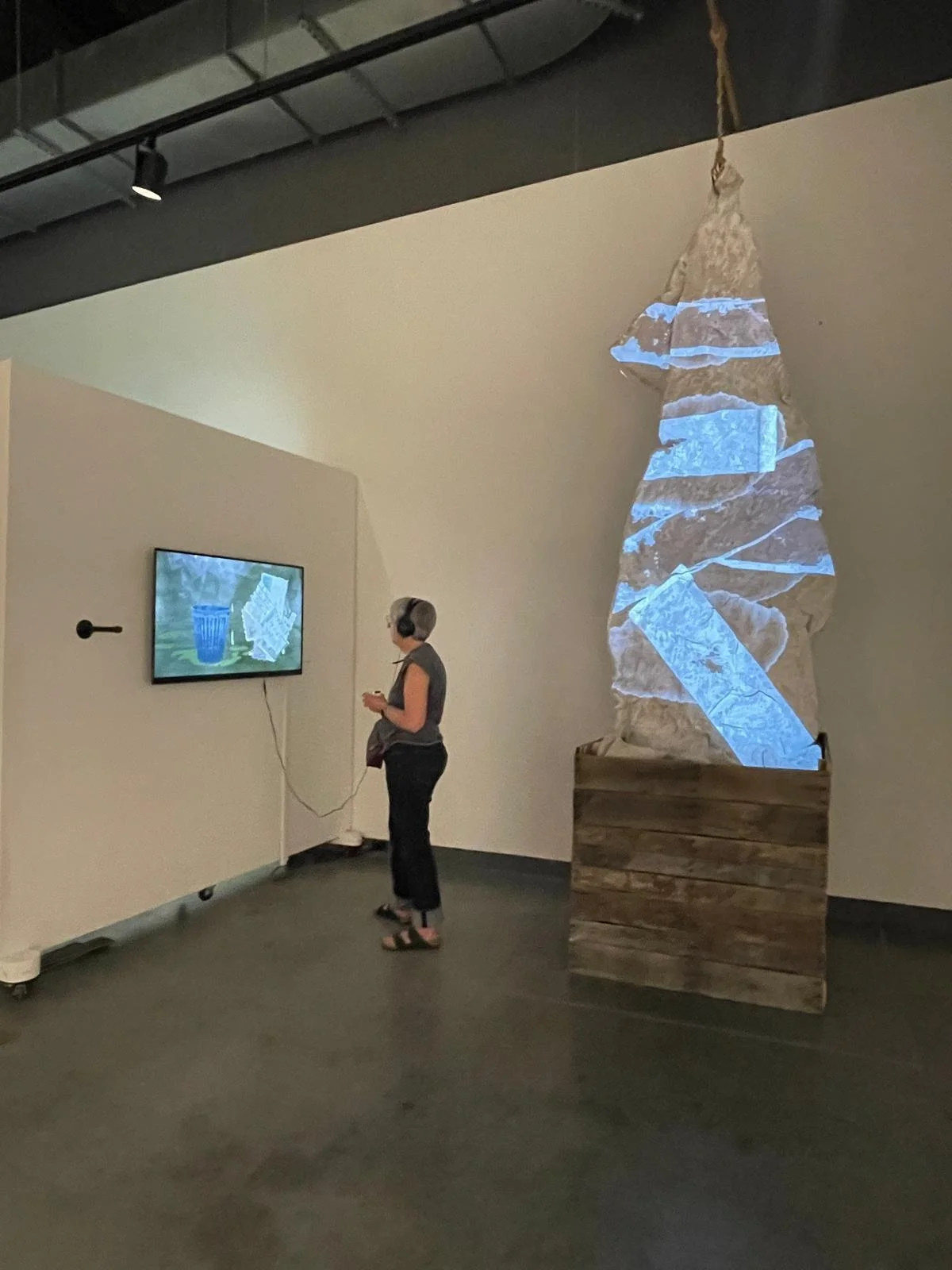
Cargo
Wood, burlap fabric, metal, video
78.7" x 33.5" x 33.5"
$0.00
Wall 2: Visible Absence and Invisible of Presence
These works explore ideas of visibility. Being seen is part of belonging, which is shaped through recognition, acknowledgment, and the understanding that one's presence matters. However, visibility is not guaranteed. People, places, histories, and experiences are overlooked, ignored, displaced, or deliberately erased, even when they exist in plain sight. What remains visible is often determined by systems of power that decide what is worthy of attention and what can be forgotten. Dehumanizing practices are so thorough that we easily overlook what is right in front of us, averting our gaze until the person is gone, and all we witness are the remnants of their presence.
Shreepad Joglekar
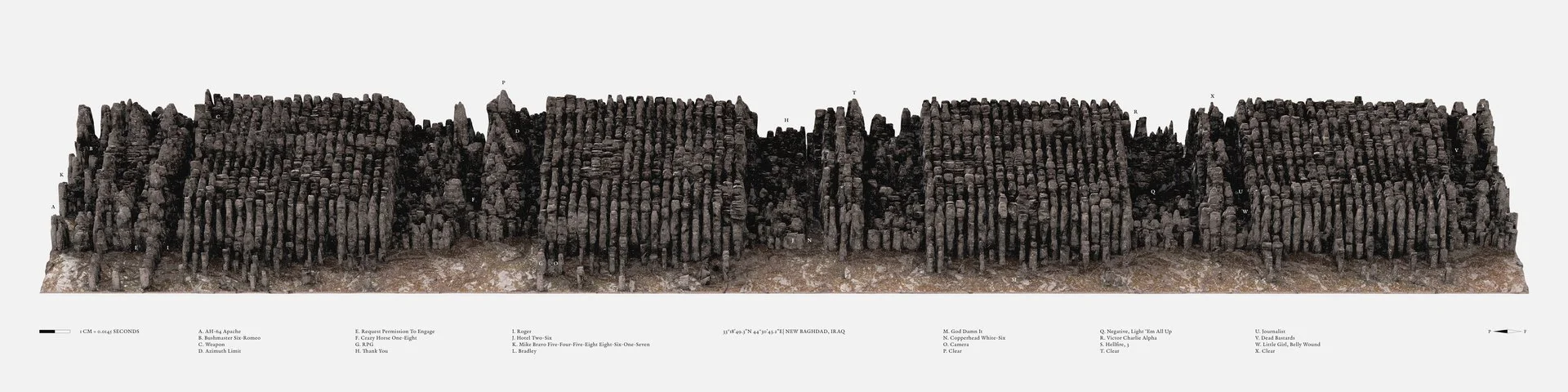
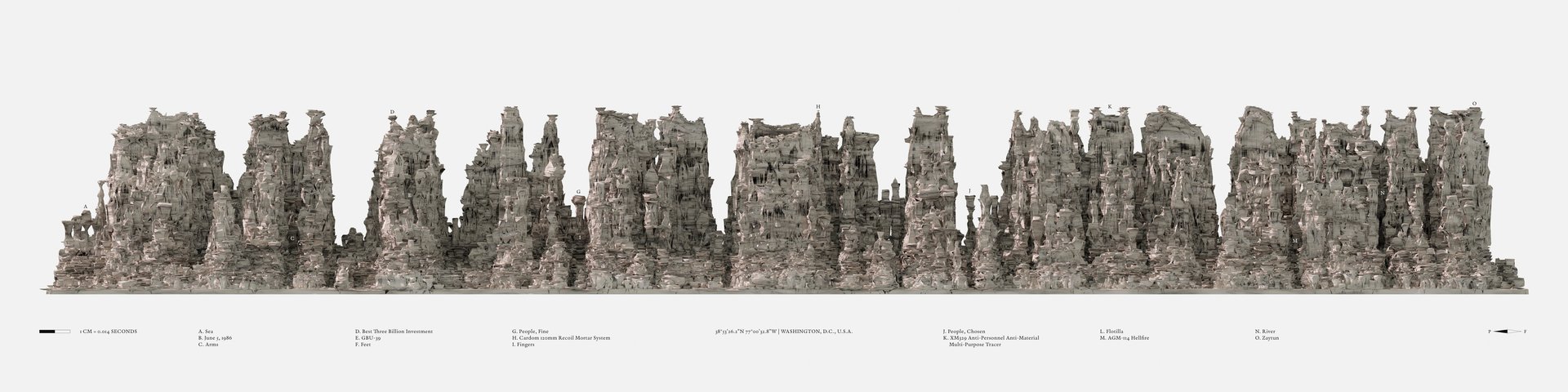
Shreepad Joglekar
Washington, D.C., USA
Pigmented print
10" x 40" x 0"
$0.00
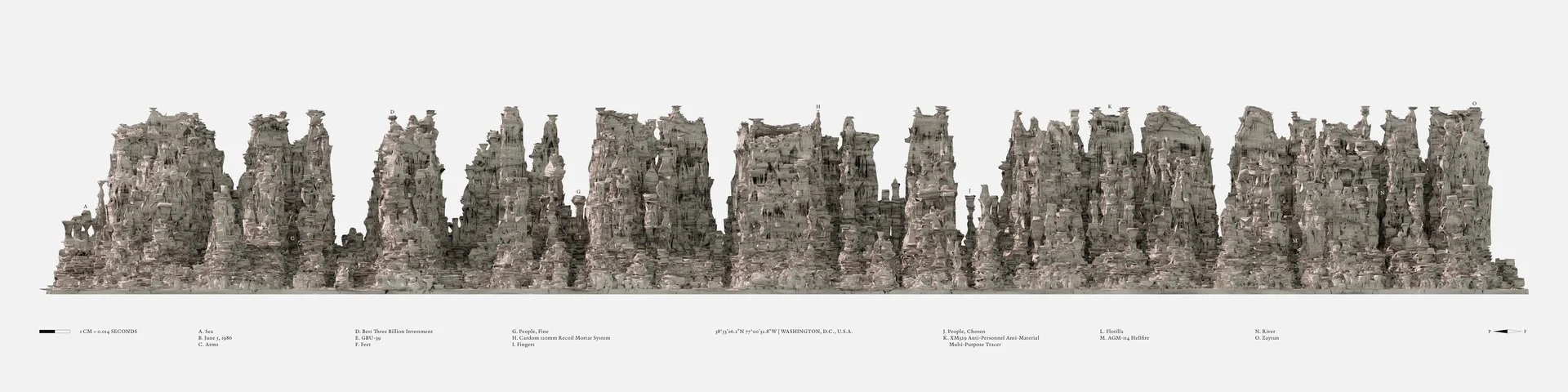
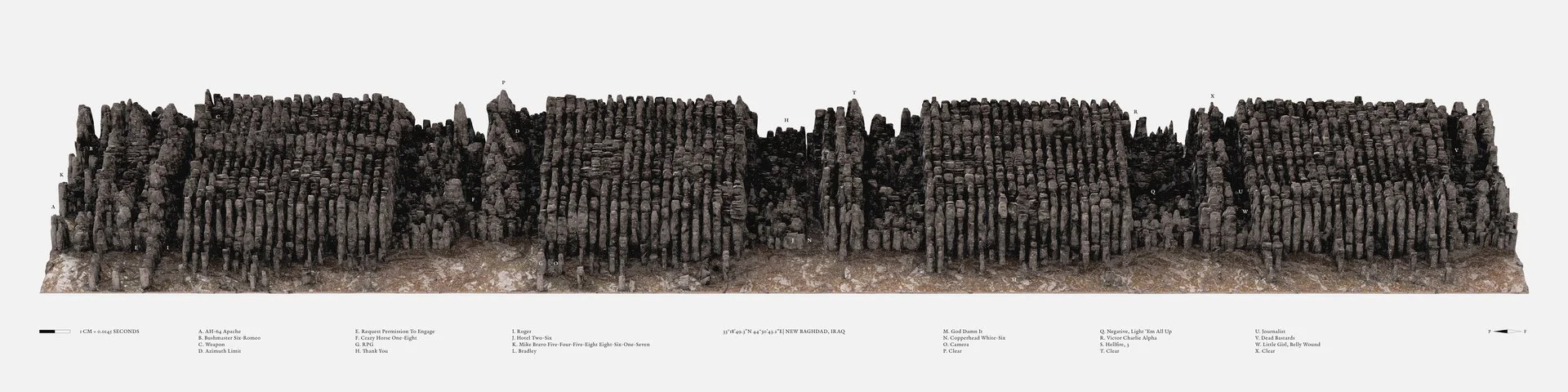
Shreepad Joglekar
New Baghdad, Iraq
Pigmented print
10" x 40" x 0"
$0.00
Mari Claudia Garcia
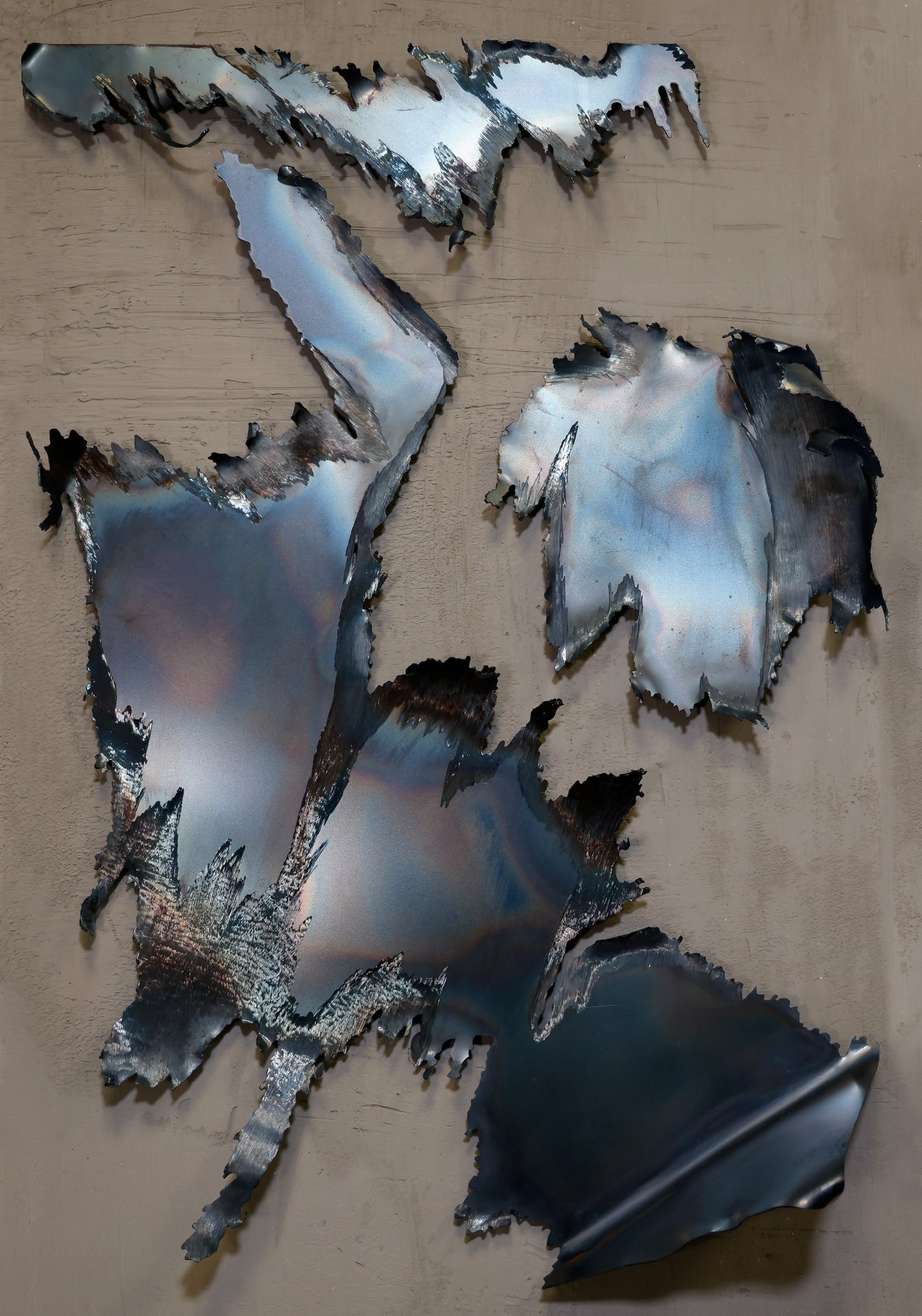
Mari Claudia Garcia
The Weight of Erasure
Sculptural installation
0" x 0" x 0"
$5,000.00
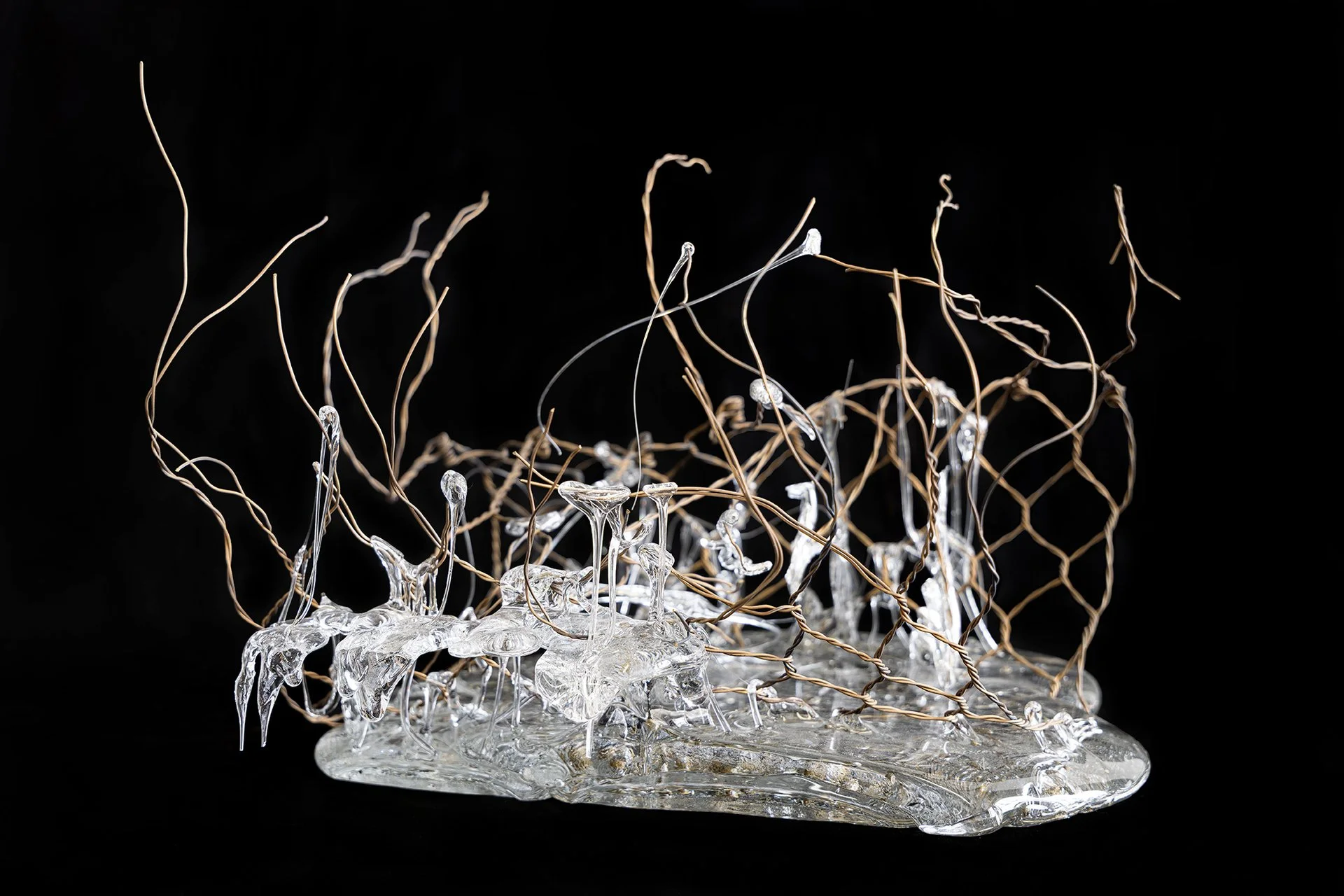
Mari Claudia Garcia
Untitled, from the series Disobeying
Sculpture
12" x 13" x 10"
$4,500.00
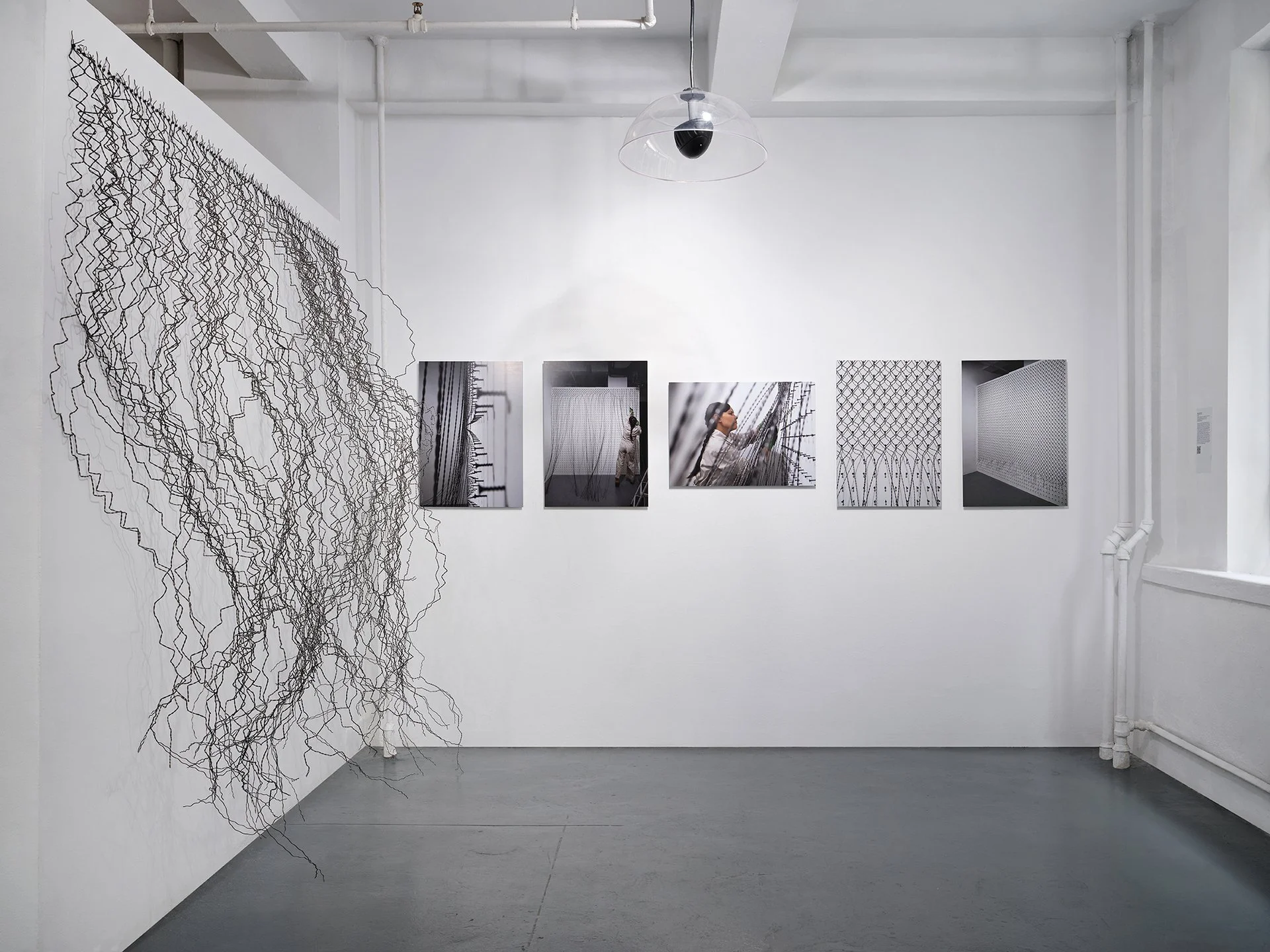
Mari Claudia Garcia
Meditations on Fear
Sound installation
0" x 0" x 0"
$6,000.00
Robbie Sugg
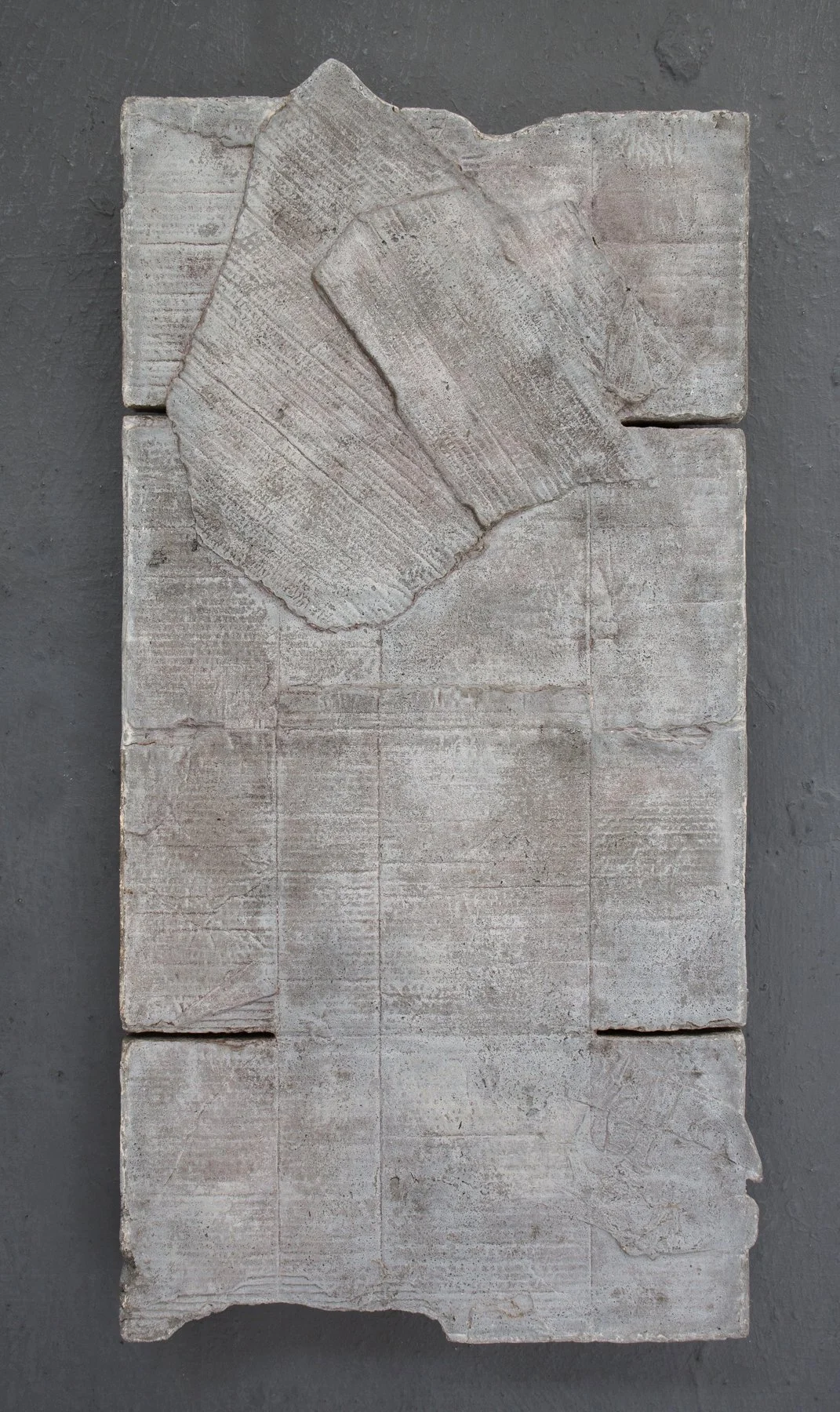
Robbie Sugg
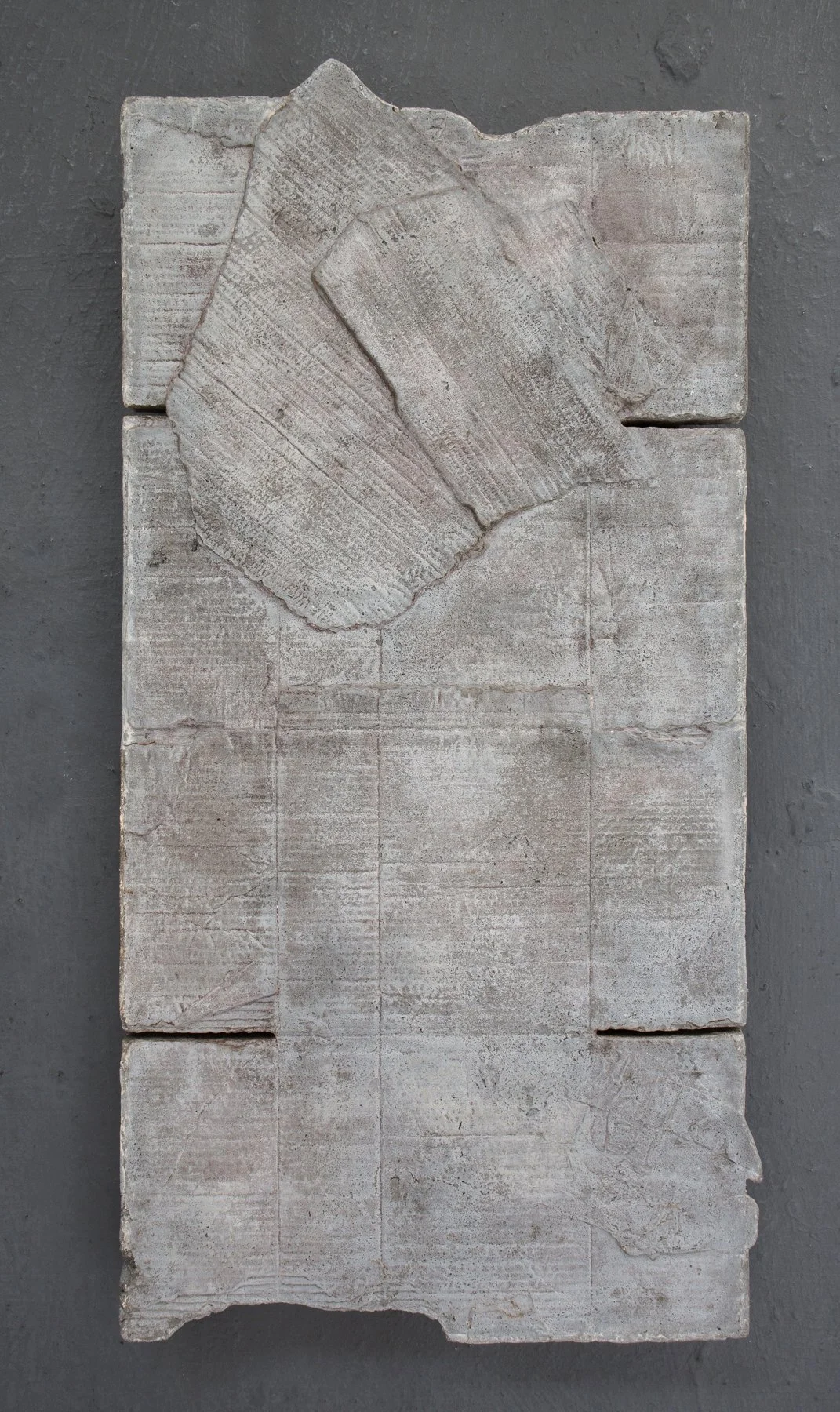
Bed
Concrete
50" x 32" x 2"
$12,000.00
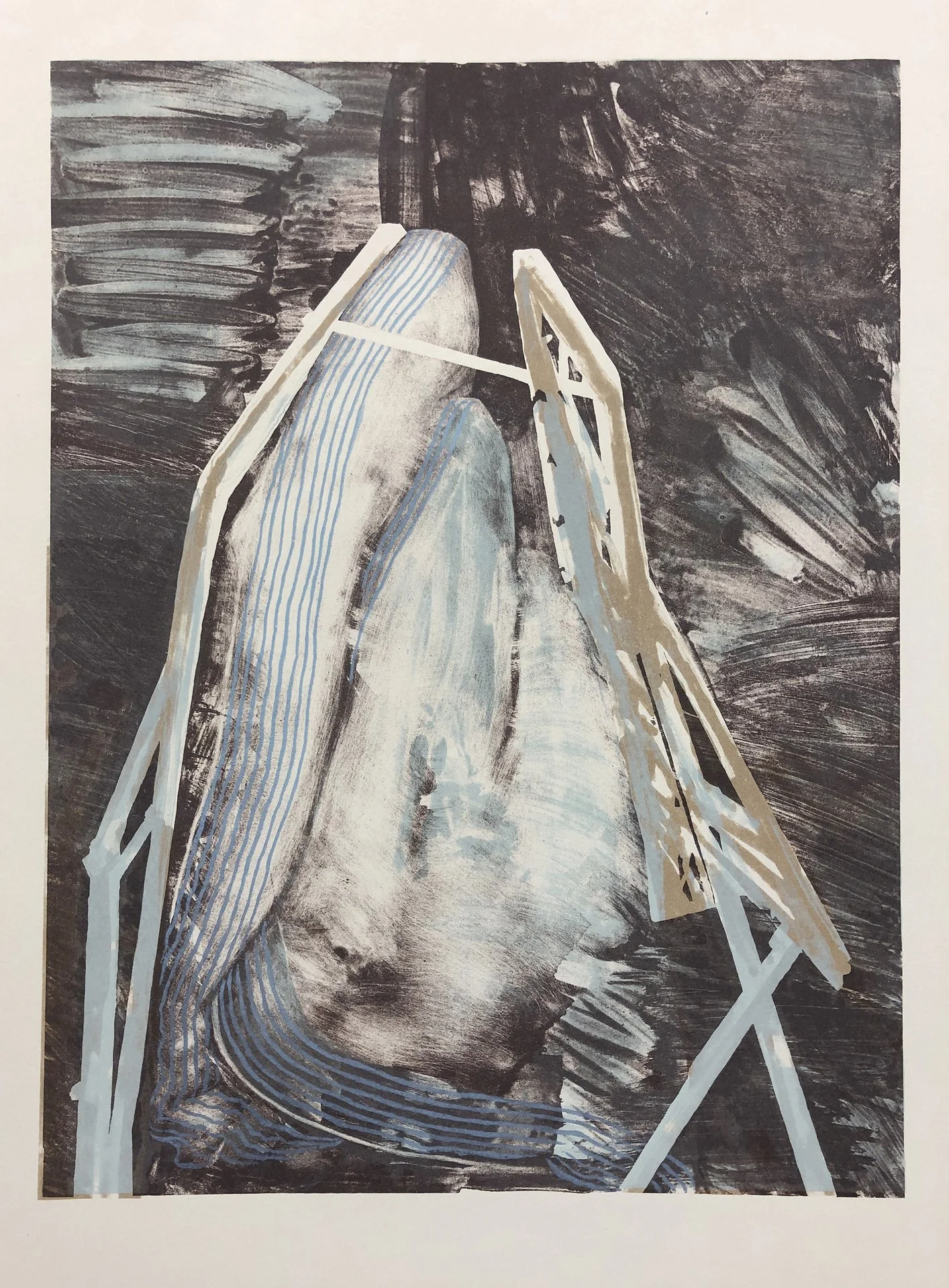
Robbie Sugg
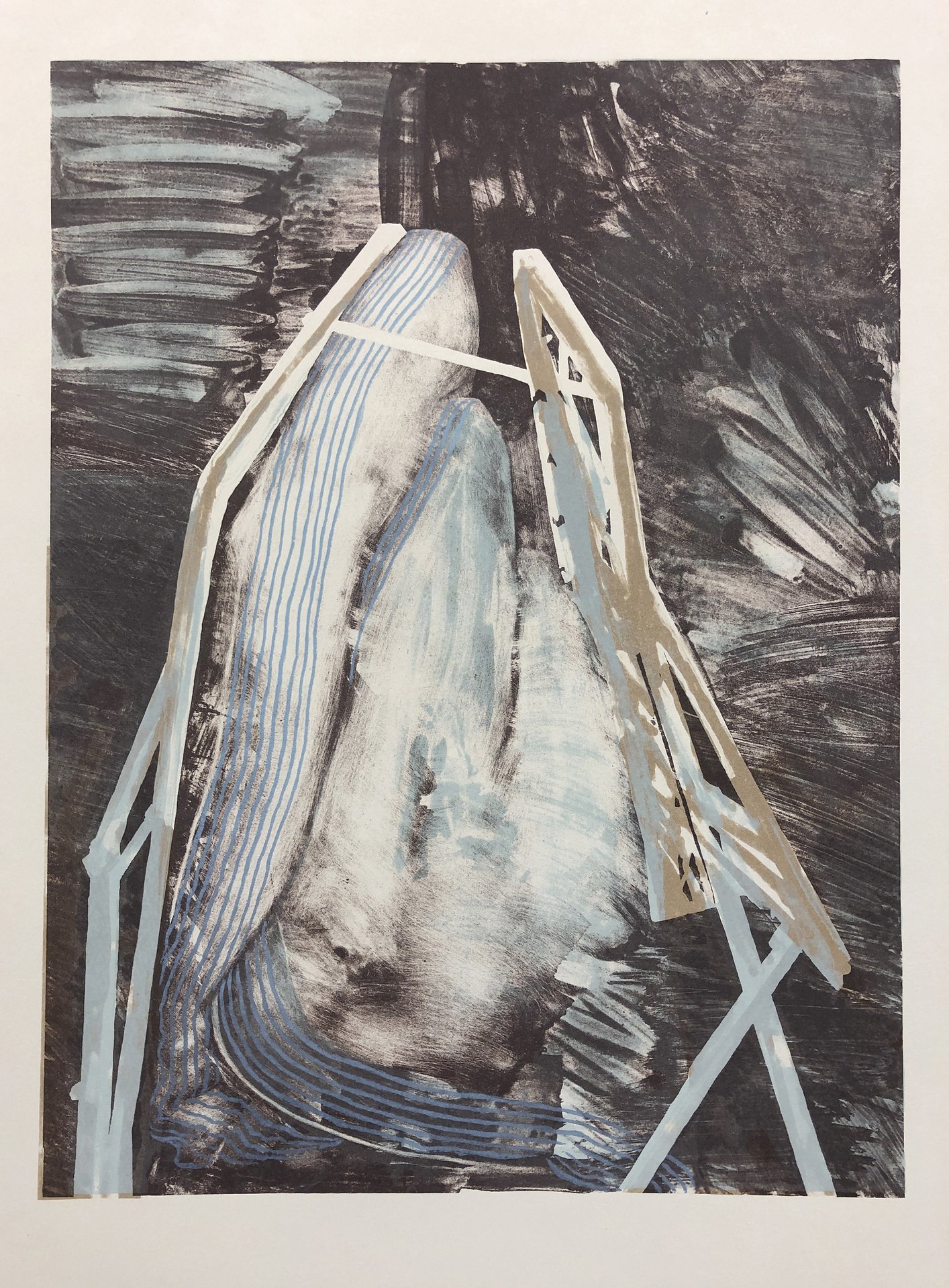
Eviction: Gough & McAllister, San Francisco, 1972
5-color lithograph
20" x 15" x 0"
$500.00
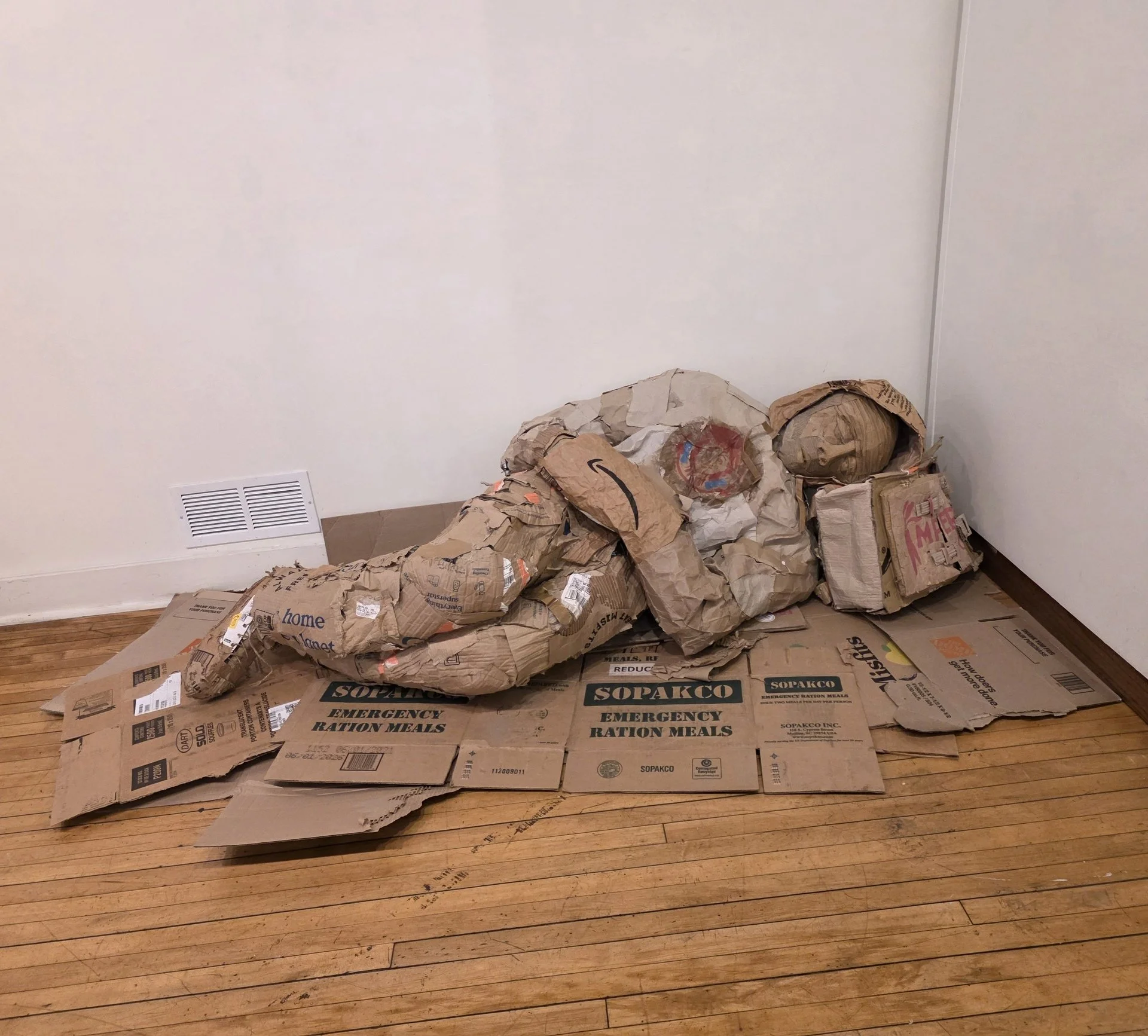
Jjenna Hupp Andrews
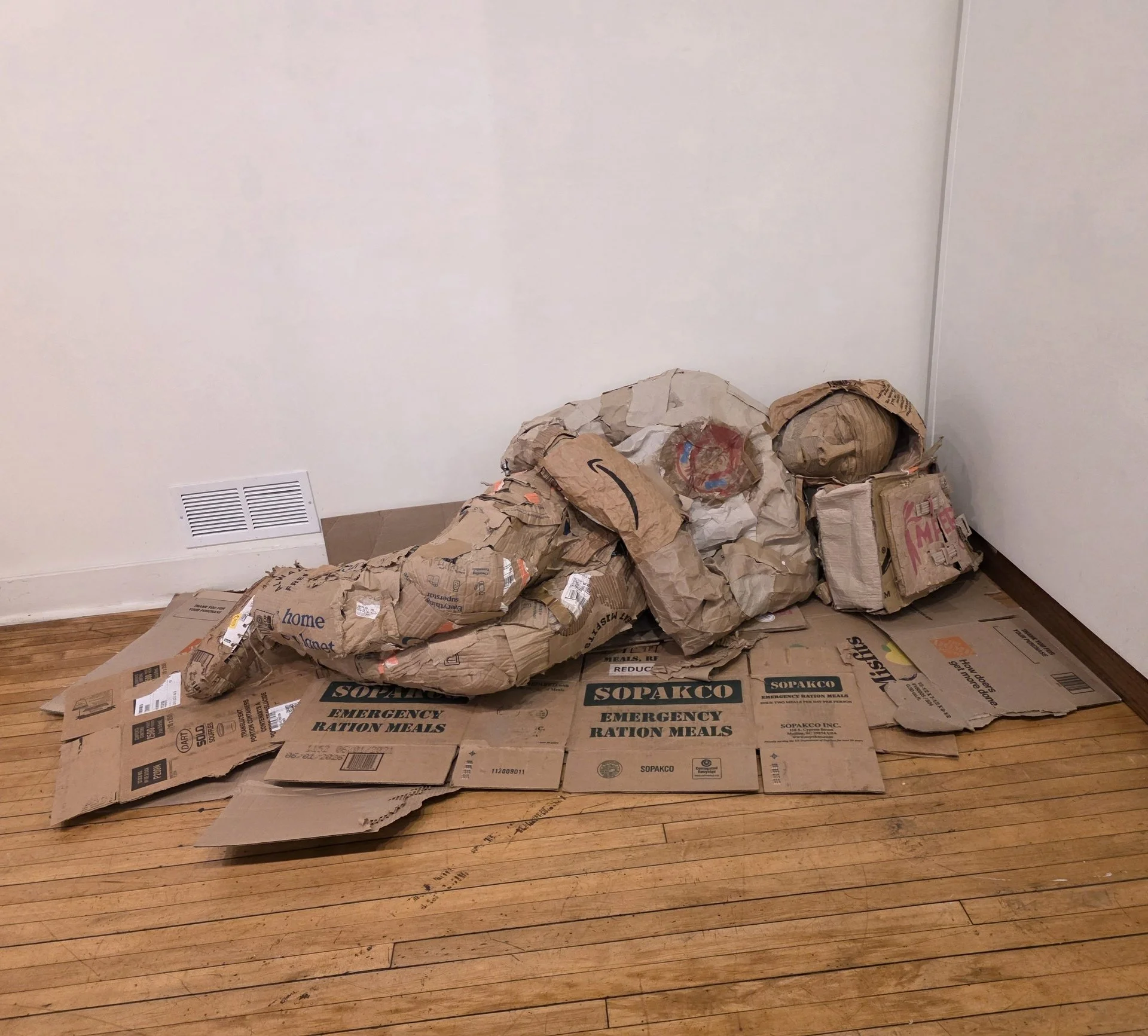
Jjenna Hupp Andrews
Invisibility is a Superpower
Cardboard
24" x 84" x 54"
$2,000.00
Yoosef Mohamadi
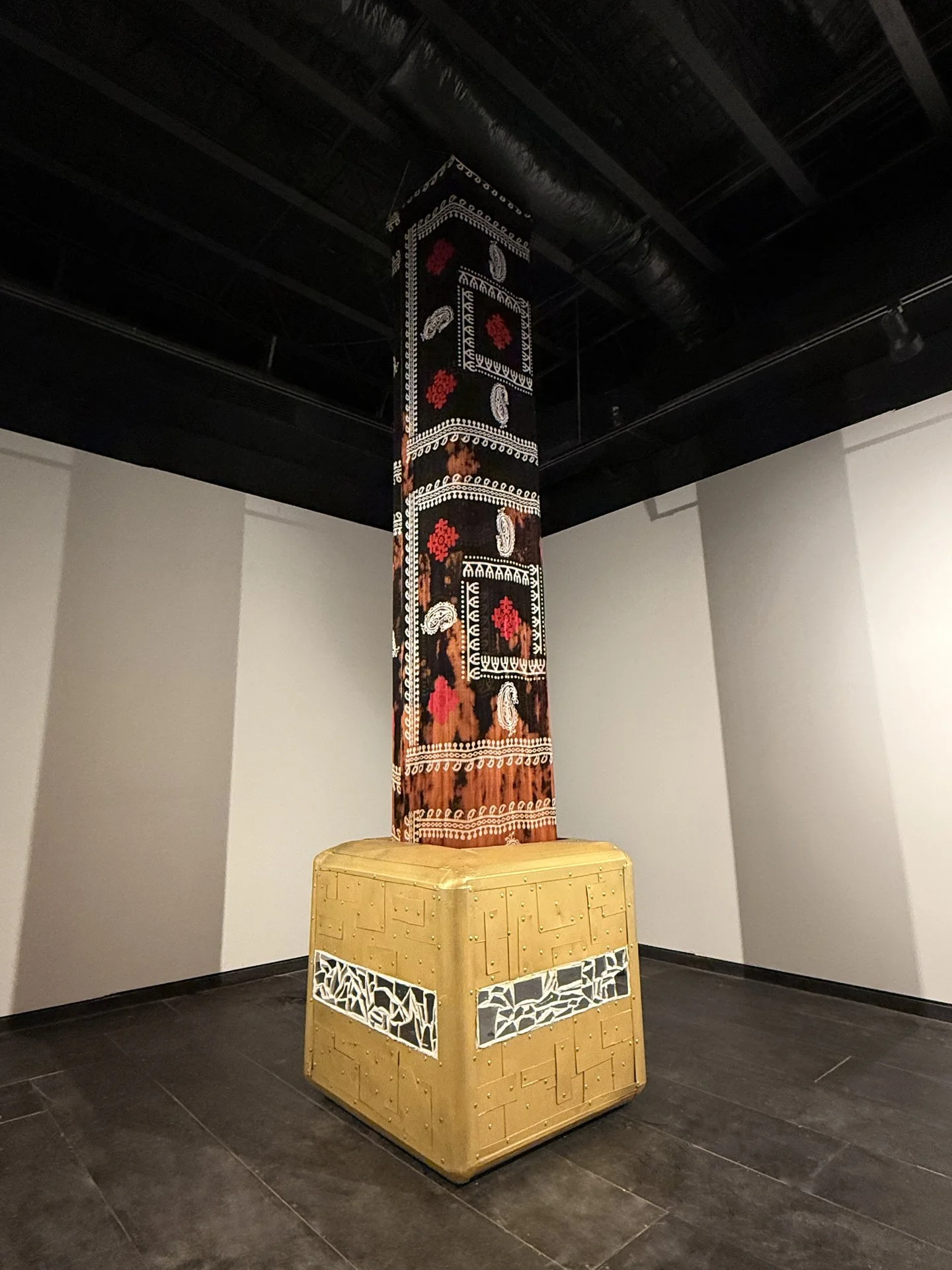
Yoosef Mohamadi
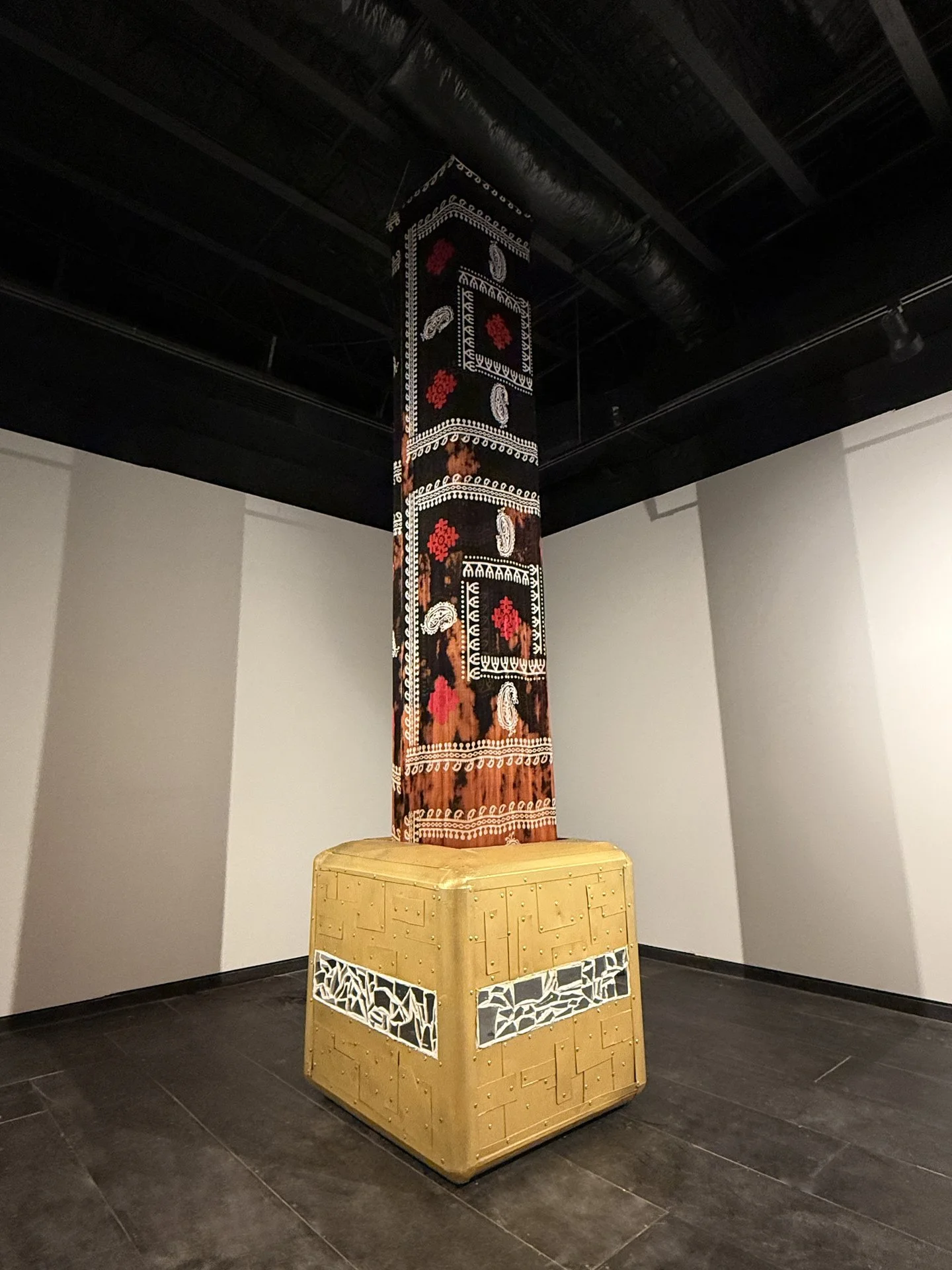
Golden Land
Metal, wood, mirror, joint compound, Hewri fabric
200 cm x 80 cm x 80 cm
$0.00
Amal Azzam
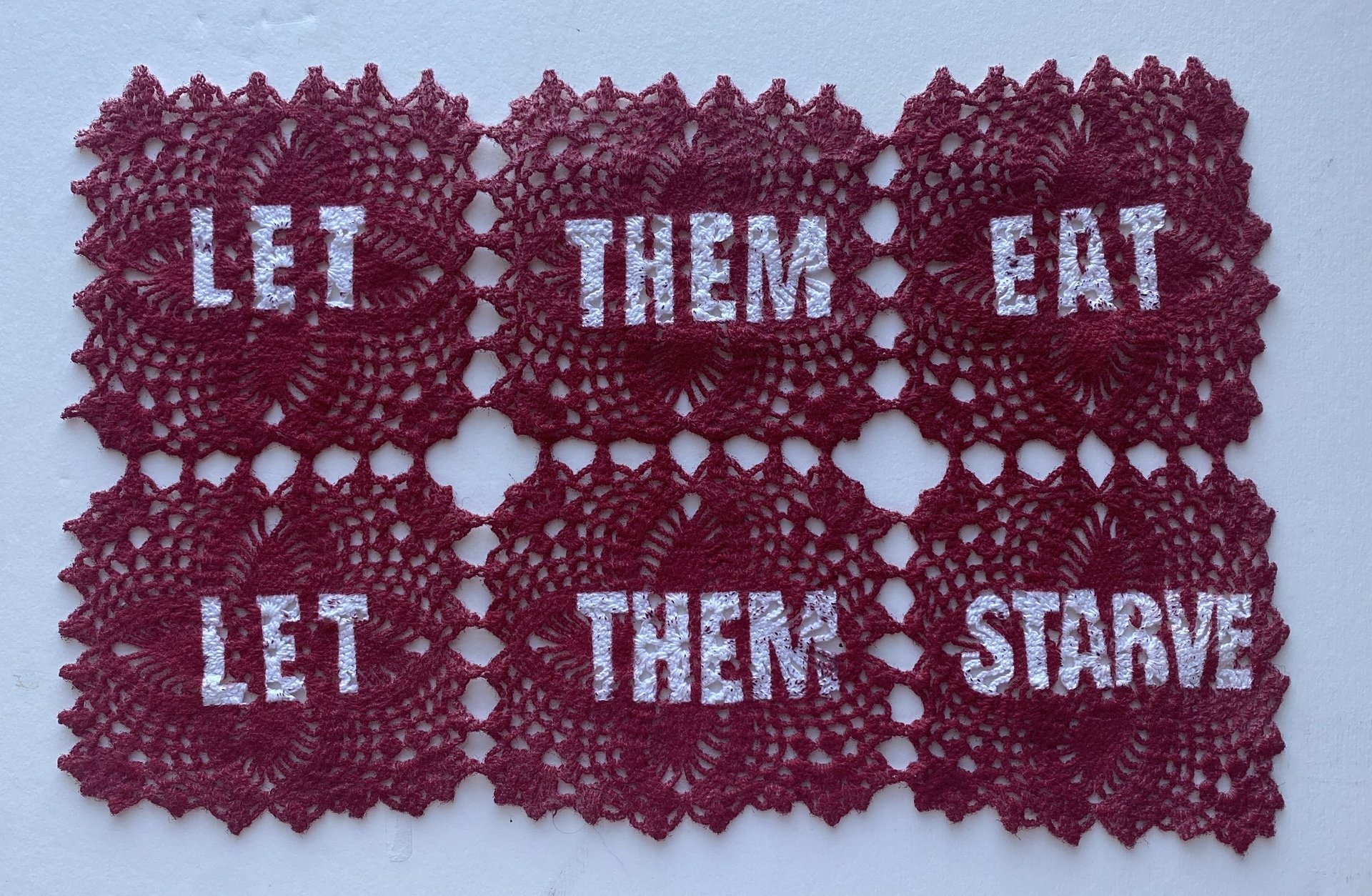
Amal Azzam
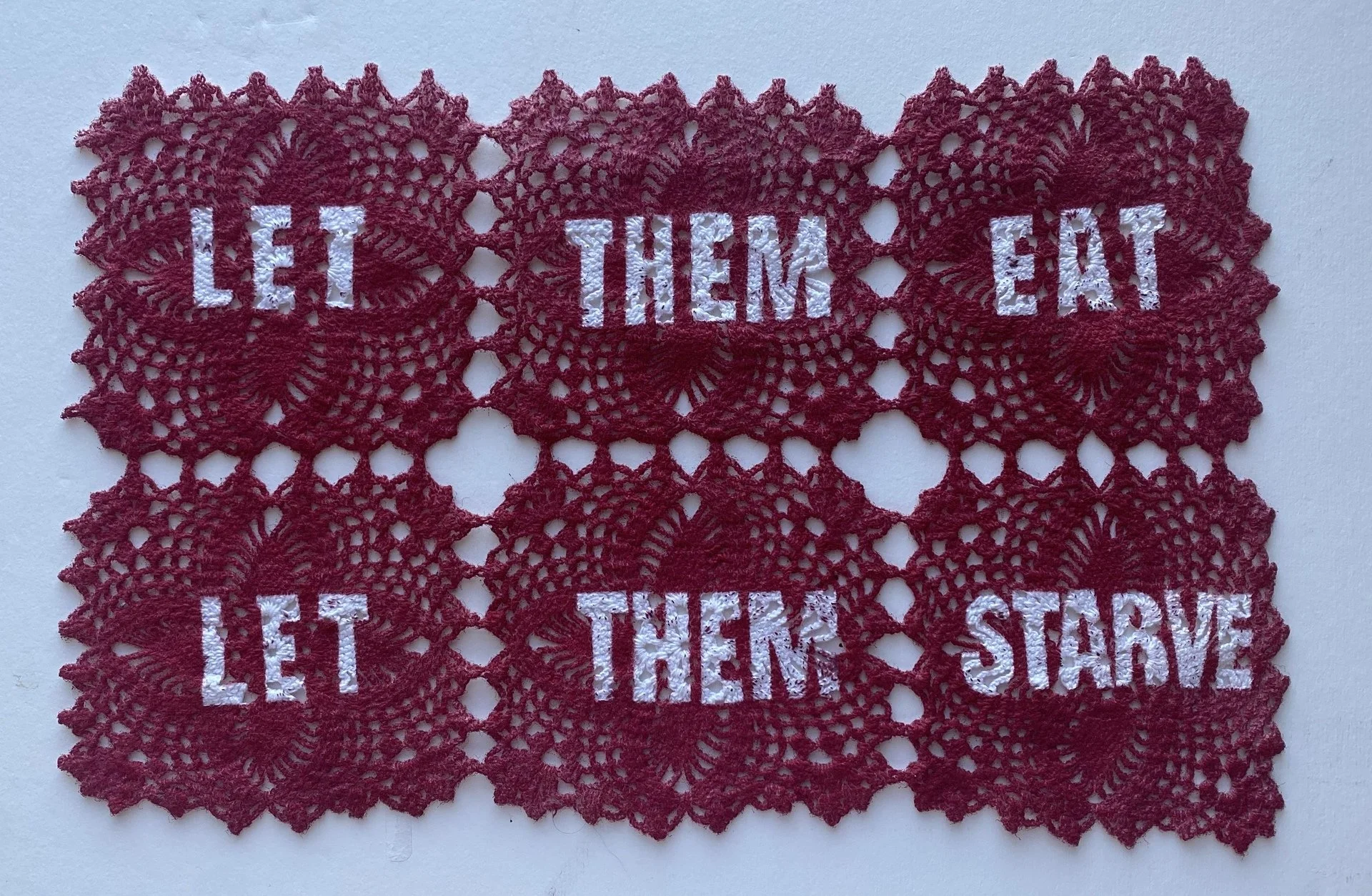
Let them Eat
Mixed media, vintage crochet table setting
8.5" x 13" x .3"
$659.00
Amal Azzam
Finding Home
Video
0" x 0" x 0"
$300.00
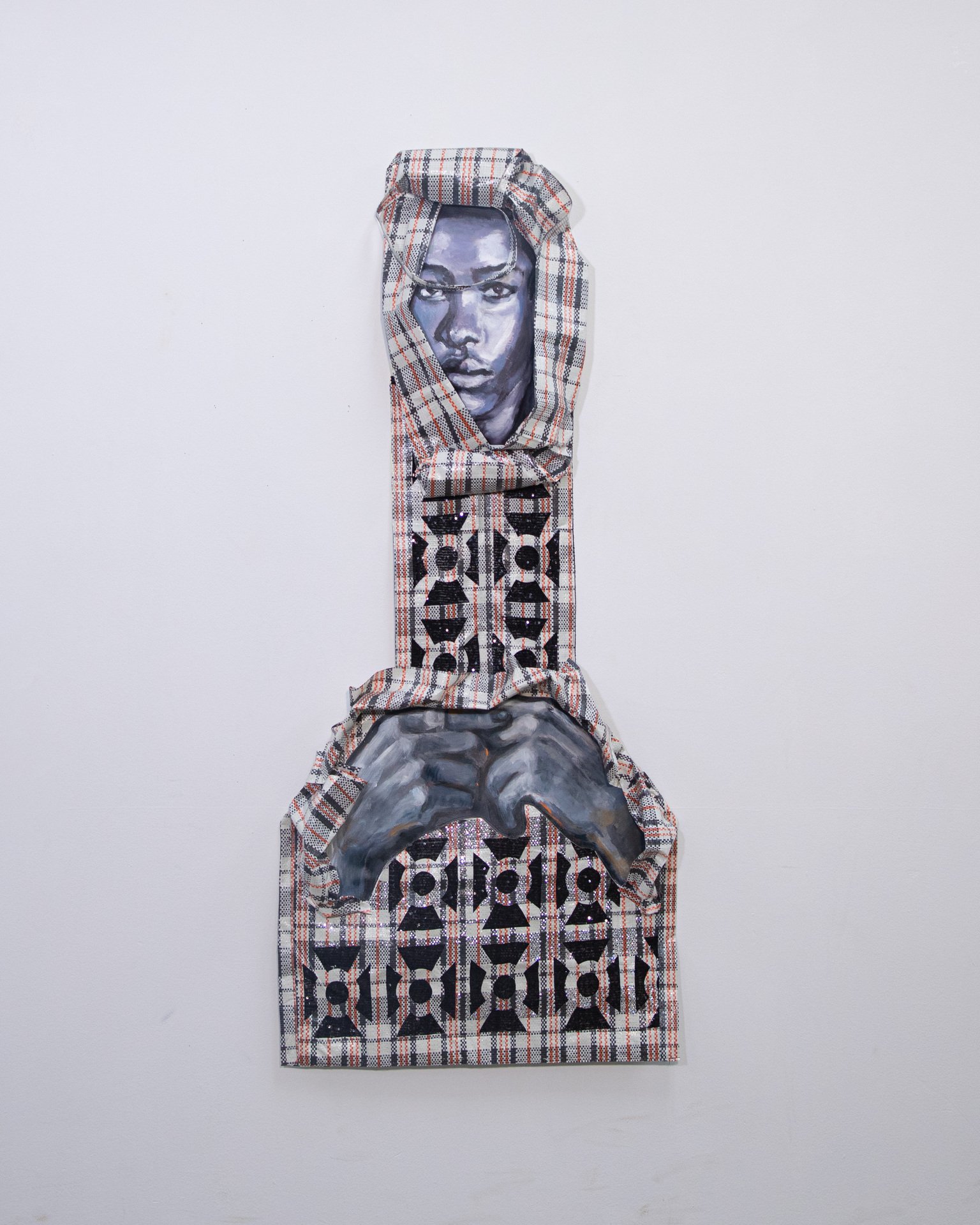
Amarachi Odimba
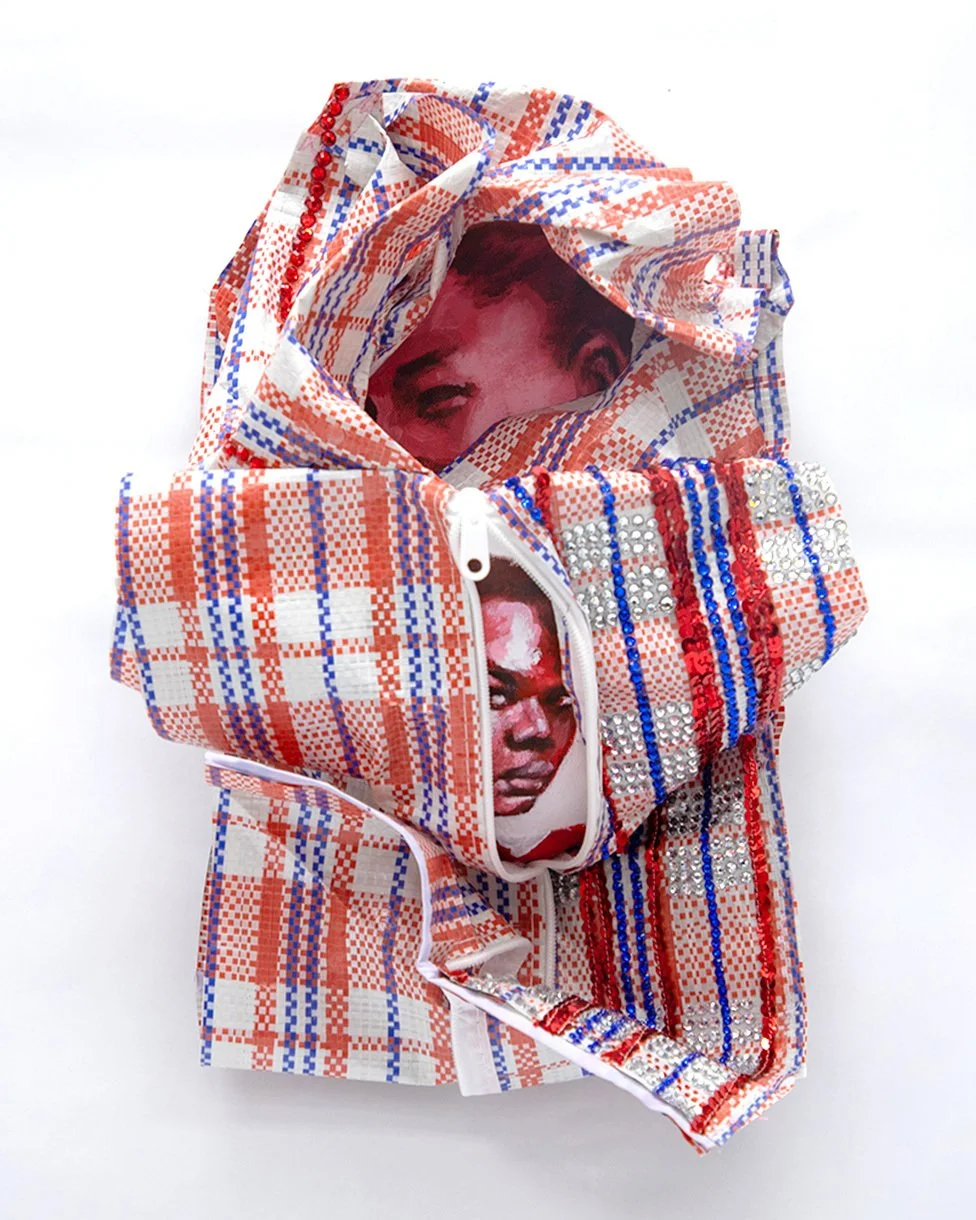
Amarachi Odimba
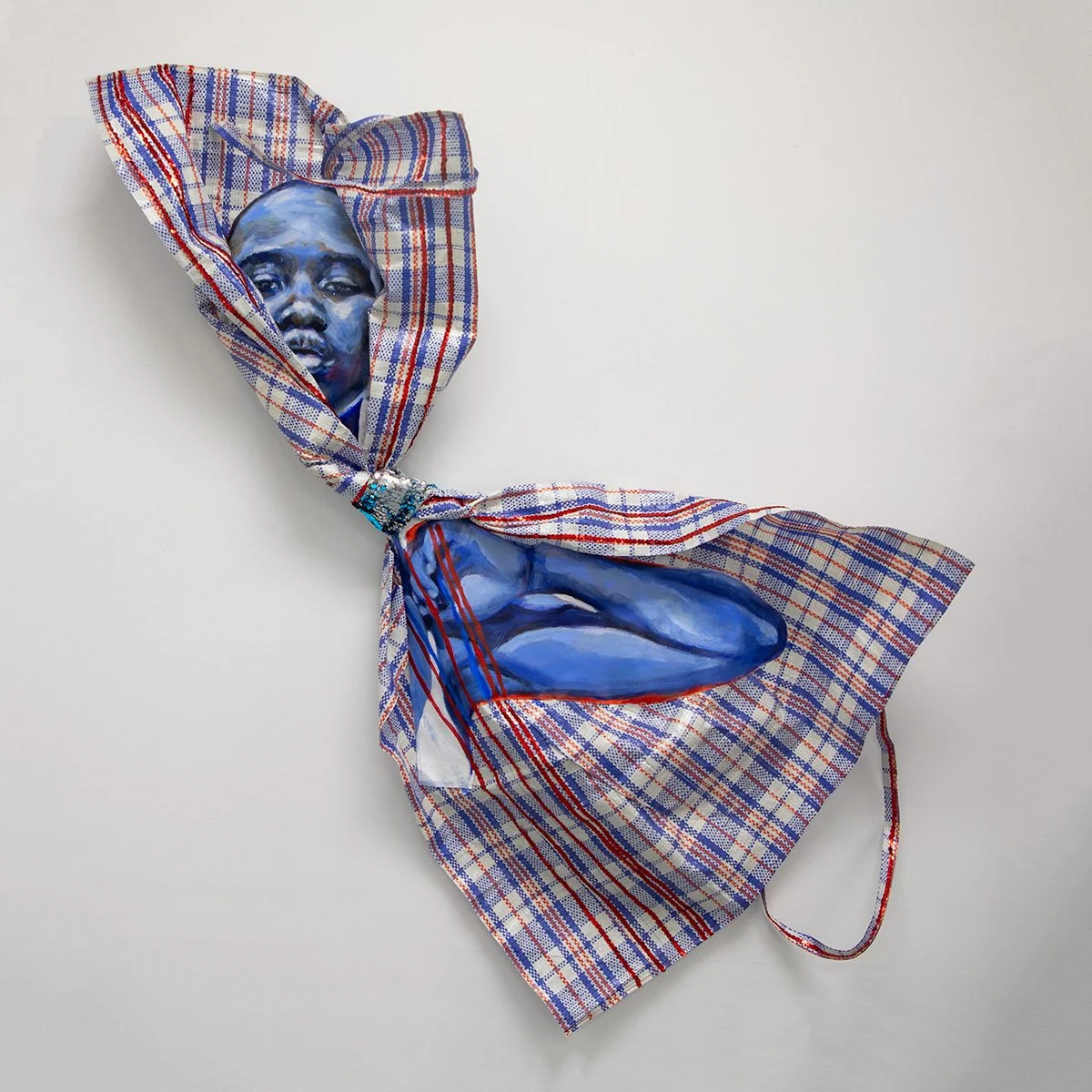
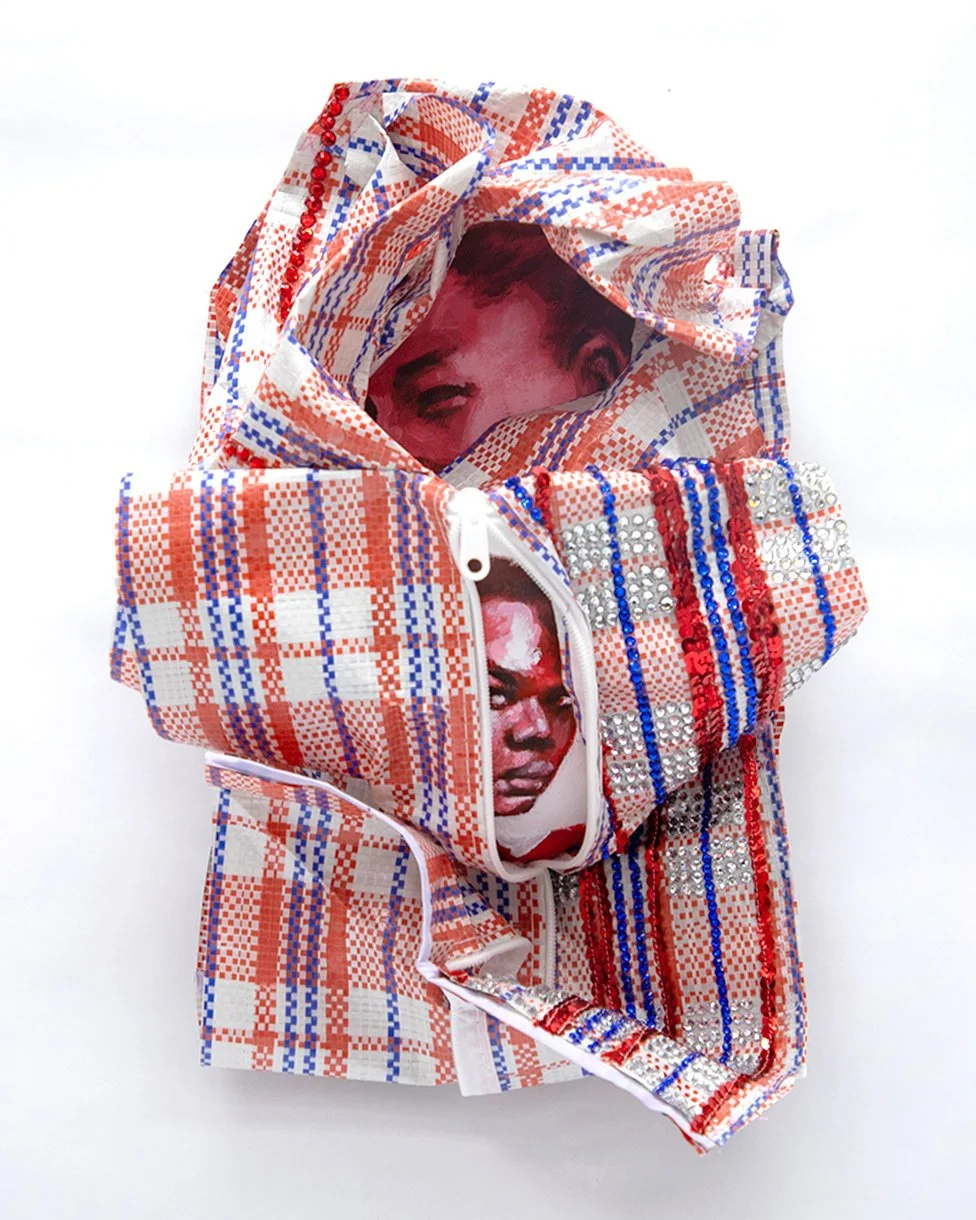
Enfold 2
Acrylic, sequins, Ghana Must Go bag, rhinestones
15.7" x 13.8" x 6.7"
$1,500.00
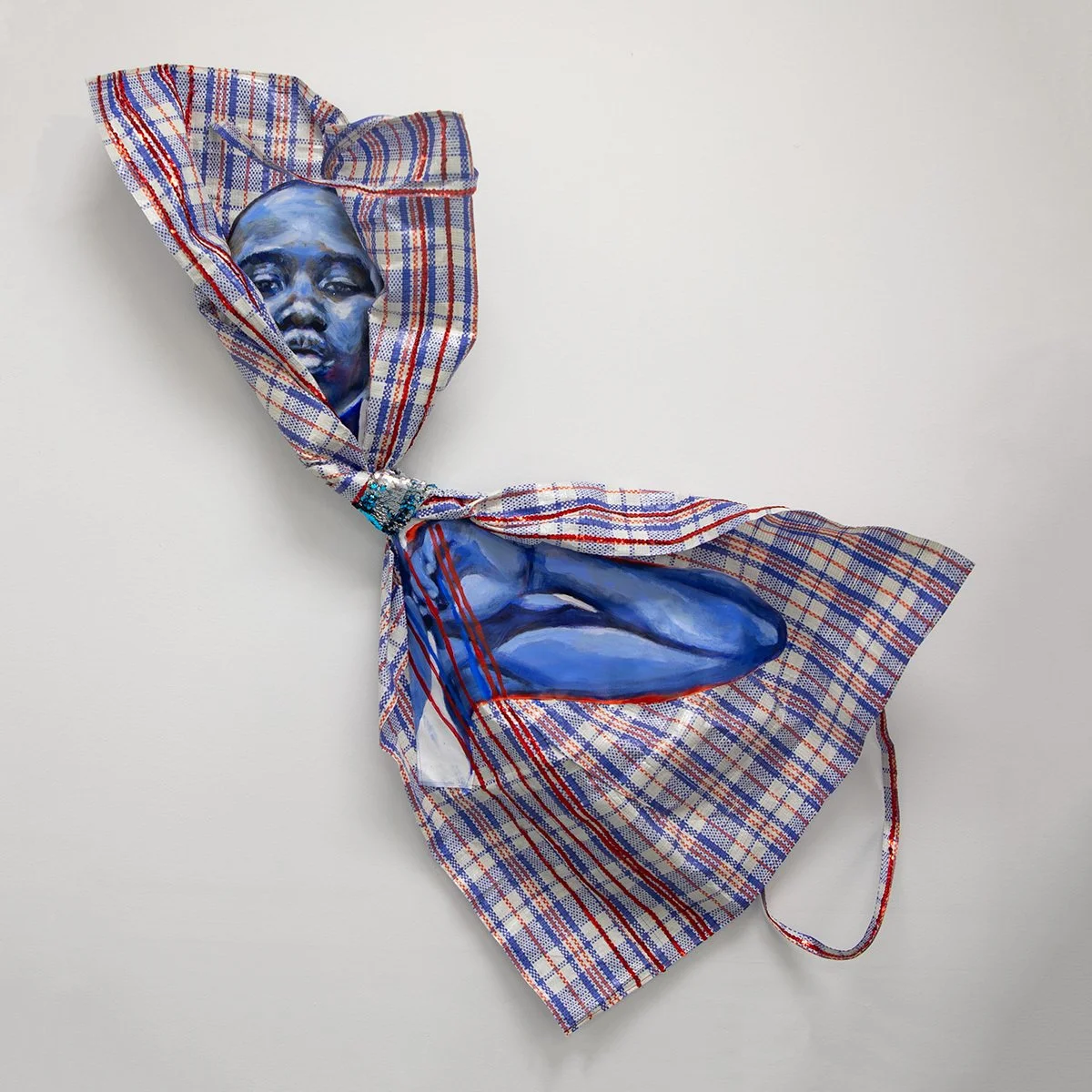
Amarachi Odimba
Re/Gaze 1
Acrylic, rhinestones, canvas, Ghana Must Go bag
47.2" x 47.2" x 4.7"
$2,700.00
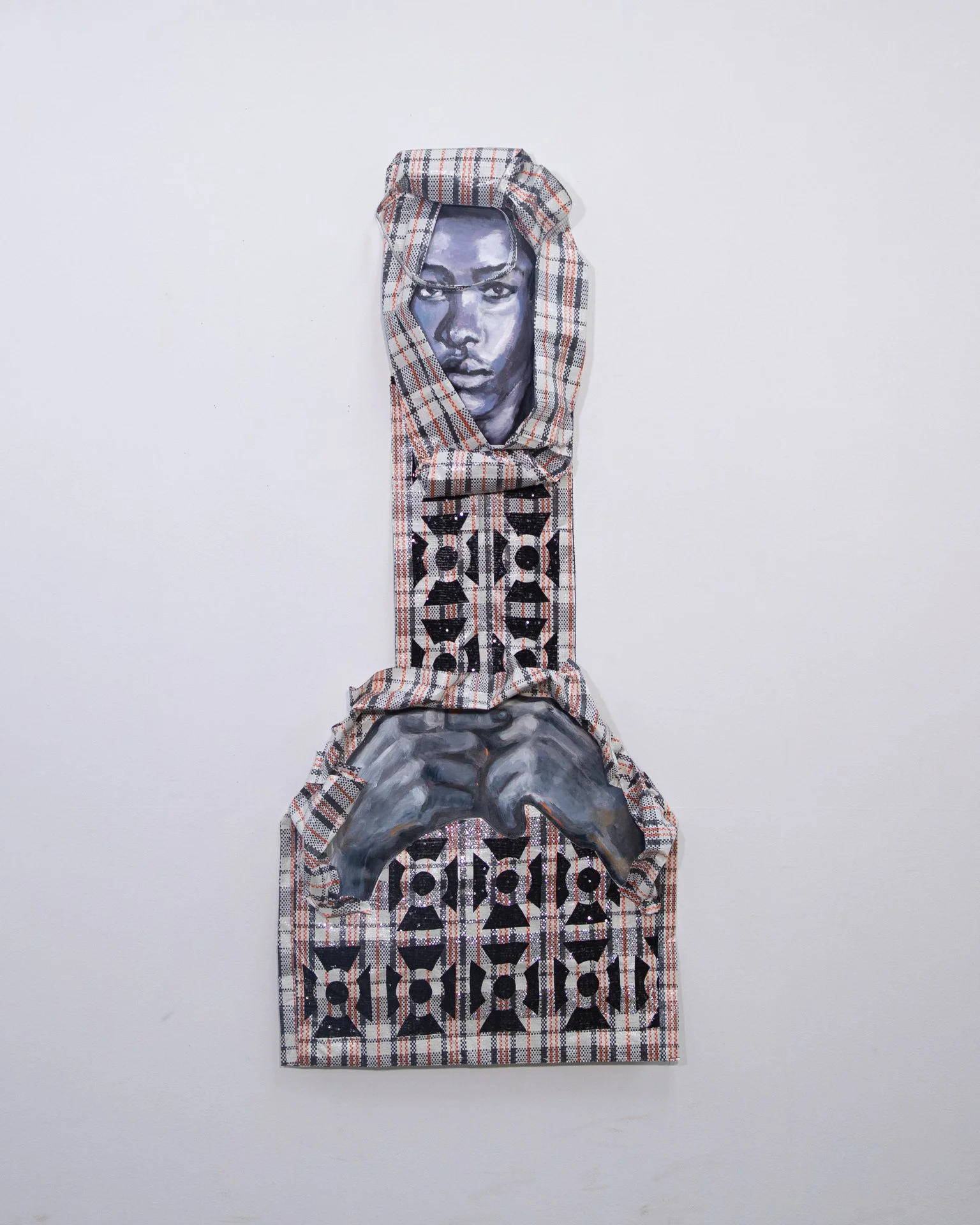
Amarachi Odimba
Embodied Walls 1
Ghana Must Go bags, acrylic, rhinestones, shiny lace, canvas
53.9" x 25.2" x 5.9"
$3,000.00
Athenkosi Kwinana
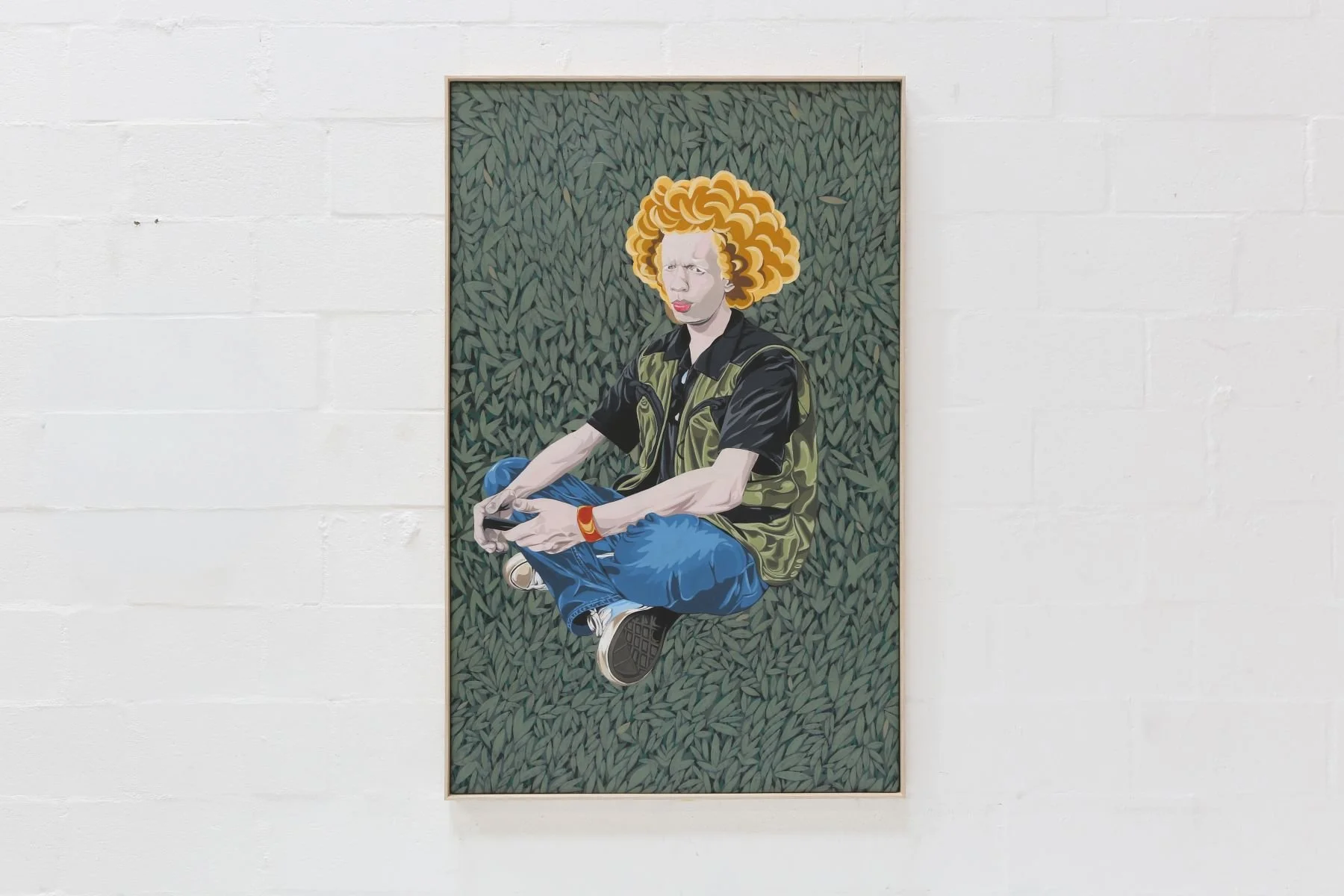
Athenkosi Kwinana
25K’M
Acrylic paint on canvas
59.1" x 37.4" x 3.5"
$2300.00
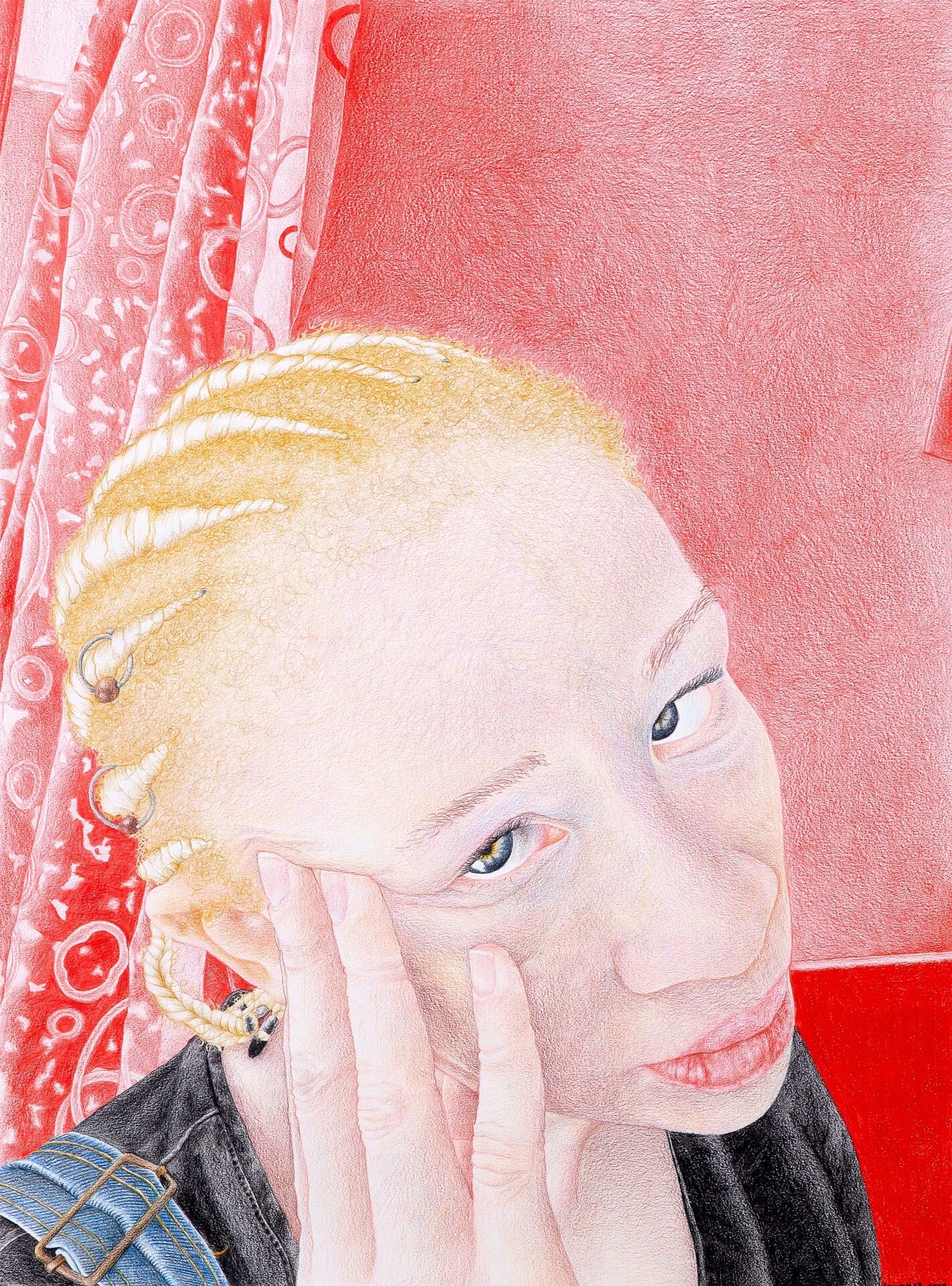
Athenkosi Kwinana
Scarlett
Colour pencil on paper
85" x 33.5" x 2.0"
$1700.00
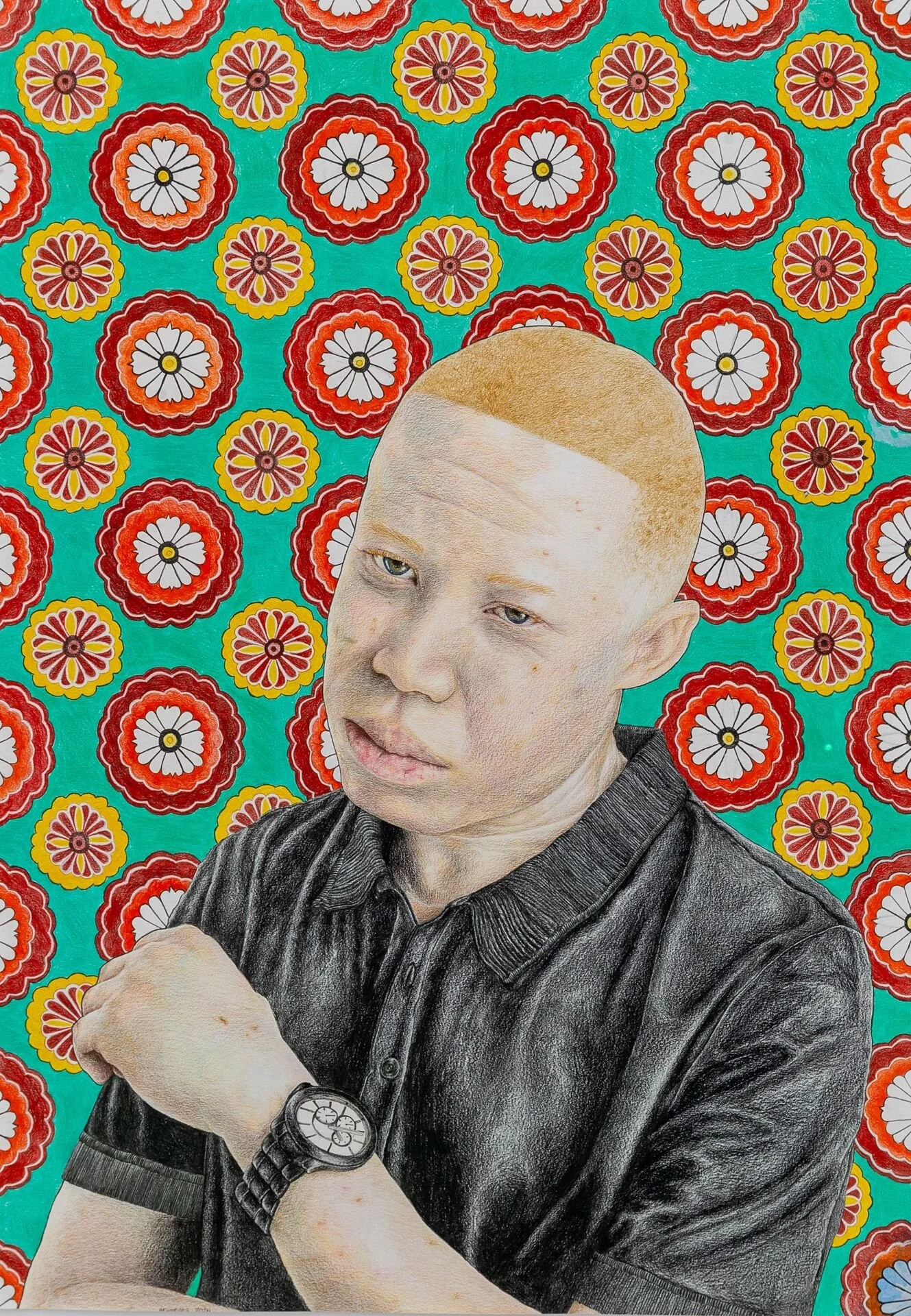
Athenkosi Kwinana
TM’24
Colour pencil on paper
100" x 80" x 5"
$2000.00
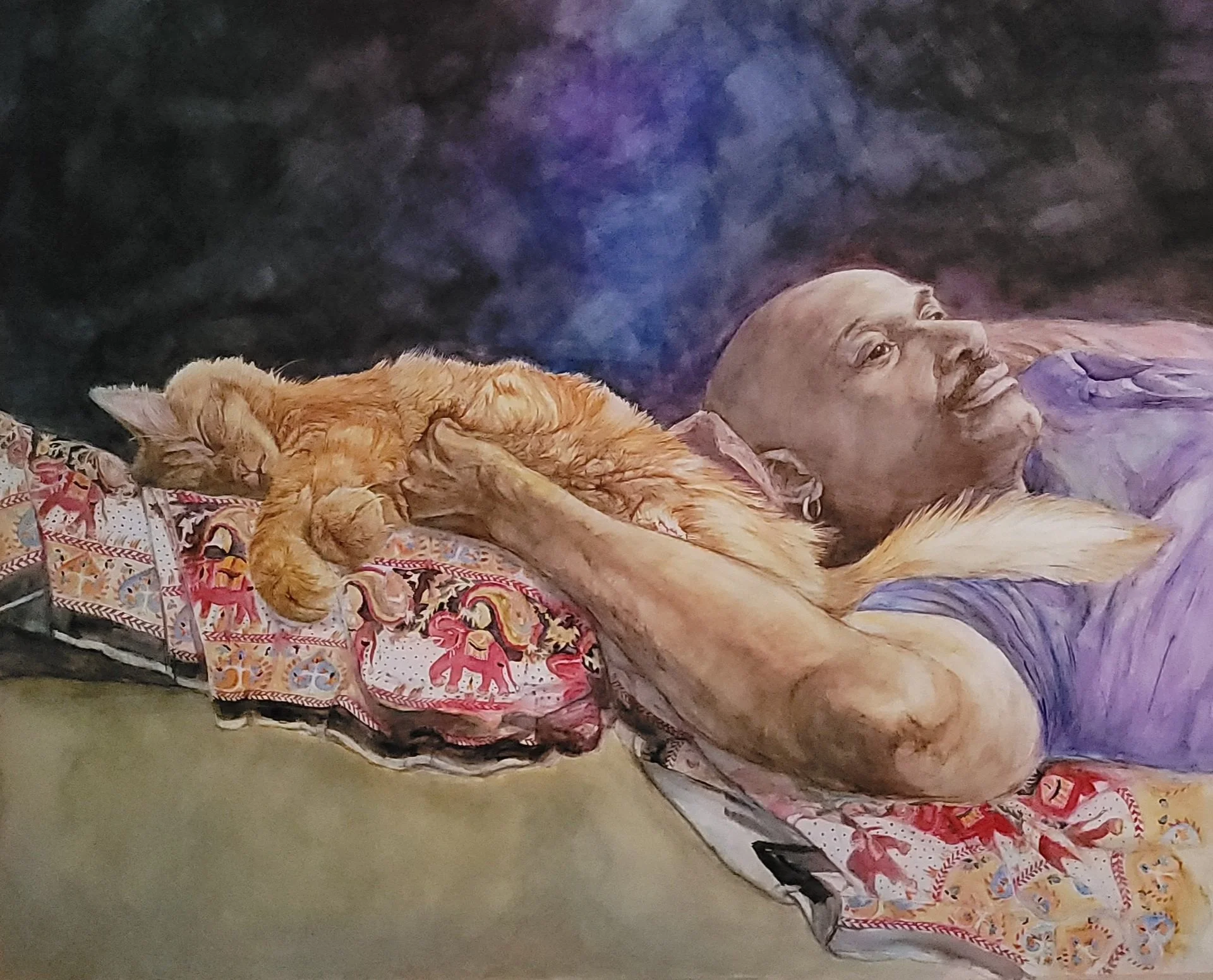
Nobue Takahashi
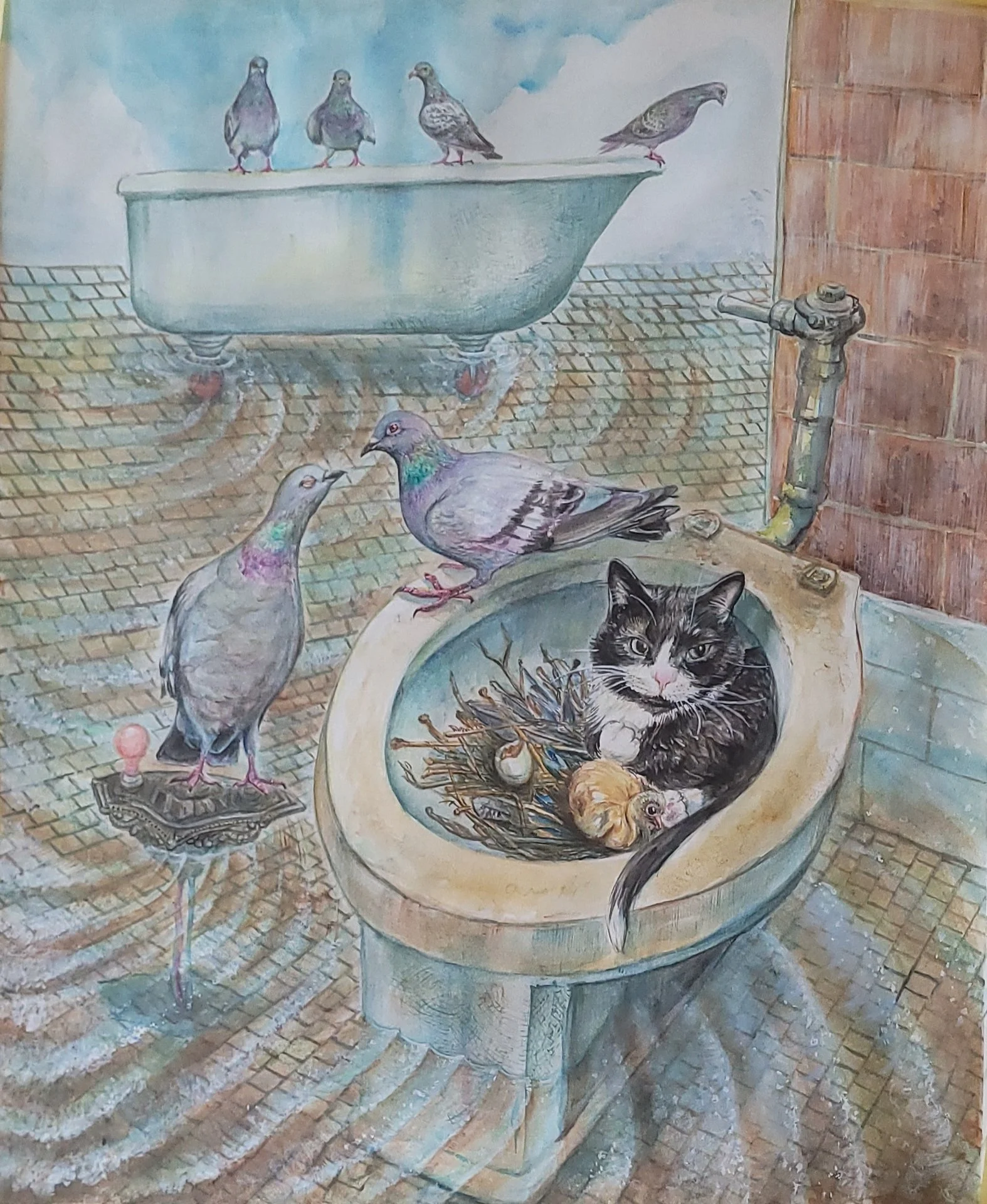
Nobue Takahashi
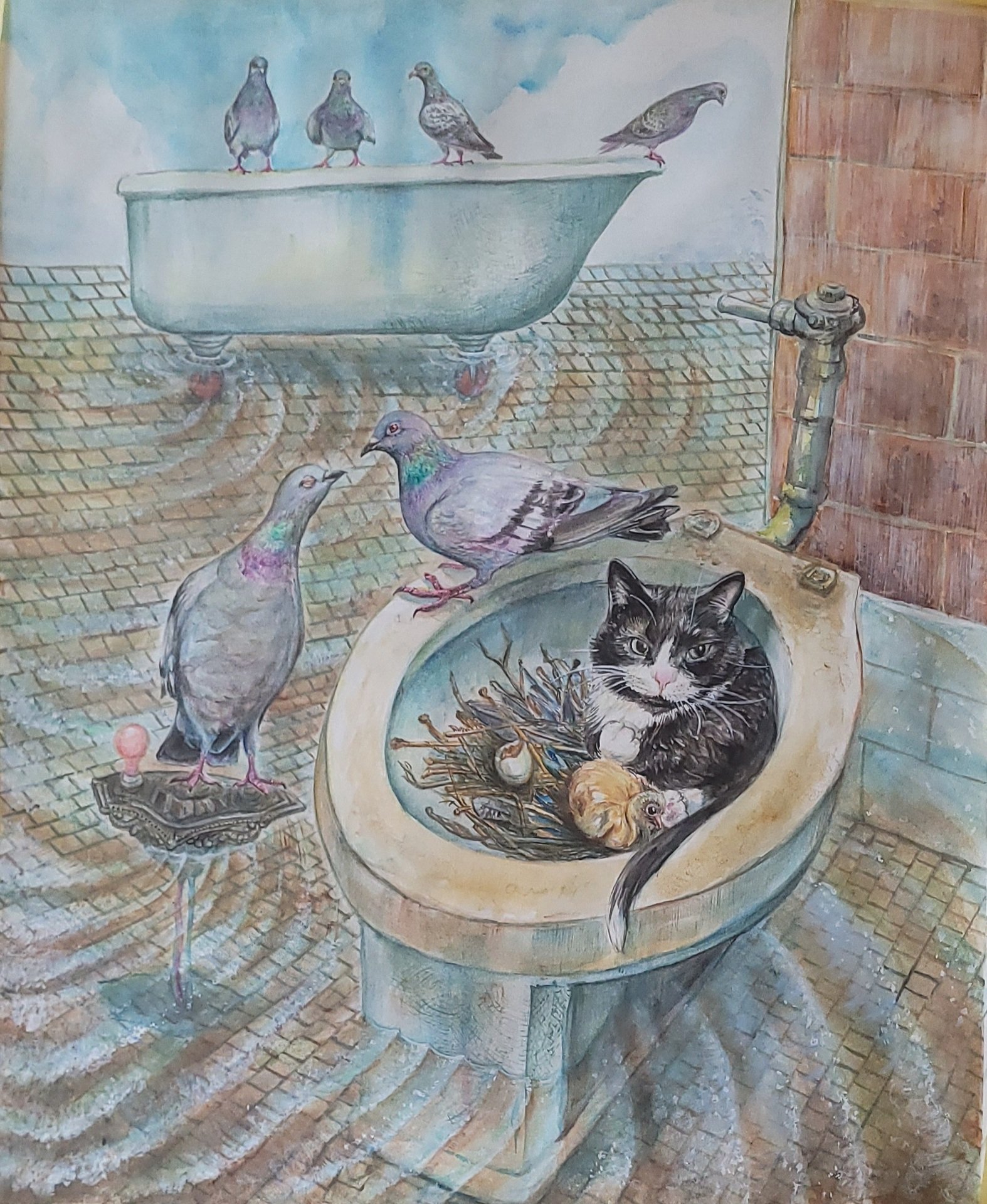
The Squatters
Watercolor, gouache, pastel
17" x 14" x 1"
$800.00
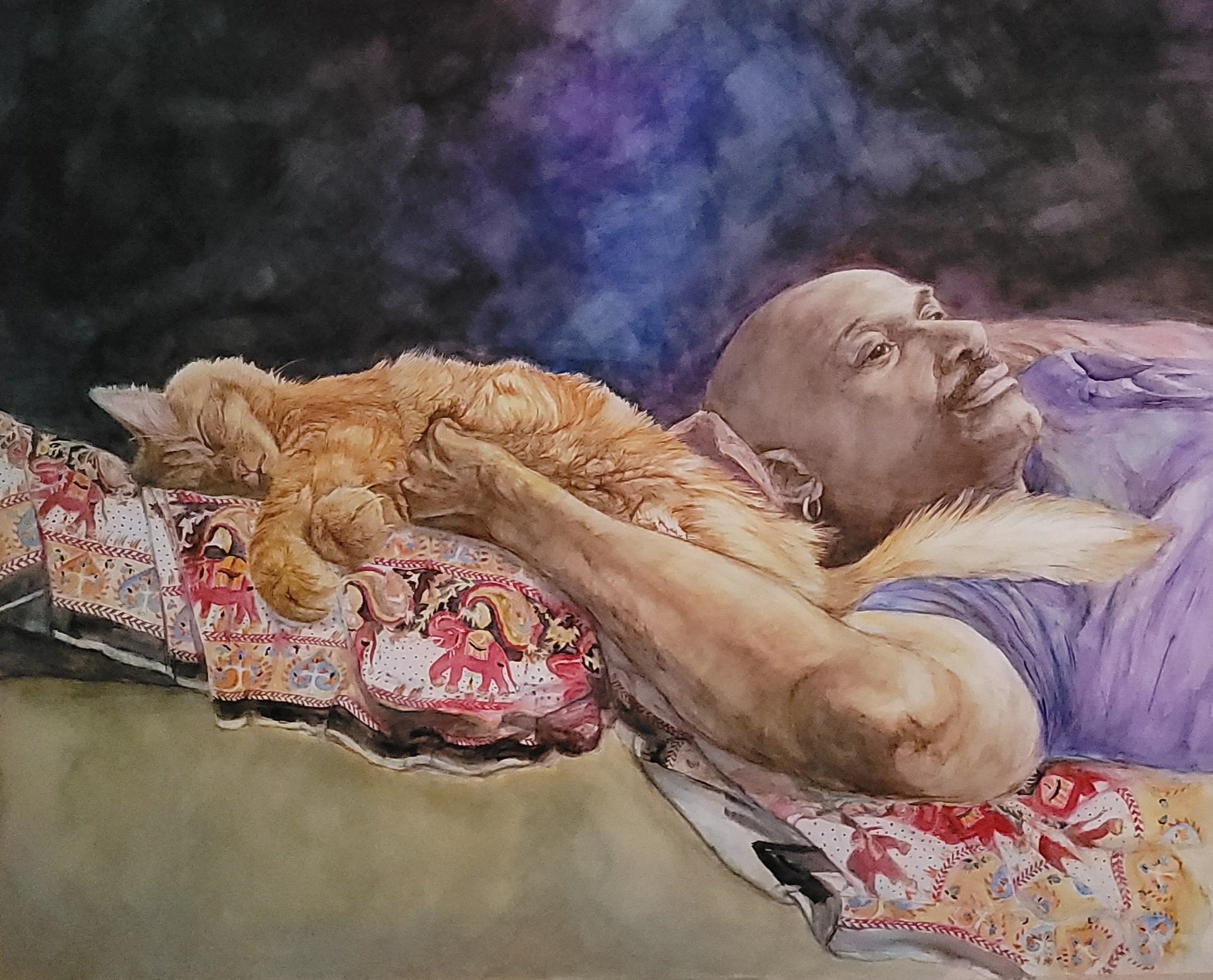
Nobue Takahashi
Purple Haze
Watercolor, gouache, pastel
37" x 46" x 1"
$1,600.00
Wall 3: The Inbetween Spaces and Loss
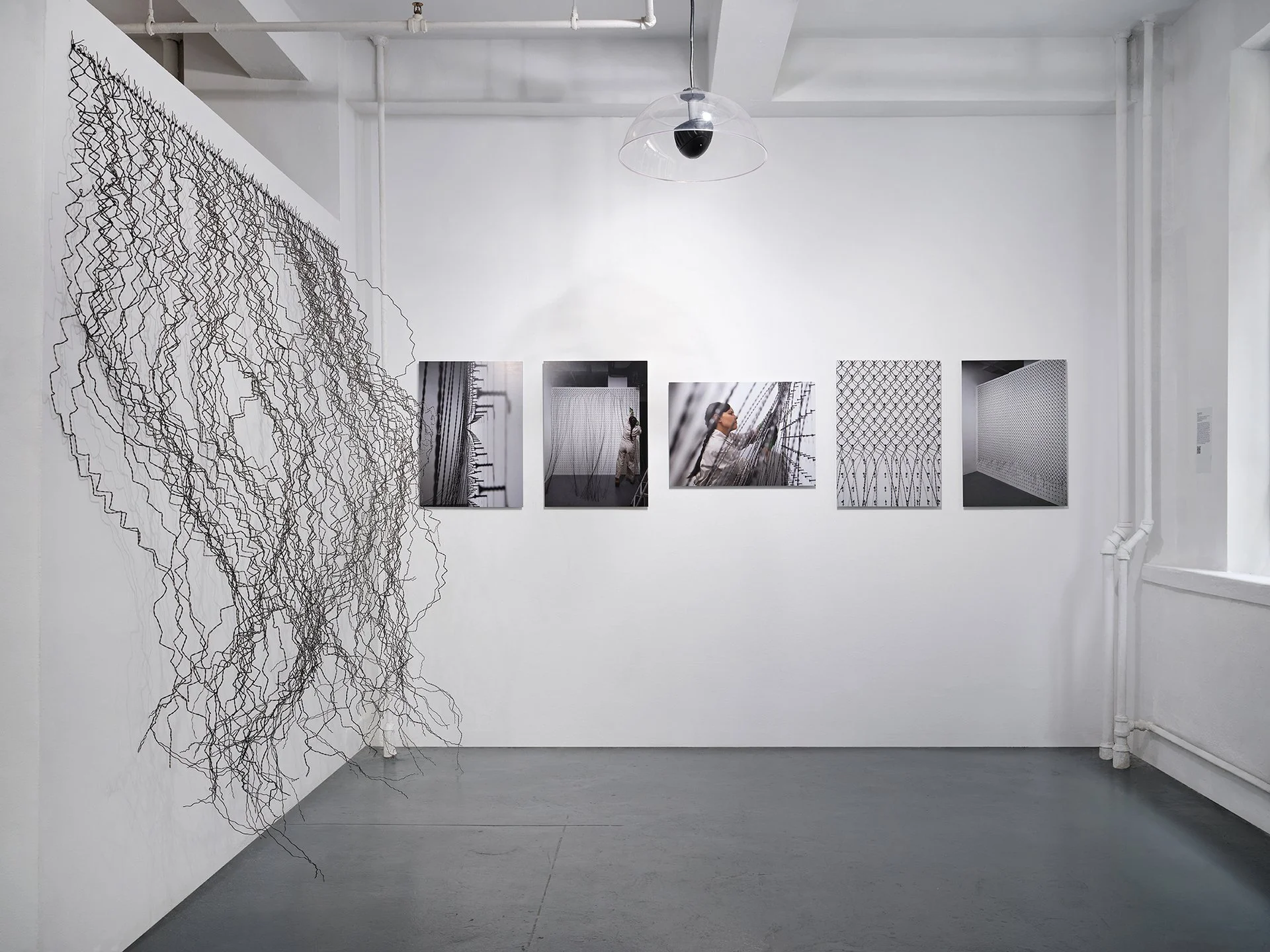
Migration is on the thresholds between spaces: departure and arrival, belonging and exclusion, recognition and invisibility. These spaces are marked by uncertainty, where identities are systematically dehumanized, questioned, suspended, or reduced to categories and documents.
Loss permeates these experiences. There is the loss of life, home, language, community, and identity. These artists highlight these in-between spaces of loss. Exploring how people cope with loss and grief as they navigate separation, displacement, and prolonged uncertainty in these in-between spaces.
Myloan Dinh
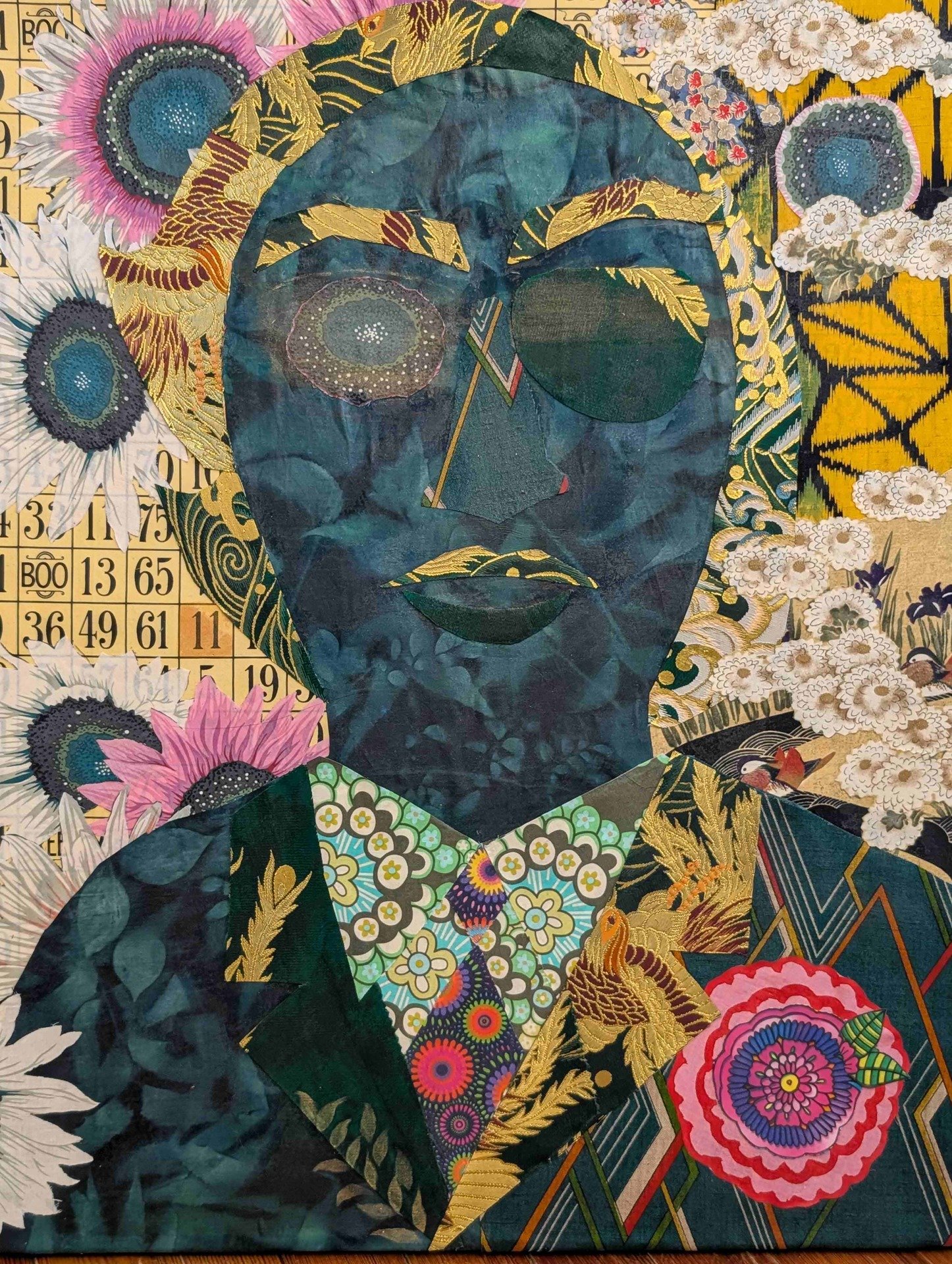
Susanna Eisenman
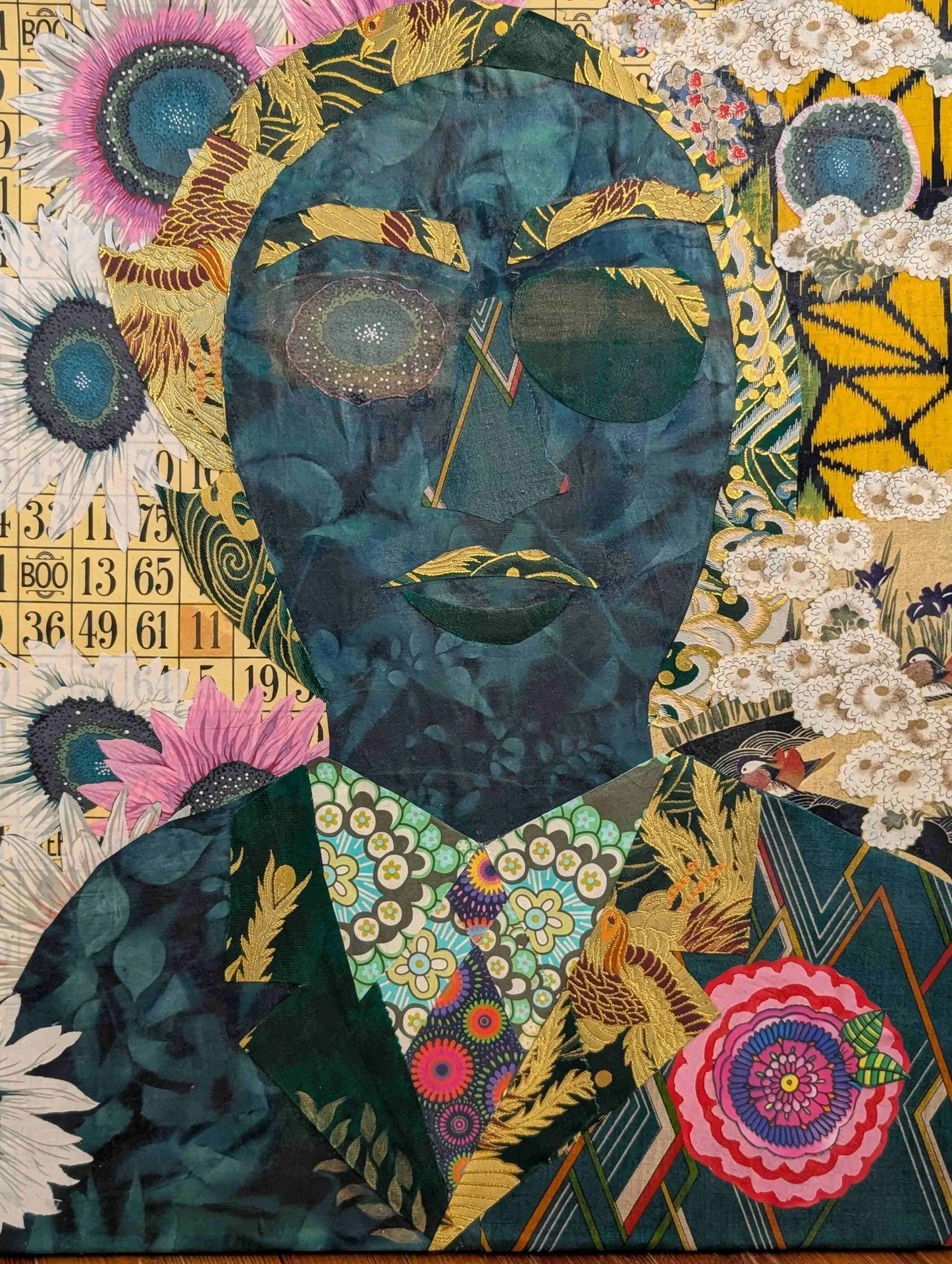
Susanna Eisenman
Remembering Vincent
Textile collage
28" x 22" x 1"
$2,000.00
Danae Nunez
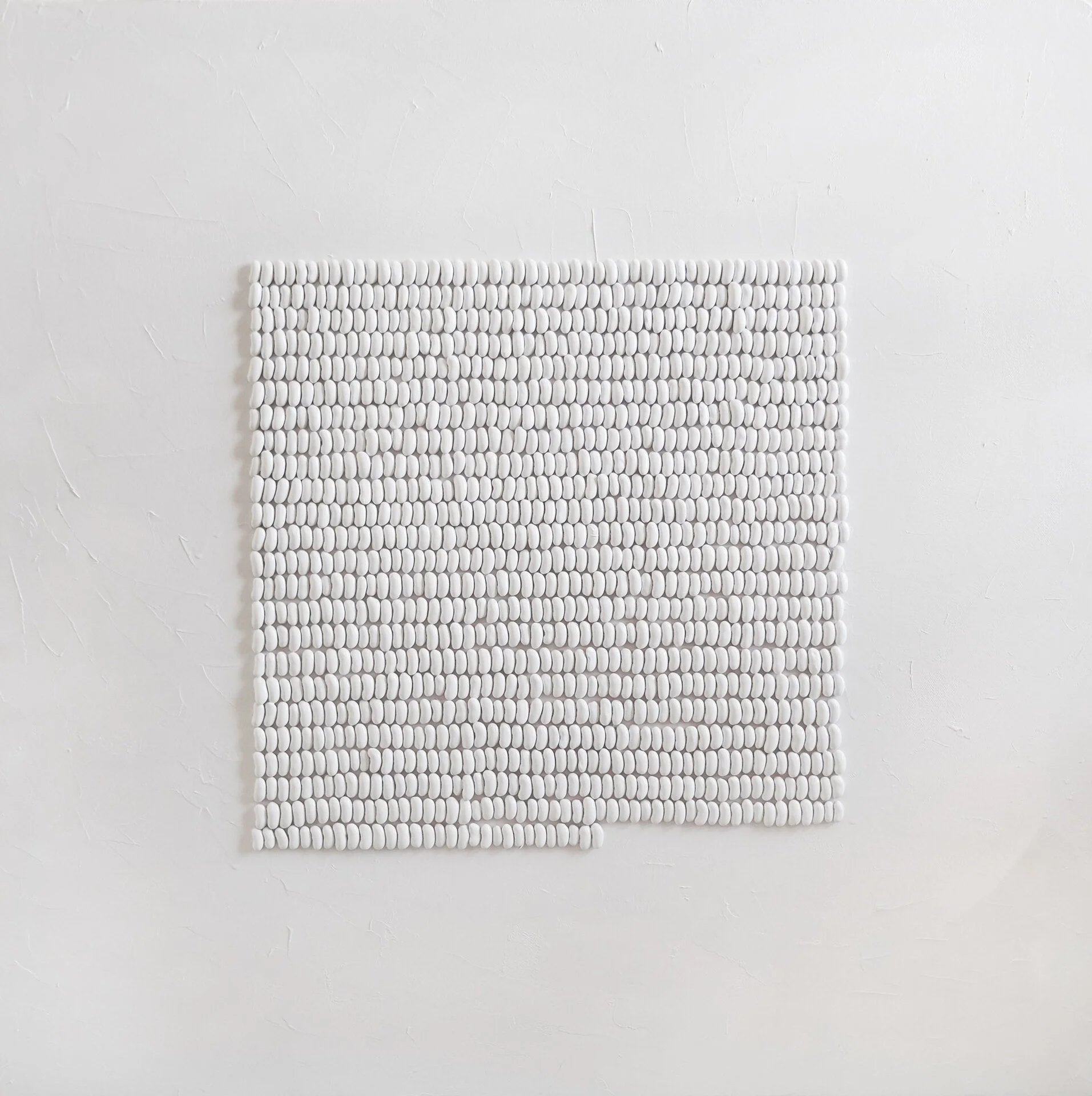
Danae Nunez
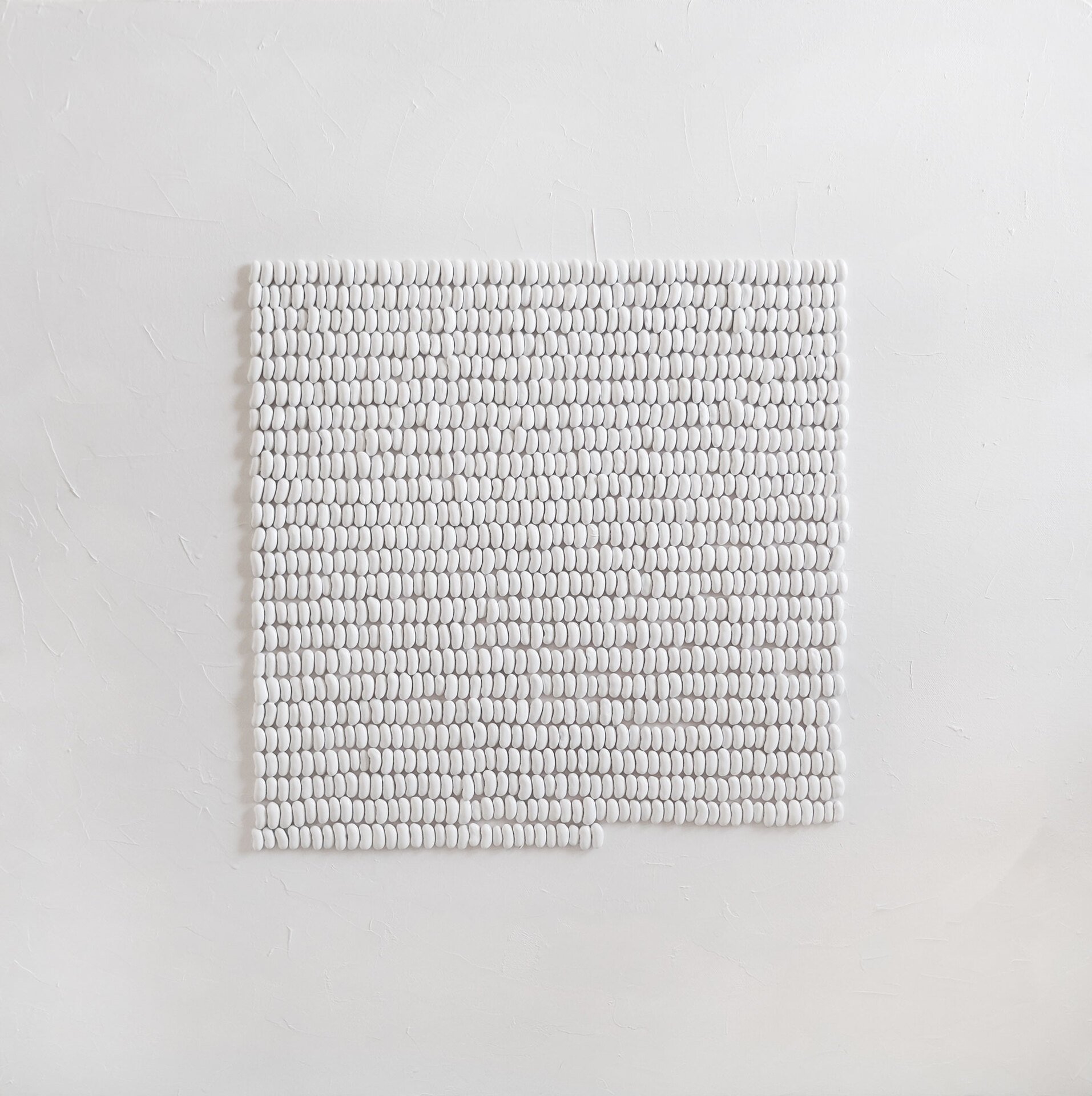
Desaparecidos
Beans, oil, spray paint
30" x 30" x 2"
$3,000.00
Marcus DeSieno
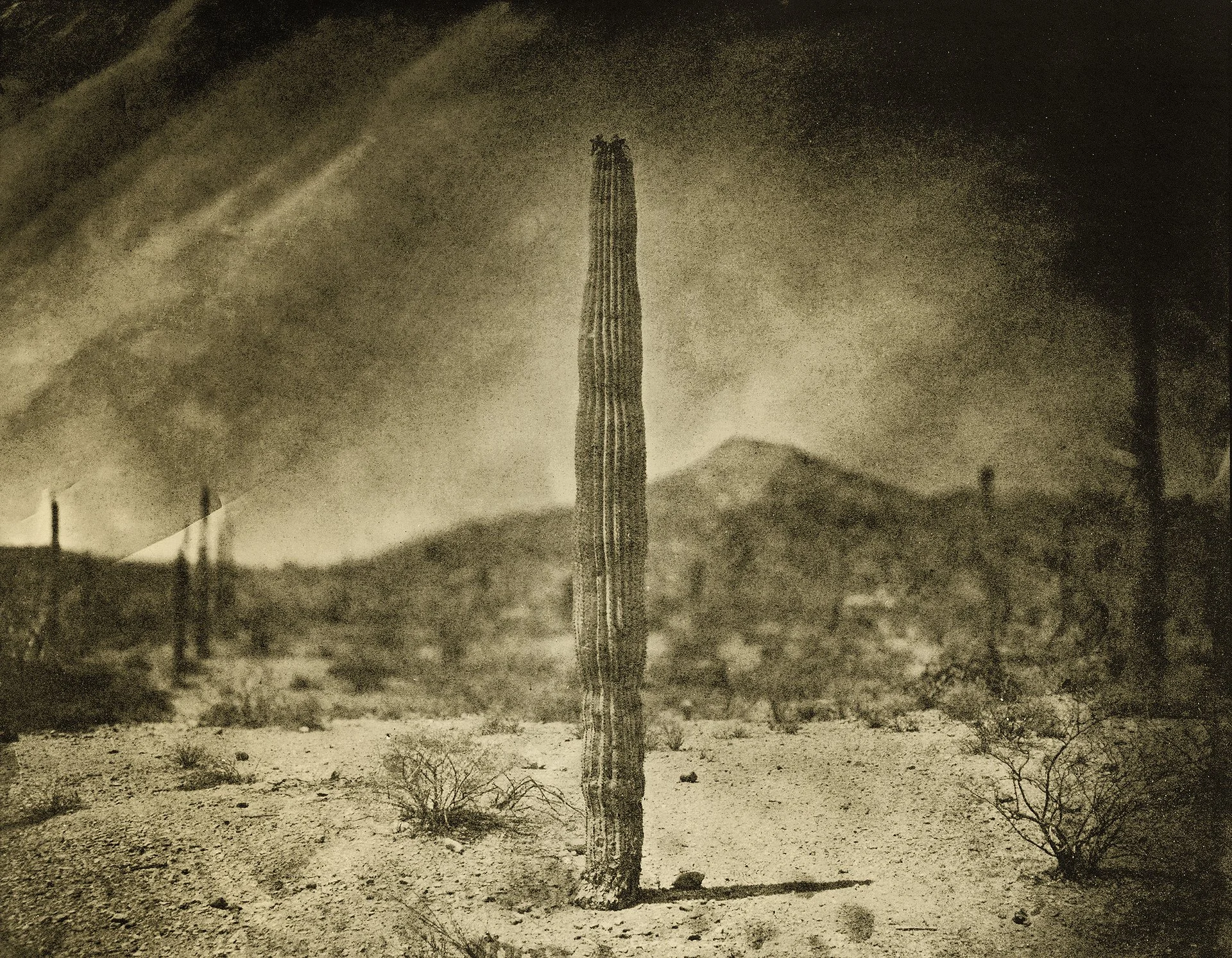
Marcus DeSieno
Unknown Migrant, Male, Cause of Death Exposure - Probable Hyperthermia, Their Body Was Found Three Weeks After Death, Arizona
Archival pigment print
14" x 18" x 0"
$950.00
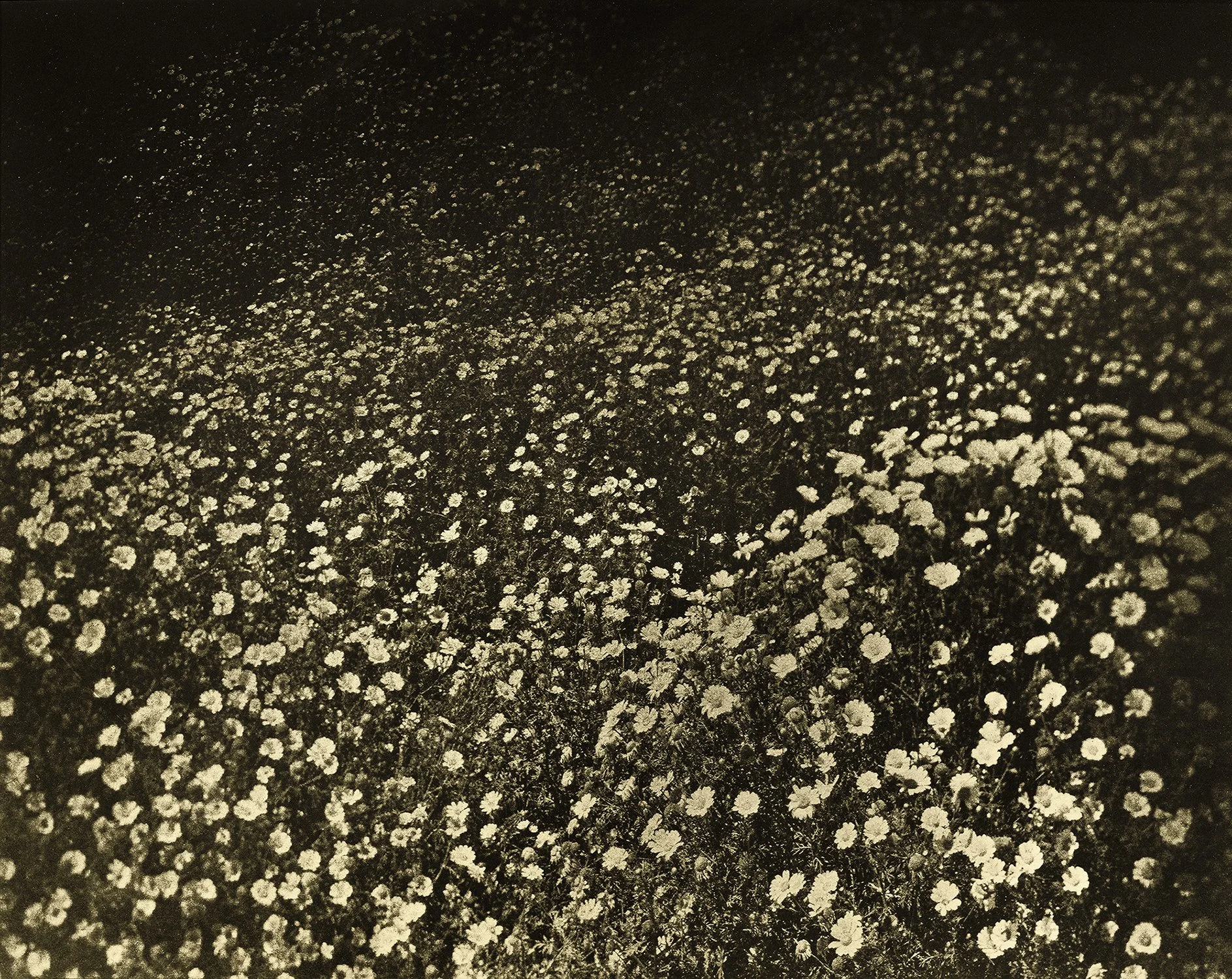
Marcus DeSieno
Unknown Migrant - Male, Cause of Death - Blunt Force Trauma/Struck by Automobile, Their Body Was Found on the Day of Death, California
Archival pigment print
14" x 18" x 0"
$950.00
Loreen Matsushima
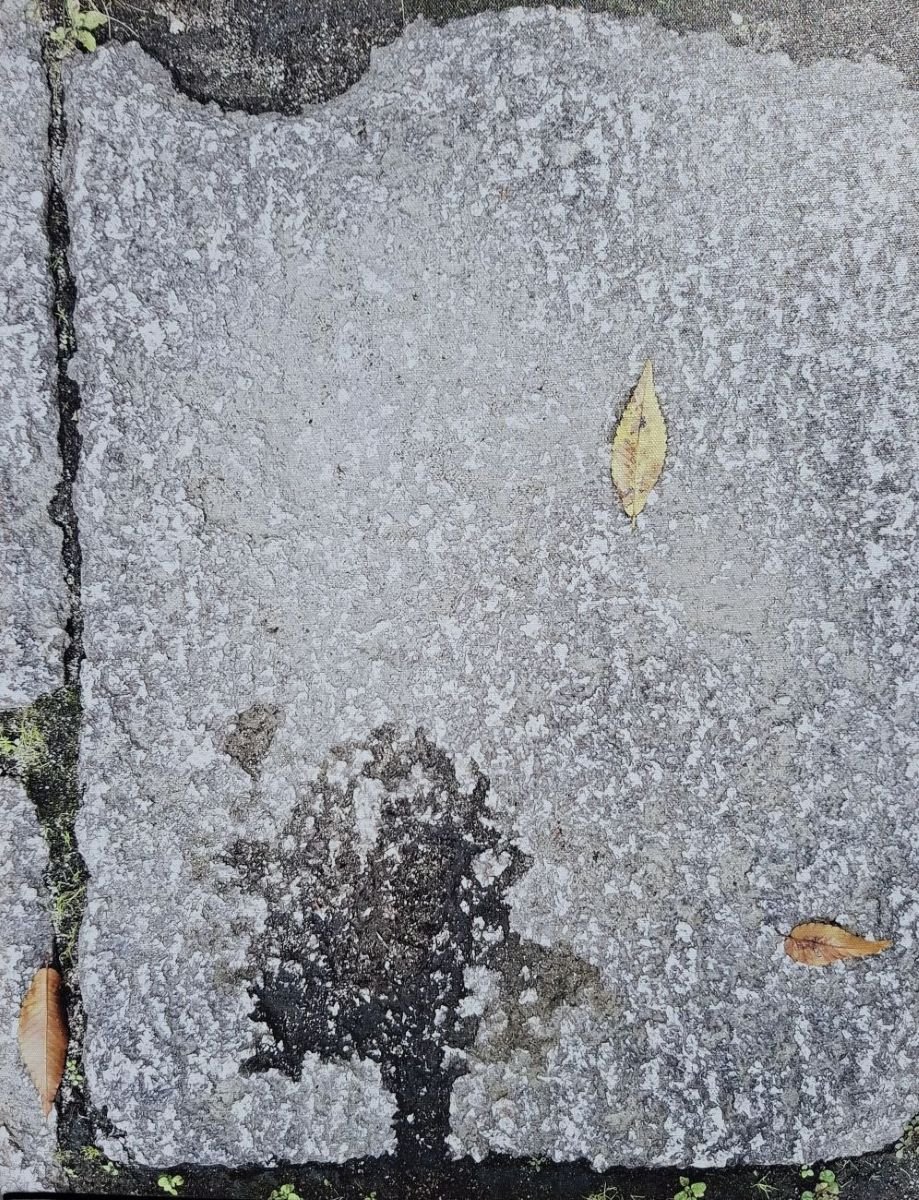
Loreen Matsushima
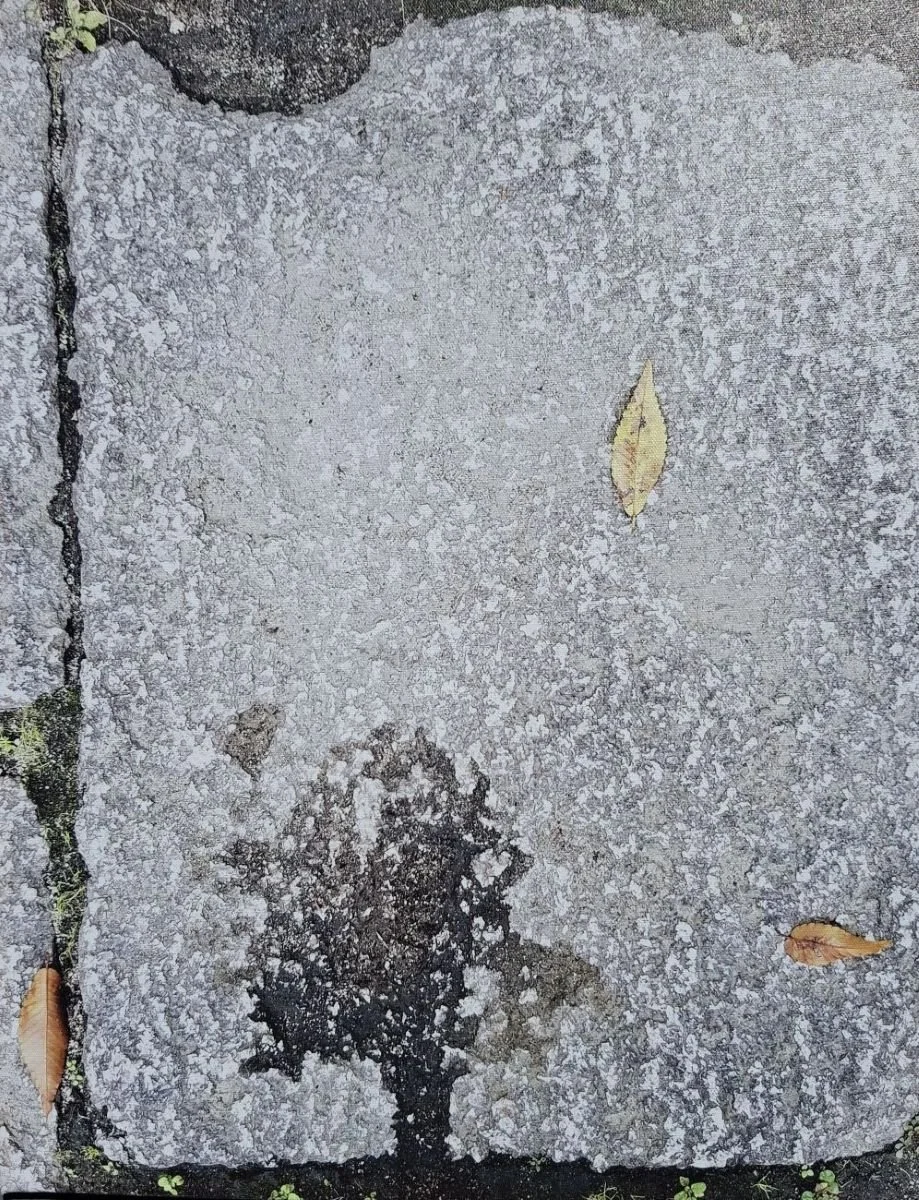
Hiroshima Stepping Stone.1
Photograph - giclée on canvas
20" x 16" x 1"
$300.00
Reineke Hollander
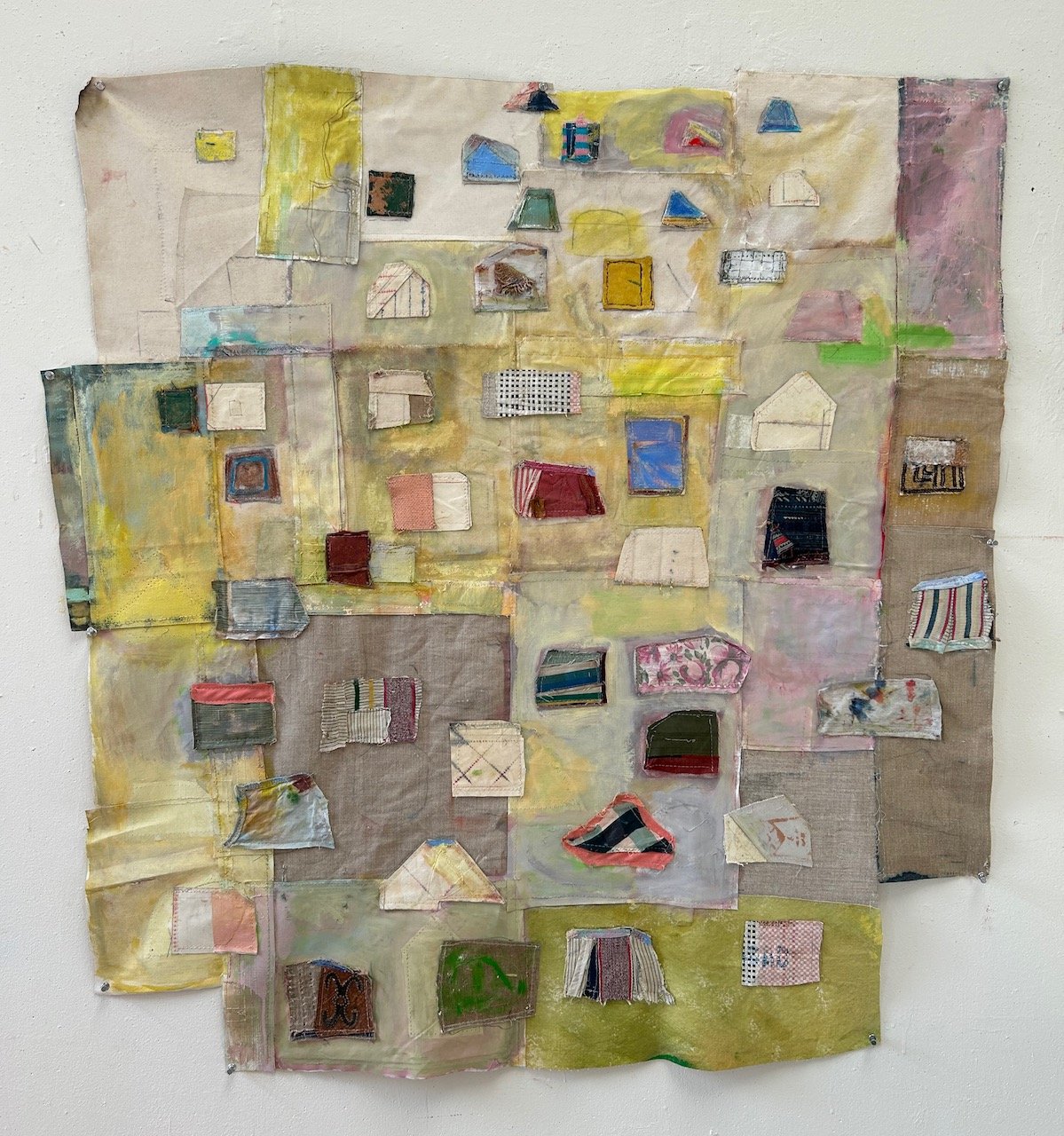
Reineke Hollander
In Limbo
Oil paint on repurposed canvas, sewing
47" x 43.5" x 1"
$2,500.00
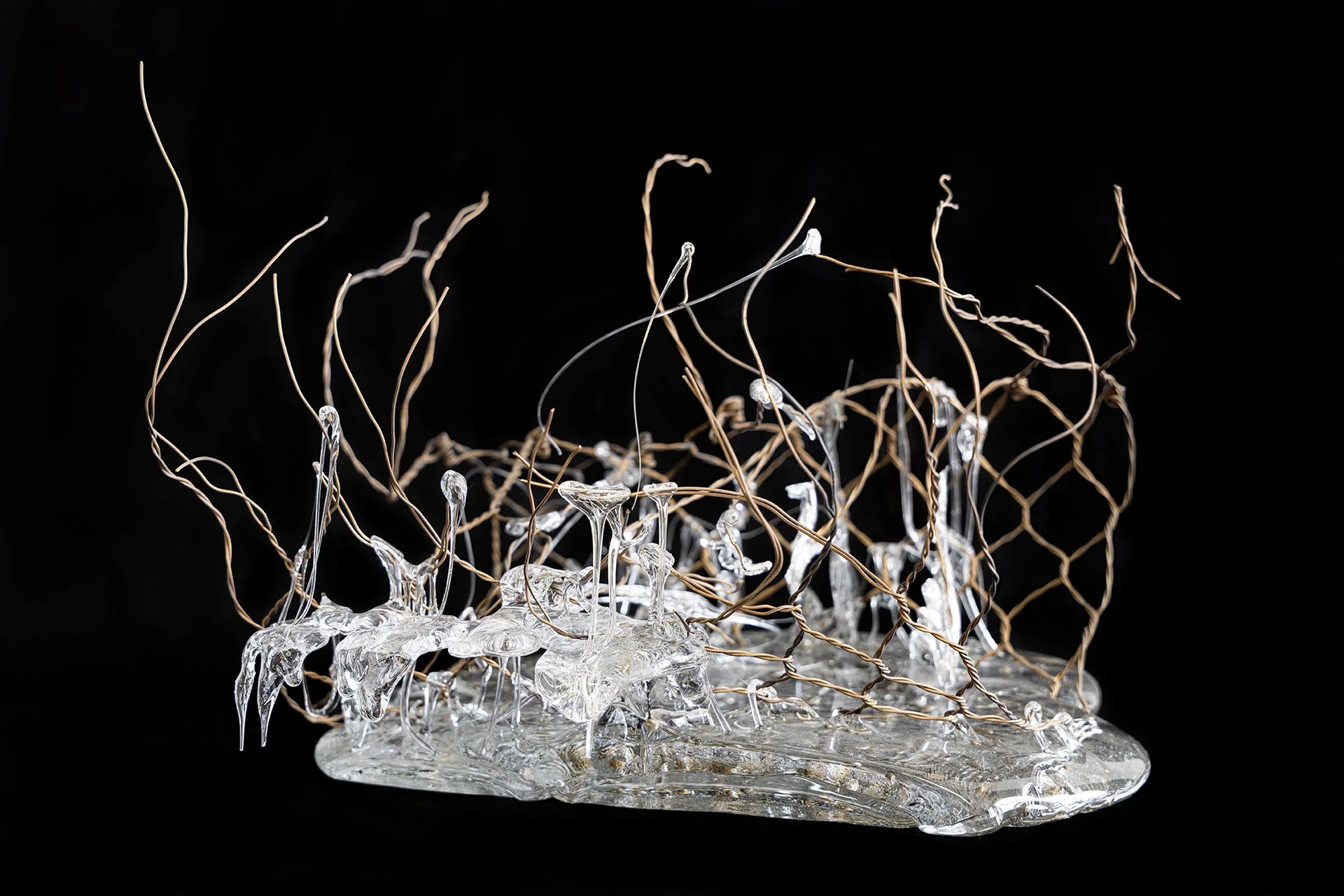
Janice Nakashimo
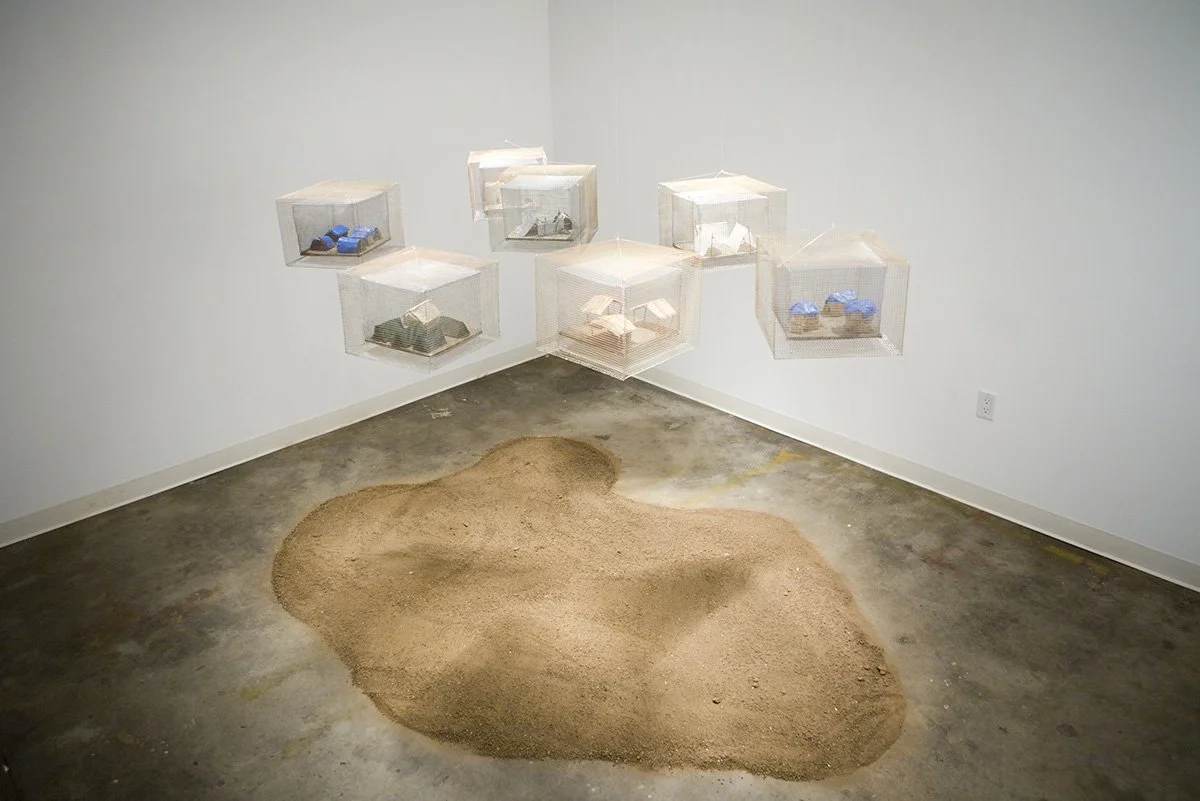
Janice Nakashima
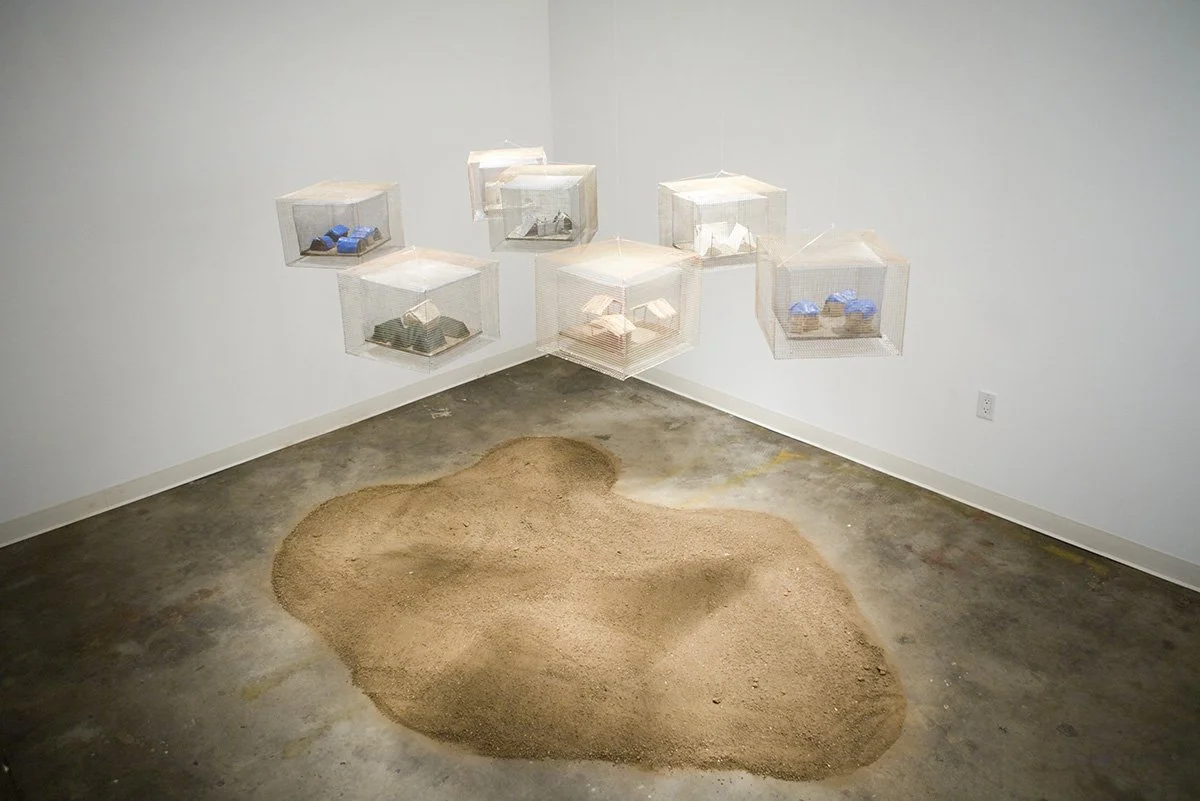
Far From Home
Mixed media — wire, dirt, wood, glue
10" x 6" x 6"
NFS
Wall 4: Bodies as Sites of Control
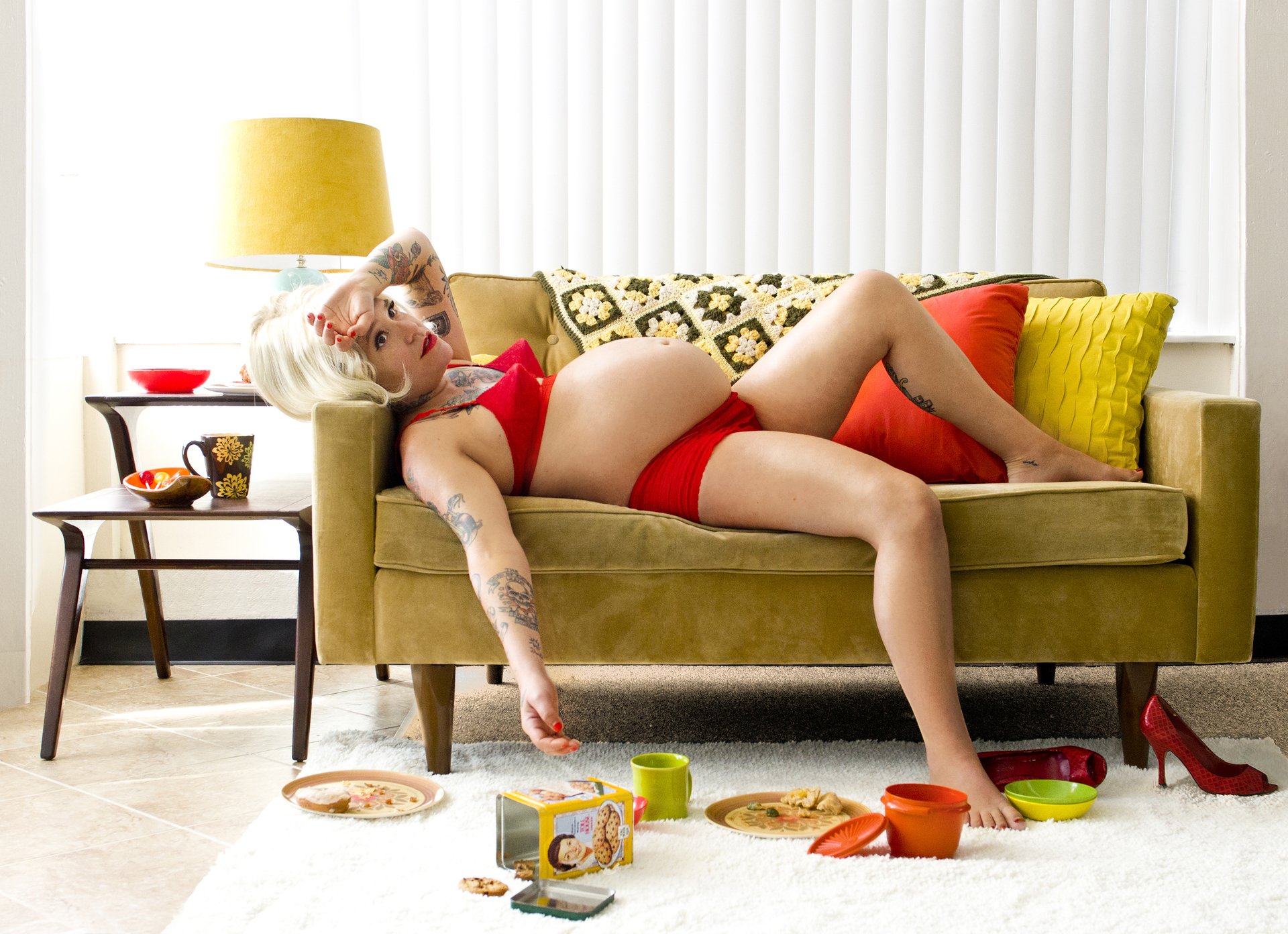
These artists explore how the body is often the first site where power is exercised and contested. Systems of control shape who is allowed to move freely, whose experiences are believed, whose identities are recognized, and whose autonomy is restricted. For those who are othered through race, gender, sexual orientation, immigration status, or disability, their bodies become a terrain upon which broader social and political struggles are enacted, but because of that, they also become sites of resistance.
Migration is on the thresholds between spaces: departure and arrival, belonging and exclusion, recognition and invisibility. These spaces are marked by uncertainty, where identities are systematically dehumanized, questioned, suspended, or reduced to categories and documents.
Loss permeates these experiences. There is the loss of life, home, language, community, and identity. These artists highlight these in-between spaces of loss. Exploring how people cope with loss and grief as they navigate separation, displacement, and prolonged uncertainty in these in-between spaces.
Sophie Spinelle
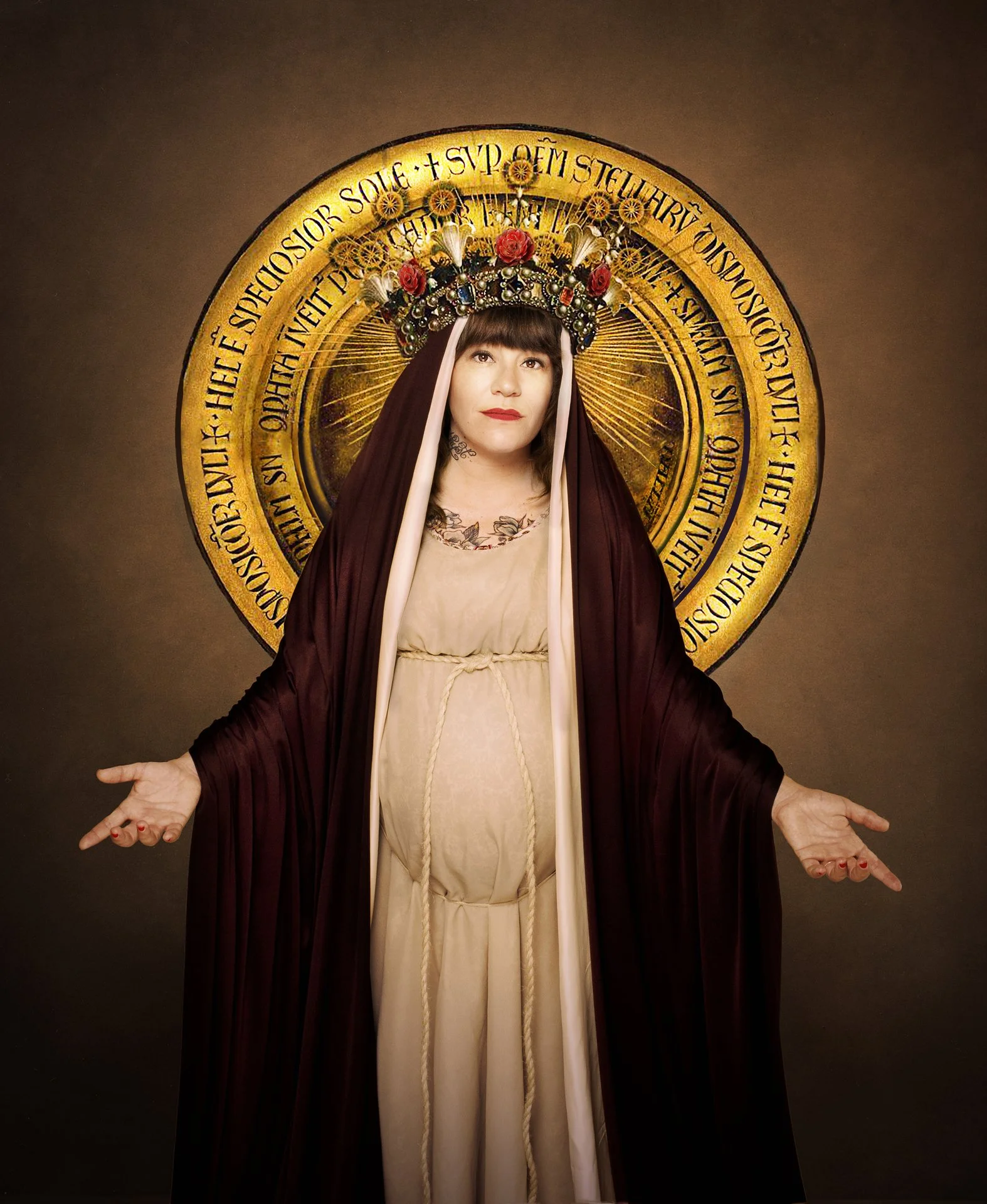
Sophie Spinelle
Michelle No. 3
Matte giclée print
16" x 24" x 1"
$1,800.00
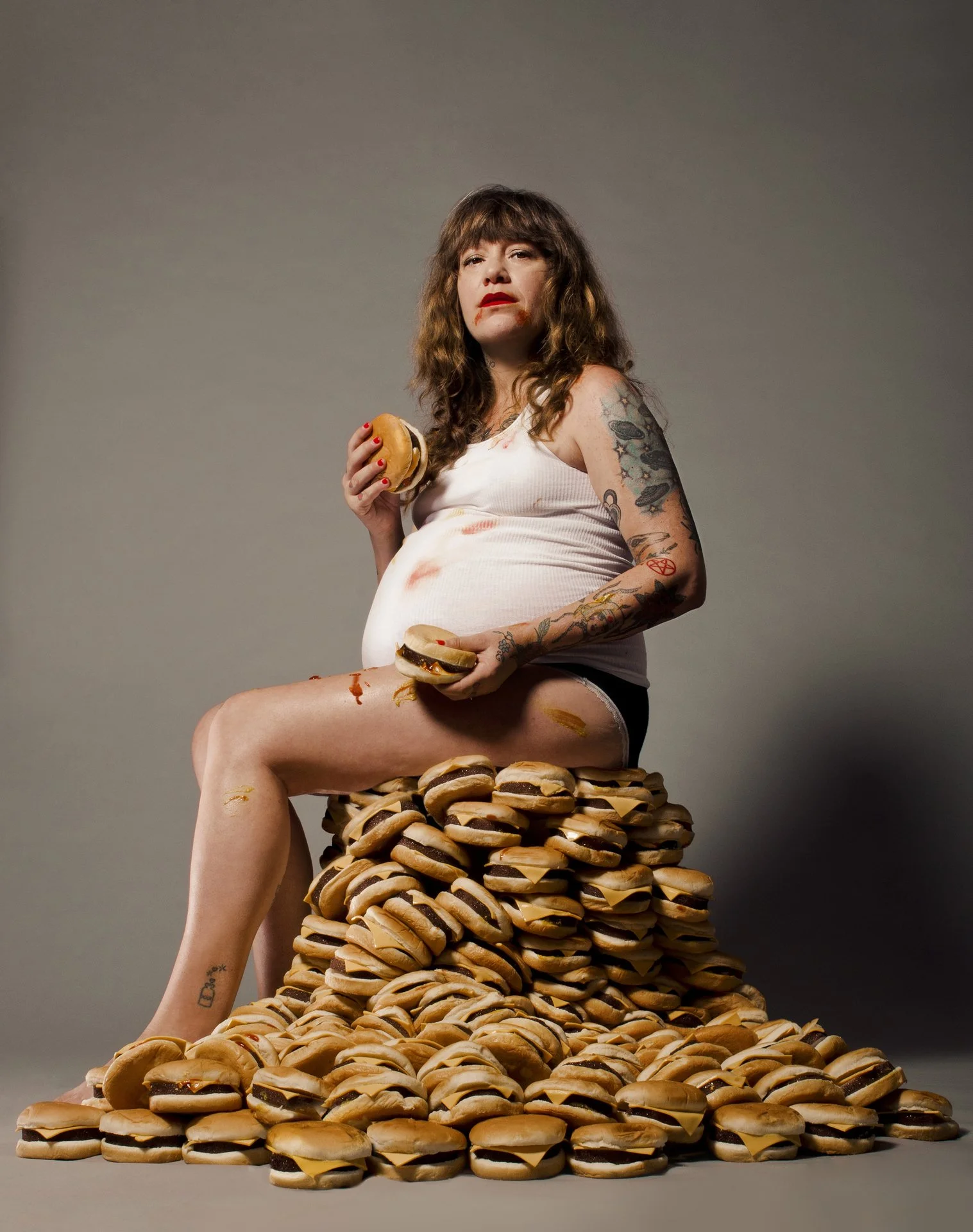
Sophie Spinelle
Michelle No. 2
Matte giclée print
16" x 24" x 1"
$1,800.00
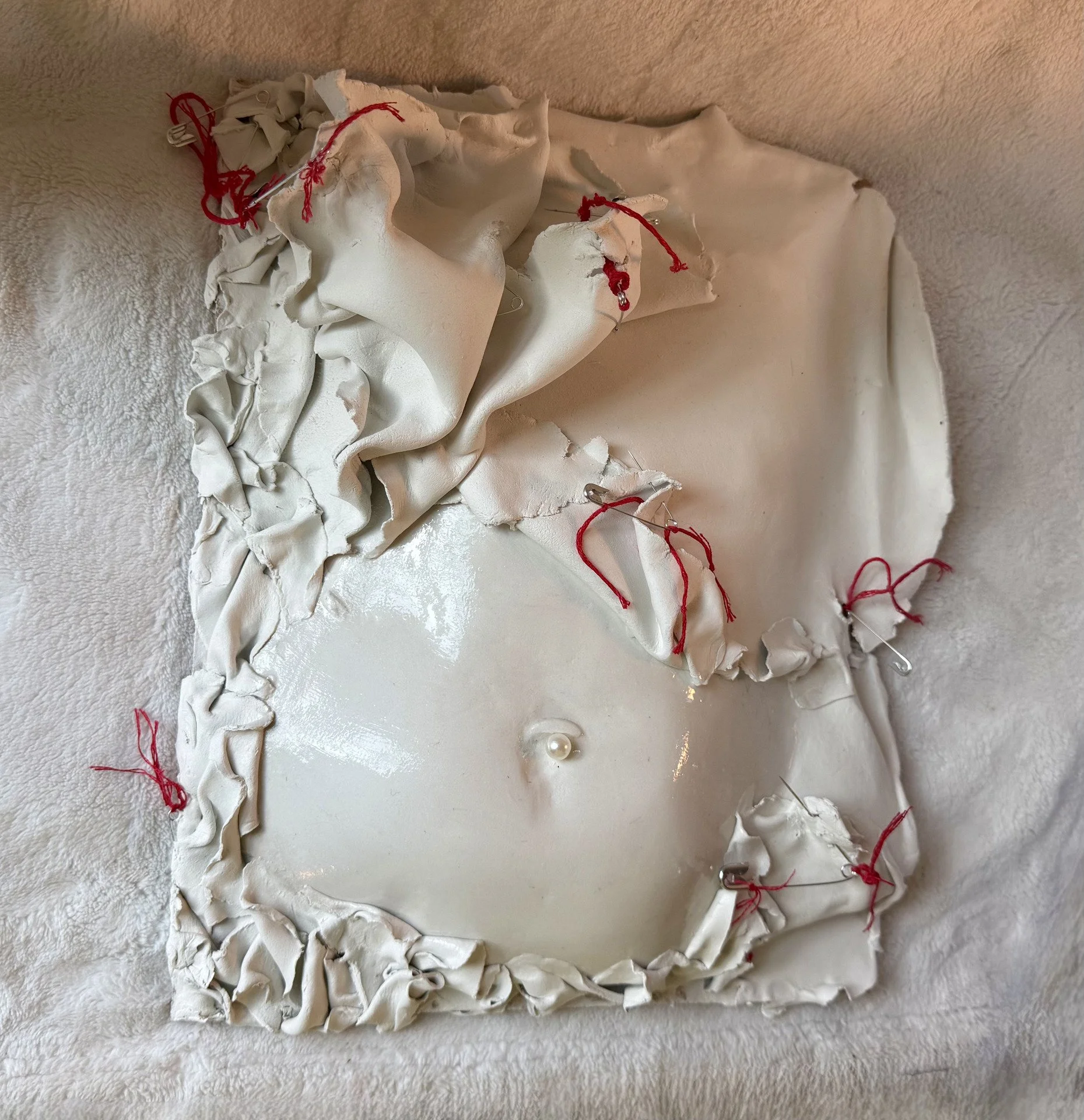
Areeha Ahmad
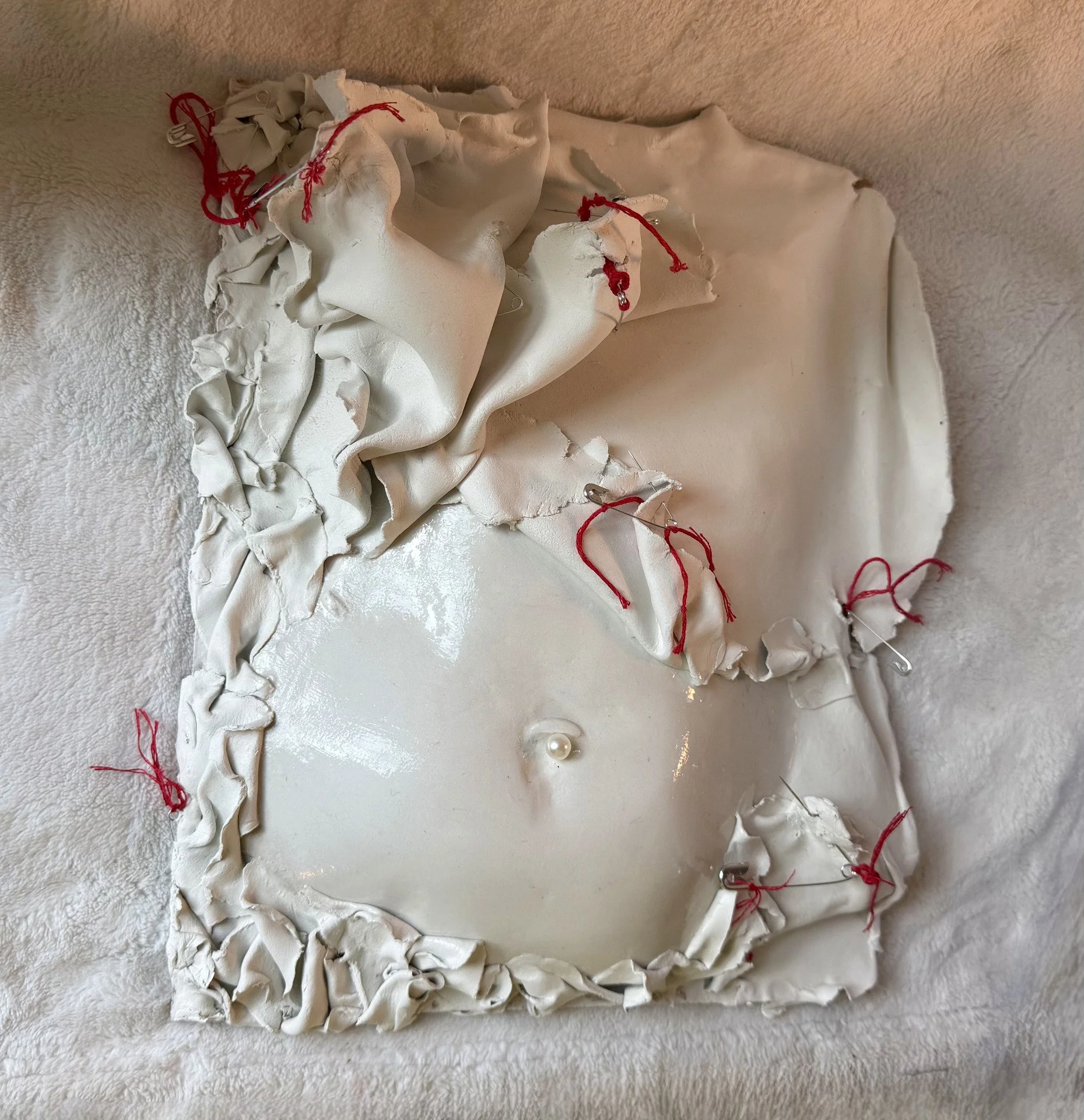
Areeha Ahmad
٠٠ت (Mannat)
Life cast, plaster, clay, safety pins, tatreez thread, pearl
8" x 6" x 2"
$600.00
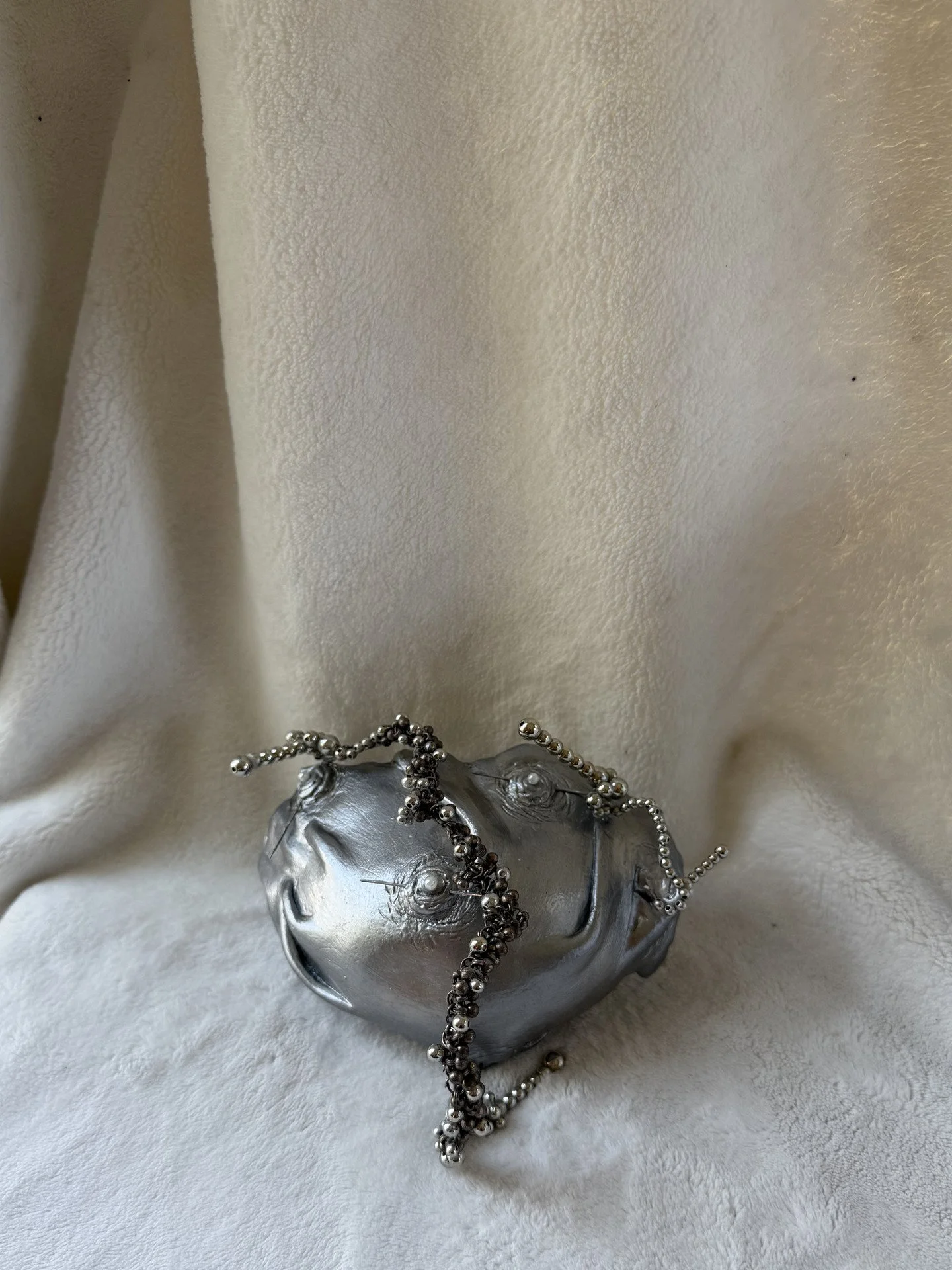
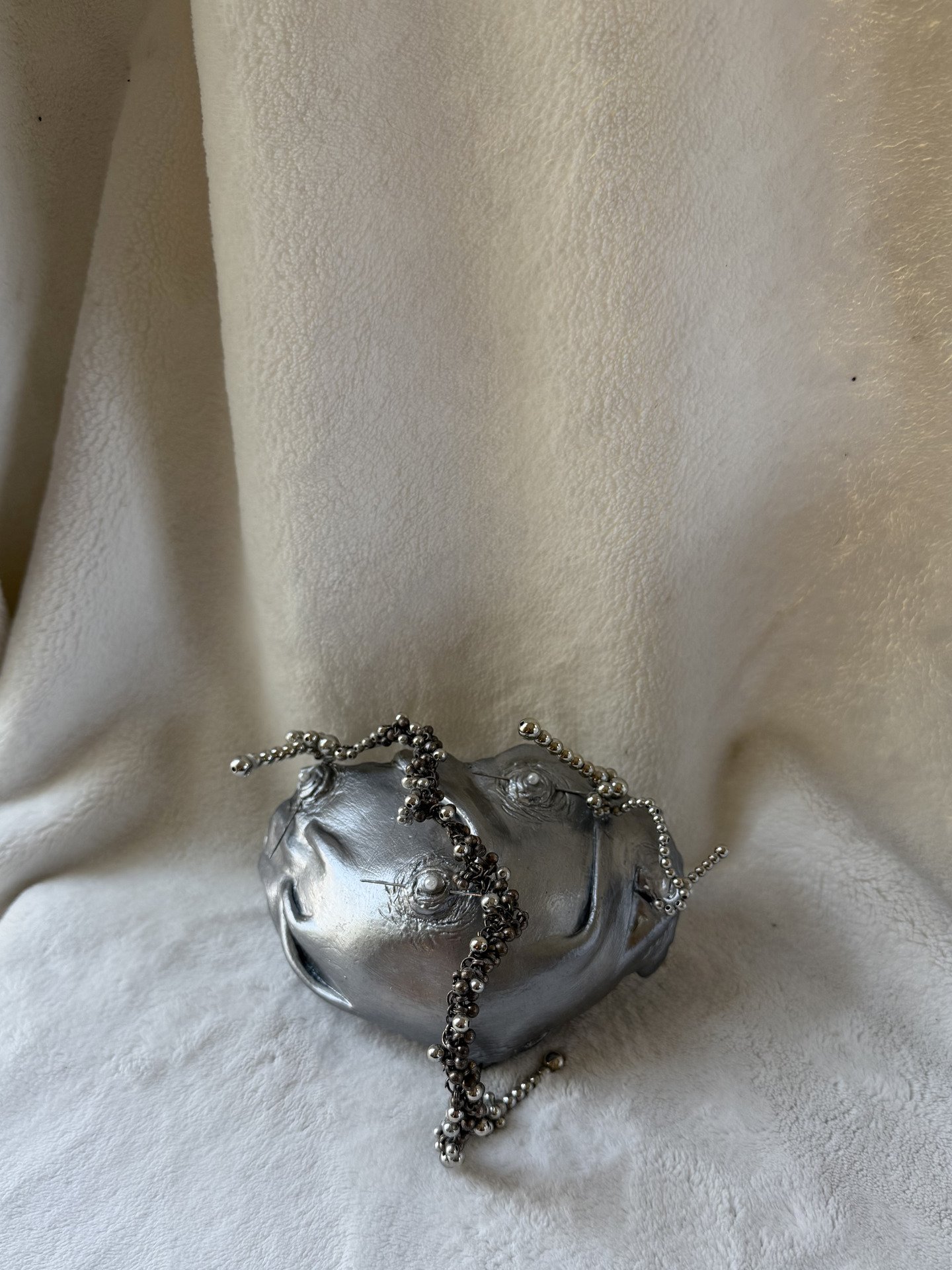
Areeha Ahmad
Imprisoned Bloom
Life cast, plaster, clay, aluminum wire, pins, jewelry
6" x 5" x 4"
$500.00
Caroline Bell
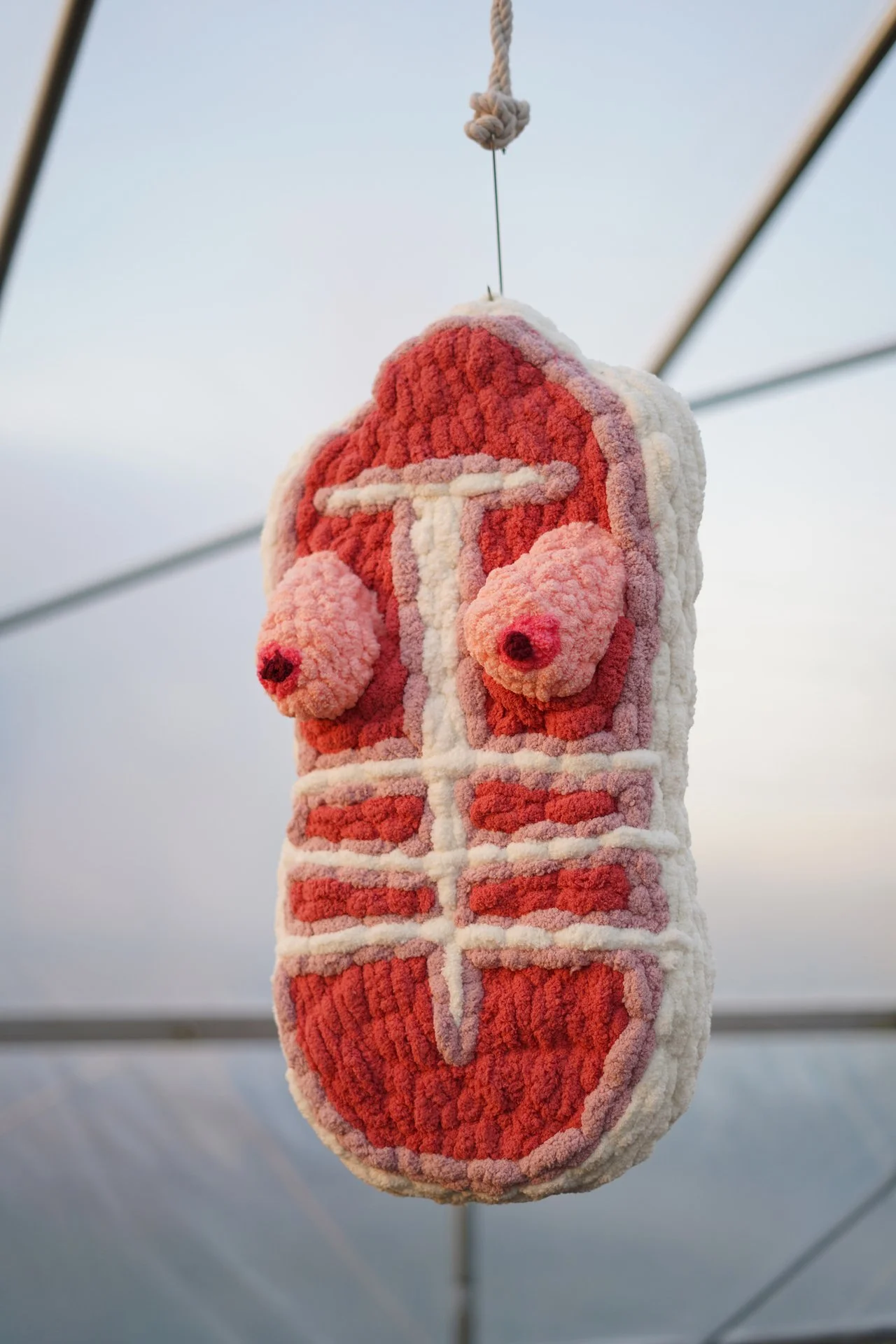
Caroline Bell
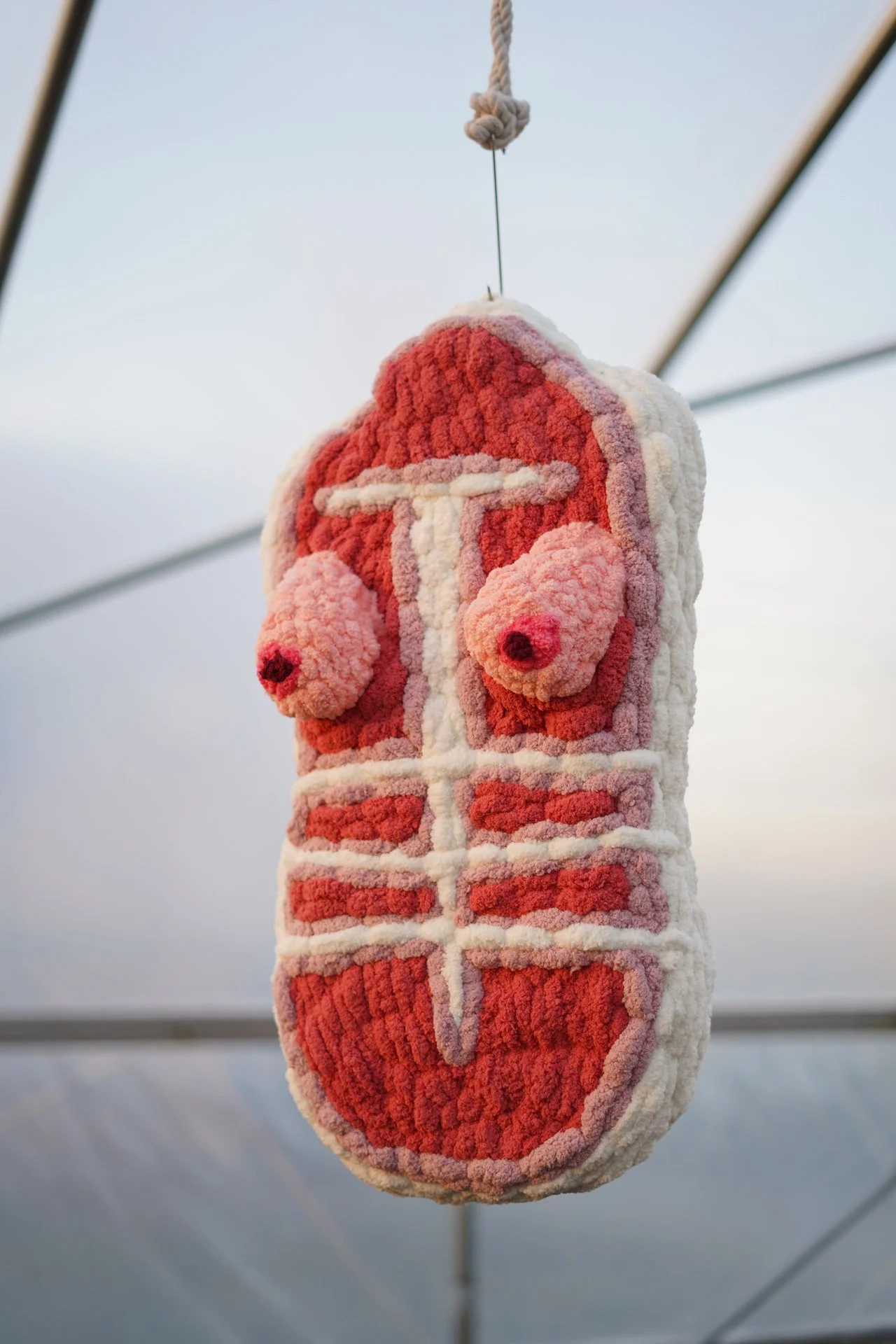
Stripped Autonomous Rights
Soft sculpture
24" x 16" x 8"
$600.00
Sawyer Rose
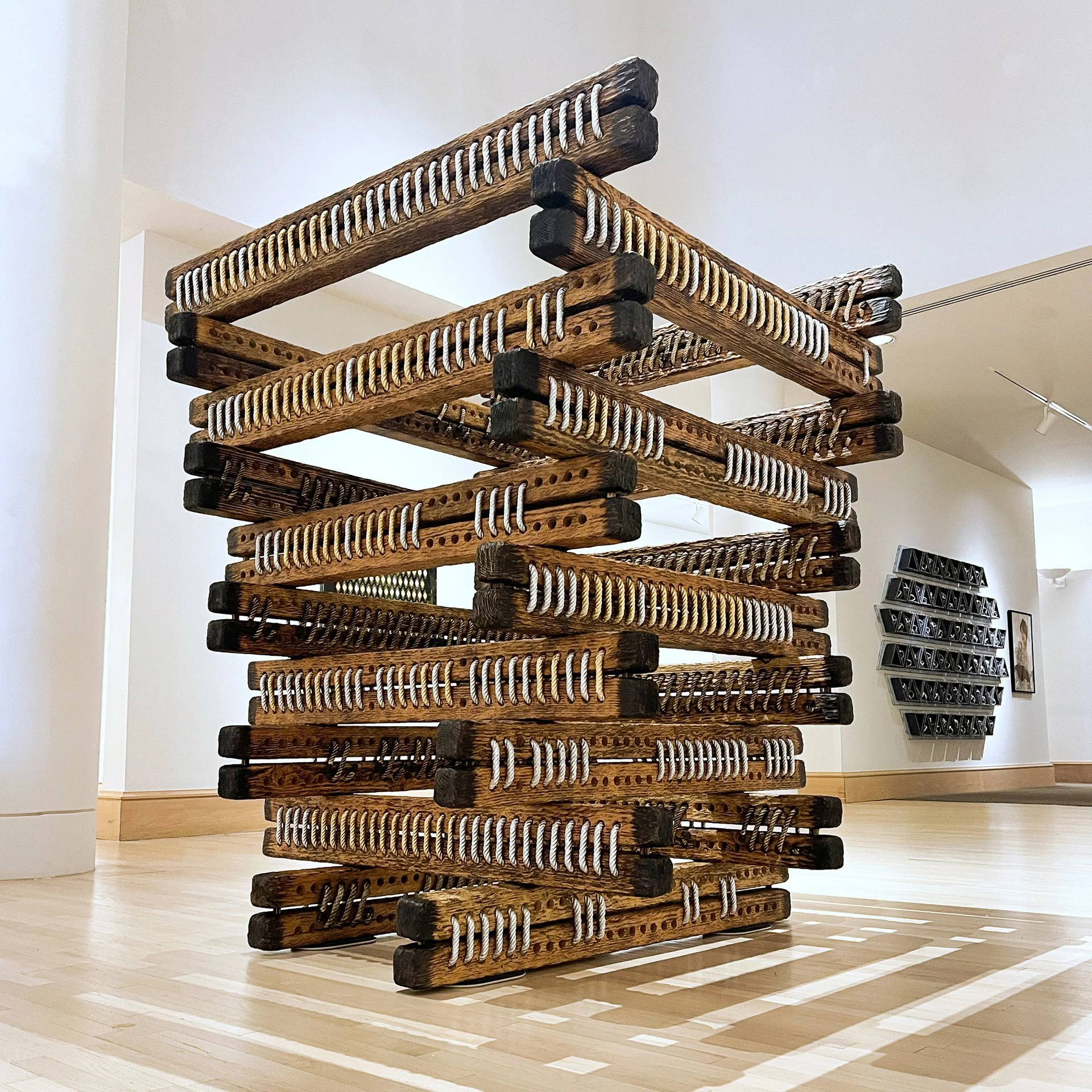
Sawyer Rose
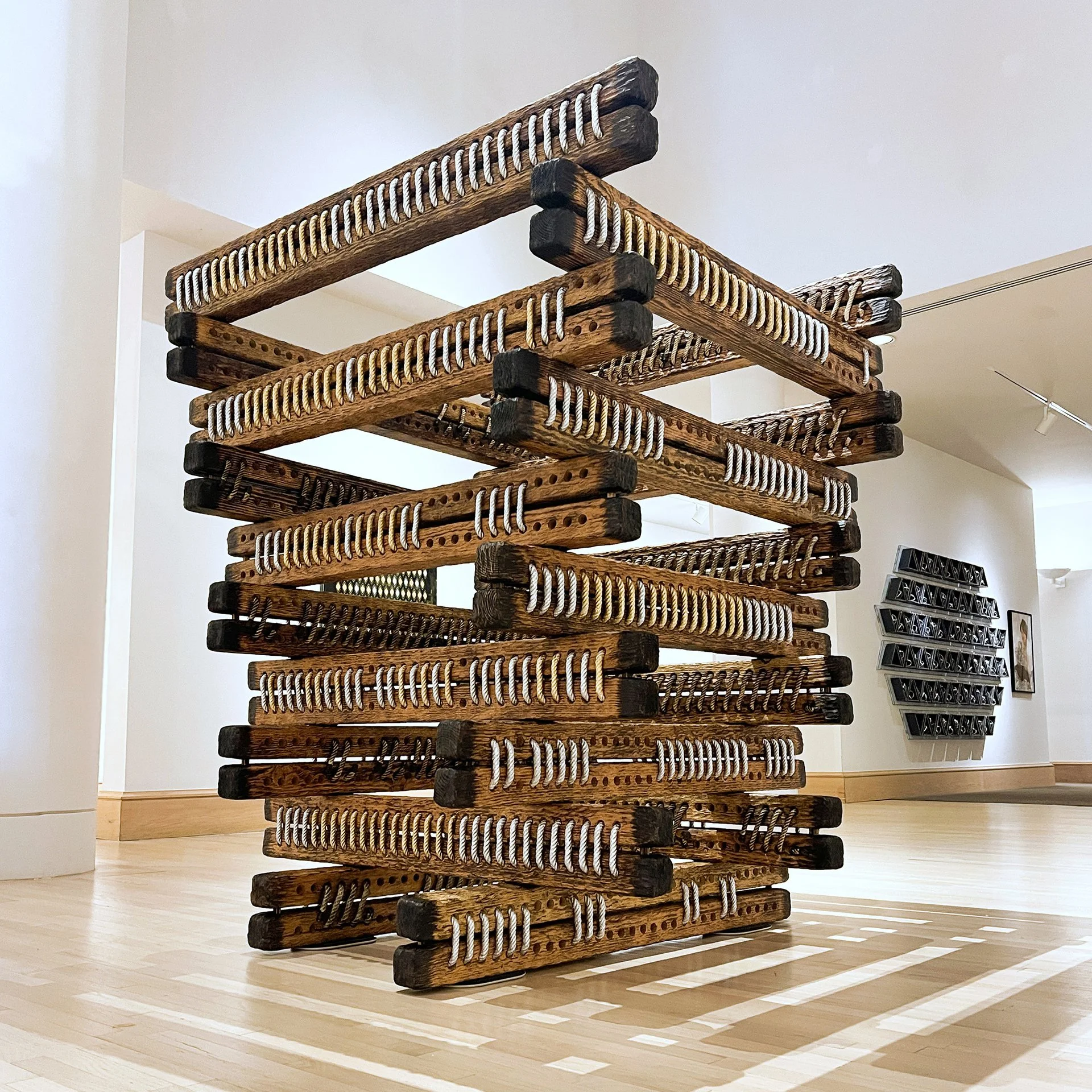
Rachel and Her Work: Sandwich Generation
Work data, burnt wood, cotton rope, gold and silver leaf
75" x 60" x 67"
$45,000.00
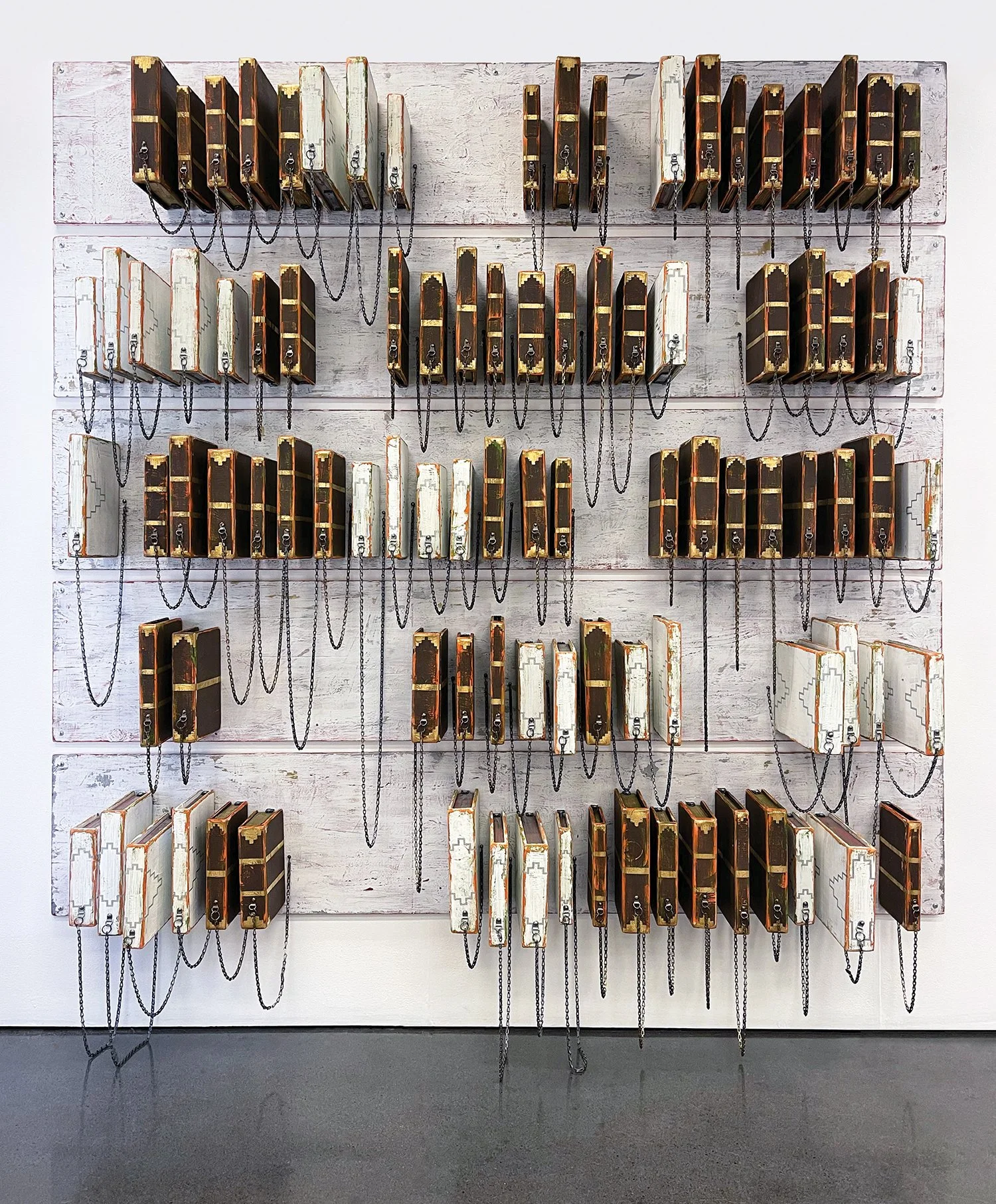
Sawyer Rose
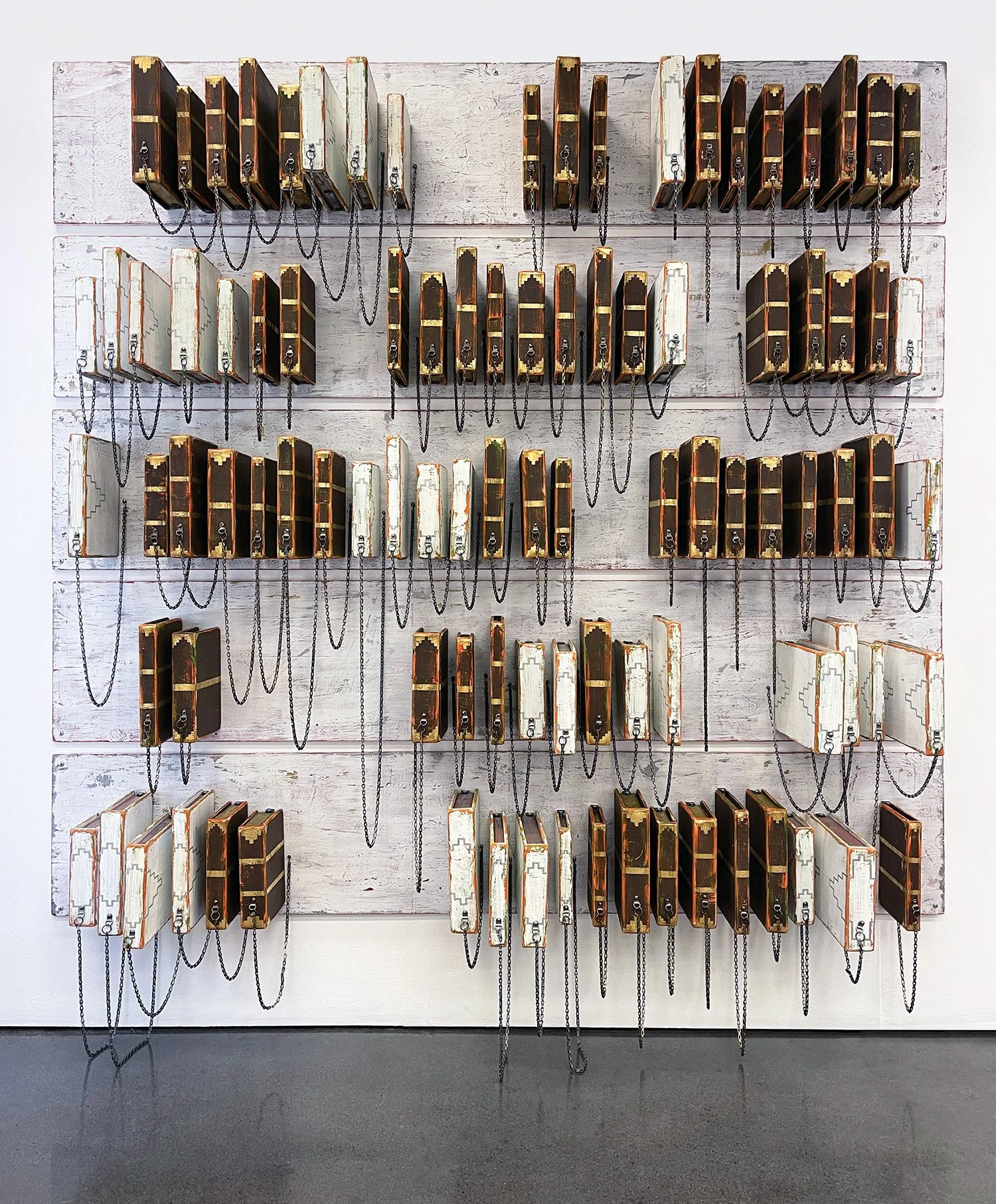
Lauren and Her Work: Women in Academia
Work data, wood, chains, gold and silver leaf, cardboard
96" x 96" x 12"
$40,000.00
Luyao Chang
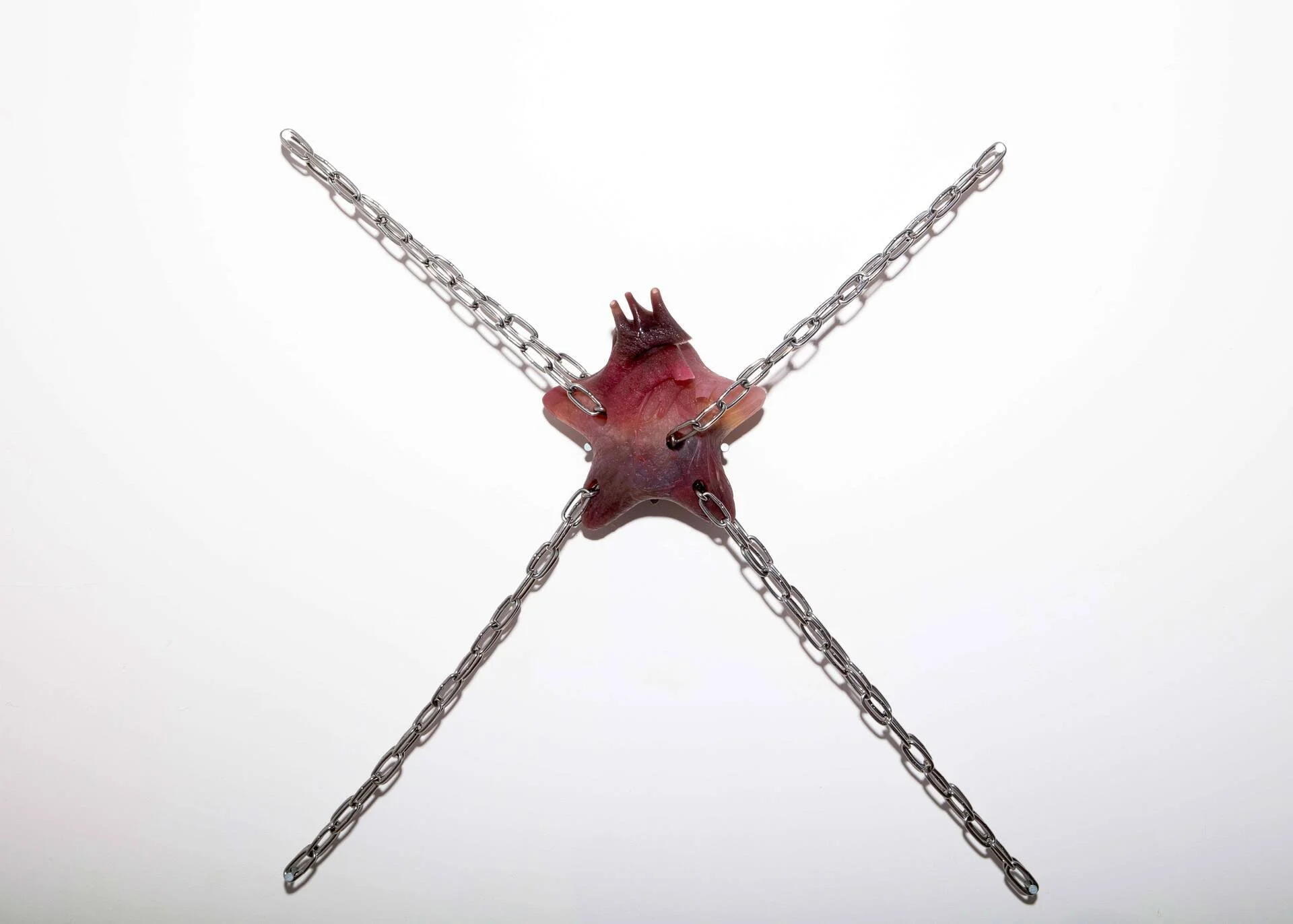
Luyao Chang
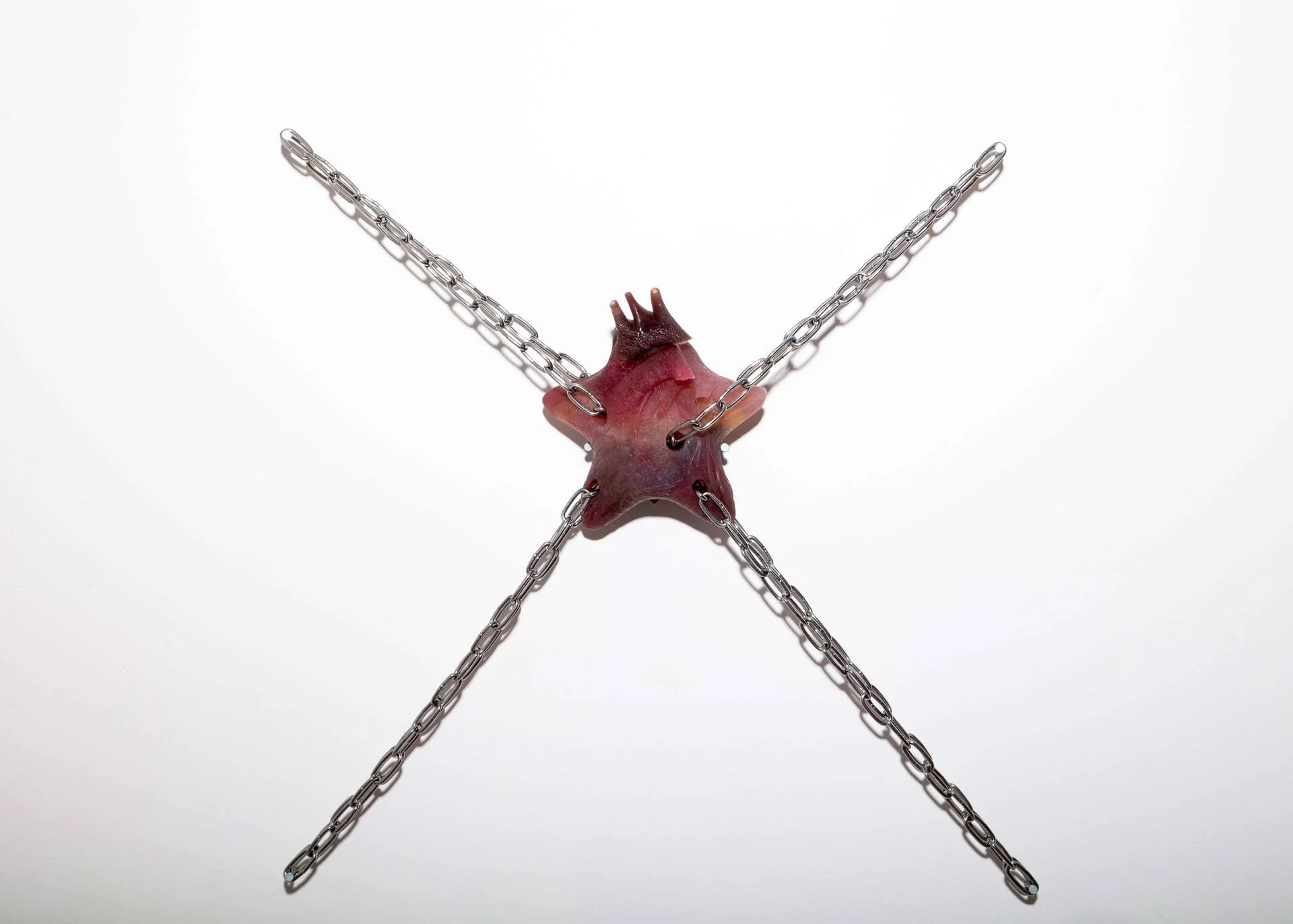
The Passion
Pigment mixed with silicon, steel chain
25" x 25" x 5.5"
$1,500.00
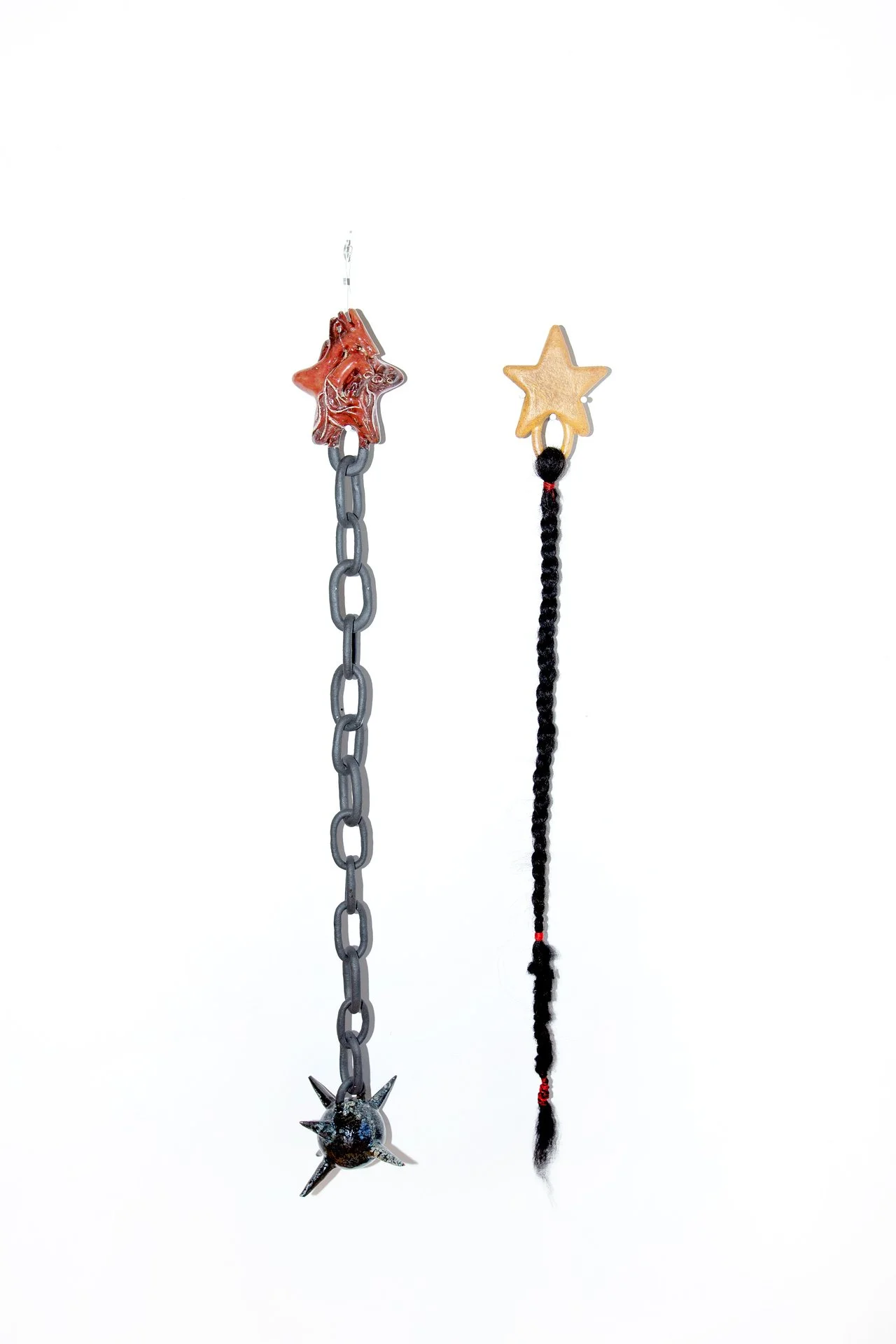
Luyao Chang
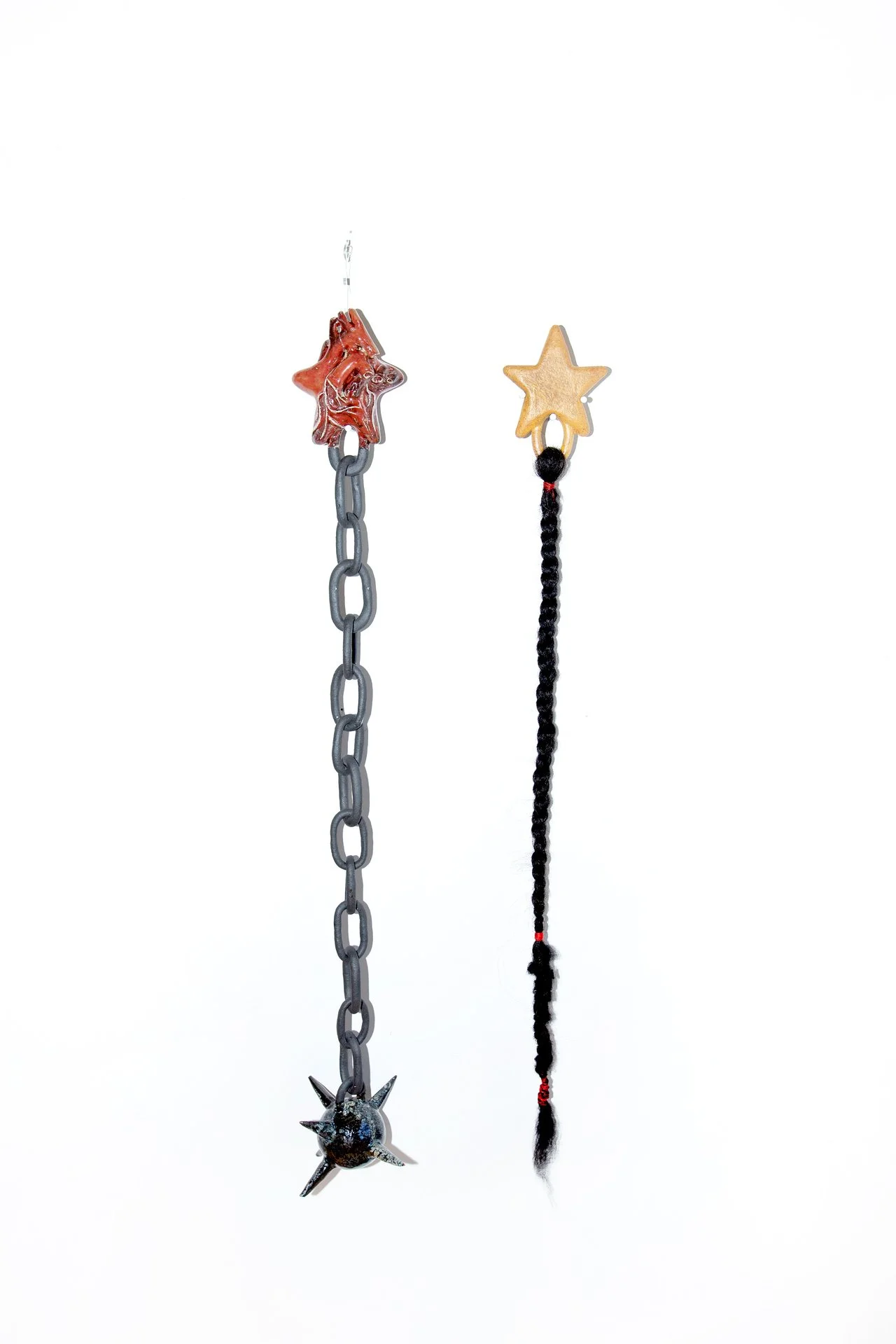
Double Braids
Stoneware, glaze, crepe hair, thread
50" x 15" x 5.5"
$1,700.00
Dominique Greene
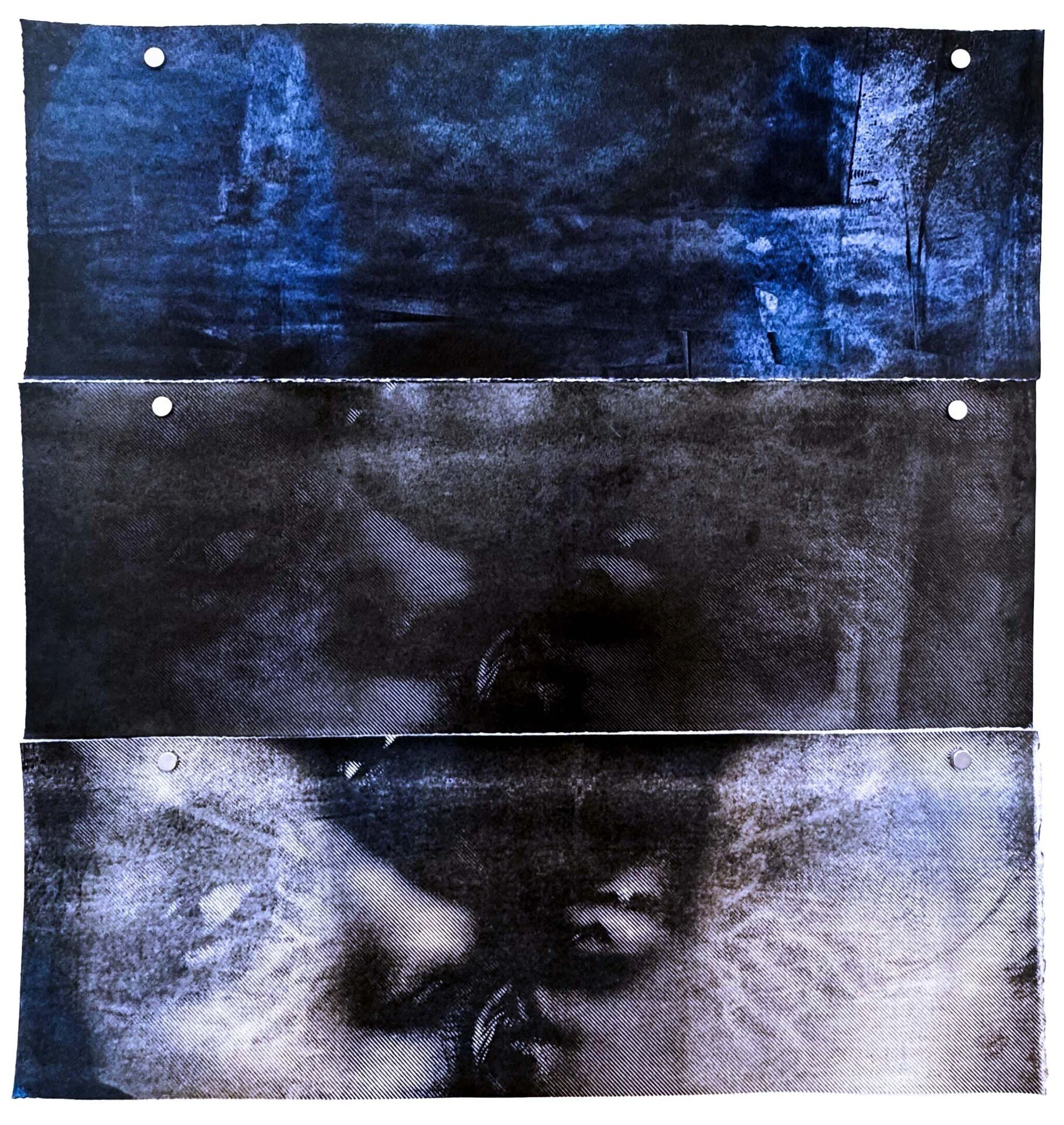
Dominique Greene
Beijos For Us
Photo lithography
21" x 21" x 0"
$950.00
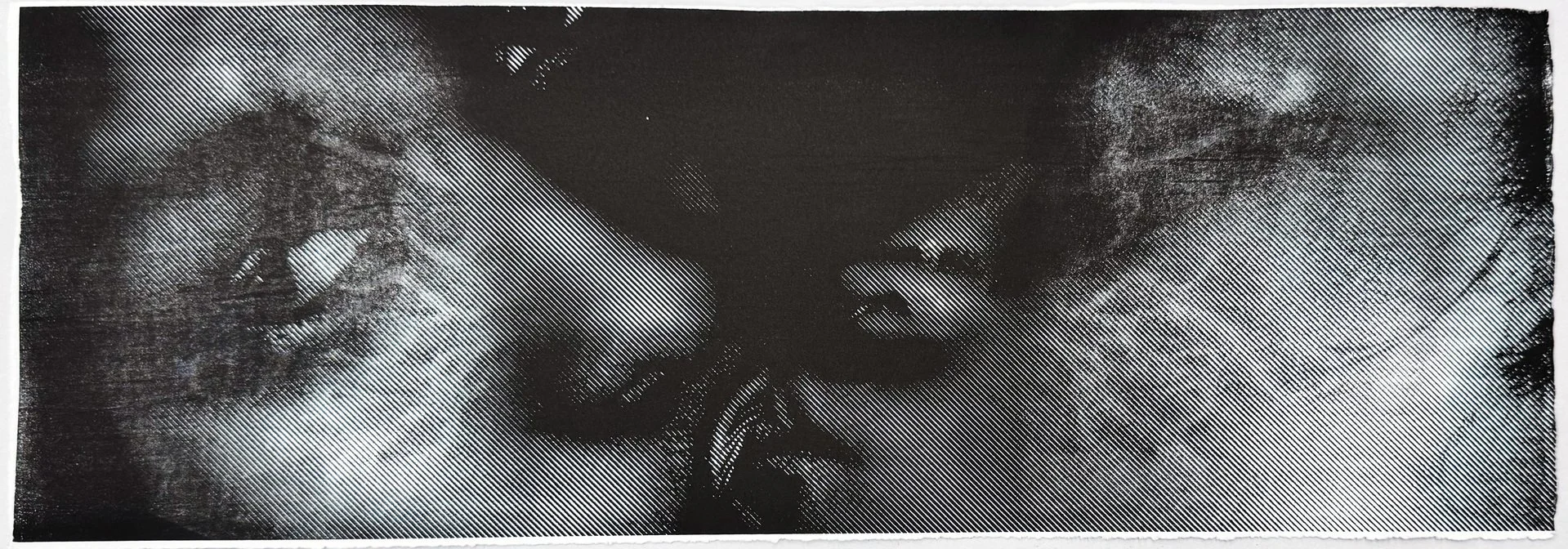
Dominique Greene
Beijos For Us
Photo lithography
7" x 21" x 0"
$350.00
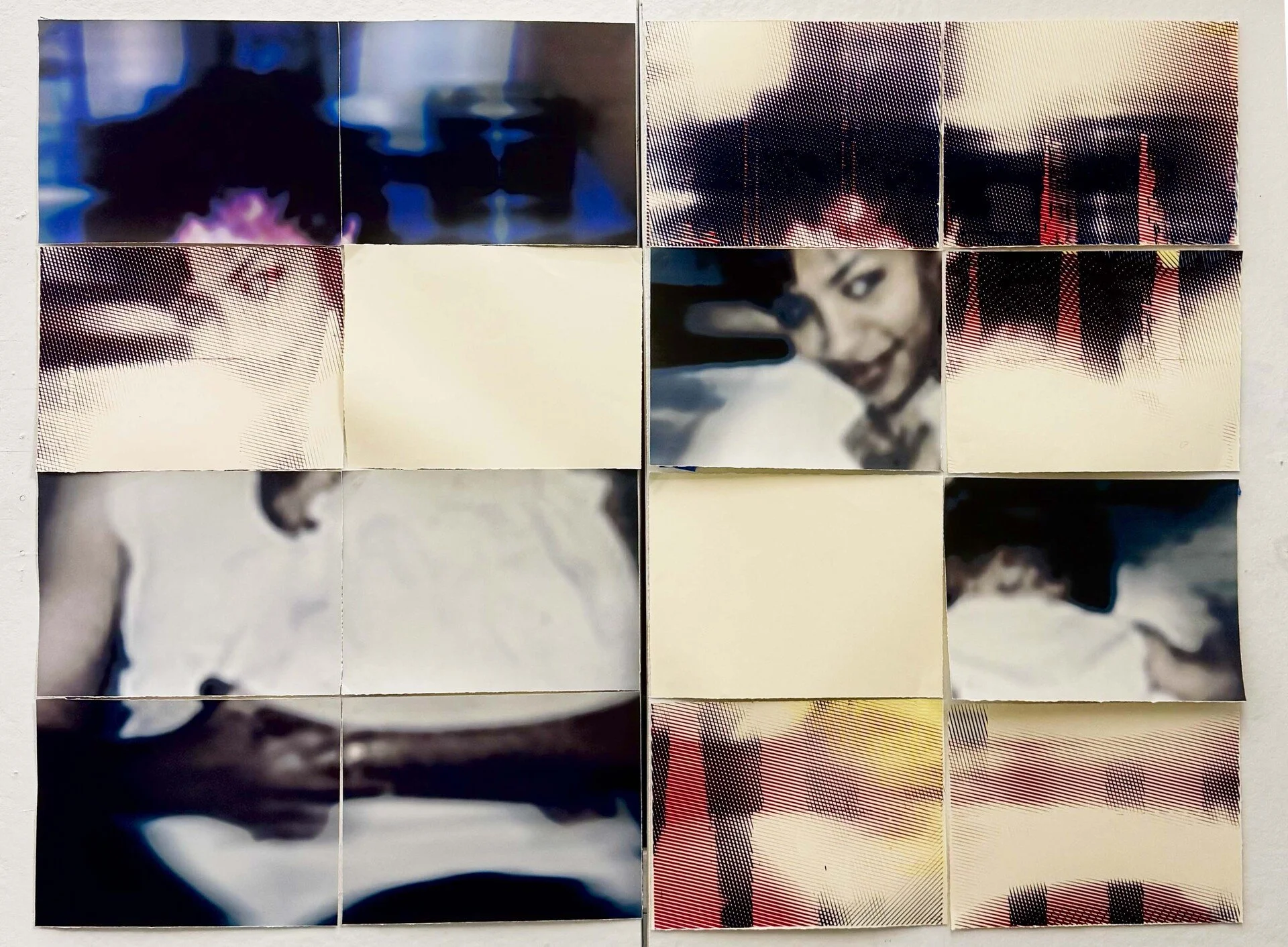
Dominique Greene
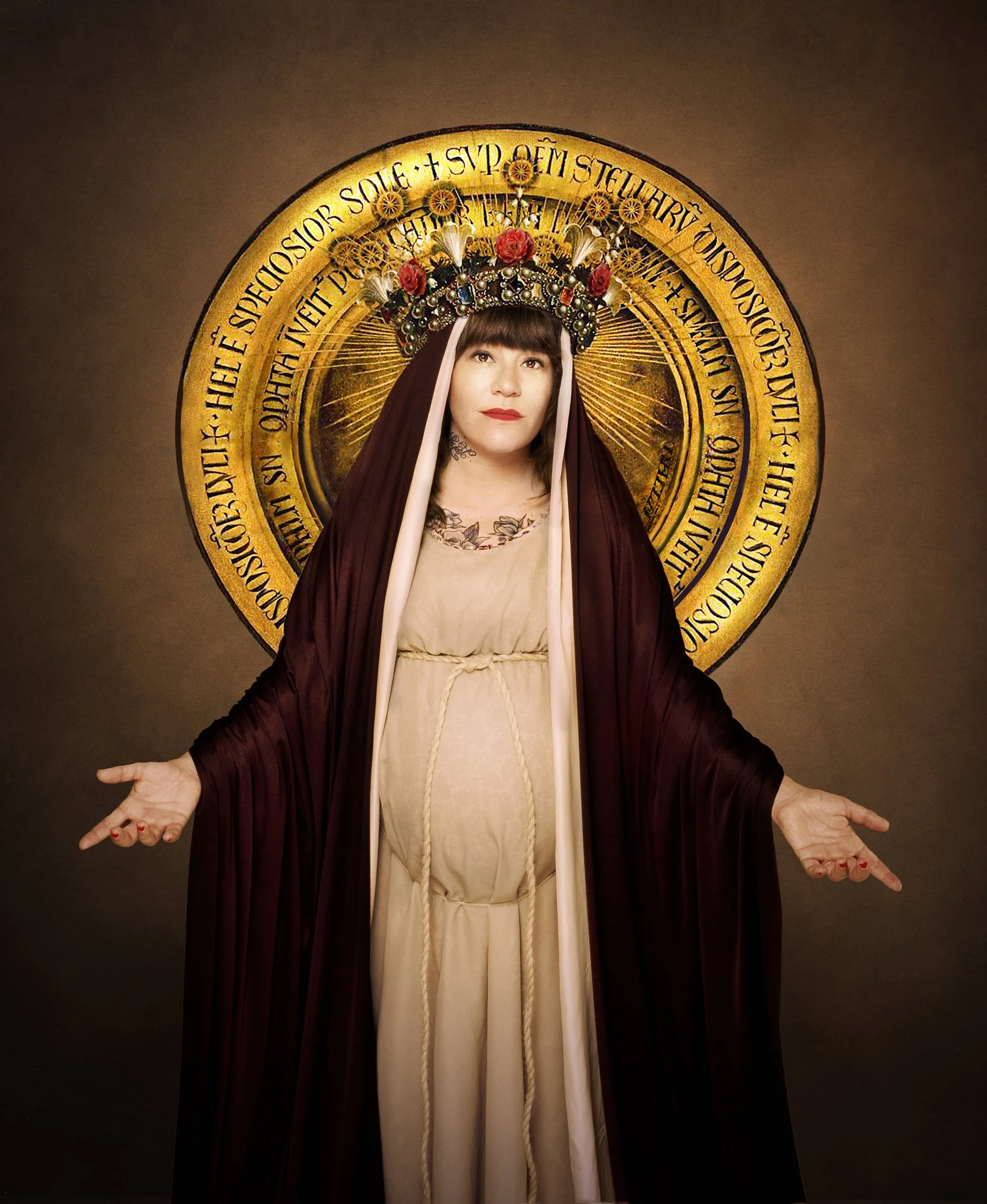
Madonna and Child
Inkjet and silkscreen
96” x 72”
$1,750.00